Welcome to Yard Grading 101, your comprehensive guide to achieving proper drainage and enhancing your landscape through effective yard grading techniques. Whether you’re battling water pooling, foundation damage, or simply aiming for a flawlessly sculpted lawn, understanding the nuances of yard grading is essential. This guide will equip you with the knowledge to grade your yard effectively, ensuring water drains away from your house and towards designated drainage solutions.
Understanding Yard Grading

What is Yard Grading?
Yard grading refers to the process of altering the slope of the land around your home to ensure proper drainage. It involves reshaping the existing terrain to direct water away from your house and prevent water from pooling. Proper grading is crucial for maintaining the integrity of your home’s foundation and preventing costly repairs. The goal of landscape grading is to sculpt the land to promote effective runoff, preventing issues like mosquito breeding grounds and foundation leaks. Understanding the fundamentals of grading a yard is the first step in tackling drainage issues.
Importance of Proper Drainage
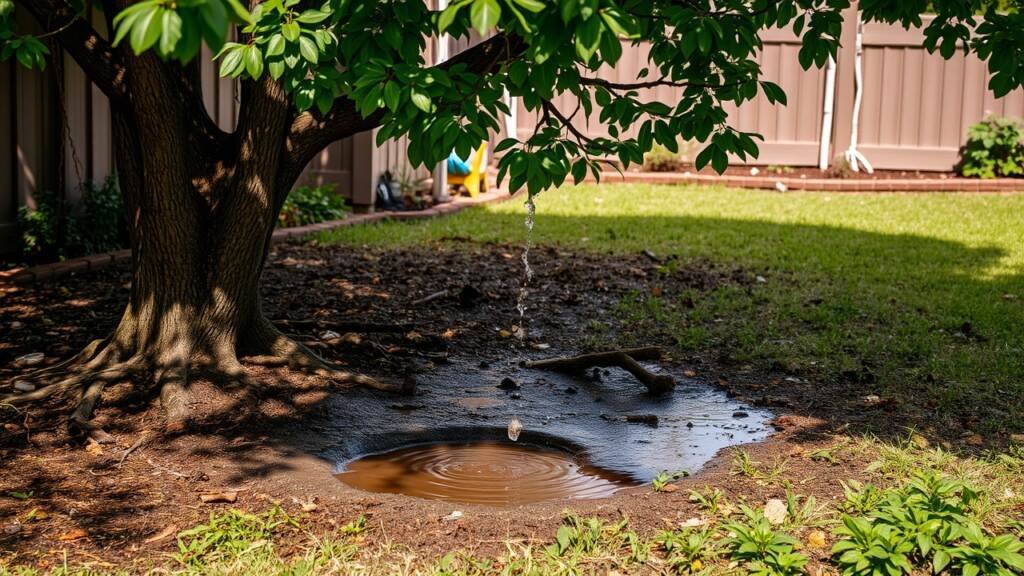
The importance of proper drainage cannot be overstated. Poor drainage can lead to a host of problems, including foundation damage, basement flooding, and the creation of mosquito breeding grounds. When water accumulates around your home’s foundation, it can seep into the concrete, causing cracks and weakening the structure. By ensuring a proper slope away from your house, you can effectively direct water away from your home, preventing these issues. Proper drainage also prevents water from pooling in areas of the yard, which can damage your lawn and landscape. Investing in proper grading is an investment in the long-term health and stability of your home.
Overview of the Grading Process
The grading process involves several key steps. It’s helpful to understand that the process typically covers these ordered actions:
- Creation of a grading plan, outlining the desired slope and drainage pathways.
- Rough grading to reshape the major contours of the land, often using equipment like an excavator or skid steer.
- Finish grading to refine the slope and prepare the surface for landscaping or seeding.
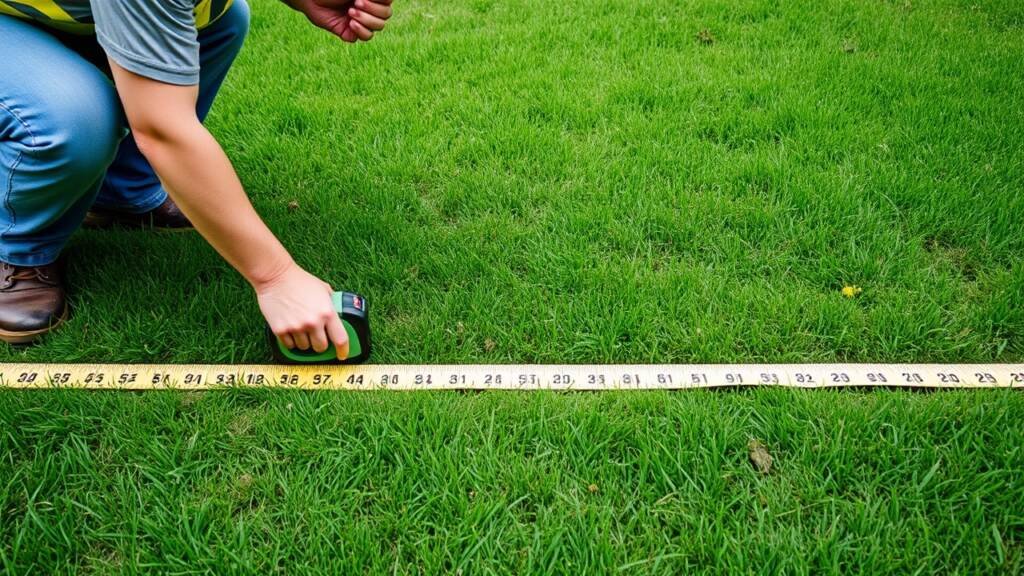
Following these steps, you would typically compact the soil using a hand tamper to ensure stability and prevent erosion. Throughout the grading project, it’s best to use tools like a laser level to ensure accuracy and precision. Whether you choose to rent equipment or hire professionals, understanding each stage of the grading process is essential for a successful landscaping project and achieving proper drainage.
Steps to Grade Your Yard
Step-by-Step Guide to Grading
Here’s how to make your yard grading project more manageable. The key is to divide the work into a sequence of steps:
- Begin with a comprehensive grading plan, addressing drainage and slope.
- Clear the area of debris, vegetation, and obstacles.
- Rough grade using heavy machinery to reshape the land.
- Finish grade with hand tools, ensuring a smooth surface.
During the project, maintain a consistent slope away from your house to facilitate proper drainage, preventing water from pooling.
Tools Needed for Yard Grading
Having the right tools is essential for a successful yard grading project. Core tools for this kind of project include:
- A shovel, indispensable for moving small amounts of topsoil and fine-tuning the landscape.
- A laser level, which will assist with maintaining consistent slopes for proper drainage.
- A hand tamper, used to compact the soil.
An excavator or skid steer will help with rough grading. In addition to these core tools, consider using a wheelbarrow to transport materials, a garden hose for wetting the soil to aid compaction, and safety gear like gloves and eye protection. Gathering all necessary tools before you begin ensures a smooth and efficient grading process, helping you to achieve a properly graded yard and prevent drainage problems.
Using a Skid Steer for Efficient Grading
For larger properties or significant elevation changes, using a skid steer can greatly enhance the efficiency of the grading process. A skid steer allows for quick excavation and redistribution of topsoil, making rough grading faster and more precise. When operating a skid steer, it’s best to follow the grading plan closely to ensure the proper slope. A skid steer is suitable for creating swales, directing water away from your home’s foundation, and establishing a level base for landscaping. A skid steer is useful for grading a yard with existing high spots and low spots. In addition to enhancing speed, a skid steer can help ensure a consistent and accurate grade, leading to a landscape with proper drainage.
Drainage Solutions for Graded Yards
Implementing French Drains
When addressing drainage issues, particularly in a landscape where water pooling is a recurring problem, French drains offer an effective solution. A French drain is a trench filled with gravel or rock, containing a perforated pipe that redirects surface water and groundwater away from a specific area. Properly installed French drains channel water away from your home’s foundation, preventing foundation damage and water drainage issues. The grading process often integrates the installation of French drains to manage excessive runoff or rainfall. Ensure the slope of the surrounding landscape directs water towards the drain, maximizing its effectiveness. Integrating French drains into a yard grading project is a long-term solution to ensure proper drainage, avoiding areas of the yard becoming mosquito breeding ground, and keeping your lawn healthy. It’s best to consider the existing landscape and typical rainfall patterns when planning the placement and size of French drains.
Other Drainage Options
Beyond French drains, various other drainage solutions can complement or serve as alternatives, ensuring that water drainage is effectively managed. Surface drains, such as channel drains or grate drains, can capture runoff from paved areas and direct it away from your home. Swales, which are shallow, gently sloped channels, can redirect water across the landscape, preventing water from pooling and promoting better landscape irrigation. For specific low-lying areas, consider installing dry wells – underground structures that collect and slowly release water into the surrounding soil. The choice of drainage solutions should align with the existing topography, soil type, and the scale of the drainage problems you are addressing to ensure proper drainage.
Maintaining Proper Drainage After Grading
After completing a yard grading or landscaping project, maintaining proper drainage is essential to ensure its long-term effectiveness and protect your home’s foundation. Regularly inspect your yard to grade for any signs of poor drainage, such as water pooling, erosion, or areas of standing water. Clean debris from drainage solutions like French drains and surface drains to prevent clogs. Oversee the proper slope of your lawn and address any settling or erosion that could impede water flow away from your home. Avoid compacting the soil by limiting heavy machinery on your lawn and consider aerating the soil to improve water infiltration. When you need to grade your yard again, you should consider these practices to ensure the longevity and effectiveness of your grading and drainage solutions, preventing drainage problems and protecting your home’s foundation.
Landscaping After Grading
Preparing Your Landscape Post-Grading
Once the yard grading is complete, the next step is to prepare your landscape for planting and design. Start by carefully assessing the newly graded area. Ensure that the final slope is consistent with your grading plan, allowing water drainage away from your house. Remove any remaining debris, rocks, or roots that may impede planting. Amend the topsoil with compost or other organic matter to improve soil quality and drainage, creating a healthy foundation for your lawn and plants. Compact the soil gently to provide a firm, even surface, but avoid over-compacting, which can hinder root growth and proper drainage.
Choosing Suitable Plants for Graded Areas
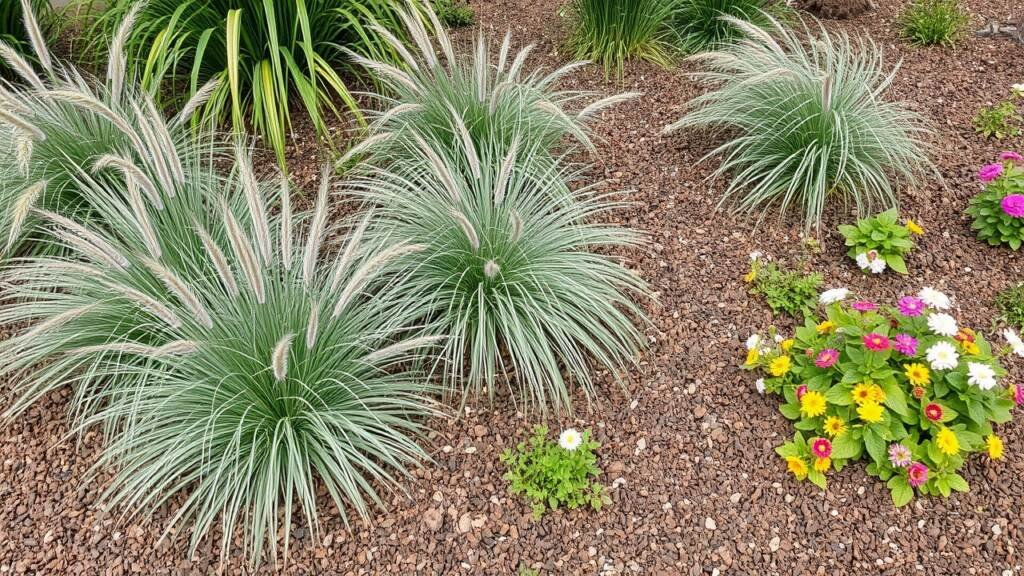
Selecting the right plants is crucial for a thriving landscape in a graded area. Opt for native or well-adapted species that can tolerate the specific soil conditions and drainage patterns of your yard. Consider plants that help with erosion control, especially on slopes, such as ground covers and deep-rooted grasses. Choose plants that will thrive with the amount of runoff that your landscaping may experience. Group plants with similar water needs to optimize irrigation efficiency and avoid overwatering or underwatering. This also ensures proper drainage, preventing water from pooling and promoting a healthy lawn and landscaping project.
Designing Your Landscaping Project
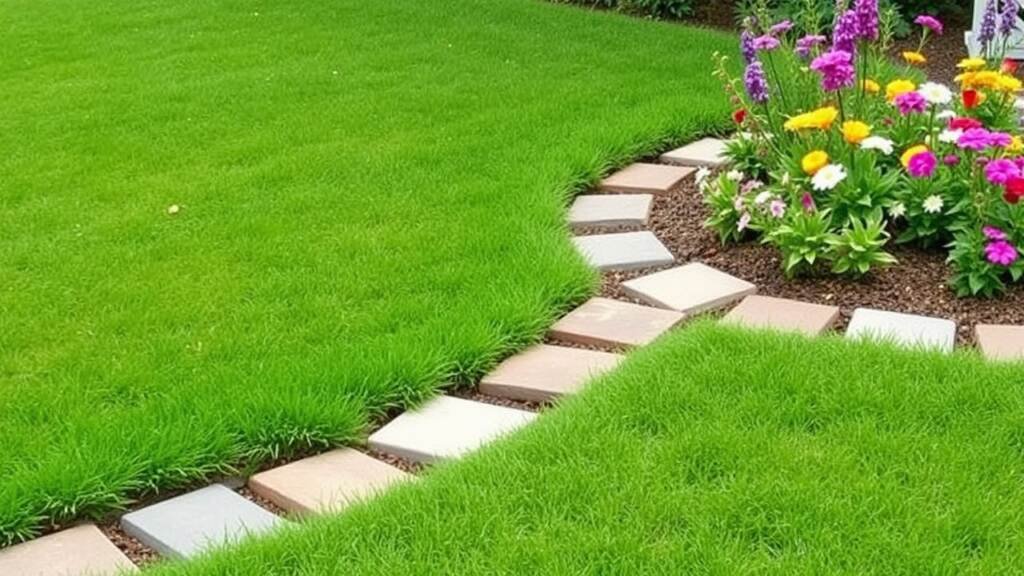
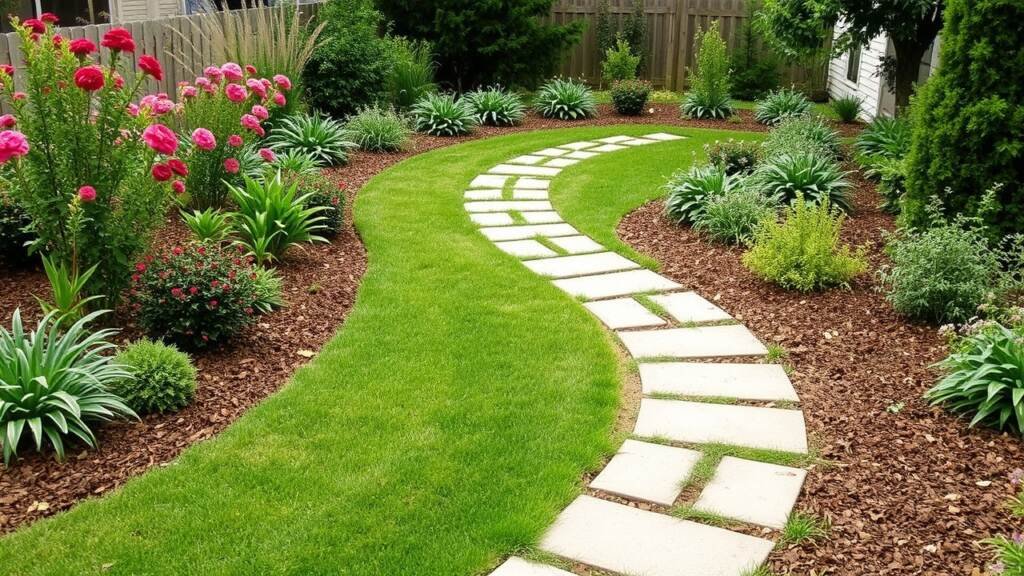
Designing your landscaping project after grading involves creating a cohesive plan that integrates the new grade with your desired aesthetic and functional goals. Start by mapping out the different zones of your yard, considering factors like sun exposure, foot traffic, and views from your home. Incorporate hardscaping elements, such as patios, walkways, and retaining walls, to define spaces and add structure. Consider creating swales or dry creek beds to enhance drainage and add visual interest. Ensure that your landscaping project complements the slope and drainage patterns established during grading, maximizing the beauty and functionality of your outdoor space. It’s best to work with a professional to guarantee your landscape will be properly graded and have proper drainage.