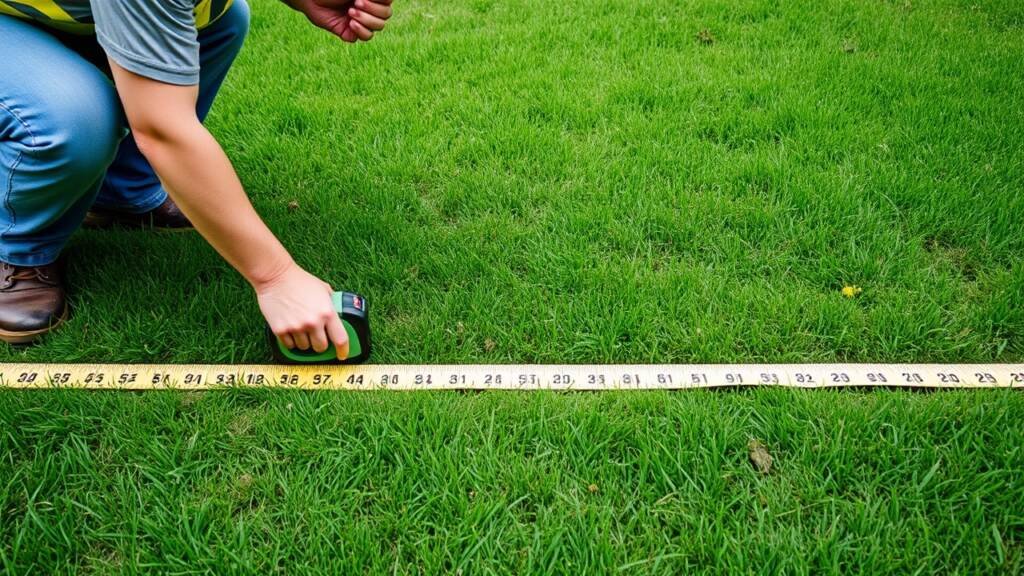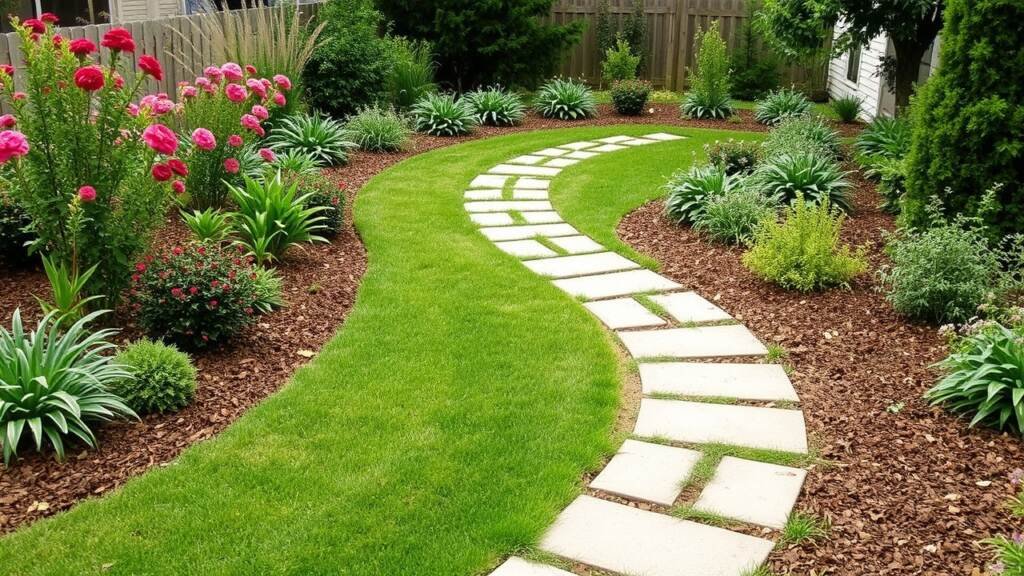
Is standing water turning your lawn into a soggy mess? Proper drainage is essential for a healthy and vibrant landscape. Poor drainage can lead to a host of problems, from lawn diseases and mosquito breeding grounds to damage to your home’s foundation. Fortunately, there are many yard drainage solutions available to address these issues. Whether you’re dealing with minor puddles or major pooling, understanding the causes and implementing effective strategies can dramatically improve drainage in your yard and protect your property.
Understanding Drainage Problems

Understanding drainage problems in your yard is the first step toward finding effective yard drainage solutions. Addressing poor drainage promptly can prevent significant damage and maintain the health of your lawn. The goal is to identify the root causes of water accumulation and implement strategies to manage excess water effectively, ensuring a dry and healthy outdoor space.
Common Causes of Poor Drainage
Poor drainage can stem from several factors. Some of the most common causes include:
- Soil compaction, especially with clay soil, prevents water from infiltrating properly.
- The slope of your yard might direct runoff towards your home’s foundation instead of away from it.
- Improperly installed downspouts can also contribute, causing rainwater to pool near the house.
- Low spots in your yard naturally collect water, exacerbating the problem.
Identifying these common causes is crucial for selecting the appropriate drainage solutions. Compacted soil requires aeration, while slope issues may necessitate landscape adjustments to redirect water flow effectively. Addressing downspouts might involve extending them or installing drainage pipes to carry water away from the home’s foundation.
Identifying Wet Spots in Your Yard
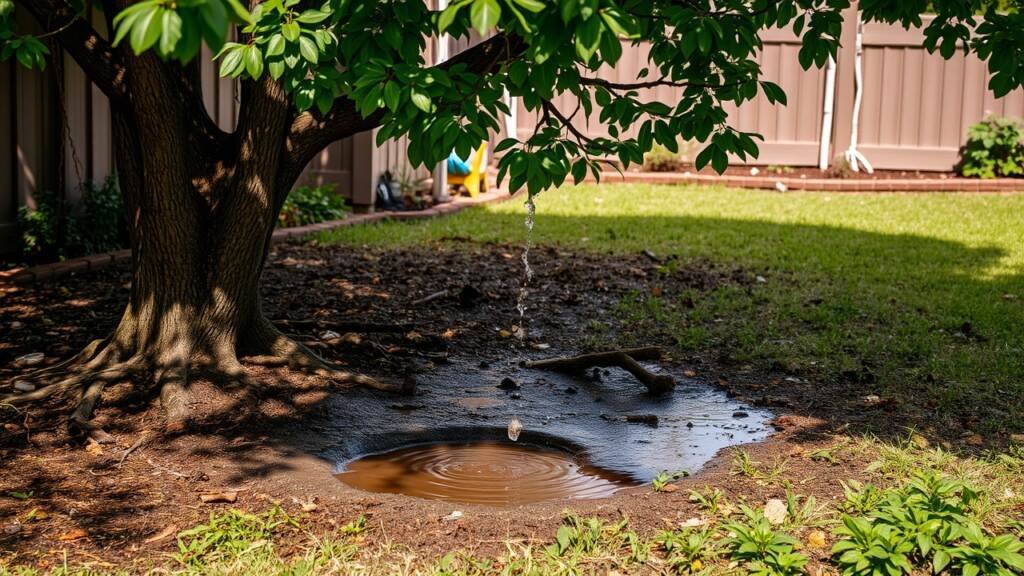
Wet spots are telltale signs of drainage problems. Observe your yard after rainfall to identify areas where water tends to pool or remain soggy long after the rest of the lawn has dried. These wet spots often indicate low spots or areas with compacted soil preventing proper water absorption. Note the location, size, and persistence of these areas. Also, check for water accumulation near your home’s foundation, which can be a major red flag. Identifying these wet spots is vital for diagnosing the underlying causes of poor drainage and determining the best drainage solutions. Addressing these issues promptly prevents further damage and promotes a healthier lawn.
Impact of Poor Drainage on Lawn Health
Poor drainage significantly impacts lawn health. Standing water can suffocate grass roots, leading to weak growth and even lawn death. Soggy conditions also create an ideal environment for fungal diseases and pests. Addressing poor drainage is essential for maintaining a healthy and vibrant lawn. Implementing drainage solutions not only prevents water accumulation but also improves the overall health and appearance of your landscape. By ensuring proper water flow and preventing soggy conditions, you create an environment where grass can thrive, resulting in a lush, green lawn that enhances your property’s beauty.
Evaluating Your Yard Drainage Solutions
Assessing Low Spots in Your Yard
When evaluating yard drainage solutions, it’s crucial to begin with a thorough assessment of low spots in your yard. These low spots are natural collectors of standing water, indicating areas where drainage in your yard is compromised. After rainfall, carefully observe where water tends to pool. Understanding the depth and frequency of water accumulation in these low spots will guide you in selecting the most appropriate drainage solution. Mark these areas for further evaluation, considering factors like soil compaction and the slope of the surrounding landscape. This will help you determine whether you need to aerate your lawn, install a french drain, or implement other drainage methods to improve drainage in your yard.
Benefits of a Dry Creek Bed
A dry creek bed is an attractive and functional drainage solution for managing excess water and enhancing landscape aesthetics. This feature mimics a natural stream, channeling runoff away from problem areas and improving lawn drainage. The primary benefit of a dry creek bed lies in its ability to effectively redirect water flow, preventing water problems such as soggy lawn and standing water. By guiding rainwater through a defined channel filled with gravel and stones, a dry creek bed helps to drain water away from your home’s foundation and other vulnerable areas. Furthermore, it can act as a natural filter, reducing erosion and improving the overall health of your lawn.
Installing a French Drain for Improved Drainage
To improve drainage significantly, consider installing a french drain. This efficient drainage solution involves digging a trench, lining it with fabric, and filling it with gravel and a perforated pipe. The french drain collects excess water and carries it away from problem areas. Ensure the drainage pipe has a slight slope to facilitate water flow effectively. As a homeowner, you’ll find that installing a french drain is a reliable method for addressing poor drainage and preventing water damage to your home’s foundation. Regular maintenance, such as flushing the drainage pipe, will help ensure its longevity and effectiveness in managing water in your yard. A properly installed french drain can transform your yard’s drainage, promoting a healthier, more vibrant landscape.
Effective Ways to Improve Drainage
Aerate Your Lawn for Better Water Flow
One of the most effective ways to improve drainage is to aerate your lawn. Soil compaction, especially with clay soil, prevents water flow and leads to standing water. Aeration involves creating small holes in the soil, which allows rainwater to penetrate more easily. This process helps to break up compacted soil, enabling better drainage in your yard and promoting healthier grass growth. Regularly aerate your lawn to combat poor yard drainage and ensure proper drainage, preventing drainage problems in your yard and creating a more resilient lawn.
Utilizing Downspouts to Redirect Water
Downspouts play a crucial role in drainage in your yard by channeling rainwater away from your home’s foundation. However, if not properly managed, they can contribute to drainage issues by concentrating runoff in specific areas. To improve drainage, extend your downspouts so that they drain water away from the foundation. Consider installing drainage pipes to redirect water flow further away from problem areas. Ensure that downspouts are clean and free of debris to prevent overflow and maintain effective drainage. This is one of the simplest ways to improve drainage and protect your home from water problems.
Creating a Rain Garden for Natural Drainage
A rain garden is an attractive and eco-friendly drainage solution designed to manage runoff and improve drainage. By creating a rain garden, you drain excess water from your lawn into a planted area that filters and absorbs rainwater. This not only reduces standing water and improve drainage in your yard, but also enhances your landscape with native plants. Select a low spot in your yard for your rain garden, ensuring it is away from your home’s foundation. Incorporating a rain garden is one of the most sustainable ways to improve drainage while adding beauty to your property and creating proper drainage.
Maintaining Your Lawn and Landscape
Regular Lawn Care to Prevent Drainage Issues
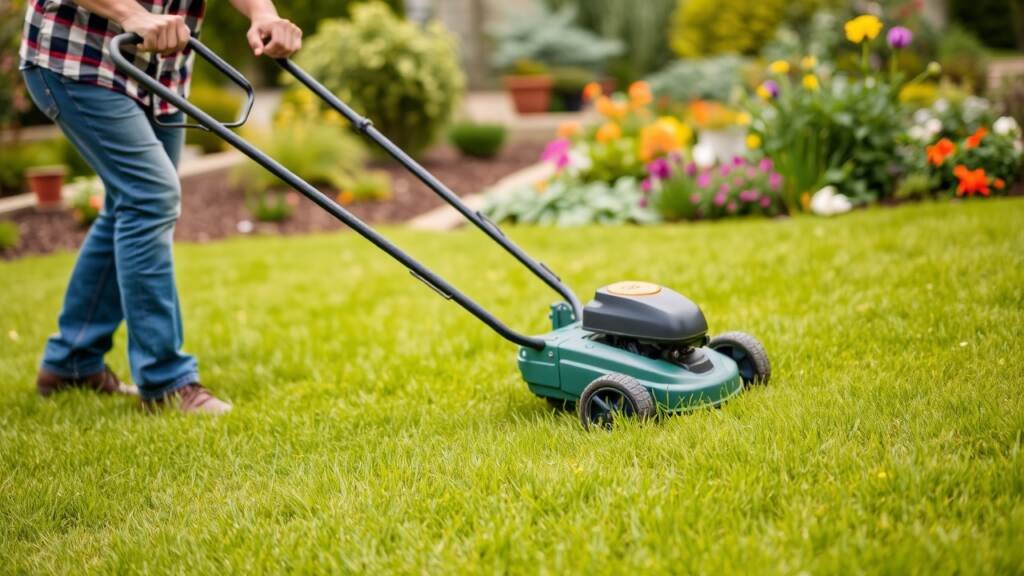
Regular lawn care is essential in preventing drainage issues. Consistent mowing, fertilizing, and weeding promote healthy grass, which in turn improves drainage in your yard. Thatch buildup can prevent proper drainage, so dethatching regularly is crucial. Proper lawn care also helps prevent soil compaction, ensuring that water flow is not impeded. A well-maintained lawn is more resilient and less prone to poor drainage, which can lead to standing water and other drainage problems in your yard. By taking proactive steps, homeowners can create a healthier lawn that effectively manages rainwater.
Monitoring Your Drain System
Regularly monitoring your drainage system is crucial for preventing drainage problems. Check downspouts and drainage pipes for clogs or damage that may impede water flow. Ensure that water is directed away from your home’s foundation and other vulnerable areas. Look for wet spots in your lawn, which can indicate drainage issues. If you notice any signs of poor drainage, such as standing water or soggy areas, address them promptly to prevent further damage. By keeping a close eye on your drainage system, you can catch and resolve drainage problems in your yard early, saving time and money in the long run.
Enhancing Landscape Design to Improve Drainage
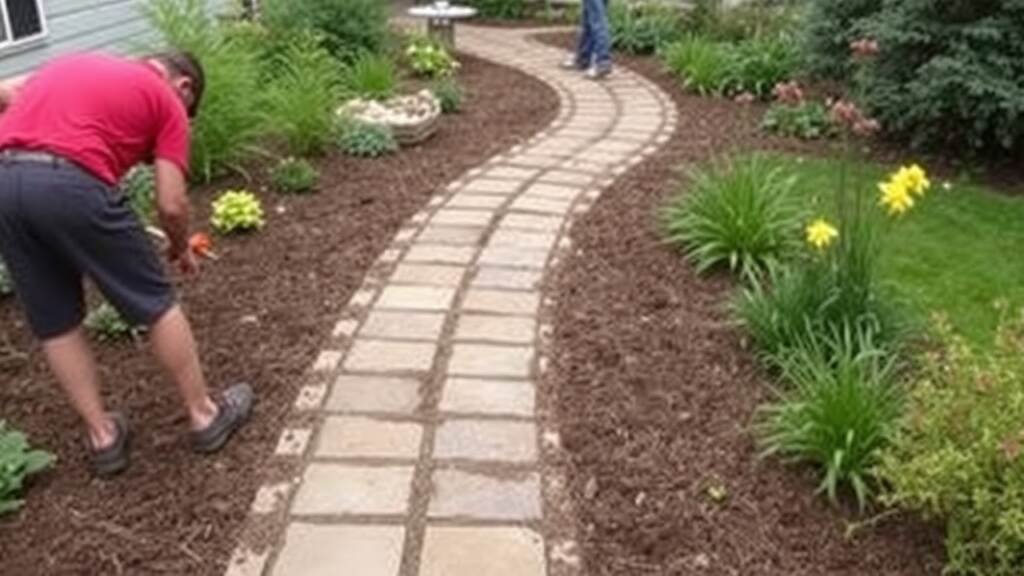
Thoughtful landscape design can significantly improve drainage in your yard. Incorporating features like rain gardens and dry creek beds not only adds aesthetic appeal but also helps manage runoff and improve drainage. Grading the landscape to create gentle slopes ensures that water flows away from your home’s foundation. Choosing native plants that tolerate wet spots and compacted soil can also enhance landscape drainage. By strategically designing your outdoor space, you can create a beautiful and functional landscape that effectively manages excess water and prevents poor yard drainage.
- Smart Irrigation Systems | The Future of Lawn Care by Destiny Landscape
- Top 8 reasons why you should install rain gutters in fall
- Sprinkler System Installation Guide: Installing Your Irrigation System
- Seasonal Landscaping Services – Complete Guide to Year-Round Yard Care
- Commercial Landscaping Tacoma – Professional Maintenance for Businesses