Embark on a journey to transform your lawn with a state-of-the-art sprinkler system. This comprehensive guide is your roadmap to mastering irrigation installation, ensuring lush greenery and a vibrant landscape. Whether you’re aiming for a simple lawn sprinkler system or a complex network, we’ll empower you with the knowledge to achieve professional results. Let’s dive into the essentials of installing an irrigation system!
Understanding Your Irrigation System
Before undertaking sprinkler system installation, grasping the fundamentals of your irrigation system is paramount. A well-planned lawn irrigation system is more than just pipes and sprinkler heads; it’s a carefully engineered network designed to deliver water precisely where it’s needed. Understanding how each component works and interacts is key to efficient water use and a thriving lawn. Careful irrigation planning is the first step in this endeavor.
Components of a Sprinkler System
A typical sprinkler system comprises several key components. These components and their functions can be summarized as follows:
| Component | Function |
|---|---|
| Water Supply Connection | Links the system to the municipal water source or well. |
| Backflow Preventer | Protects the water supply from contamination. |
Other key parts are control valves, often housed in valve boxes, that regulate water flow to different zones; a network of pipes, typically PVC or poly pipe, that distribute water throughout the system; and sprinkler heads, strategically placed to ensure even coverage. Understanding each part is vital for effective sprinkler installation.
Types of Irrigation Systems
There are various types of irrigation systems, each tailored to different needs and landscape designs. Selecting the right type of system ensures efficient water usage and optimal plant health. This selection is an important aspect of system installation. Some common types include:
| System Type | Suitable For |
|---|---|
| Sprinkler systems (pop-up heads) | Lawns |
| Drip Irrigation | Gardens and flowerbeds |
| Micro-sprinklers | Larger garden areas |
Benefits of Installing an Irrigation System
Installing an irrigation system offers numerous benefits, including promoting healthier plant growth, preventing overwatering or underwatering, conserving water, and ultimately lowering your water bills. Furthermore, a properly installed system can increase your property value and enhance your landscape’s aesthetic appeal. For proper irrigation system function, maintain adequate water pressure and be sure to flush the system with water. You may even consider adding a flag at every sprinkler location to mark them.
Some key advantages of irrigation systems are summarized below:
| Benefit Category | Specific Advantage |
|---|---|
| Efficiency | Ensures consistent and efficient watering, saving you time and effort. |
| Financial | Conserves water, ultimately lowering your water bills. |
Preparing for Installation
Assessing Your Landscape Design
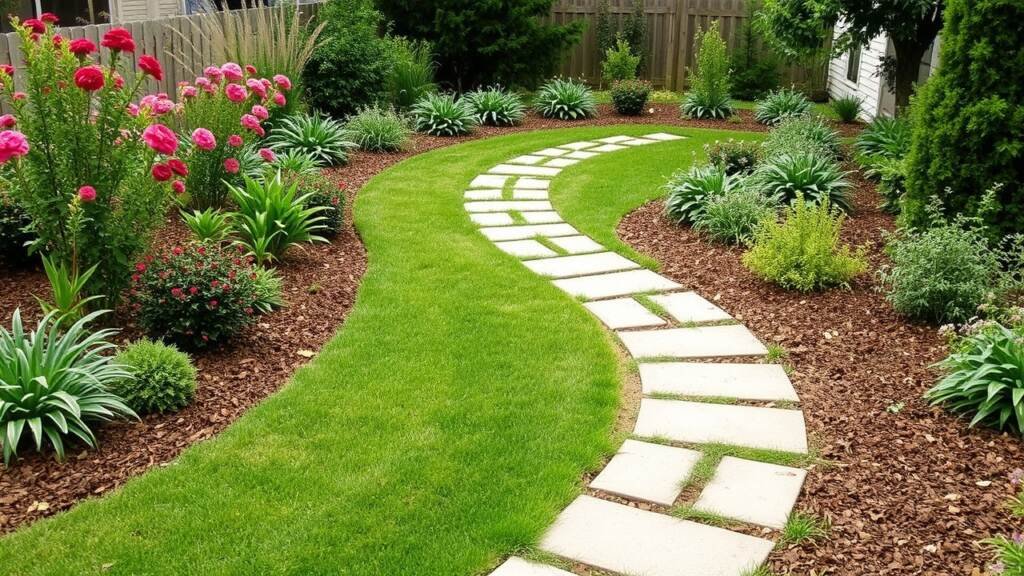
Before you begin installing your sprinkler system, take a comprehensive look at your landscape design. Note the areas that need the most water, such as your lawn and flower beds, and identify any unique challenges like slopes or oddly shaped areas. Consider sun exposure and soil type, as these factors will influence your irrigation planning and choice of sprinkler heads. This assessment is crucial for efficient sprinkler system installation.
Choosing the Right Sprinkler Type
Selecting the right type of sprinkler is essential for effective water distribution. For lawns, pop-up sprinkler heads are a popular choice, providing even coverage. Drip irrigation systems are ideal for gardens, delivering water directly to plant roots. Consider micro-sprinklers for larger garden areas. Ensure that the sprinkler heads you select are compatible with your water pressure and flow rate for optimal sprinkler system performance. Rain Bird is a popular brand of sprinkler head.
Planning Pipe Layout
Careful planning of your pipe layout is key to a successful irrigation system installation. Map out the routes for your pipes, considering the location of your water supply and the areas you need to irrigate. Minimize sharp bends and long runs to maintain optimal water pressure. Plan to install valve boxes at strategic points for easy access to control valves. This detailed planning will streamline the system installation process.
Steps for Installing Your Sprinkler System
Gathering Necessary Materials and Tools
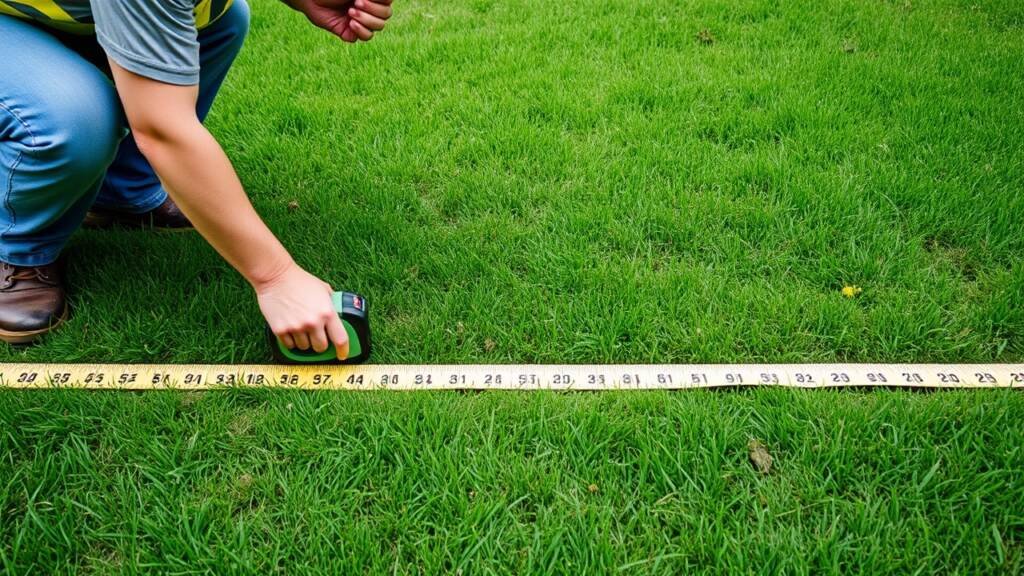
Before starting your sprinkler system installation, gather all the necessary materials and tools. You’ll need PVC or poly pipe, fittings, sprinkler heads, control valves, valve boxes, a backflow preventer, pipe cutters, PVC primer and cement, a shovel or trencher, and measuring tools. Ensure you have all the items on hand to avoid delays during system installation. This comprehensive guide can provide a list of these items.
Installing Pipes and Fittings
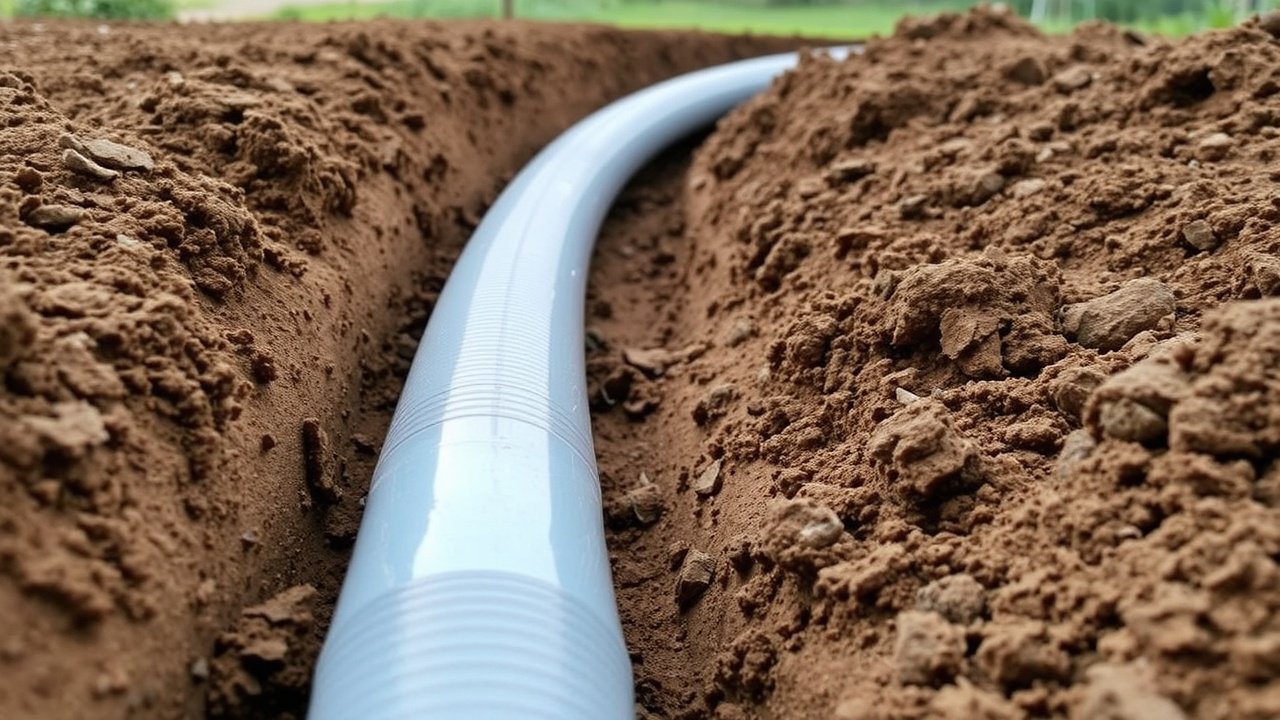
The first step in installing pipes and fittings is to dig trenches along your planned layout. Ensure the trenches are deep enough to protect the pipes from damage. Connect the pipes using appropriate fittings and PVC cement, ensuring a watertight seal. Install valve boxes at designated locations for easy access to the control valves. Remember to flush the system with water to remove any debris after installing the pipes before installing the sprinkler heads.
Setting Up the Sprinkler Heads
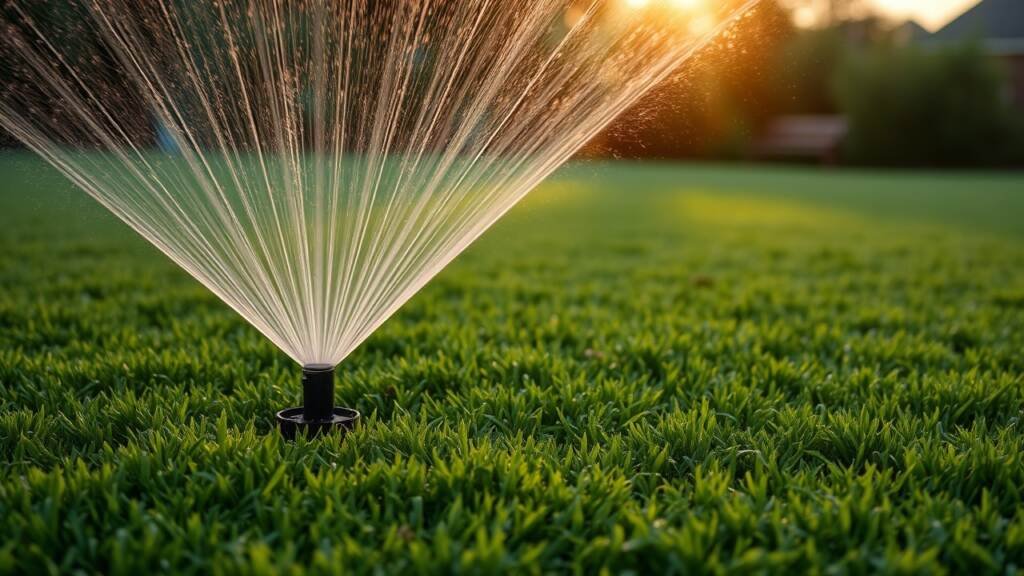
Once the pipes are in place, it’s time to set up the sprinkler heads. Connect the sprinkler heads to the pipes using threaded fittings. Adjust the spray pattern and range of each sprinkler head to ensure even coverage and minimize water waste. Make sure the sprinkler heads are level with the ground to avoid damage from lawnmowers. After system installation, turn on the water and test each zone to ensure proper operation and pressure. Place a flag at every sprinkler location so you can find them easily.
Drip Irrigation System Installation
Understanding Drip Irrigation
A drip irrigation system is a highly efficient method of delivering water directly to the root zone of plants. Unlike traditional sprinkler systems that spray water over a wide area, drip irrigation uses a network of pipes, tubing, and emitters to release water slowly and precisely. This minimizes water waste through evaporation and runoff, making it an environmentally friendly choice for gardens, flowerbeds, and agricultural applications. The components and planning vary between drip irrigation and traditional sprinkler systems.
Components of a Drip Irrigation System
A drip irrigation system consists of several key components. The water supply connects the system to a water source. A filter removes debris to prevent clogs in the emitters. A pressure regulator ensures consistent water pressure throughout the system. Mainlines and lateral lines distribute water to the plants, and emitters release water slowly near the plant roots. Fittings connect all the components together, creating a closed irrigation system.
Installation Steps for Drip Irrigation
To install an irrigation system properly, start by designing the layout, considering plant types and their water needs. Connect the system to the water supply, installing a backflow preventer, filter, and pressure regulator. Lay out the mainlines and lateral lines, securing them with stakes. Install emitters near each plant, ensuring they are properly spaced and deliver the appropriate amount of water. Finally, turn on the water and check for leaks, adjusting the system as needed for optimal performance. Be sure to flush the system with water during the initial system installation.
System Maintenance and Troubleshooting
Regular Maintenance Tips
Regular maintenance is essential for keeping your lawn sprinkler system running efficiently. Periodically inspect sprinkler heads for damage or clogs, and clean or replace them as needed. Check for leaks in pipes and fittings, repairing them promptly to prevent water waste. Adjust sprinkler heads to ensure proper coverage and avoid watering sidewalks or driveways. By following these tips, you can ensure your irrigation system remains in top condition.
Troubleshooting Common Issues
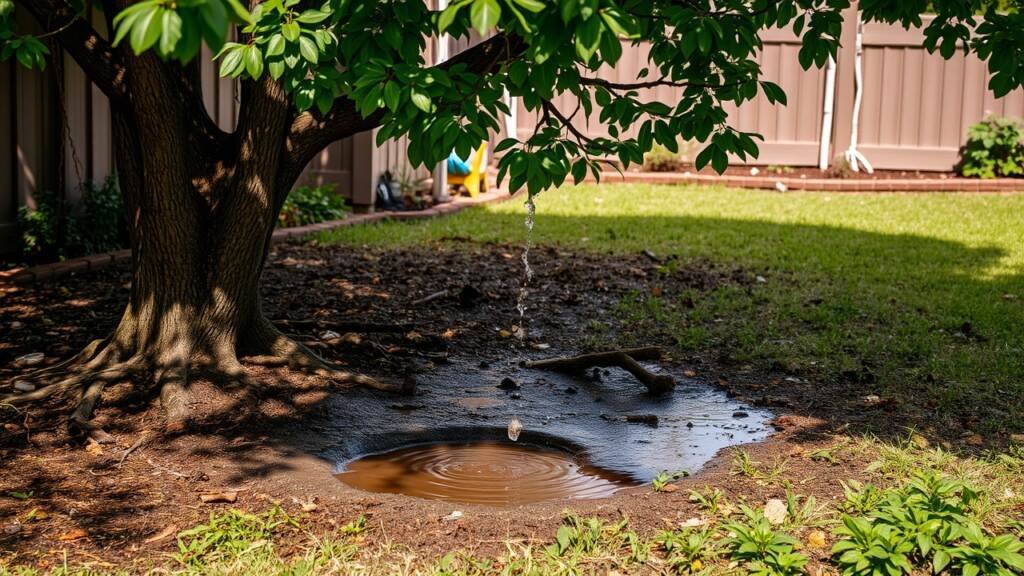
Several common issues can arise with irrigation systems. Low water pressure can result from clogged pipes, a faulty pressure regulator, or inadequate water supply. Uneven watering may be caused by misadjusted sprinkler heads or variations in water pressure. Leaks can occur at pipe connections or sprinkler heads, requiring repair or replacement. Clogs in emitters or sprinkler heads can be resolved by cleaning or replacing the affected components. Addressing these issues promptly will help maintain optimal performance and conserve water.
Enhancing System Efficiency
To enhance your sprinkler system’s efficiency, consider using a smart controller that adjusts watering schedules based on weather conditions and soil moisture levels. Install rain sensors to prevent watering during rainfall. Use drip irrigation for gardens and flowerbeds to deliver water directly to plant roots, minimizing waste. Regularly inspect and maintain your system to identify and address any issues that may reduce its efficiency. You may want to place a flag at every sprinkler location for easy identification.