Embark on a journey to transform your outdoor space into a sustainable oasis with Xeriscaping. This beginner’s guide will walk you through the fundamental principles and benefits of this water-wise landscaping approach. Discover how to create a beautiful landscape that conserves water and reduces maintenance, all while enhancing the natural beauty of your surroundings. Whether you’re a seasoned gardener or a complete novice, Xeriscaping 101 is your key to a thriving, eco-friendly garden.
Understanding Xeriscaping
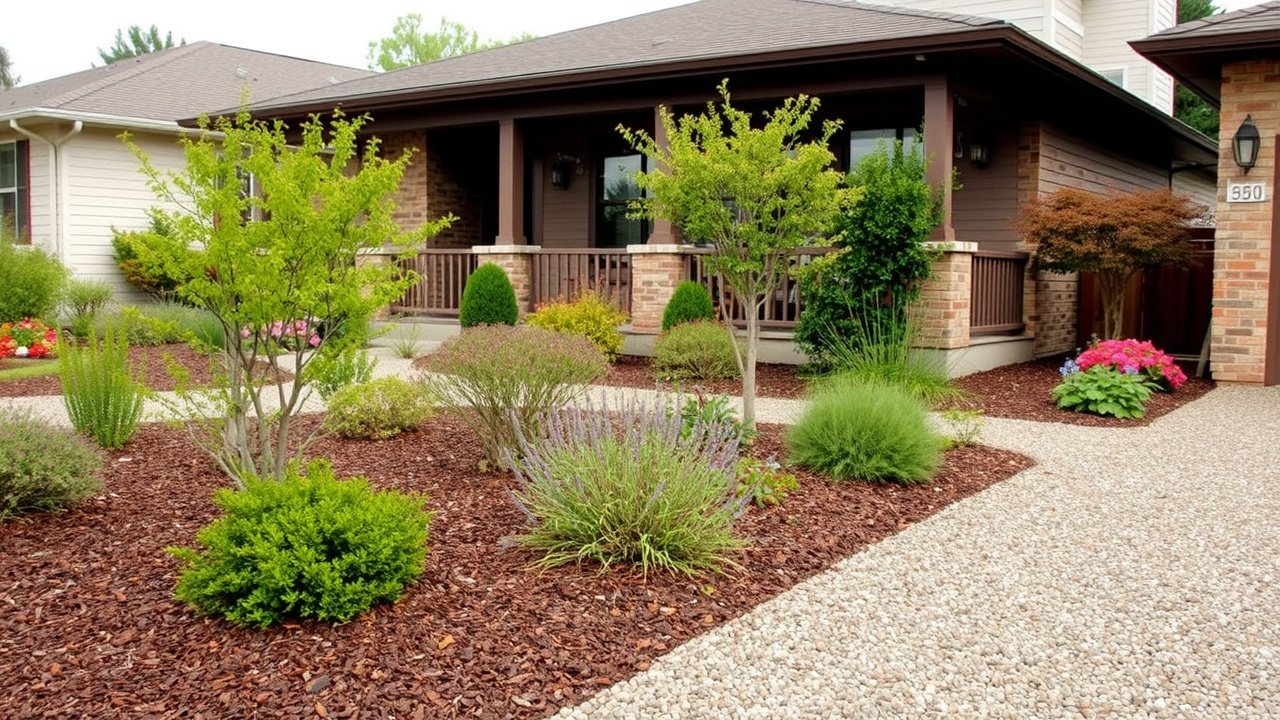
What is Xeriscaping?
Xeriscaping isn’t about eliminating your lawn or creating a cactus garden. It is a landscape design approach that minimizes water use by selecting drought-tolerant plants appropriate for your local climate. It is an efficient way to conserve water while maintaining a beautiful landscape. The term “xeriscaping” comes from the Greek word “xeros,” meaning “dry,” combined with “landscaping.” A well-planned xeriscape garden significantly reduces your reliance on irrigation systems, saving you both time and money.
Principles of Xeriscaping
The principles of xeriscaping are the foundation for creating a water-wise landscape. Begin with careful planning and design, considering how water will flow and be used in your outdoor space. Soil analysis is important to improve water retention. Efficient irrigation is key for a successful xeriscape.
| Principle | Description |
|---|---|
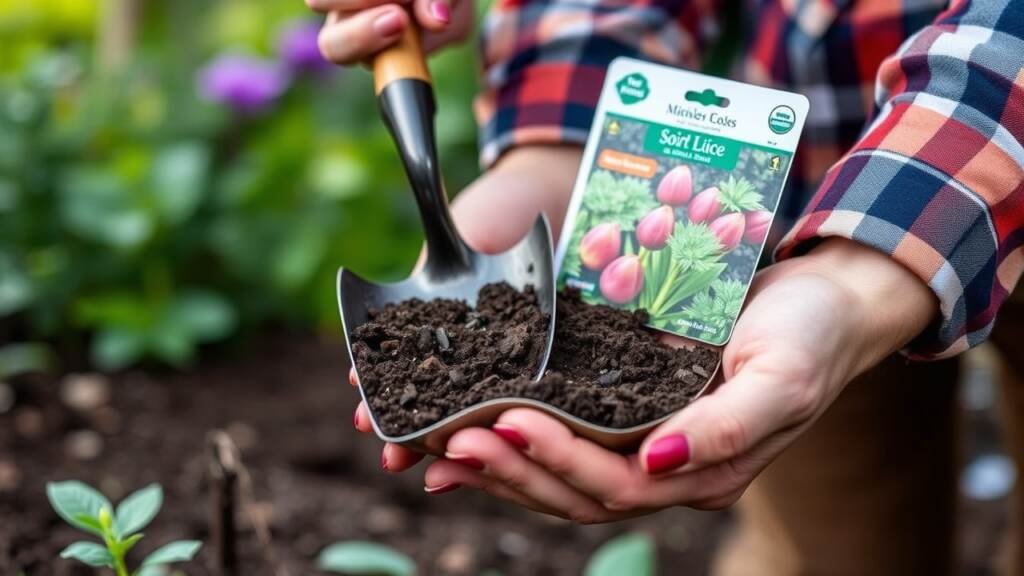
| Soil Improvement | Adding compost and organic matter to improve water retention. |
| Plant Selection | Selecting the right plants, including native and drought-resistant plants, and group plants with similar water needs together. |
Benefits of Xeriscaping
The benefits of xeriscaping extend beyond just saving water. By reducing water use, you’ll see a noticeable decrease in your water bill. Xeriscaped yards require less maintenance, reducing the need to mow grass, weed, and use fertilizers. This approach promotes water conservation and minimizes runoff, benefiting the environment.
| Benefit | Description |
|---|---|
| Reduced Maintenance | Less mowing, weeding, and fertilizer use |
| Environmental Impact | Promotes water conservation and minimizes runoff |
With less water and maintenance required, you will have more time to enjoy your beautiful landscape, and it will be a haven for local wildlife. Embracing drought-resistant plants ensures your garden thrives even during periods of drought.
Xeriscape Planning
Assessing Your Outdoor Space
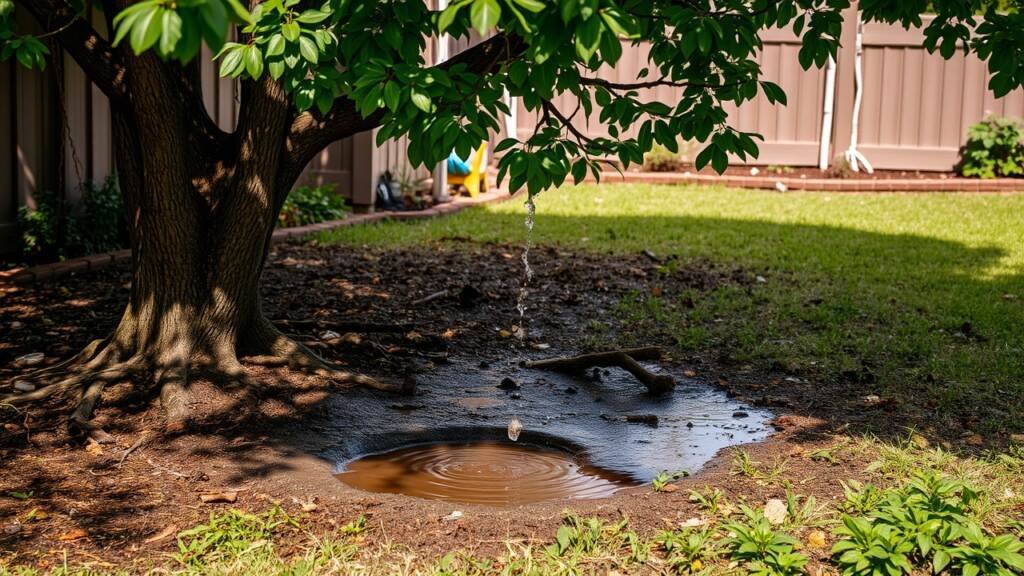
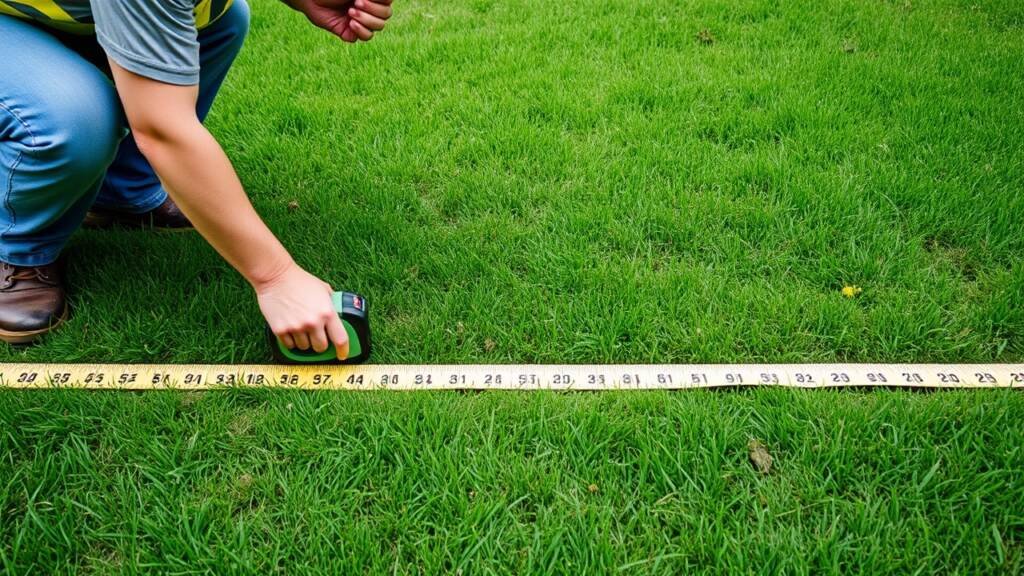
Before diving into xeriscaping, take time to assess your outdoor space. Evaluate the soil type, noting areas that retain water well and those that drain quickly. Observe the amount of sunlight each area receives throughout the day, as this will influence your plant selection. Consider the existing landscape features, such as trees, shrubs, and structures, and how they might impact your xeriscape garden design. Understanding these factors is the first step in creating a successful and sustainable water-wise landscape.
Choosing the Right Plants
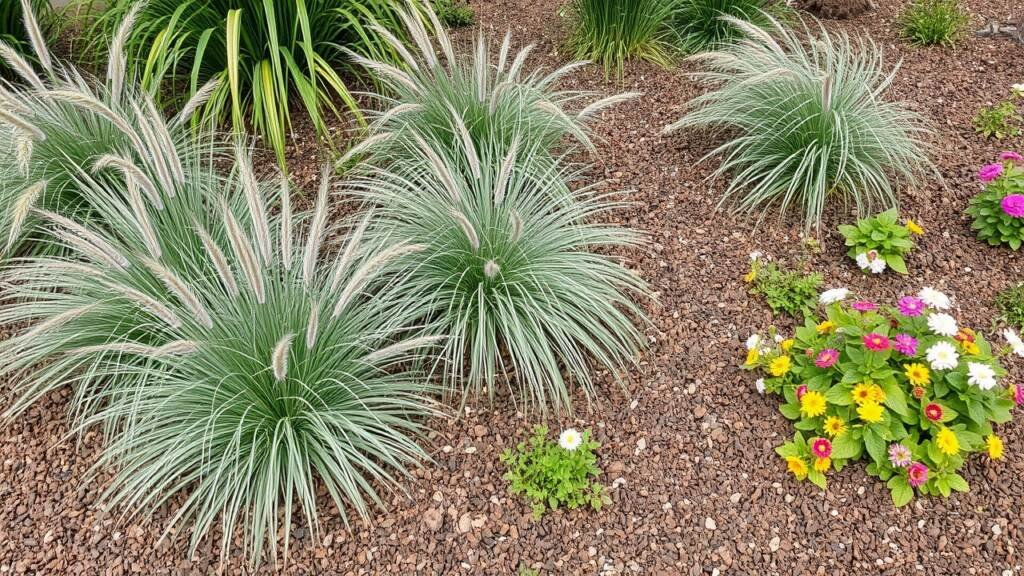
Choosing the right plants is crucial for a successful xeriscape. Opt for native and drought-resistant plants adapted to your local climate. Native plants naturally thrive with less water, reducing the need for supplemental irrigation. Group plants with similar water needs together to conserve water efficiently. Consider factors such as plant size, shape, and color to create a visually appealing xeriscaped yard.
| Plant Type | Benefits |
|---|---|
| Native Plants | Thrive with less water, reducing irrigation needs. |
| Drought-Resistant Plants | Adapted to the local climate. |
By carefully selecting plants, you’ll create a low-maintenance and beautiful landscape that thrives in your region.
Drought-Resistant Plant Selection
Selecting drought-resistant plants is essential for conserving water in your xeriscape garden. These plants are adapted to survive with less water, reducing your reliance on irrigation systems. Look for plants with features like small leaves, waxy coatings, or deep root systems, which help them conserve moisture. Incorporate a variety of drought-tolerant plants to add texture, color, and interest to your xeriscape design. Some succulents and native grasses are excellent choices for creating a low-water landscape.
Creating a Beautiful Landscape
Designing Your Xeriscape Garden
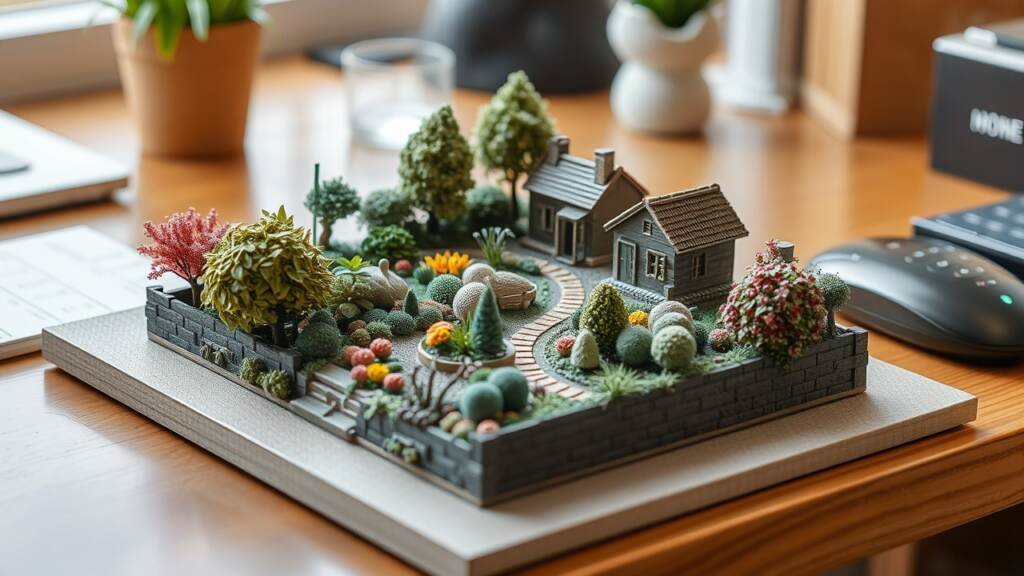
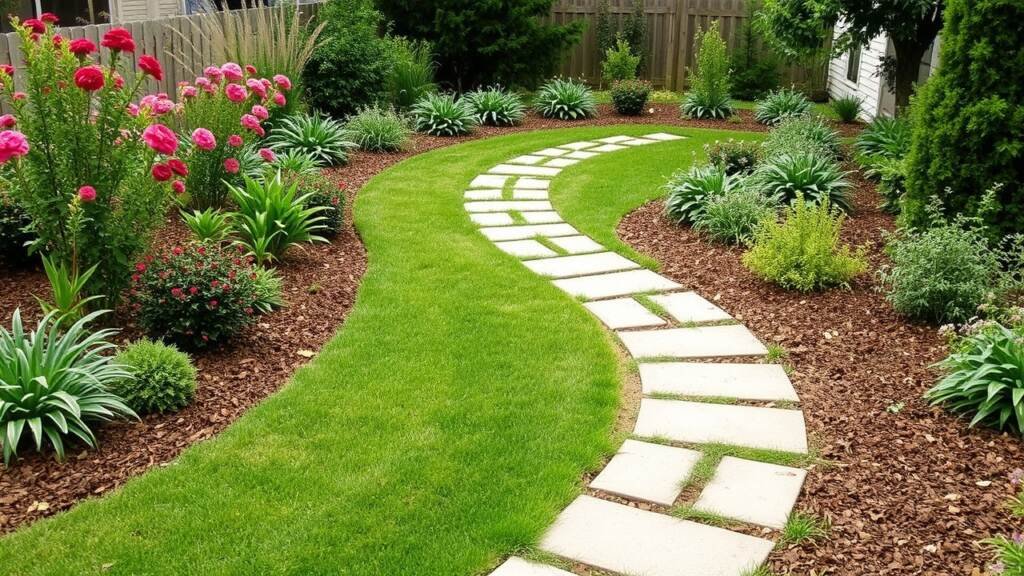
Designing your xeriscape garden involves creating a visually appealing and functional outdoor space that requires less water. Start by considering the overall layout and flow of your xeriscaped yard. Incorporate different textures, colors, and heights by choosing the right plants. Consider how your landscape will look in different seasons and select plants that offer year-round interest. By combining form and function, you can design a xeriscape garden that is both beautiful and water-wise.
Incorporating Hardscaping Elements
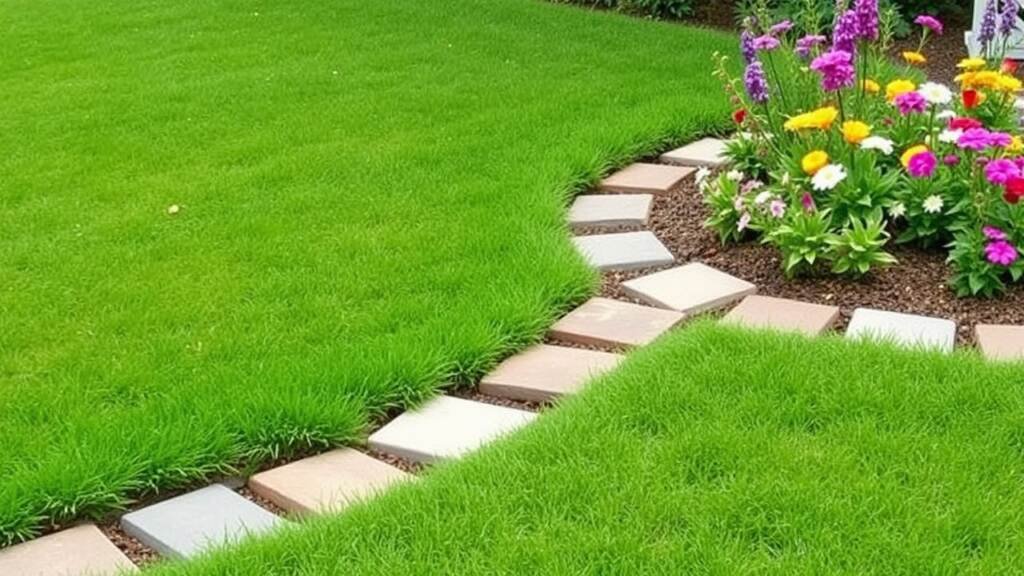
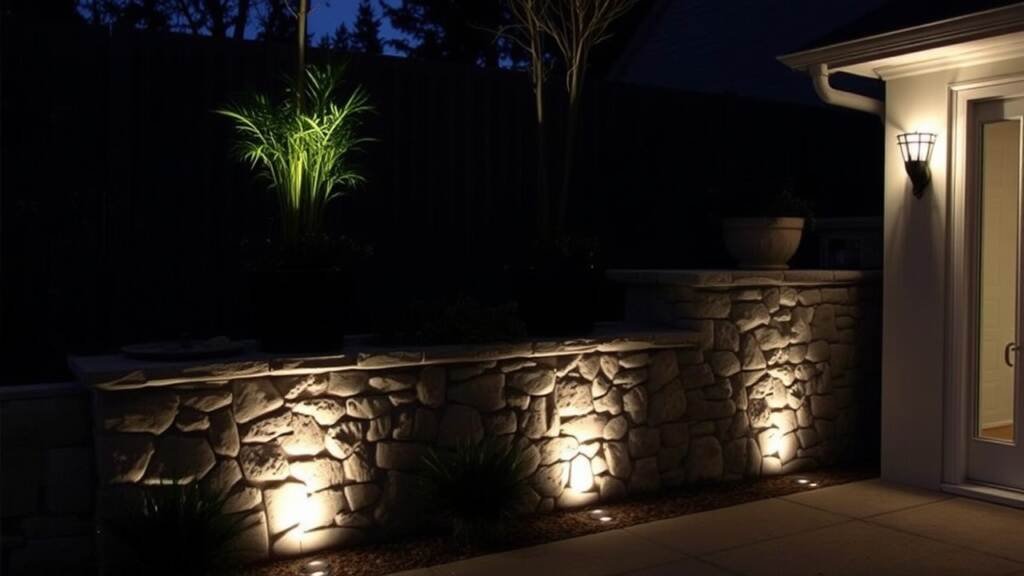
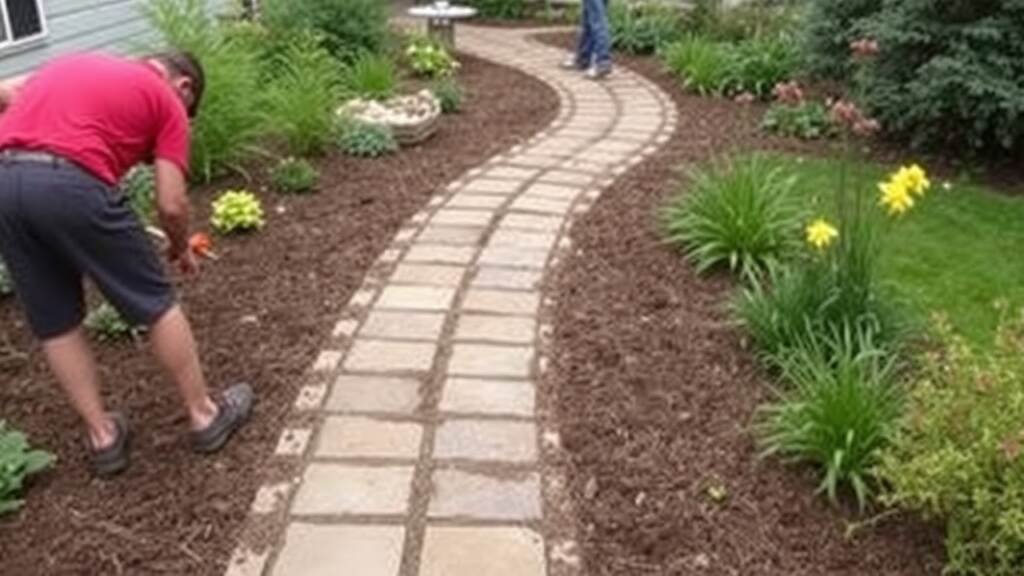
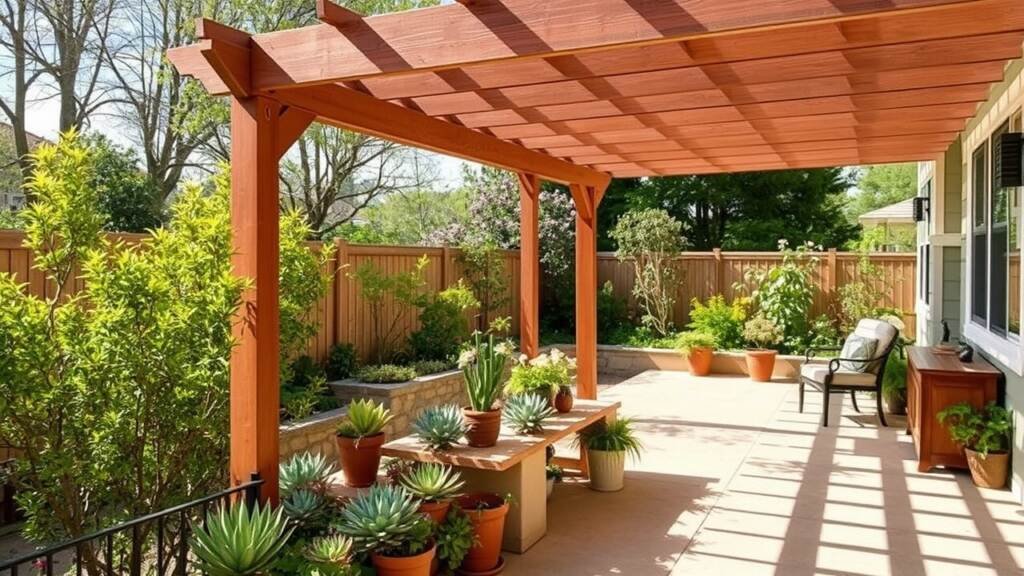
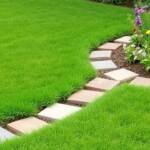
Hardscaping elements play a crucial role in xeriscaping by adding structure, functionality, and visual appeal to your landscape. Patios, pathways, and retaining walls can create defined spaces and reduce the amount of lawn that requires watering. Use permeable materials, such as gravel or pavers, to allow water to infiltrate into the soil. Incorporating rocks and boulders adds natural beauty and helps to conserve water by reducing evaporation. A well-designed hardscape complements your drought-tolerant plants, enhancing the overall aesthetics of your xeriscape garden.
Utilizing Mulch for Water Conservation
Mulch is an essential component of xeriscaping, helping to conserve water and improve soil health. Applying a layer of mulch around your plants reduces evaporation from the soil surface, keeping the soil moist for longer. Mulch also helps to suppress weed growth, reducing the need for herbicides. Organic mulches, such as wood chips or compost, also enrich the soil as they decompose. Choose a mulch that complements the aesthetic of your xeriscape garden while providing optimal water conservation benefits. Ensure that mulch is applied at the right depth to prevent any issues with your drought-resistant plants and help promote healthy growth.
Xeriscape Maintenance
Establishing an Irrigation System
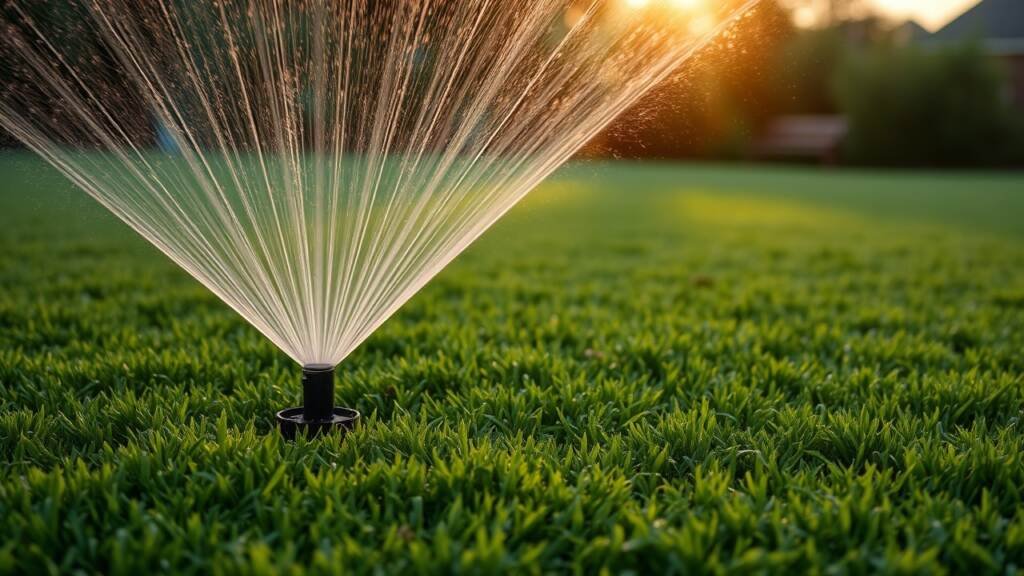
While xeriscaping aims to reduce water use, an efficient irrigation system is still necessary, especially during the establishment phase. Drip irrigation and soaker hoses are excellent choices, as they deliver water directly to plant roots, minimizing water loss through evaporation and runoff. Group plants with similar water needs together to optimize your irrigation schedule. Regularly inspect your irrigation system for leaks or malfunctions to ensure efficient water use. By establishing an irrigation system, you can maintain a healthy xeriscape garden while still conserving water.
Low-Maintenance Practices
One of the significant benefits of xeriscaping is its low-maintenance nature. After plants are established, they require less water, mowing, and weeding. Regularly inspect your xeriscape garden for any signs of pests or diseases and address them promptly. Prune plants as needed to maintain their shape and health. Add compost or organic matter to the soil to improve water retention and fertility. By following these low-maintenance practices, you can enjoy a beautiful xeriscaped yard with minimal effort and ensure the longevity of your drought-tolerant plants.
Seasonal Care for Your Xeriscape Garden
Seasonal care is essential for maintaining a thriving xeriscape garden year-round. In the spring, replenish mulch and fertilize plants as needed. During the summer, monitor water levels and adjust your irrigation schedule accordingly. In the fall, remove dead leaves and debris and prepare your plants for winter. In colder climates, protect sensitive plants from frost and freezing temperatures. By providing seasonal care, you can ensure that your xeriscape garden remains healthy and beautiful throughout the year. Remember to always group plants based on their specific water needs, which will make seasonal care for drought-resistant plants significantly easier.