As the colder months approach, many homeowners believe that their beautiful landscape must fade away until spring. However, with the right winter landscaping tips, your outdoor space can remain a source of visual interest throughout winter. These tips for preparing your garden will help you create a stunning winter landscape that you can enjoy even when covered in snow and ice.
Preparing Your Garden for Winter

Preparing your garden for winter is essential for ensuring the survival and health of your plants, so they can thrive again in the spring. It’s important to take action in late fall to protect plants from frost and prepare them for freezing temperatures. These steps not only safeguard your investment in your landscape design but also contribute to a more vibrant garden when warmer weather returns.
Winter Prep Checklist
Here’s how to create a winter prep checklist to ensure you cover all essential tasks. This often includes focusing on these key areas:
- Pruning trees and shrubs
- Applying a layer of mulch to insulate roots
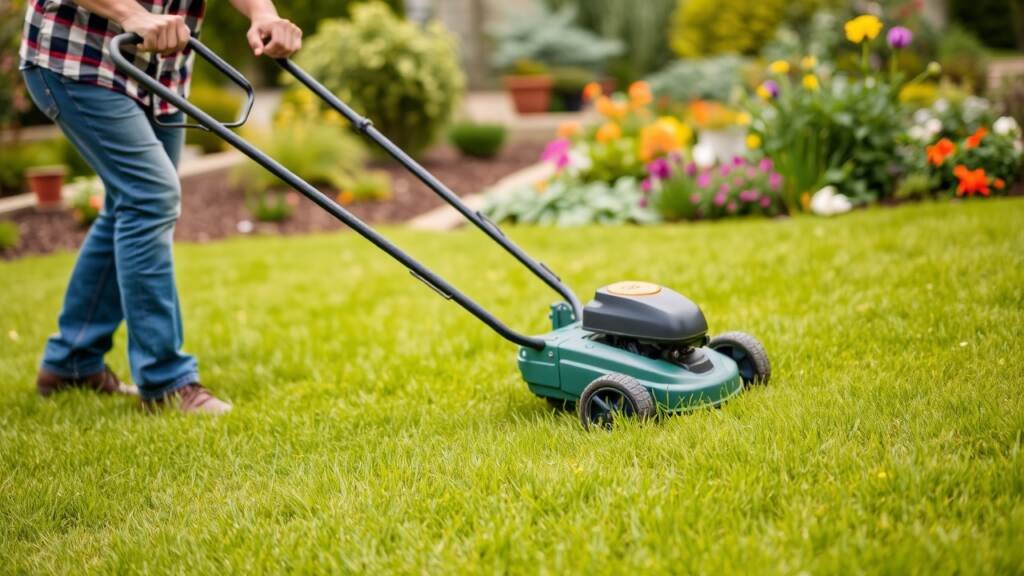
- Ensuring proper lawn care
Pay special attention to perennial plants that need extra protection. Addressing these tasks in a systematic way will significantly improve your cold-climate landscape’s chances of surviving the winter winds.
Protect Your Plants from Frost
Protecting plants from frost involves several key strategies. To shield your plants from the cold, consider the following methods:
- Use frost blankets or burlap to cover sensitive plants, especially annual plants.
- For trees and shrubs, consider wrapping the trunks to prevent frost cracks.
Taking these measures will protect plants and help them withstand the harsh winter frost, particularly important in areas like the Chicago suburbs.
Mulching Techniques for Cold Climates
Here’s how to properly use mulch in the winter garden:
- Applying a thick layer of mulch around the base of your plants insulates roots.
- It also helps in retaining moisture and preventing soil erosion.
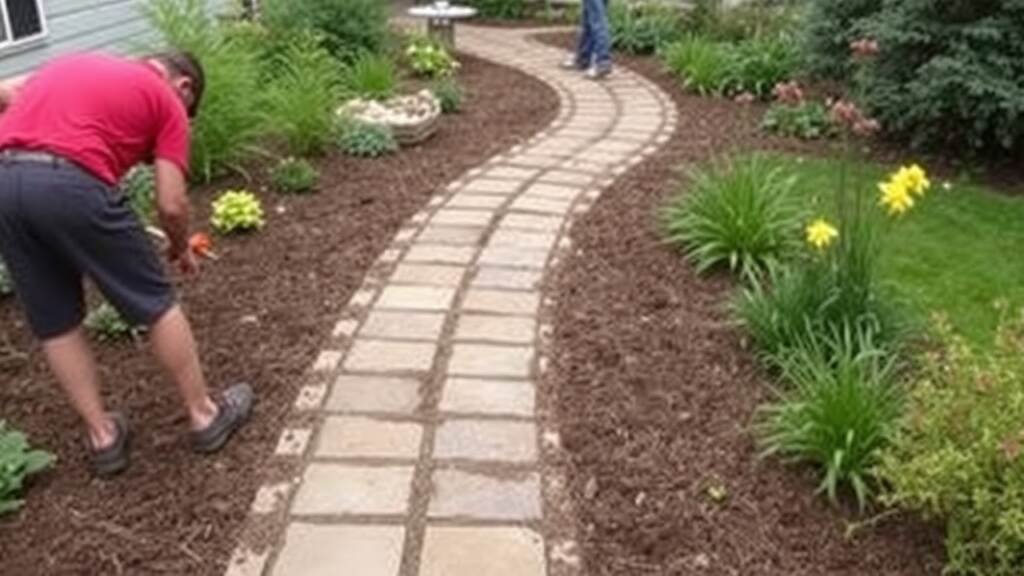
Organic mulch, such as compost, is ideal as it also enriches the soil as it breaks down. Mulch is also great to make sure that your hardscape elements, such as your patio or walkway, are protected.
Winter Landscape Design Elements
Choosing Evergreen Trees and Shrubs
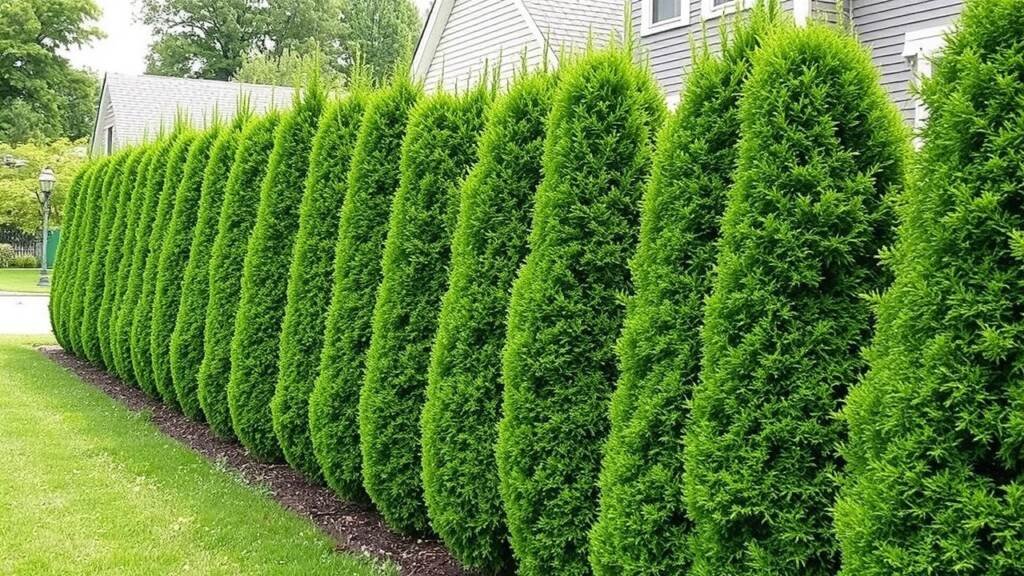
Selecting the right evergreen trees and shrubs is vital for maintaining visual interest in your winter landscape. Unlike annual plants that die back, evergreens offer year-round greenery, providing structure and color during the colder months. Consider incorporating a variety of textures and shapes to enhance your landscape design. Ensure the plants you choose are hardy and will survive the winter winds, particularly in areas prone to frost, such as the Chicago suburbs. Applying fertilizer in the late fall can help to strengthen your shrubs and evergreen trees for the winter season.
Incorporating Ornamental Grasses
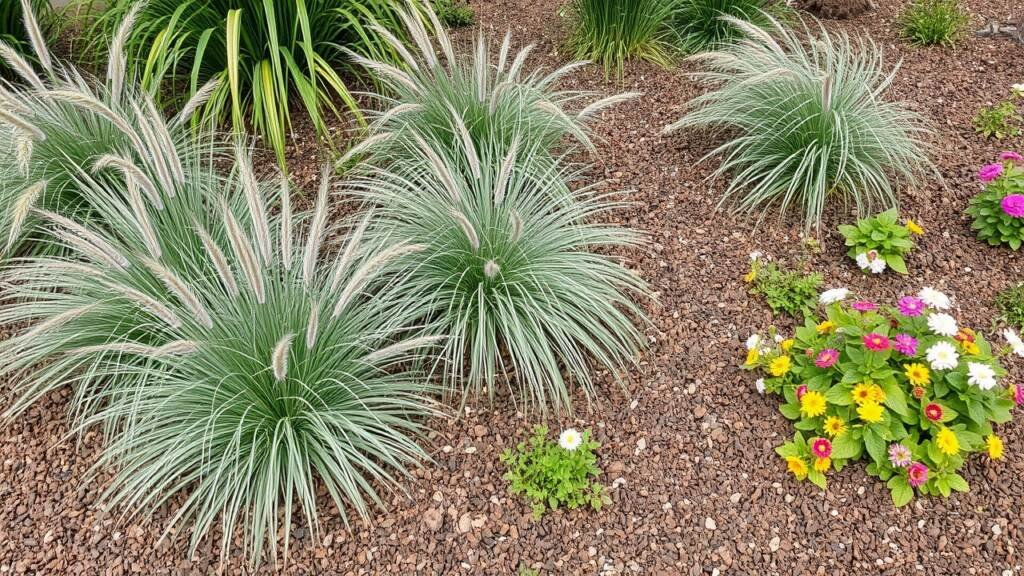
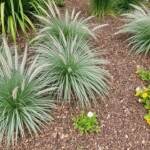
Ornamental grasses can add movement and texture to your winter garden. Many varieties retain their shape and color throughout winter, creating a beautiful landscape even when covered in snow and ice. When preparing your garden, leave the seed heads intact, as they provide food for birds and add visual interest. Prune ornamental grasses in late fall or early spring to encourage new growth. Consider incorporating tips to keep these grasses healthy and beautiful throughout the winter months.
Hardscaping for a Beautiful Landscape
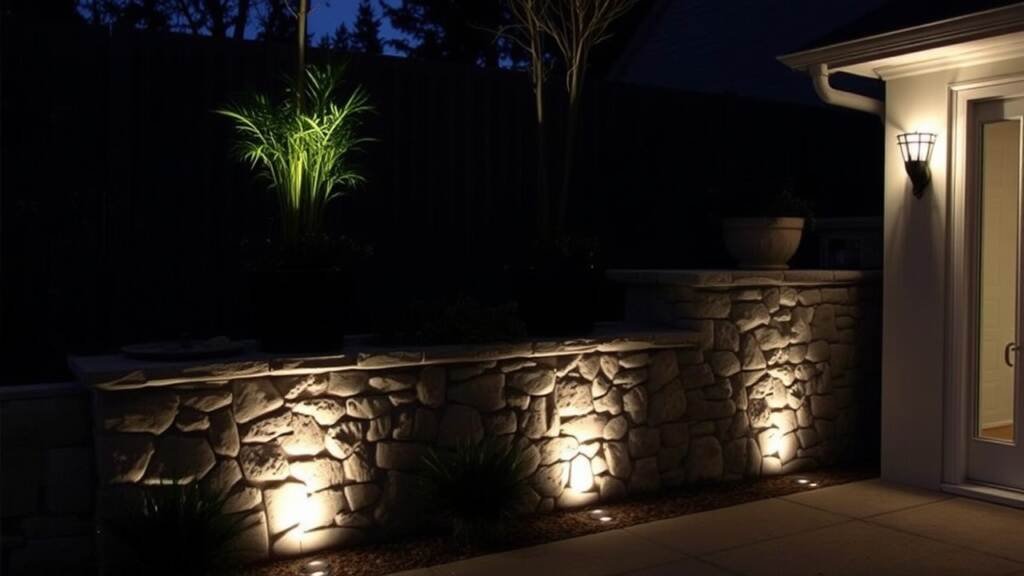
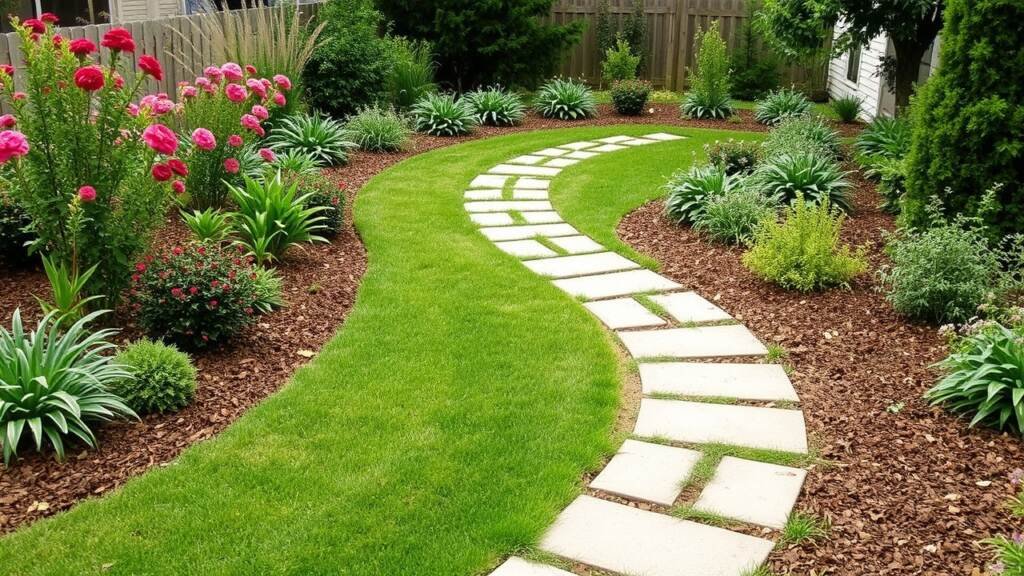
Hardscaping elements, such as patios, retaining walls, and walkways, provide structure and functionality to your outdoor space. In the winter landscape, these features become even more prominent, defining the layout and offering safe passage through the snow. Consider adding outdoor lighting to highlight your hardscape, enhancing its beauty and improving safety. Mulch around hardscape elements, such as a patio, can also help to protect them from frost and ice. Make sure that you choose materials that complement your landscape design and withstand freezing temperatures.
Maintaining Your Winter Garden
Pruning Trees and Shrubs in Winter
Pruning your trees and shrubs in winter is essential for maintaining their health and shape. The colder months offer a great opportunity to prune since the absence of leaves makes it easier to see the branch structure. Always use sharp tools to make clean cuts, which promote faster healing and reduce the risk of disease. Winter pruning also encourages vigorous growth in the spring, ensuring your plants remain healthy and beautiful.
Managing Snow and Ice Accumulation
Managing snow and ice accumulation is critical for both the safety of your winter landscape and its aesthetic appeal. Use ice melt products sparingly to avoid damaging your plants and hardscape elements. Clear walkways and patios to prevent accidents. Protect plants from heavy snowdrifts by gently brushing off excess snow. These tips to keep your outdoor space safe and attractive throughout winter will make it more enjoyable.
Creating Texture and Movement in Your Landscape
Creating texture and movement in your landscape adds visual interest during the colder months. Incorporate ornamental grasses that sway in the winter winds, or use evergreen trees with varying needle textures. Consider adding hardscaping elements such as stone pathways or water features that become sculptural when covered in snow and ice. This winter landscape design will transform your garden into a dynamic work of art, even in the depths of winter.
Enhancing Outdoor Spaces in Winter
Designing Functional Hardscape Elements
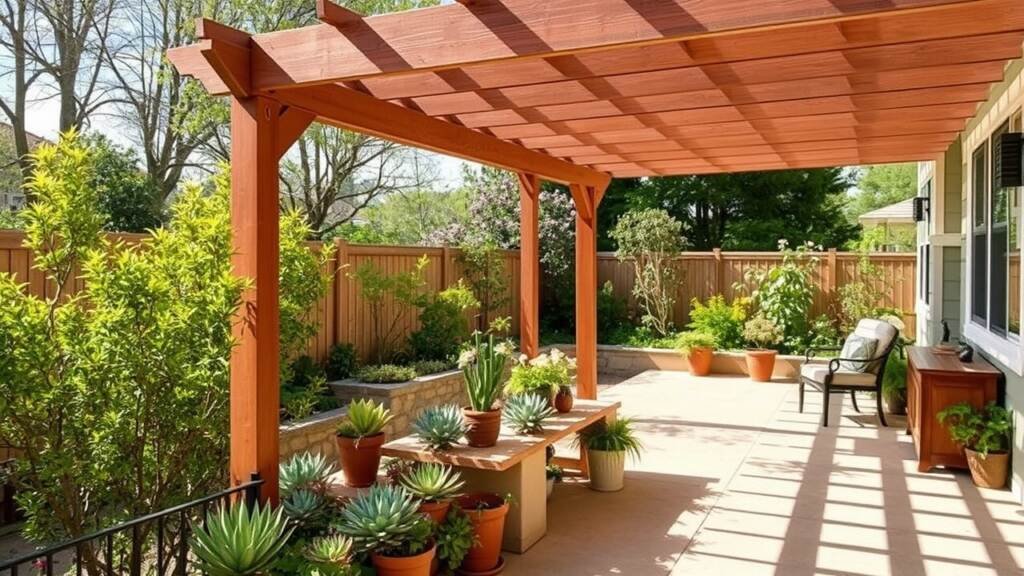
Designing functional hardscape elements enhances your outdoor space, making it usable even in winter. A well-designed patio can become a cozy retreat with the addition of a fire pit or outdoor lighting. Ensure walkways are clear and safe with proper snow removal and ice melt. Using materials that complement your landscape design and withstand freezing temperatures is also key. This way, your hardscaping will be both beautiful and practical throughout winter.
Utilizing Perennials for Winter Interest
Utilizing perennials that offer winter interest is a great way to add color and texture to your winter garden. Some perennials retain their foliage or seed heads throughout winter, providing visual appeal. Consider plants with colorful bark or berries to brighten up the landscape. With the right perennials, your garden can remain a vibrant and attractive space even during the colder months, enhancing your landscape design.
Cold-Climate Landscape Considerations
When designing a cold-climate landscape, several factors must be considered to ensure the survival and beauty of your plants. Choose hardy trees and shrubs that can withstand freezing temperatures and winter winds. Applying a layer of mulch to insulate roots is essential, as is protecting plants from frost. Regular lawn care and fertilizing in late fall can also help prepare your garden for winter, ensuring it remains healthy and vibrant when spring arrives.