Welcome to your ultimate guide to Texas landscape design! Crafting a great landscape is about more than just planting; it’s about creating an outdoor space that reflects your style and thrives in the unique Texas climate. Whether you’re dreaming of a serene patio or a vibrant front yard, we’re here to help.
Understanding Texas Landscape Design
What is Landscape Design?
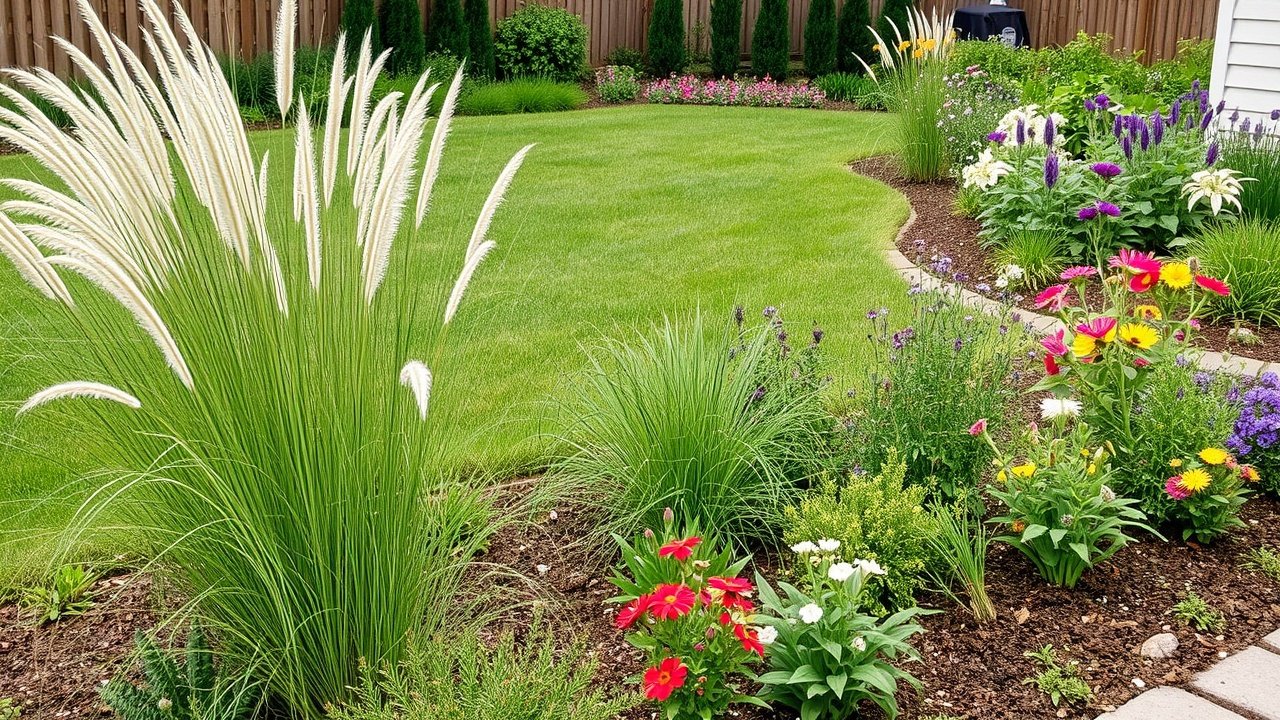
Landscape design is the art and science of arranging and modifying features of a landscape for aesthetic or practical reasons. A well-thought-out landscape plan considers everything from plant material selection to the placement of water features, creating a harmonious and functional outdoor environment.
Importance of Residential Landscape
A well-designed residential landscape significantly enhances curb appeal and property value, making it an essential investment for any homeowner. By focusing on outdoor space enhancement, you not only create a more beautiful home but also increase its market value. Transform your outdoor area into a stunning showcase with thoughtful landscape design.
Key Elements of Texas Landscape
Here are some key elements to consider when designing a Texas landscape:
- Drought-tolerant planting
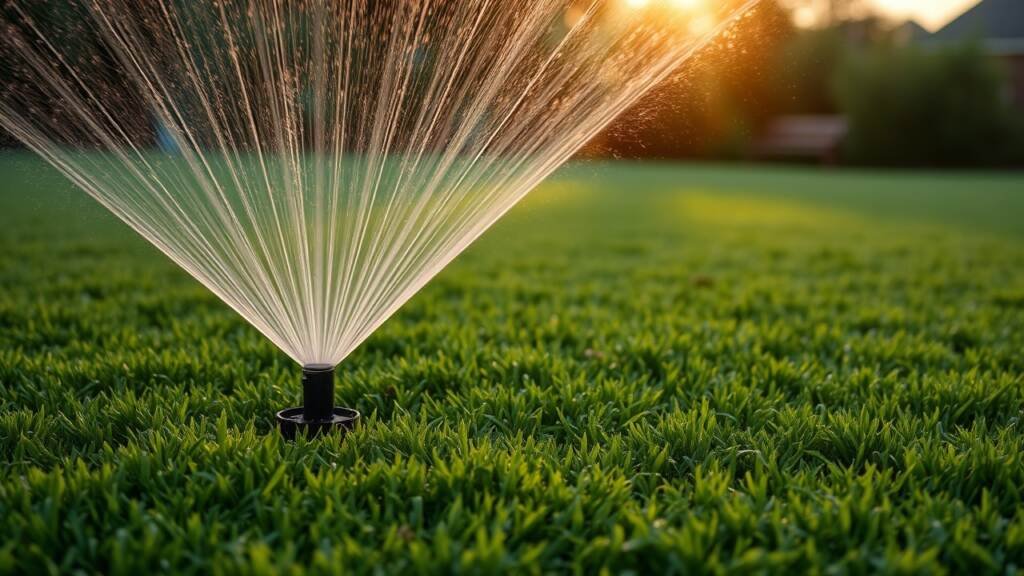
- Efficient irrigation
- Strategic use of mulch to conserve water
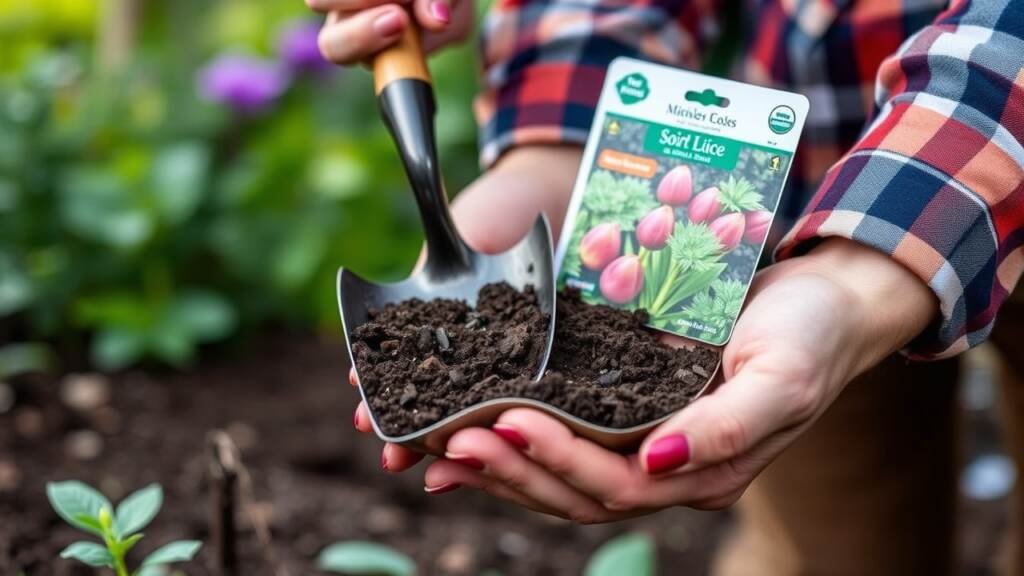
Incorporating native plants and understanding the specific soil conditions of North Texas are crucial for a sustainable and beautiful residential landscape.
Choosing the Right Landscape Style
Popular Landscape Styles in Texas
Popular landscape styles in Texas range from the classic Texas Hill Country look, featuring native stone and drought-resistant plants, to modern designs with clean lines and water-wise landscaping. Choosing the right landscape style involves considering your personal taste and your home’s architectural style.
Factors to Consider When Choosing a Style
When selecting a landscape style, several factors deserve careful consideration. These include:
- Your budget
- The amount of maintenance you’re willing to undertake
- The existing landscape
Also, think about how you plan to use the space, whether it’s for entertaining, relaxing, or creating a play area for children.
Combining Styles for Unique Designs
Don’t be afraid to combine different landscape design ideas to create a unique and personalized design. A skilled landscape designer can help you blend elements from various styles to create a cohesive and visually appealing outdoor space that reflects your individual taste and enhances your home’s curb appeal.
Planning Your Front Yard
Essential Features for Front Yard Landscaping
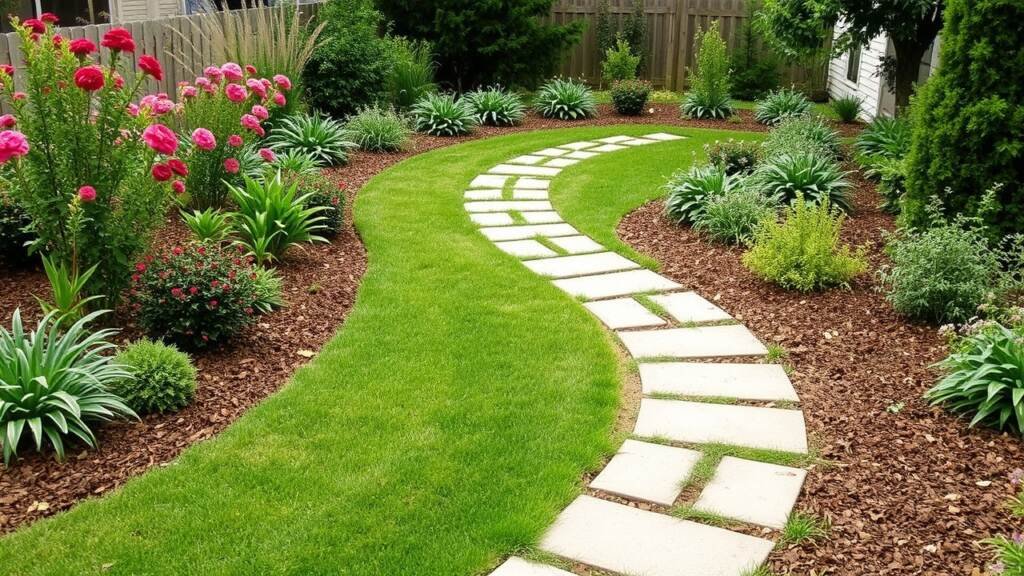
When planning your front yard landscaping, focus on essential features that enhance both functionality and aesthetics. Start with a well-defined walkway leading to your front door, complemented by carefully selected plant beds filled with the right plants. Incorporate elements like decorative stones or a small water feature to add visual interest.
Boosting Curb Appeal
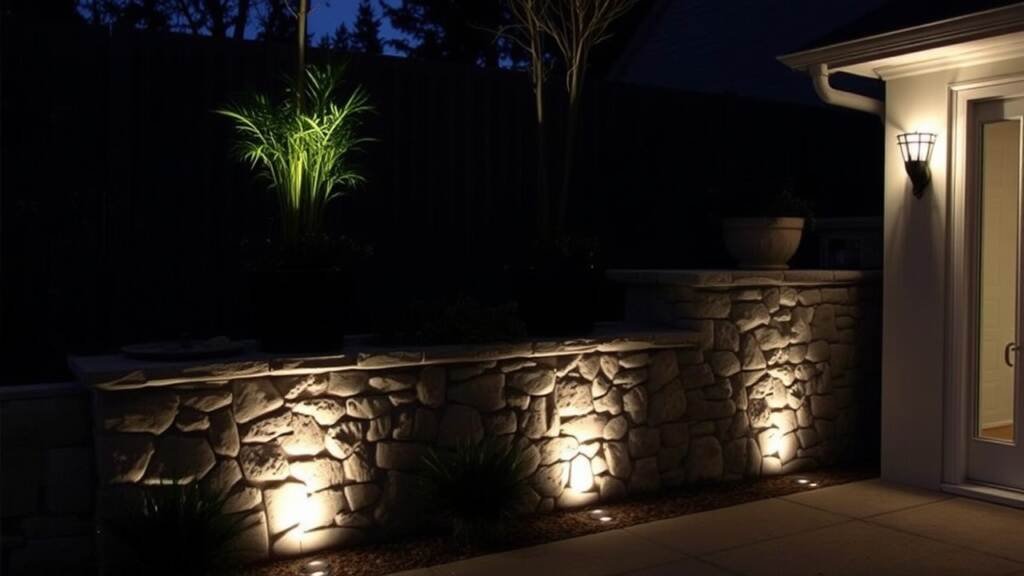
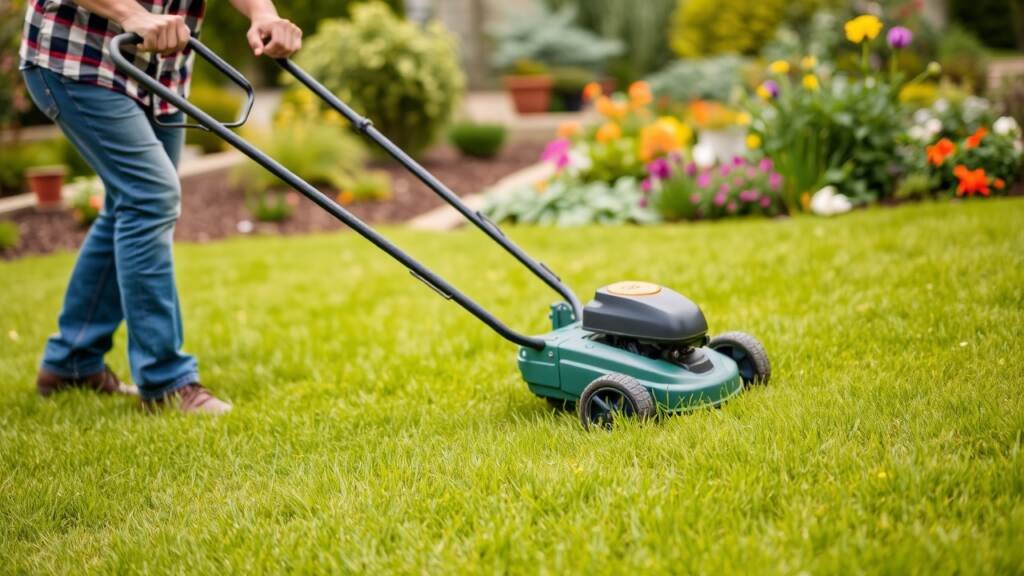
Homeowners often aim to boost curb appeal and property value through front yard landscaping. Enhancing your outdoor space is a great way to improve curb appeal. Consider adding vibrant shrubs and colorful plantings to create an inviting entrance. A well-maintained lawn and thoughtfully designed landscape lighting can also make a significant impact.
Creating Focal Points in the Front Yard
To create focal points in your front yard, consider incorporating statement trees, unique sculptures, or eye-catching water features. Strategic placement of these elements will draw the eye and add character to your landscape. Use a mix of textures and heights in your plantings to create depth and visual interest, enhancing your Texas landscape.
Working with a Landscape Designer
Benefits of Hiring a Landscaping Company
Hiring a professional landscaping company like Destiny Landscape provides several advantages for both homeowners and commercial property owners. Specifically, a landscaping company offers expertise in key areas, including:
- Landscape design
- Plant selection
- Design and installation
This ensures a cohesive and sustainable landscape. Ultimately, working with a trustworthy local landscaping expert can transform your outdoor vision into reality.
Questions to Ask Your Landscape Designer
Before hiring a landscape designer, ask about their experience with North Texas landscapes, their design process, and their approach to sustainability. Inquire about their portfolio and references to gauge their style and quality of work. Clear communication from the start ensures the design team aligns with your vision for the landscape plan.
Understanding Design and Installation Processes
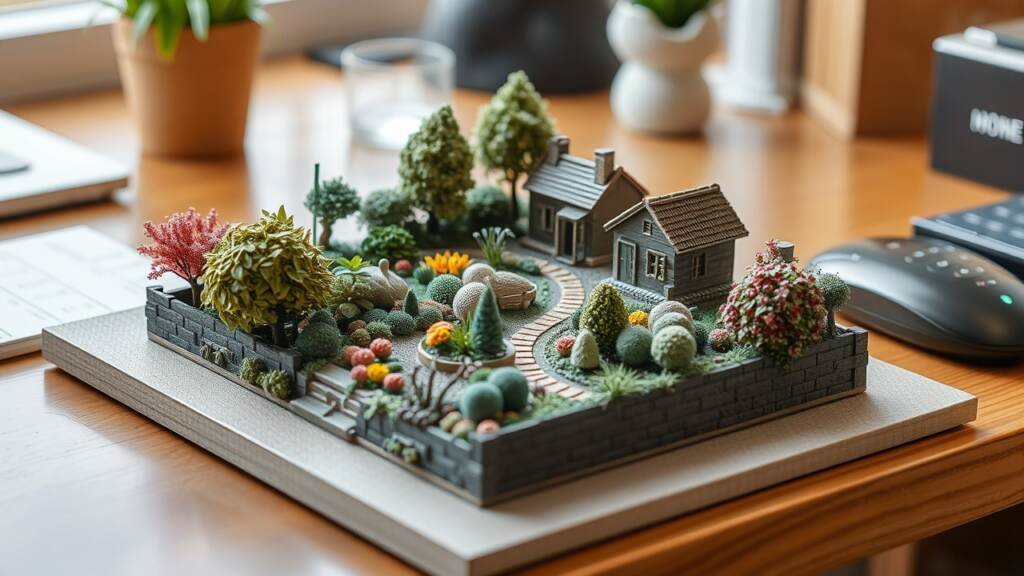
Understanding the design and installation processes is crucial for a successful landscaping project. The landscape plan begins with a design consultation to discuss your needs and preferences. The landscape designer will then create a detailed landscape plan, followed by the installation phase, which includes site preparation, planting, and irrigation system setup.
Incorporating Water Features
Types of Water Features for Residential Landscapes
Various types of water features can enhance a residential landscape, ranging from small fountains to large ponds. Consider a bubbling rock fountain for a natural look, or a formal water feature for a more elegant design. The sound of water adds tranquility and can also attract local wildlife to your property.
Design Considerations for Water Features
When incorporating a water feature, consider the size of your yard, the existing landscape, and the overall landscape style. Ensure the water feature complements your home’s architecture and enhances the surrounding landscape. Proper placement is key to maximizing the aesthetic and functional benefits of the water feature.
Maintenance Tips for Water Features
Regular maintenance is essential to keep your water feature looking its best. Clean the water feature regularly to prevent algae growth and remove debris. Check and maintain the pump and filtration system to ensure proper operation. Adding aquatic plants can also help maintain water quality and add visual appeal to the water feature.
Selecting the Right Plants

Best Plants for North Texas Landscapes
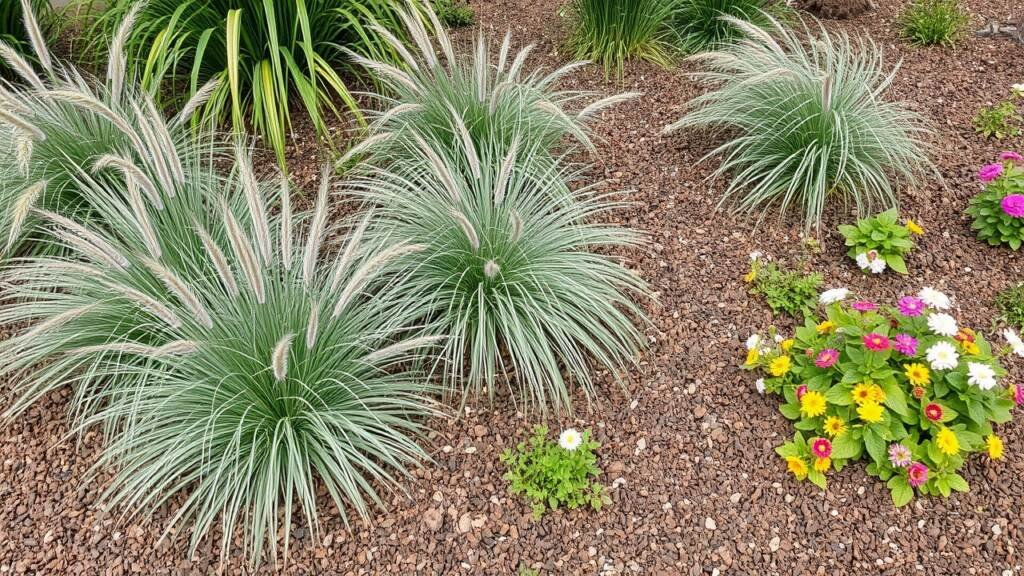
Choosing plants adapted to the local climate is essential for a thriving landscape, particularly in North Texas. The right plants will not only survive but flourish, requiring less water and maintenance. Consider native Texas plants like Texas Sage, lantana, and ornamental grasses for resilient planting.
Planting Around Trees
Careful planning is needed when planting around trees to avoid damaging their root systems and making sure the plantings survive. Select plants that complement the tree’s needs in terms of sunlight and water. Use mulch to protect the root zone and retain moisture for both the tree and under planting.
Using Shade Trees for Outdoor Spaces
Shade trees are excellent for creating comfortable outdoor spaces in the hot Texas climate. Consider native trees like the Texas Red Oak or pecan for their shade and beauty. Position these trees strategically to provide shade for patios, walkways, or other outdoor living areas, enhancing the residential landscape.
Landscaping Ideas for Outdoor Living
Creating Functional Outdoor Spaces
A goal is beautiful, functional, and easy-to-maintain outdoor spaces.
Creating functional outdoor spaces starts with understanding how you want to use your yard. Design a space that accommodates your lifestyle, whether it’s for entertaining, gardening, or simply relaxing. A well-designed landscape plan integrates various elements to create a cohesive and enjoyable outdoor living area that enhances the residential landscape.
Incorporating Hardscaping Elements
Hardscaping solutions include patios, walkways, and outdoor features.
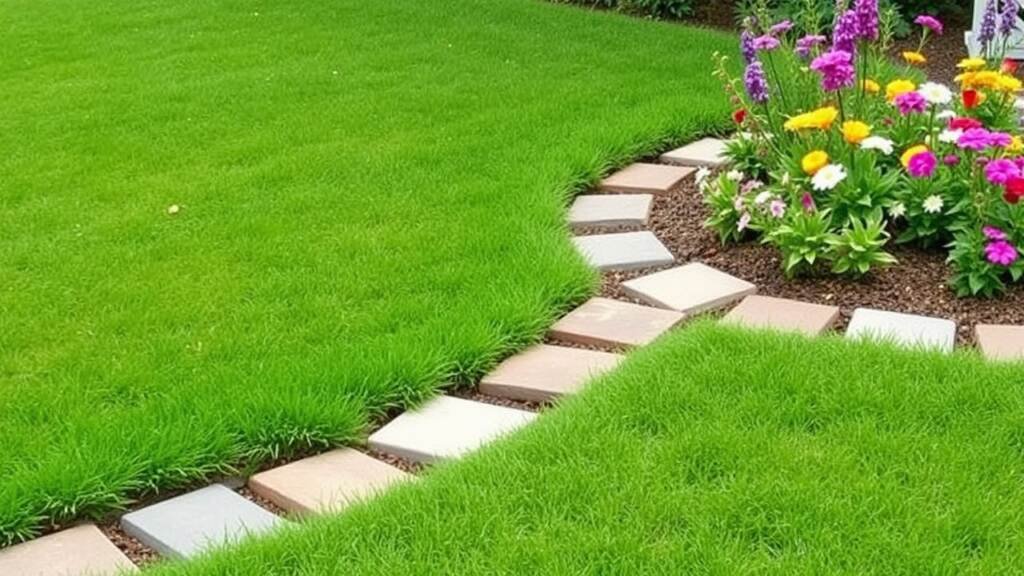
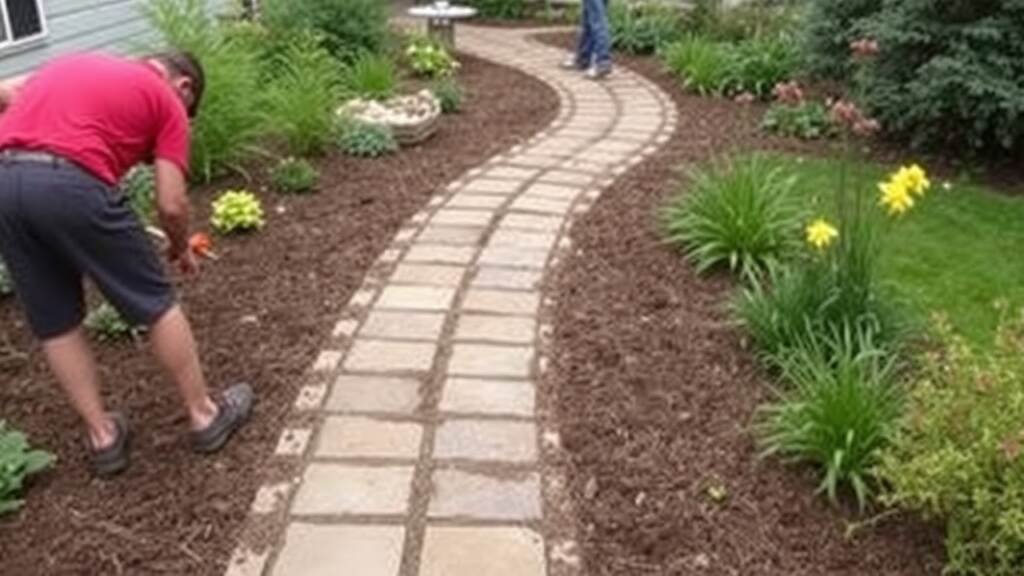
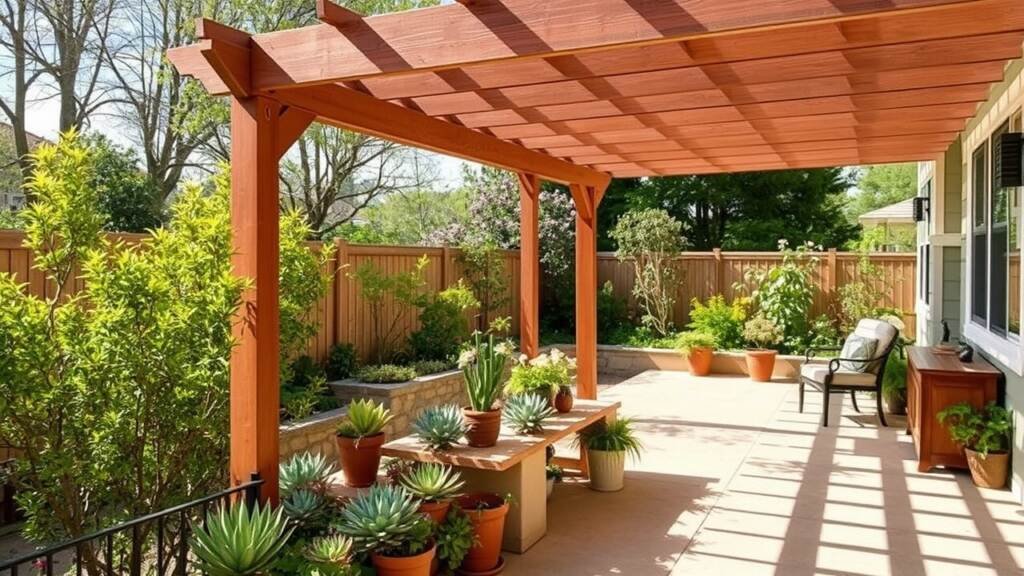
Incorporating hardscaping elements like patios, walkways, and retaining walls adds structure and functionality to your landscape. These elements define spaces, improve accessibility, and add visual interest. Choose materials that complement your home’s architecture and the surrounding landscape style, creating a seamless integration of hardscape and planting.
Using Mulch for Aesthetic and Health Benefits
Mulch is a landscape essential, providing aesthetic and health benefits for your plantings. It helps retain soil moisture, suppress weeds, and regulate soil temperature, promoting healthier plant growth. Choose from various types of mulch, such as shredded bark or cedar, to enhance the look of your beds while benefiting your plants.
Final Considerations in Residential Landscape Design
Creating a Comprehensive Landscape Plan
Creating a comprehensive landscape plan is crucial for a successful project. The design process should consider all elements of your yard, from hardscaping to planting. A well-thought-out landscape plan ensures a cohesive and functional outdoor space, enhancing your property’s curb appeal and long-term value. Professional landscaping is very important.
Important Considerations for Long-Term Success
For long-term success in landscape design, consider factors such as maintenance requirements, irrigation efficiency, and plant sustainability. Choose plants that are well-suited to the North Texas climate and require minimal upkeep. Implementing an efficient irrigation system and using mulch can also contribute to the long-term health and beauty of your landscape.
Trends in Texas Residential Landscape Design
Trends in Texas residential landscape design include incorporating native plants, creating water-wise landscapes, and designing outdoor living spaces that blend seamlessly with the surrounding environment. Homeowners often aim to create sustainable and eco-friendly landscapes that require minimal resources while providing maximum aesthetic appeal. Hiring a landscaping company is a great choice for implementing landscape design ideas.