Maintaining a vibrant and healthy lawn requires understanding the nuances of seasonal lawn care. This lawn care guide is designed to help you navigate the year, providing a lawn care schedule that addresses the specific needs of your grass during each season. By following this seasonal lawn care guide, you can ensure a lush, green lawn year-round.
Understanding Lawn Care
What is Lawn Care?
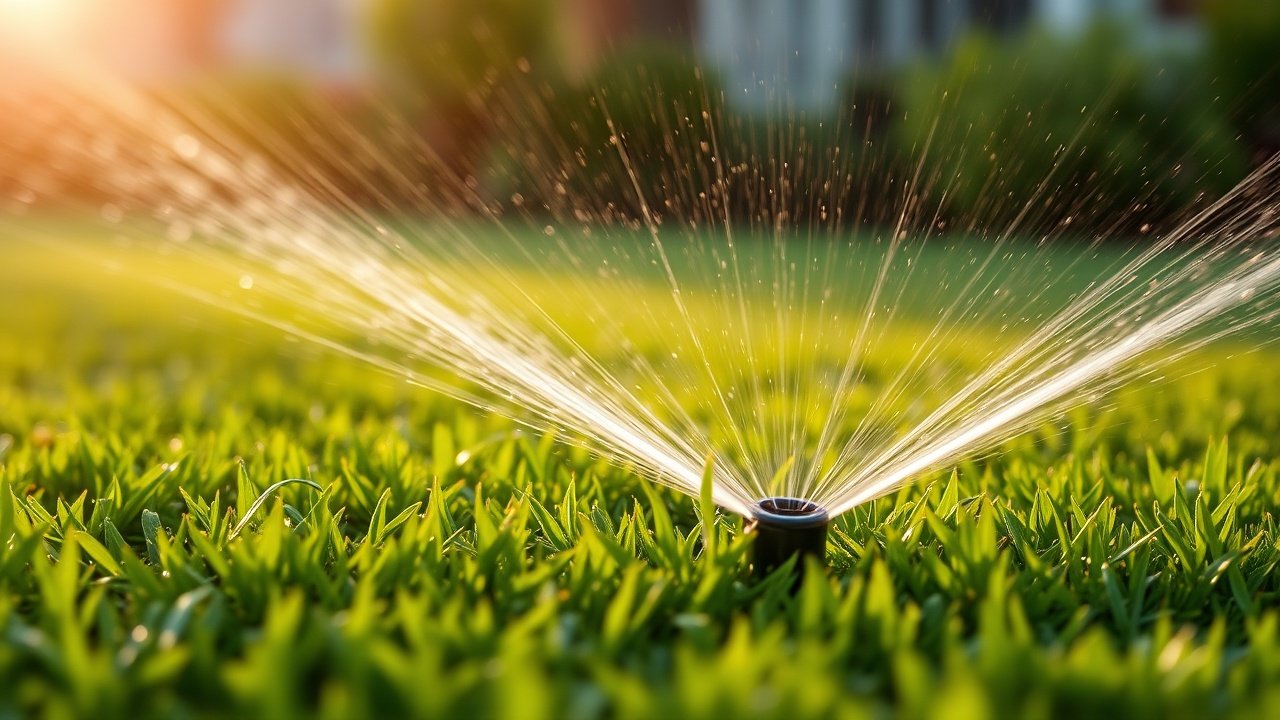
Lawn care encompasses all the practices that maintain the health and appearance of your lawn. This includes mowing, fertilization, weed control, aeration, and irrigation. Effective lawn care involves understanding your grass type and tailoring your efforts to its specific needs, helping your lawn to thrive with simple lawn care steps.
Importance of a Lawn Care Schedule
A well-structured lawn care schedule is crucial for maintaining a healthy lawn. Different seasons bring different challenges, such as weed infestations in the spring and drought in the summer. A seasonal lawn care schedule ensures that you are addressing these issues proactively, keeping your lawn resilient and vibrant throughout the year.
Types of Grass and Their Care
Understanding your grass type is fundamental to effective lawn care. Cool-season grasses, like Kentucky bluegrass, thrive in cooler temperatures and require different care than warm-season grasses such as Bermuda grass. Knowing your grass type will inform your mowing, fertilization, and weed control strategies, ensuring optimal root growth and a green lawn.
Spring Lawn Care
Spring Lawn Care Tasks
Spring lawn care involves several key tasks to help your lawn recover from winter. These include:
- Raking to remove debris and dead grass.
- Dethatching to improve nutrient absorption.
Additionally, it’s important to address bare spots with grass seed and apply a pre-emergent herbicide to prevent weeds, helping to revitalize your lawn.
Fertilization and Aeration
Fertilization is a critical component of spring lawn care, providing the nutrients your lawn needs for active growth. Aeration, the process of perforating the soil, improves air and water penetration, promoting healthier root development. Consider aeration, especially if you have compacted soil, to maximize the benefits of fertilization for a healthy lawn.
Weed Control in Spring
Spring is a prime time for weed growth, making weed control a priority. Applying a pre-emergent herbicide in early spring can prevent many common weeds, like crabgrass, from germinating. For existing broadleaf weeds such as dandelions, a post-emergent herbicide can be used. Effective weed control will protect the health and appearance of your lawn.
Summer Lawn Care
Maintaining a Green Lawn
Summer lawn care presents unique challenges such as heat and drought, but with the right approach, you can maintain a green lawn. Proper irrigation and mowing techniques are essential to keep your lawn healthy. Monitoring for pests and addressing them promptly can also prevent significant damage, ensuring your lawn remains vibrant through the growing season. Regular lawn care is essential to keep your lawn looking its best.
Watering and Mowing Techniques
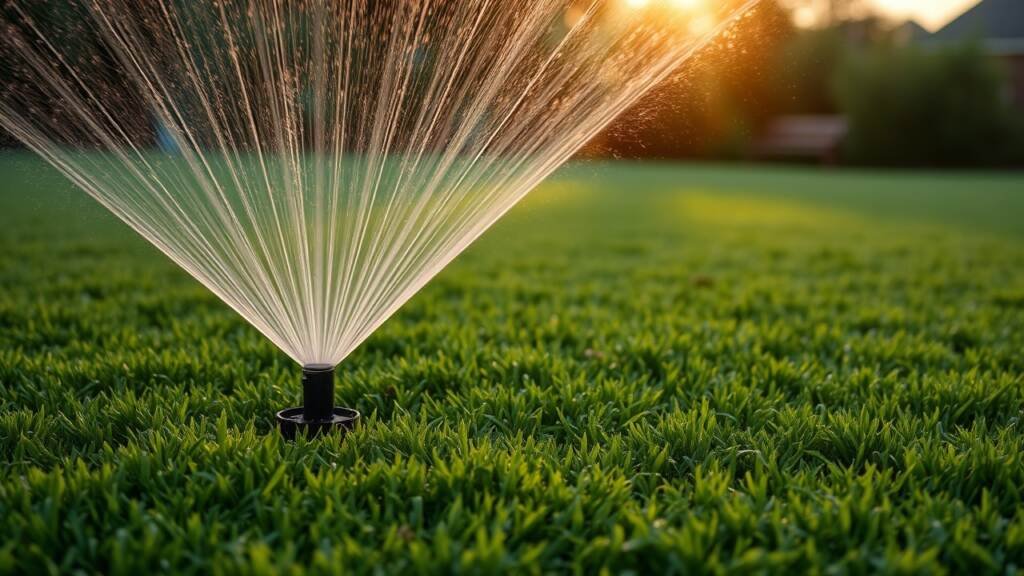
Effective summer lawn care includes strategic watering and mowing techniques. Water deeply but infrequently to encourage deep root growth, making your lawn more drought-resistant. Mow high, as taller grass shades the soil, reducing water evaporation and weed germination. The ideal watering depends on the grass type. Following these simple lawn care steps will keep your lawn healthy and green.
Common Summer Lawn Issues
During the summer months, several lawn care issues can arise, including pest infestations, drought stress, and weed problems. Keep your lawn healthy by identifying and addressing these issues early. Regular monitoring and timely intervention with appropriate treatments can prevent significant damage, ensuring your lawn remains healthy and aesthetically pleasing throughout the summer. Be on the lookout for crabgrass growth, as well.
Fall Lawn Care
Preparing Your Lawn for Winter
Fall lawn care is crucial for preparing your lawn for the dormant winter months. Key tasks involve several important steps, including:
- Aeration, which improves soil structure, allowing for better nutrient absorption.
- Fertilization, providing the necessary nutrients for root growth.
- Overseeding bare spots, helping to thicken your lawn and ensure a lush appearance the following spring.
Lawn care is a year-round process.
Overseeding for a Great Lawn
Overseeding is a vital part of fall lawn care. It involves spreading grass seed over your existing lawn to fill in bare spots and thicken the turf. This practice is particularly beneficial for cool-season grasses like Kentucky bluegrass. Overseeding in the early fall gives the new grass ample time to establish before winter, resulting in a denser, healthier lawn in the spring. Good overseeding results in a great lawn.
Early Fall Lawn Care Tasks
Early fall is a critical time for lawn care tasks that set the stage for a healthy lawn the following year. Start by raking leaves and other debris to prevent matting and disease. Continue mowing as needed, and apply a final round of fertilizer to strengthen the roots. Addressing these tasks in early fall ensures your lawn is well-prepared for the stresses of winter and ready for active growth in the spring.
Winter Lawn Care
Protecting Your Lawn in Winter
Winter lawn care focuses on protecting your lawn during its dormant period. Avoid heavy foot traffic on frozen grass to prevent damage. Limit the use of de-icing salts near your lawn, as they can harm the grass. Clear away any lingering leaves or debris to prevent the growth of mold or disease. A little winter lawn care can help your lawn bounce back in the spring.
Winter Lawn Care Schedule
A winter lawn care schedule is minimal but important. Ensure that your lawn is clear of debris. Monitor soil temperatures to prevent pest infestations, such as grubs. Check for snow mold and address it promptly. Winter is the time when warm-season grass goes dormant. Most of winter lawn care is preparation for when it becomes time to apply spring fertilizer.
Planning for Spring
Use the winter months to plan your spring lawn care strategy. Assess your lawn’s condition and identify any issues that need addressing, such as bare spots or weed problems. Research the best grass seed and fertilizer options for your grass type. Preparing in advance ensures you’re ready to hit the ground running when spring arrives. A season lawn requires preparation.
Annual Lawn Care Overview
Year-Round Lawn Care Tasks
Annual lawn care involves consistent maintenance throughout the year. This includes regular mowing, proper irrigation, seasonal fertilization, and timely weed control. By addressing these tasks consistently, you can ensure your lawn remains healthy and vibrant, regardless of the season. Keep your lawn at its healthiest by sticking to a regular schedule of lawn care tasks.
Creating a Seasonal Lawn Care Schedule
A seasonal lawn care schedule should be tailored to your grass type and local climate. Divide your tasks by season, addressing the specific needs of your lawn during each period. This structured approach ensures that you’re proactive in your lawn care efforts, helping your lawn thrive year-round. Adhering to the schedule helps your lawn to avoid heat and drought stress.
Tips for a Healthy Lawn Year-Round
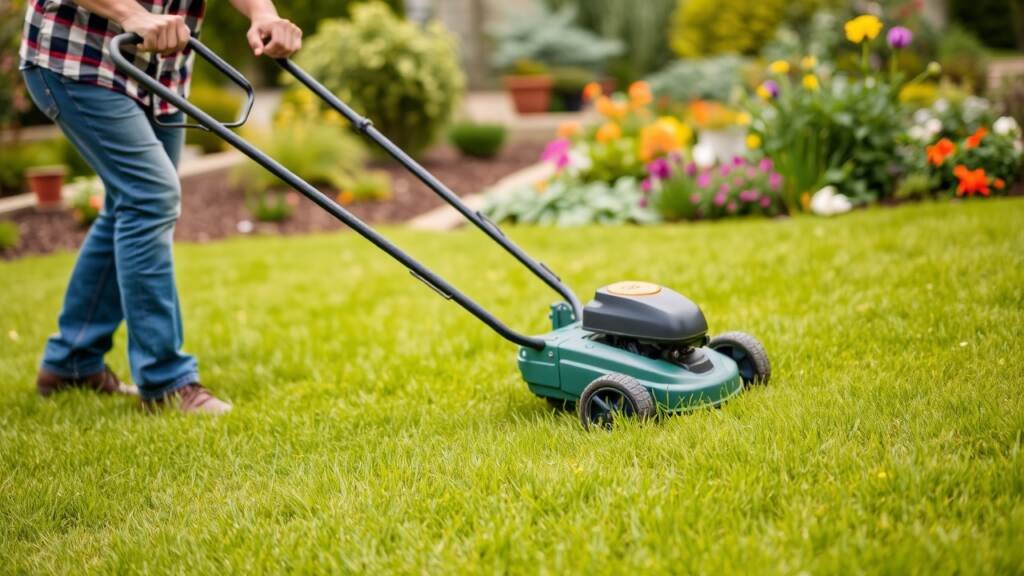
To maintain a healthy lawn year-round, focus on core principles such as proper watering, mowing, and fertilization. Aerate your lawn annually to improve soil health and nutrient absorption. Control weeds and pests promptly to prevent damage. Consider consulting lawn care professionals for expert advice and assistance. Use a lawn mower that mulches clippings to return nutrients to the soil. These lawn care tips are essential.