Welcome to our comprehensive guide on lawn edging ideas, where we transform ordinary outdoor spaces into stunning landscapes. Discover how the right landscape edging can elevate your garden’s design, creating a clean line that defines your lawn and garden beds. Whether you’re looking for practical solutions or decorative enhancements, we’ll explore the best landscape edging options to suit your style and needs. Let’s dive into the world of landscape design and uncover the perfect edging ideas for your home.
Introduction to Landscape Edging

What is Landscape Edging?
Landscape edging is the art of defining the borders between different areas of your yard, such as where your lawn meets your flower bed or walkway. It involves using various edging materials to create a physical barrier, improving the aesthetic appeal and functionality of your outdoor space. The primary purpose of lawn edging is to maintain a clean line, preventing grass from invading your garden bed while keeping mulch and soil in place.
Benefits of Lawn Edging
Here are some of the benefits you’ll discover when you incorporate landscape edging into your garden design. Landscape edging:
- Helps maintain a tidy and organized appearance by clearly defining planting beds and walkways.
- Prevents grass and weeds from encroaching into flower beds, reducing maintenance efforts.
Furthermore, the right type of edging can retain mulch and soil, which is crucial for plant health. Ultimately, landscape edging enhances the beauty and value of your property.
Enhancing Curb Appeal
Investing in landscape edging is a smart way to boost your home’s curb appeal and overall landscape design. It enhances the aesthetic value of your property in several ways:
- Creating a positive first impression with a well-manicured lawn and crisp, defined edges.
- Complementing your home’s architecture and the surrounding landscape with thoughtfully chosen materials, leading to a cohesive outdoor space.
Ultimately, a beautiful garden increases property value by improving curb appeal and elevating the look of your outdoor space.
Types of Landscape Edging
Brick Edging
Brick edging is a classic and durable edging option that brings a timeless charm to any garden. Brick edging offers versatility in design, with various patterns and colors available to match your home’s aesthetic. Brick is one of the best edging materials for creating a sturdy border that effectively separates your lawn and garden beds. Whether laid in a simple row or a more intricate pattern, brick edging adds a touch of elegance and sophistication to your overall landscape.
Metal Edging
Metal edging is a sleek and durable option that adds a modern touch to any landscape. It’s an excellent choice for creating a clean line between your lawn and garden bed, offering a long-lasting solution for your edging project. Metal landscape edging is easy to install and provides a subtle yet effective barrier, making it a popular choice for those seeking a contemporary look. Its flexibility allows for creating curved or straight garden edges, adapting to various landscape designs.
Composite Edging
Composite edging offers a blend of durability and aesthetic appeal, making it a versatile option for landscape edging. This type of edging is made from recycled materials, providing an eco-friendly solution for your lawn and garden beds. Composite edging is resistant to rot, pests, and weather damage, ensuring a long lifespan. Its easy-to-install design allows for a straightforward installation, making it a great choice for DIY landscaping projects.
Rubber Edging
Rubber edging is a flexible and safe option for creating a garden border, especially in areas frequented by children or pets. Made from recycled tires, rubber edging is an environmentally friendly choice for your lawn edging needs. It’s easy to install and can be shaped to fit any garden bed, providing a soft edge that prevents injuries. This type of edging is also resistant to cracking and fading, ensuring a durable and low-maintenance solution for your landscape.
Corten Steel Edging
Corten steel edging brings a unique, rustic aesthetic to your overall landscape design. This type of metal edging develops a beautiful, protective rust layer over time, adding character to your garden edges. Corten steel edging is incredibly durable and provides a strong, clean line between your lawn and garden beds. It is perfect for modern landscape designs and offers a long-lasting solution for defining your outdoor space.
Timber Edging
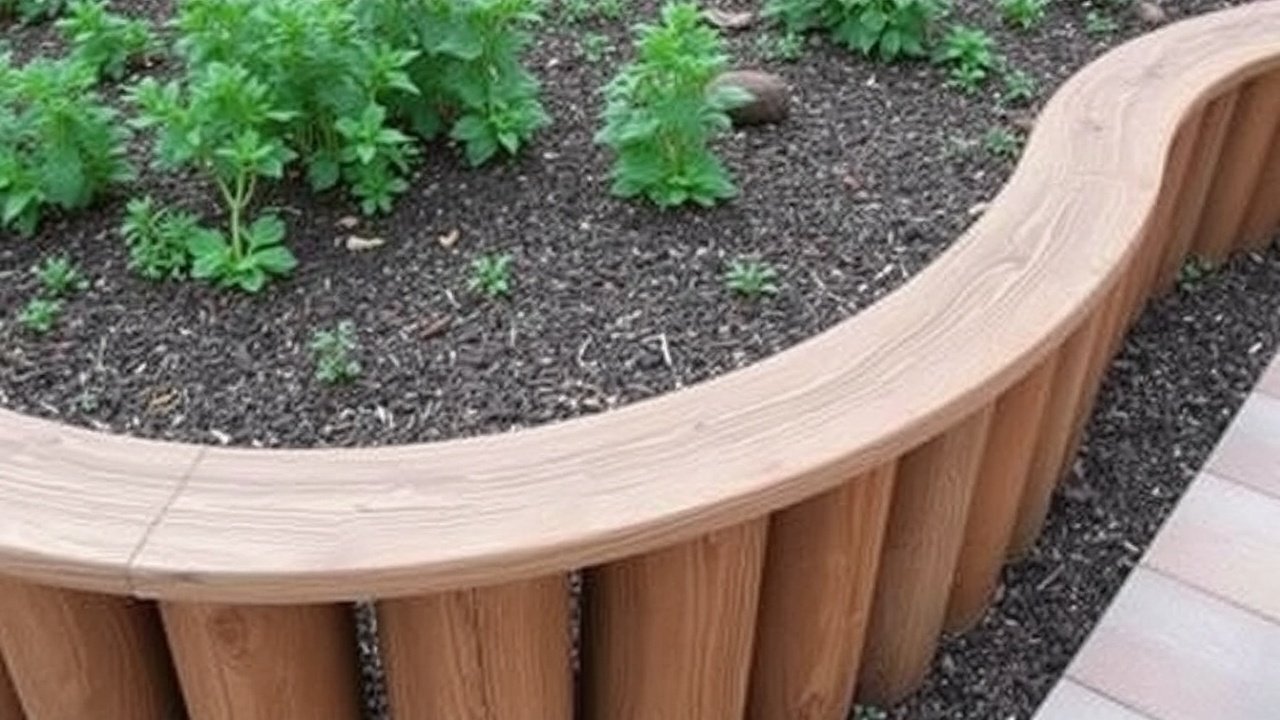
Timber edging provides a natural and warm aesthetic to your lawn and garden. Wood edging can range from simple planks to decorative logs, offering versatility in design and is considered one of the best edging ideas for a traditional landscape. While wood edging requires more maintenance to prevent rot and decay, it can create a beautiful and inviting garden border. Consider treated timber for increased longevity in your landscaping projects.
Edging Stones
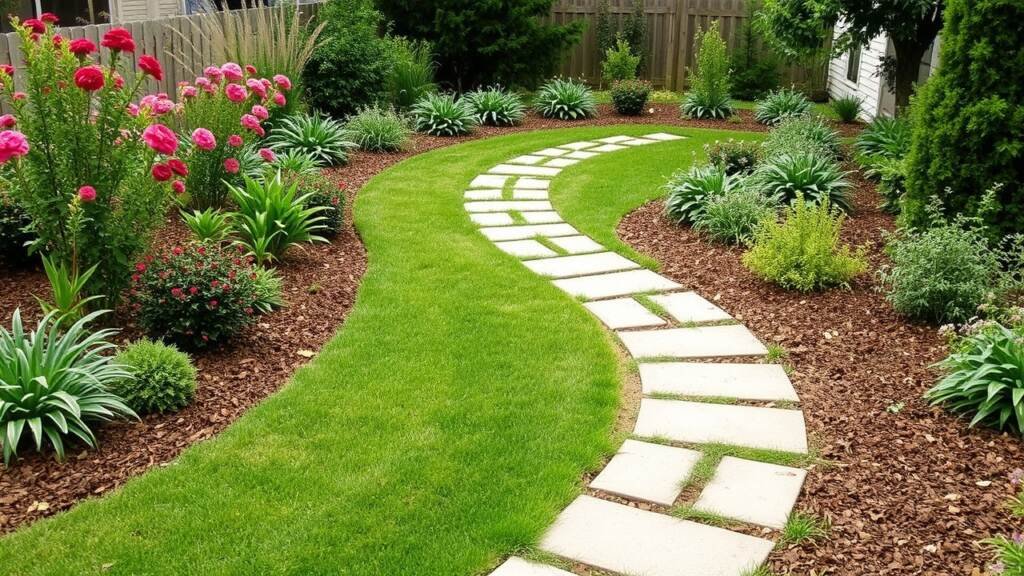
Stone edging is a timeless and versatile option for enhancing your garden’s design. Stone edging can range from natural river rocks to precisely cut pavers, offering a variety of textures and colors to complement your landscape. Stone edging provides a durable and aesthetically pleasing solution for separating your lawn and flower bed. This type of edging is perfect for creating a natural and organic look in your outdoor space.
Choosing the Right Edging for Your Lawn
Selecting the right landscape edging is crucial for achieving a harmonious and functional outdoor space. The best landscape edging should not only enhance the aesthetic appeal of your garden but also serve practical purposes, such as preventing grass from invading your flower bed and retaining mulch. Consider various factors like material durability, ease of installation, and overall design to ensure you choose the best edging for your needs.
Factors to Consider
When choosing landscape edging, consider several factors to ensure it meets your specific needs and preferences. Think about the material’s durability and how well it withstands weather conditions. Installation is another key factor; some edging materials are easier to install than others. Also, consider the style and how well the edging complements your home and garden design. Finally, consider the cost and maintenance requirements to choose the right edging that fits your budget and lifestyle.
Best Landscape Edging Options
The best landscape edging options depend on your personal style, budget, and functional needs. For a classic look, consider brick edging or stone edging. Metal landscape edging and composite edging offer modern and low-maintenance solutions. Plastic edging is a budget-friendly option, while rubber edging is great for safety and flexibility. Evaluate these various types of edging to determine which best suits your lawn and garden beds.
Professional Finish Techniques
Achieving a professional finish with your landscape edging involves careful installation and attention to detail. Ensure that the ground is level before installing any edging materials to prevent unevenness. Use proper tools and techniques to secure the edging in place, creating a clean line between your lawn and garden. Consider adding a layer of mulch to complete the look and enhance the overall landscape design. These professional techniques will elevate your edging project and enhance your curb appeal.
Edging Project Ideas
Creative Lawn Edging Ideas
Explore various creative lawn edging ideas to elevate your outdoor space and bring your landscape design visions to life. Consider using unconventional materials such as recycled glass bottles or repurposed wood to create a unique garden border. These decorative touches can transform a plain lawn into a stunning landscape feature. Metal edging can be used to create very clean lines. Embrace your creativity to develop the best edging solution that reflects your personal style and enhances your garden’s design.
Incorporating Decorative Elements
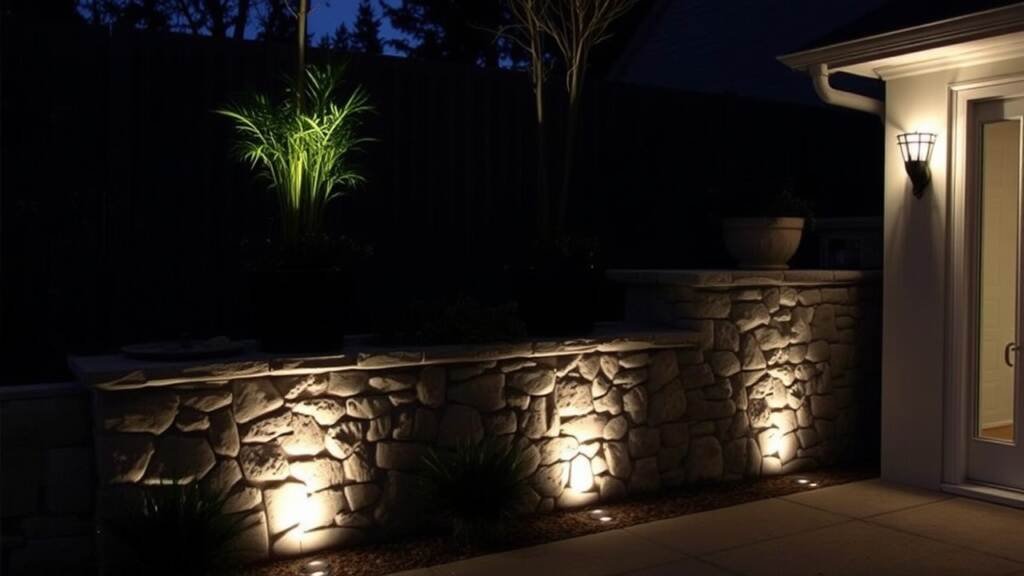
Enhance your lawn edging by incorporating decorative elements that complement your garden’s design. Add interest with small statues, decorative stones, or colorful plants along the edging strips. Consider using lighting to highlight the edging at night, creating a magical outdoor space. These small but significant additions can elevate your landscape edging from functional to fabulous, adding curb appeal and personality to your overall landscape.
Landscape Borders for Garden Beds
Define your garden beds with stylish landscape borders that separate your lawn from your flower bed. Use a variety of materials such as brick, stone, or wood to create a visually appealing garden border. For a modern landscape, consider metal edging or composite edging. Properly defined garden bed edging enhances the overall landscape design while preventing grass from invading your garden beds. Choose the right edging to complement your plants and other decorative elements for a cohesive and polished look.
Installing Your Landscape Edging
Tools and Materials Needed
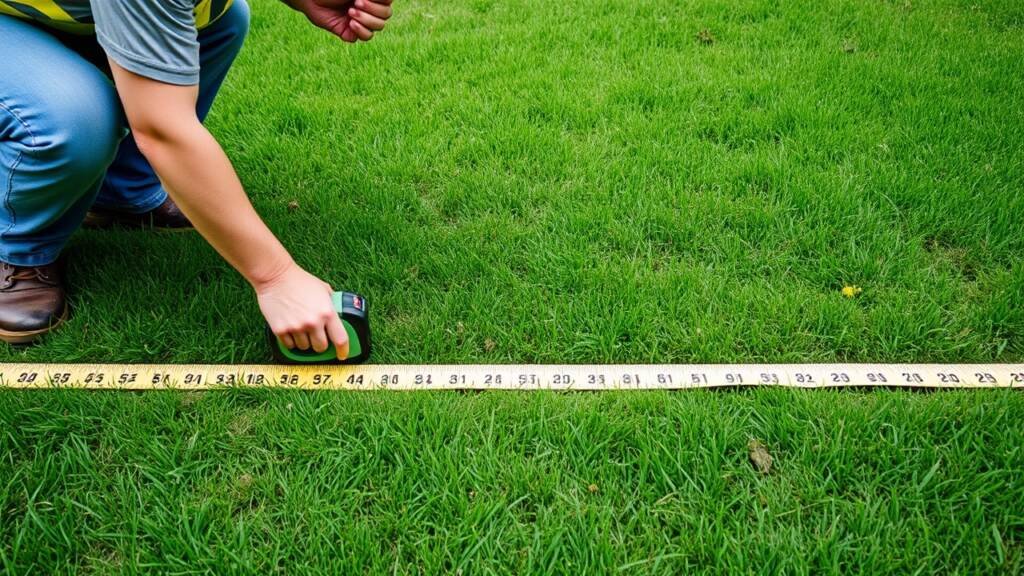
Before starting your landscape edging project, gather all the necessary tools and materials. Essential tools include a shovel, level, rubber mallet, and measuring tape. Material choices can range from brick edging, plastic edging, to stone edging, metal landscape edging or even corten steel edging, depending on your desired aesthetic and durability. Ensure you have enough edging materials to complete the entire perimeter of your lawn and garden beds. Preparing properly ensures a smooth and efficient installation process.
Step-by-Step Installation Guide
Here’s how to install your landscape edging like a pro. Start by preparing the area, which includes:
- Marking the desired edge with spray paint or a string line.
- Digging a shallow trench along the line, making sure it’s deep enough for the edging.
Then, place the edging materials into the trench, using a level to ensure they are even. Backfill the trench with soil and tamp it down for stability. For metal edging, use stakes to secure the edging in place. These steps will help you achieve a clean line and professional finish in your edging project.
Maintenance Tips for Longevity
To ensure the longevity of your landscape edging, regular maintenance is essential. Periodically check for any signs of damage or wear, and make repairs as needed. Remove weeds and grass that grow along the edges to maintain a clean line. Apply a sealant to wood edging to prevent rot and decay. For metal edging, clean it to prevent rust. By following these maintenance tips, you can keep your landscape edging looking its best for years to come, further enhancing your landscape and garden design.