Creating a thriving vegetable garden starts with one crucial step: preparing your soil. It’s not just about digging a hole and dropping in a plant; it’s about creating a nurturing environment where roots can flourish and vegetables can thrive. Good soil is the foundation of any successful garden, so let’s learn how to prepare garden soil properly. This guide will walk you through everything you need to know to get your soil ready for planting.
Understanding Soil for Planting
Importance of Healthy Soil
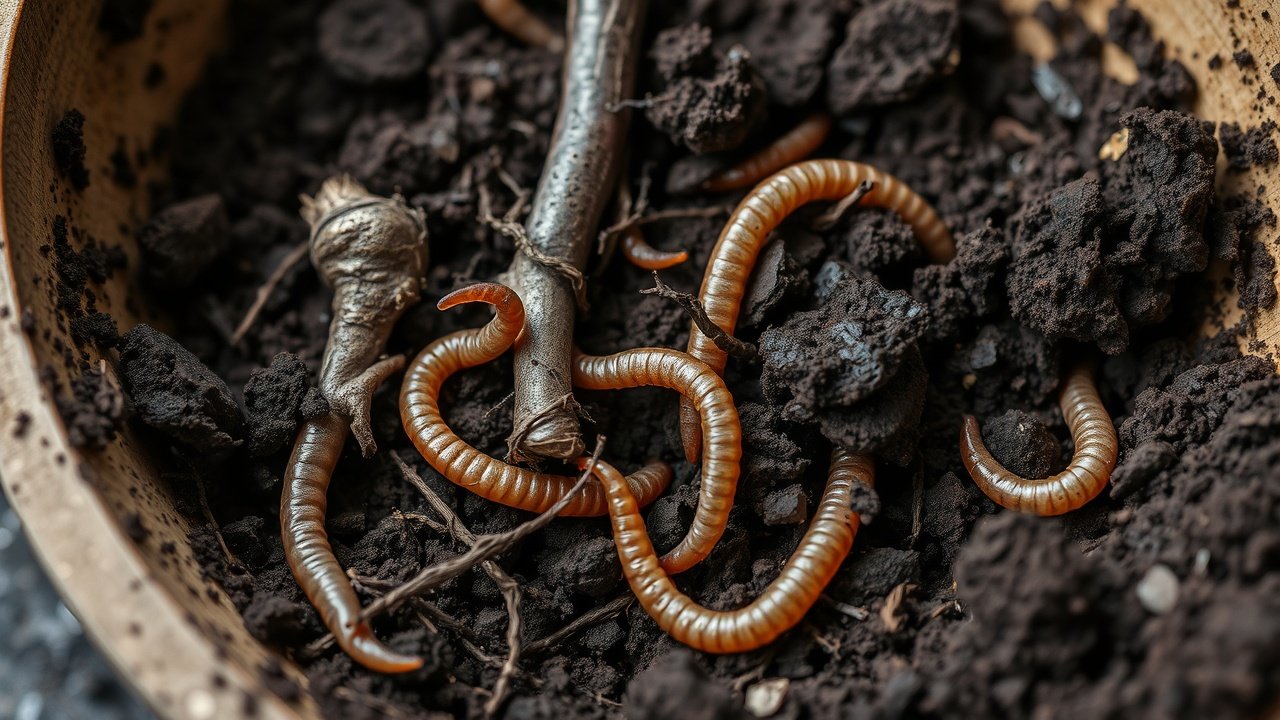
Healthy soil is the cornerstone of any successful vegetable garden. It’s the medium that provides essential nutrients, water, and air for plant roots. Without healthy soil, plants struggle to grow, becoming more susceptible to diseases and pests. Amending your garden soil to ensure it is nutrient-rich and well-draining is paramount for robust plant growth and bountiful harvests. The healthier the soil, the healthier the plants.
Soil Types and Their Characteristics
Understanding your soil type is essential for effective soil preparation. Common soil types include sandy soil, clay soil, and loamy soil. Clay soil, for instance, tends to be dense and retain water, while sandy soil drains quickly and doesn’t hold nutrients well. Loamy soil is the ideal balance of sand, silt, and clay. Conducting a soil test will help you identify your soil type and determine any necessary soil amendments to improve soil health.
Soil Texture and Its Impact on Plant Growth
Soil texture refers to the proportion of sand, silt, and clay particles in the soil. This affects drainage, aeration, and nutrient retention. Garden soil with a balanced soil structure promotes healthy root development and plant growth. Heavy clay soil can become compacted, hindering root penetration and water infiltration. Amending the soil with organic matter improves soil texture, aeration, and overall soil health, and it helps prepare garden soil for planting.
Essential Steps for Soil Preparation
Conducting a Soil Test
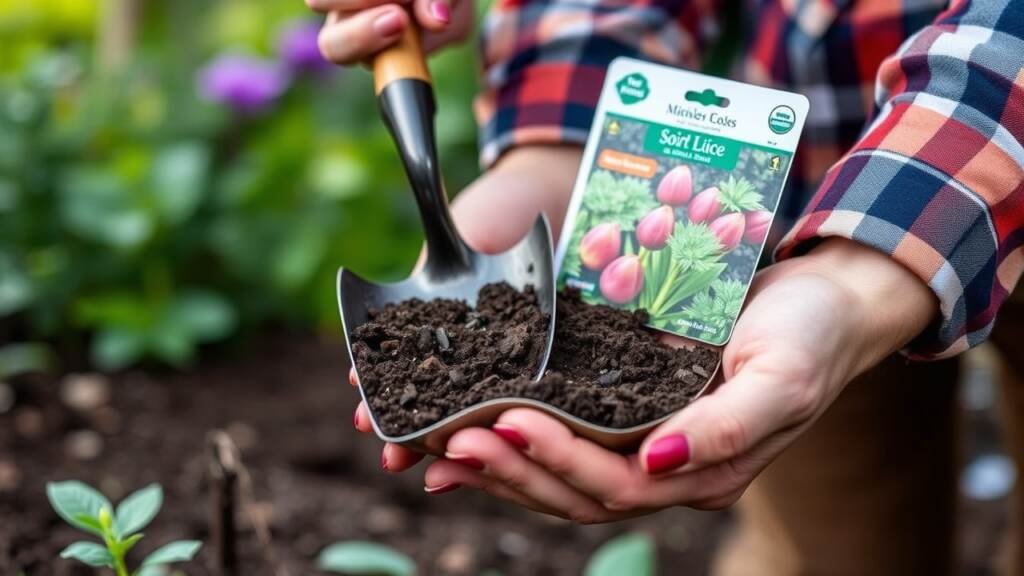
Before you begin any soil preparation, conduct a soil test to understand its current condition. A soil test provides valuable information about the soil’s pH level, nutrient content, and texture. You can purchase a soil test kit or send a soil sample to a lab for analysis. The results will guide your soil amendment strategy, ensuring you properly prepare your soil for planting and promote healthy plants in your vegetable garden.
Choosing the Right Soil Amendments
Selecting the right soil amendments is crucial for improving soil health. Depending on your soil type and the results of your soil test, you may need to add organic matter, compost, or fertilizer. For heavy clay soil, organic matter helps improve drainage and aeration. Soil amendments ensure your garden soil for planting is nutrient-rich, well-draining, and capable of supporting robust plant growth and can improve soil texture.
Incorporating Organic Matter and Compost
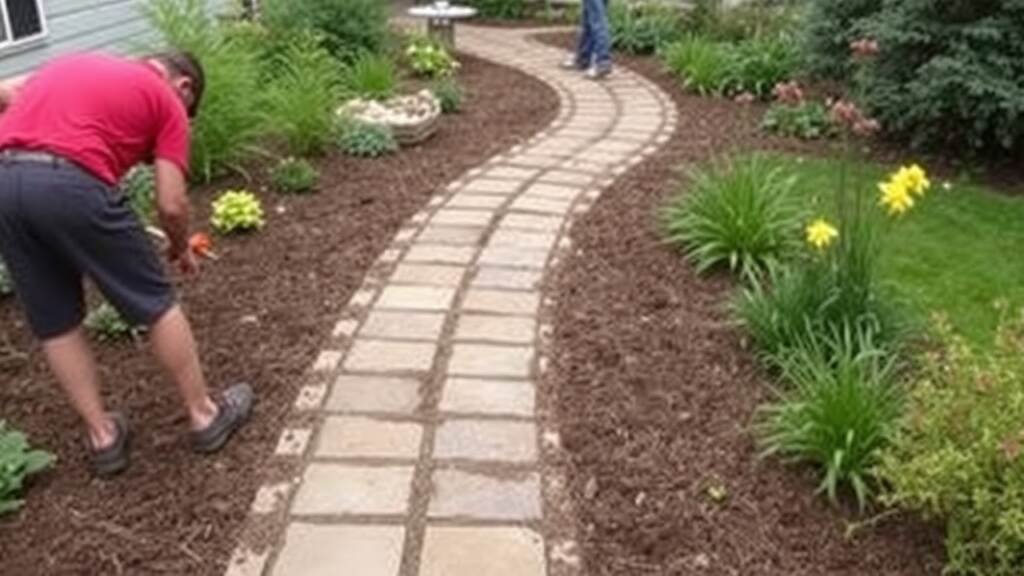
Incorporating organic matter and compost is one of the best ways to improve soil structure and nutrient content in your garden. Organic matter, such as composted leaves, aged manure, or shredded bark, enhances drainage in heavy clay soil and improves water retention in sandy soil. Work the organic matter into the top several inches of soil to prepare the soil effectively and provide essential nutrients for plant roots.
Tilling the Soil for Vegetable Gardens
Benefits of Tilling the Soil
Tilling the soil offers several benefits for vegetable gardens. Tilling helps loosen the soil, improving aeration and drainage. It also aids in incorporating soil amendments, such as compost or fertilizer, evenly throughout the garden beds. Proper tilling breaks up compacted soil, creating a more favorable environment for plant roots and ensures that you properly prepare garden soil for planting and plant growth.
How to Properly Till Your Soil
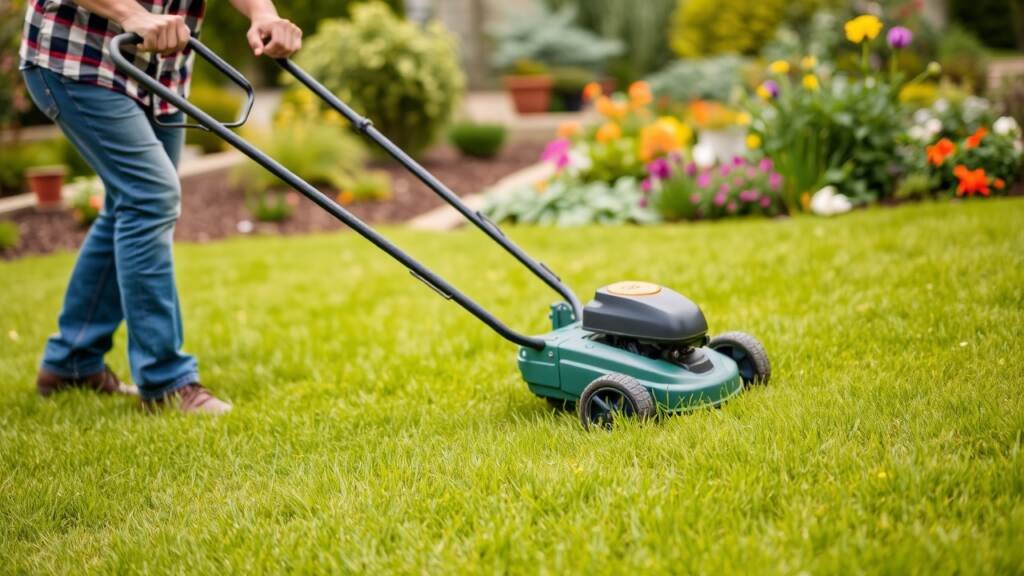
To properly till your soil, start by removing any weeds or debris from the garden area. Adjust the tiller to the appropriate depth, typically 6-8 inches. Walk slowly and steadily, overlapping each pass to ensure thorough tilling. Avoid tilling wet soil, as this can lead to compaction. After tilling, rake the soil to create a smooth, even surface, optimizing your soil preparation process.
Loosening the Soil and Removing Rocks
Before planting, loosen the soil and remove any rocks or large debris. This step is especially important in home gardens with rocky or compacted soil. Use a garden fork or tiller to loosen the soil to a depth of at least 12 inches. Removing rocks improves drainage and makes it easier for plant roots to penetrate the soil, ensuring healthy soil for landscaping and better access to nutrients and water.
Improving Drainage in Garden Soil
Identifying Drainage Issues
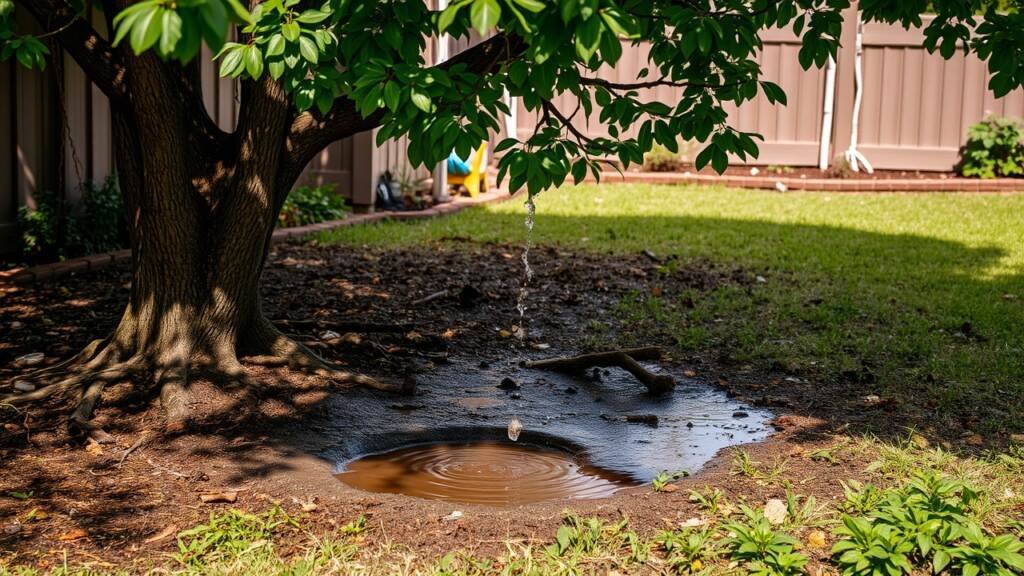
Identifying drainage problems is a crucial step in preparing your garden for planting, as poor drainage can lead to waterlogged soil that inhibits plant growth. Signs of poor drainage include standing water after rain, soil compaction, and plants struggling to thrive. Heavy clay soil often exacerbates drainage issues. Conducting a soil test can reveal if your soil’s structure is hindering proper drainage.
Techniques for Enhancing Soil Drainage
Here are several techniques you can use to enhance soil drainage and prevent waterlogged conditions in your garden. Some effective methods include:
- Adding organic matter, such as compost or aged manure, which improves soil structure.
- Creating raised beds to elevate the planting surface.
Tilling the soil is another option that can help break up compacted layers.
Using Fertilizers for Healthy Soil
Fertilizers play a vital role in providing essential nutrients for healthy plants and maintaining a thriving vegetable garden. A soil test can determine nutrient deficiencies, guiding the selection of appropriate fertilizers. Incorporating slow-release fertilizers or organic options like compost can nourish the soil over time. Avoid over-fertilizing, as this can harm plant roots and disrupt the soil’s natural balance.
Preparing Your Soil for Spring Planting
Timing Your Soil Preparation
Timing is everything when it comes to soil preparation for spring planting. Ideally, prepare your soil several weeks before the anticipated planting date. This allows ample time for soil amendments, such as compost or organic matter, to break down and integrate into the soil. Avoid working with wet soil, as this can lead to soil compaction and hinder root development. Proper timing ensures that your garden beds are ready for planting.
Garden Tools for Effective Soil Preparation
Having the right garden tools can significantly enhance the efficiency and effectiveness of your soil preparation efforts. Several tools can be helpful, including:
- A tiller, which can loosen compacted soil and incorporate soil amendments.
- A garden fork, useful for turning the soil and breaking up clumps.
- A rake, which helps create a smooth, even surface for planting.
A soil test kit can also help determine what your soil needs to properly prepare it for planting in your garden.
Final Checklist Before Planting
Before you begin planting your vegetable garden, conduct a final checklist to ensure that your soil is properly prepared and optimized for plant growth. This involves a few key steps:
- Remove any remaining rocks or debris from the garden beds.
- Rake the soil to create a smooth, level surface.
- Water the soil thoroughly to moisten it before planting.
With these final touches, you’ll be ready to plant your vegetables.
- Hardscaping & Outdoor Living Spaces – Crafting Elegance with Duong Hardscaping
- Transform Your Outdoor Space: Decor & Patio Ideas for Outdoor Living
- Hidden Costs of Installing Sod You Should Know
- Signs you’re mowing too often (or not enough)
- Yard Grading 101: Grade a Yard for Proper Drainage & Landscape