Embark on a rewarding DIY project and transform your outdoor space with a stunning paver patio. This step-by-step guide will empower you to build a paver patio that enhances your outdoor living experience and adds value to your home. From planning to paver installation, we’ll cover every detail to ensure your new patio becomes the envy of the neighborhood. Learn how to build your own patio, creating a personalized oasis for relaxation and entertainment.
Planning Your DIY Paver Patio

Before you start excavating, careful planning is crucial for a successful DIY paver patio project. This initial phase sets the foundation for a beautiful and functional outdoor patio. Consider the overall patio design and how it complements your home’s architecture and landscaping. Properly planning the patio area will prevent costly mistakes and ensure a lasting result.
Choosing the Right Location for Your Backyard Patio
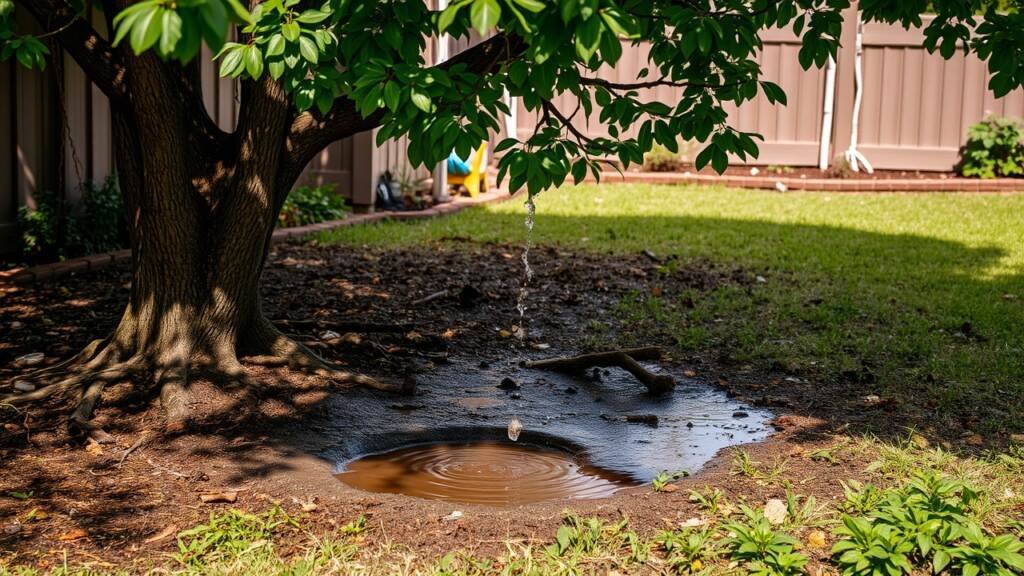
Selecting the ideal location for your backyard patio is paramount. Assess your yard to determine the best spot for your new patio. Consider factors like sunlight exposure, proximity to your house, and existing landscaping. Proper drainage is essential to prevent water damage. Be sure that the location you choose allows for effective drainage of the patio surface and prevents water from pooling. Before you begin, check local building codes for any regulations or permits required for your patio project.
Designing Your Patio Layout
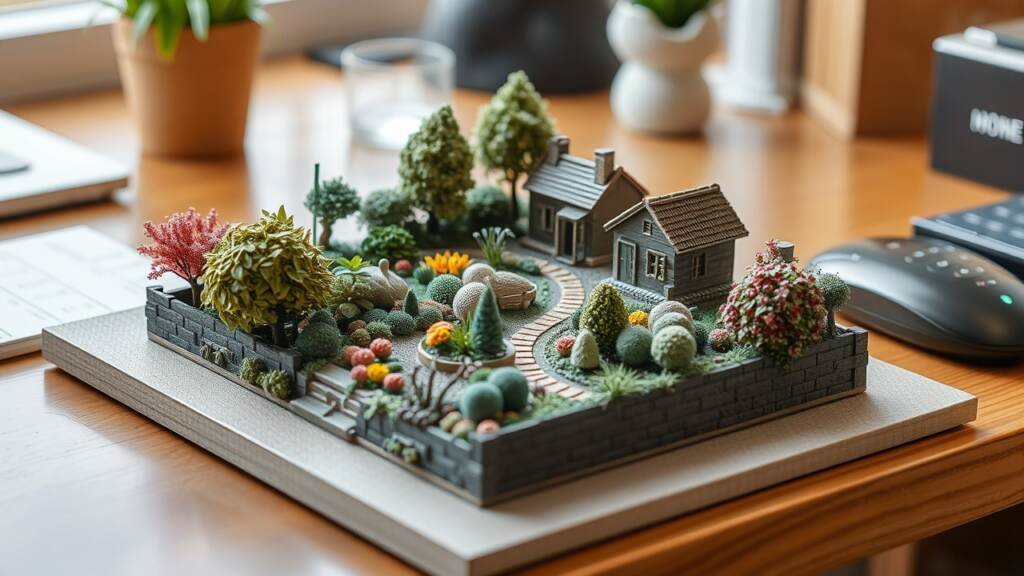
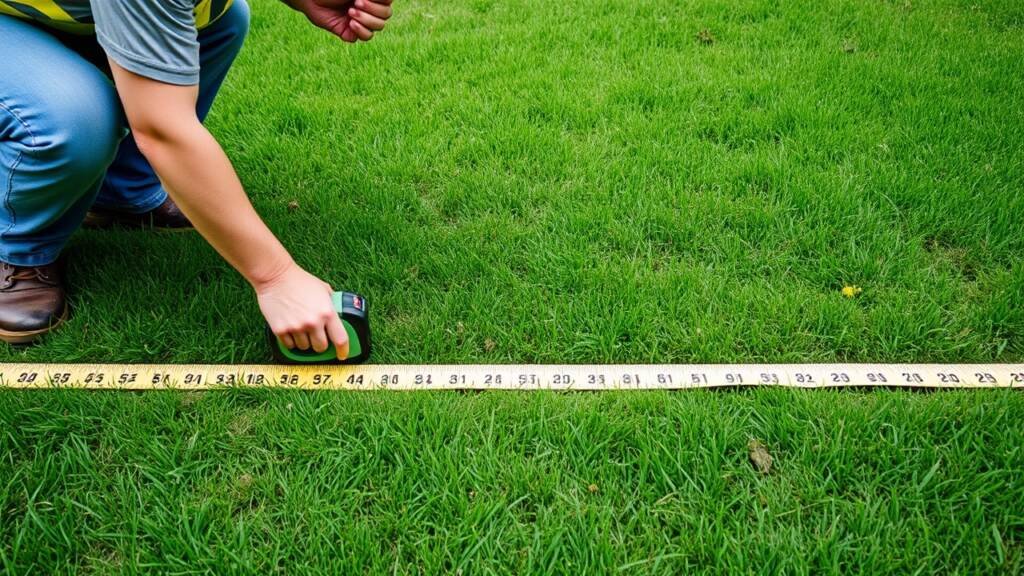
Designing your patio layout involves considering the shape, size, and overall aesthetic. Think about how you intend to use the outdoor patio. Will it primarily be a space for dining, lounging, or entertaining? Sketch different patio ideas and consider how they fit within your chosen location. Accurate measurements are essential for calculating the amount of patio pavers and base material needed. Use a tape measure to define the perimeter of your patio. A well-thought-out design will ensure your patio is both functional and visually appealing.
Selecting the Best Patio Pavers
Choosing the right patio pavers is crucial for the look and durability of your patio. Patio stones come in various materials, colors, and sizes, each offering a unique aesthetic. Concrete pavers are a popular choice due to their affordability and versatility. Consider the paver edging options to frame your patio and prevent paver shifting. Visit local suppliers to see and feel the paver options firsthand. The best patio pavers will complement your home’s style and withstand the elements for years to come. You may use paver sand during the paver installation phase to ensure the pavers sit correctly in the base.
Preparing the Site for Your Paver Patio
With your design in place and your patio pavers selected, it’s time to prepare the site for your paver patio. Proper site preparation is critical for the stability and longevity of your new patio. This step ensures that your paver installation will result in a level, durable, and visually appealing outdoor living space. If the patio foundation is not appropriately prepared, the paver patio may suffer from several issues down the line. Before you learn how to build your own patio, it’s important to ensure the site is ready to become an attractive backyard paver patio.
Excavating the Area
Excavating the patio area is the first physical step in building your paver patio. Use a tape measure to mark the perimeter of your patio design. Then, using a shovel, excavate the area to a depth that accounts for the paver base, paver sand, and the patio pavers themselves. This depth typically ranges from 6 to 8 inches, but it depends on the base material you choose and the patio design. Proper excavation ensures adequate drainage and prevents future settling. Remember to check local building codes for any regulations regarding excavation depth or underground utilities before you begin your DIY project.
Creating a Stable Foundation with Gravel
A stable foundation is essential for a durable paver patio. After excavating, spread a layer of gravel evenly across the patio area. This gravel layer acts as a paver base, promoting drainage and preventing the pavers from shifting over time. Use a plate compactor or hand tamper to compact the gravel base thoroughly. Compacting ensures a solid foundation that can withstand the weight of patio furniture and foot traffic. A well-compacted gravel base is crucial for preventing dips and unevenness in your finished backyard patio. This is a critical step in this patio tutorial; if it is done incorrectly, you may experience cracking or shifting after you lay pavers.
Leveling the Ground for Optimal Paver Installation
Leveling the ground is the next crucial step for optimal paver installation. After compacting the gravel base, add a layer of leveling sand. Use a screed board to distribute the paver sand evenly, creating a smooth and level surface. Accurate leveling ensures that each patio paver sits perfectly, resulting in a professional-looking finish. Check the level frequently with a level to ensure the entire patio surface is uniform. This step is vital for preventing water from pooling on your new patio and ensuring a safe and comfortable outdoor patio space. Any patio ideas you have will require this step, so be certain that this is level.
Building Your DIY Paver Patio
Laying Pavers: Step-by-Step Instructions
With the patio area properly prepared, it’s time for laying the pavers. Start by positioning the first patio paver in a corner, using your design ideas as a guide. Gently set each patio paver onto the leveling sand, maintaining consistent spacing between them. Use paver edging to help keep the edges aligned. A rubber mallet can be used to tap each paver into place, ensuring it’s level with the surrounding pavers. This step-by-step guide is crucial for a professional finish on your backyard paver patio.
Compact and Secure the Pavers
After laying all the pavers, it’s essential to compact and secure them. Use a plate compactor over the entire patio surface to set the patio stones firmly into the paver sand. This process helps to interlock the patio pavers, creating a stable and durable surface for your outdoor patio. Pay close attention to the paver edging to ensure everything is secure. This compaction prevents shifting and settling over time, contributing to the longevity of your build a paver patio project. Follow this patio tutorial to compact correctly.
Adding Edges for a Finished Look
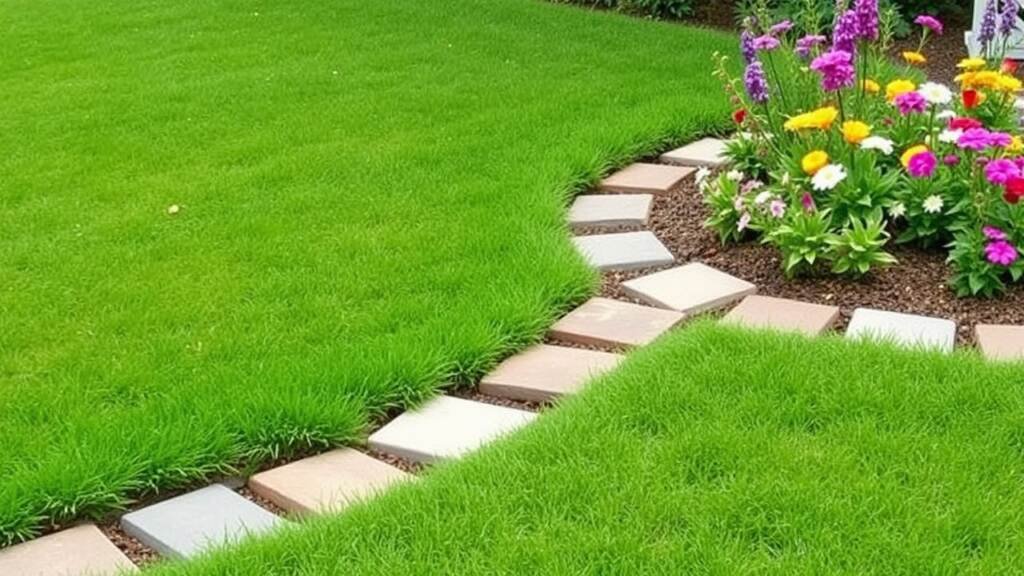
Adding edges is the finishing touch that defines your paver patio. Install paver edging around the perimeter to contain the patio pavers and prevent them from shifting. Secure the paver edging with stakes, following the manufacturer’s instructions. This not only enhances the aesthetic appeal but also provides structural support. The edge creates a clean, professional look and ensures the stability of your new DIY patio. Proper edging is essential for a lasting and beautiful outdoor living space.
Enhancing Your Outdoor Space
Incorporating a Fire Pit into Your Patio Design
Consider incorporating a fire pit into your patio design for added warmth and ambiance. A fire pit becomes a natural gathering spot, perfect for cool evenings and social gatherings. When planning, consider the size and location of the fire pit to ensure it complements your patio furniture and doesn’t obstruct traffic flow. Always check local building codes for regulations regarding fire pit installations. A well-placed fire pit can transform your backyard patio into a cozy and inviting outdoor space for you to enjoy.
Landscaping Around Your New DIY Patio
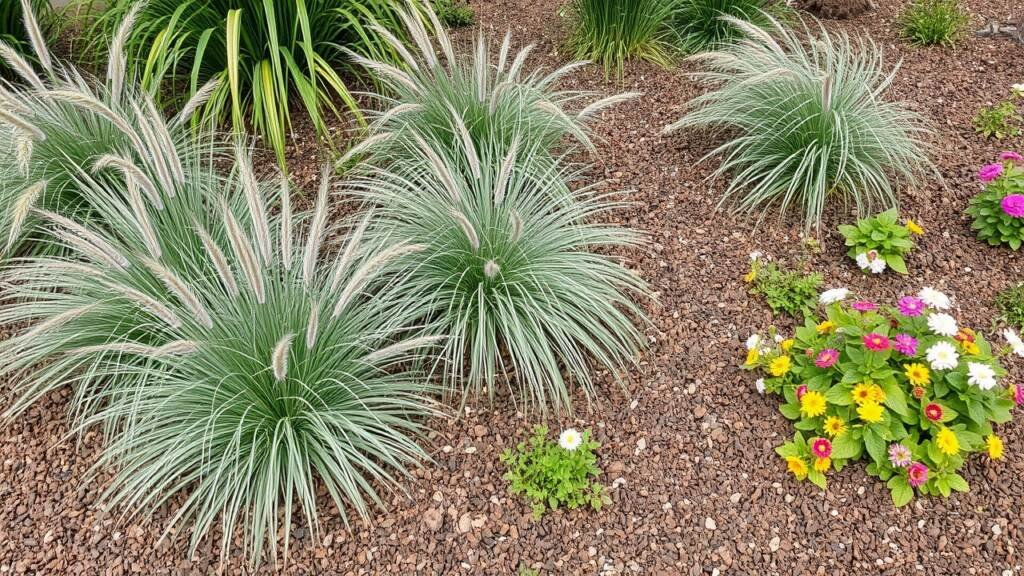
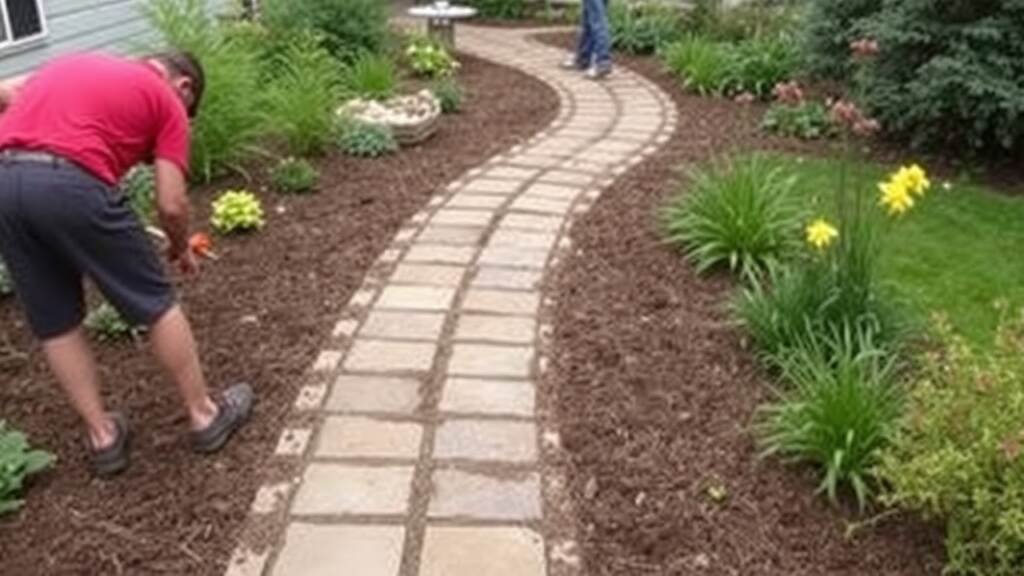
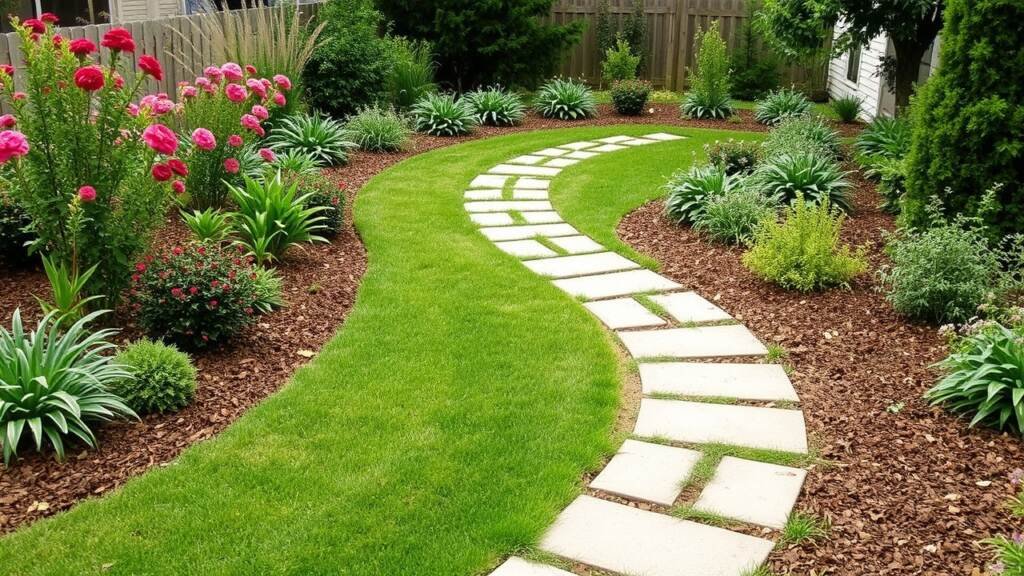
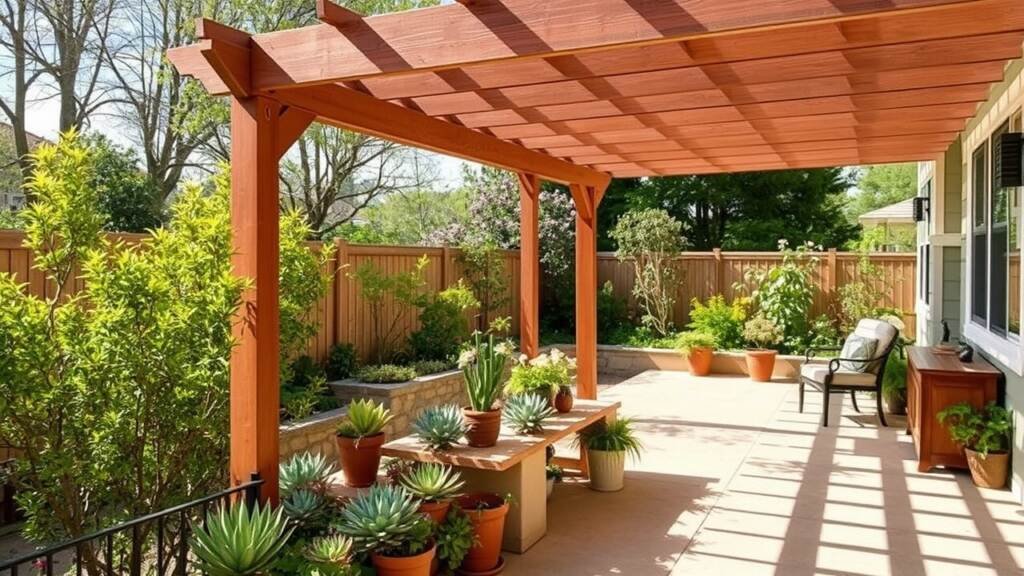
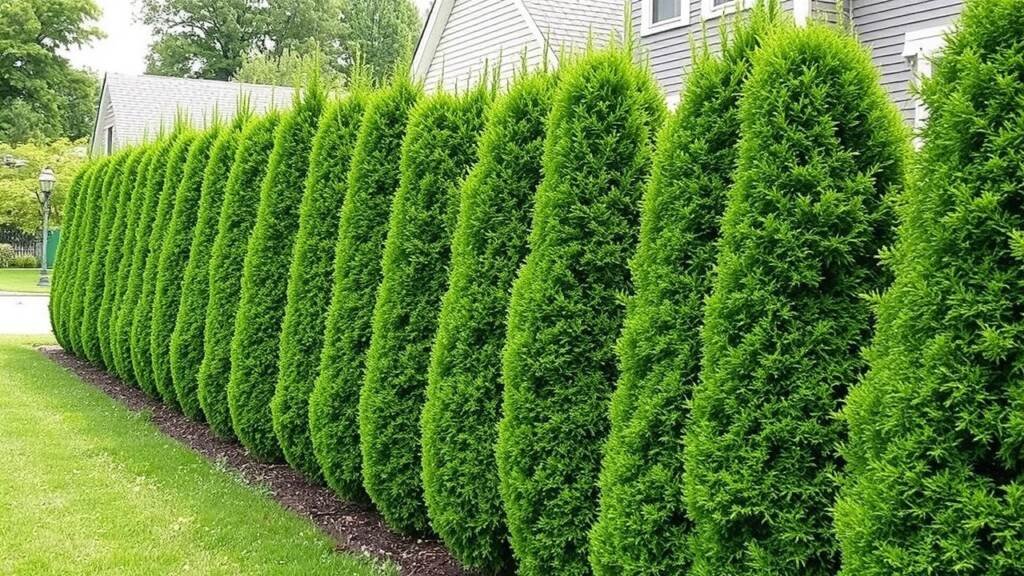
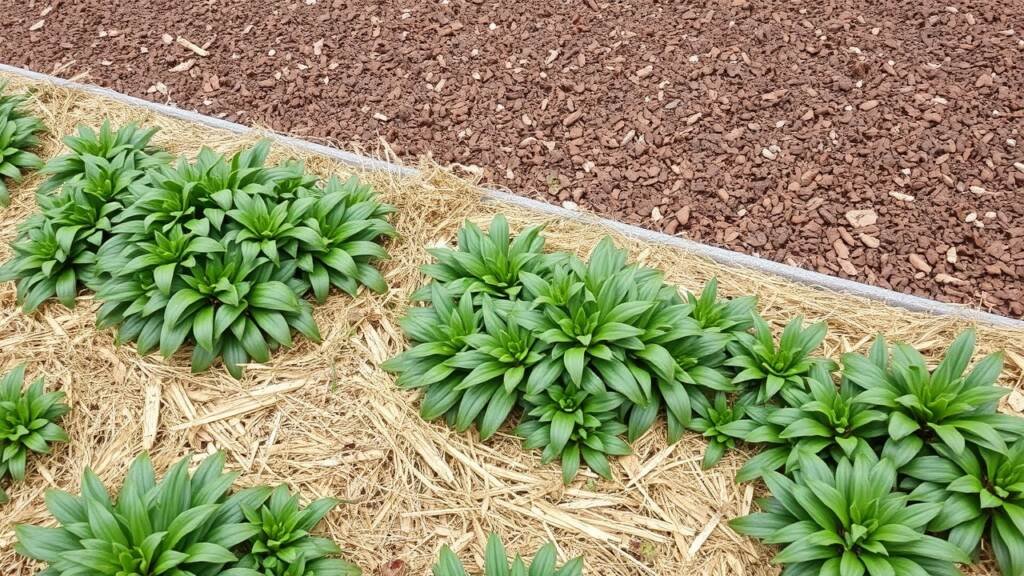
Landscaping around your new DIY patio enhances its beauty and integrates it into your backyard. Choose plants that complement your home’s style and thrive in your local climate. Consider adding flower beds, shrubs, or even small trees to create a lush and inviting atmosphere. Mulching around the plants helps retain moisture and suppress weeds. Thoughtful landscaping can transform your paver patio into a serene outdoor oasis. Before starting any DIY project, be certain you check local building codes to ensure you’re compliant with regulations.
Maintaining Your Paver Patio for Longevity
Maintaining your paver patio is essential for its longevity and appearance. Regularly sweep the patio surface to remove dirt and debris. Periodically apply jointing sand to fill the gaps between the patio pavers, preventing weed growth and paver shifting. Clean spills immediately to prevent staining. With proper care, your patio pavers will continue to look beautiful for years to come. This step-by-step guide to maintenance will help you protect your build your own patio project. Consider resealing the pavers periodically to maintain their color and protect against the elements.