Discover effective strategies to eliminate pooling water and prevent damage to your property. This guide provides homeowners with practical landscape drainage solutions to ensure a healthy and beautiful yard.
Understanding Landscape Drainage Problems

To implement the best yard drainage solutions, it’s essential to understand the underlying drainage problem. Many homeowners face issues with excess water, leading to soggy lawns and potential structural damage. Recognizing the signs and causes of poor drainage is the first step in achieving proper drainage and protecting your landscape.
Common Causes of Drainage Problems
Several factors can contribute to drainage issues in your yard. Improper grading can cause surface water to flow towards your home’s foundation instead of away from it. Clogged gutters and downspouts prevent rainwater from being properly diverted, leading to water pooling and potential flooding. Additionally, a high water table or compacted soil can hinder water flow, resulting in bad drainage and the need for a comprehensive drainage system.
Signs of Poor Drainage in Your Yard
Identifying the signs of poor drainage early can help you implement landscape drainage solutions before significant damage occurs. Common indicators include standing water on your lawn for extended periods after rain, soggy areas that remain wet, and erosion around downspouts. You might also notice water pooling on your patio or near your home’s foundation, which can signal a need for professional drainage services.
Impact of Drainage Issues on Your Landscape
Ignoring drainage issues can have significant negative impacts on your landscape. Excess water can lead to root rot in plants, creating an unhealthy environment for your lawn and garden. Furthermore, standing water breeds mosquitoes and other pests. Over time, poor drainage can weaken your home’s foundation, leading to costly repairs. Implementing effective drainage solutions is crucial for maintaining the health and value of your property, such as a french drain system.
Effective Drainage Solutions
French Drains: An Overview
French drains are a popular drainage solution for diverting surface water and underground water away from your home’s foundation. These underground drainage systems consist of a trench filled with gravel and a perforated pipe, facilitating water flow and preventing water pooling. French drain systems offer an effective way to manage excess water and achieve better drainage in areas prone to flooding. Installing a french drain will ensure proper drainage, protecting your landscape.
Installing a Catch Basin
A catch basin is another effective drainage solution designed to capture surface water runoff and prevent water pooling. Typically installed at low points in your landscape, catch basins collect excess water and divert it into an underground drainage system. This prevents water from accumulating and causing bad drainage, erosion, or damage to your patio. Regularly maintaining your catch basin is crucial to ensure it effectively manages stormwater and improves drainage in your yard.
Utilizing Dry Wells for Excess Water
Dry wells provide a unique drainage solution for managing excess water by collecting and slowly releasing water into the ground. They act as an underground reservoir, mitigating water pooling and promoting proper drainage. This is particularly useful in areas with a high water table or compacted soil where traditional drainage methods may not suffice. Integrating dry wells into your landscape drainage design helps ensure your lawn remains healthy and prevents water-related issues, contributing to better drainage.
Designing a Proper Drainage System
Components of a Landscape Drainage System
A comprehensive landscape drainage system comprises several key components working together to ensure proper drainage. These include downspouts, gutters, french drains, catch basins, and strategically placed yard drains. Efficient gutter systems and downspouts divert rainwater away from your home, while french drains and catch basins manage surface water and underground drainage. Proper integration of these components is crucial for preventing water pooling and achieving effective drainage throughout your landscape.
Integrating Downspouts and Gutter Systems
Effective integration of downspouts and gutter systems is crucial for managing rainwater and preventing water pooling around your home’s foundation. Gutters should be kept clear of debris to ensure proper drainage, and downspouts should divert water away from your home and towards designated drainage areas. Extending downspouts or connecting them to underground drainage systems can further enhance their effectiveness. This integration prevents water from causing drainage issues and protects your landscape from erosion.
Grading Your Yard for Proper Drainage
Proper grading is fundamental to ensuring surface water flows away from your home and towards designated drainage areas. Yard grading involves adjusting the slope of your landscape to facilitate water flow, preventing water pooling and bad drainage. Effective grading directs surface water away from your home’s foundation, driveways, and patios, reducing the risk of flooding and water damage. This simple yet crucial step enhances the effectiveness of other landscape drainage solutions and ensures better drainage in your yard.
Creative Landscaping to Manage Drainage
Rain Gardens as a Natural Solution
Rain gardens offer an attractive and effective landscape drainage solution for managing stormwater and improving drainage in your yard. These shallow, planted depressions capture surface water runoff, allowing it to slowly infiltrate into the ground. By incorporating native plants and permeable soil, rain gardens naturally filter pollutants and reduce water pooling, offering a beautiful and functional approach to landscape drainage systems. Furthermore, rain gardens promote better drainage and prevent bad drainage, enhancing the beauty of your landscape.
Using Dry Creeks for Aesthetic Drainage
Dry creeks provide an aesthetic and practical landscape drainage solution for managing surface water and improving drainage in your yard. These constructed channels mimic natural stream beds, directing water away from your home and preventing water pooling. By incorporating stones, gravel, and native plants, dry creek beds enhance the visual appeal of your landscape while effectively managing water flow. They act as a natural drain, channeling stormwater and ensuring proper drainage, particularly useful in areas prone to erosion and flooding. Dry creeks bring a natural aesthetic to your home and are considered an effective drainage solution.
Incorporating Hardscapes to Divert Water
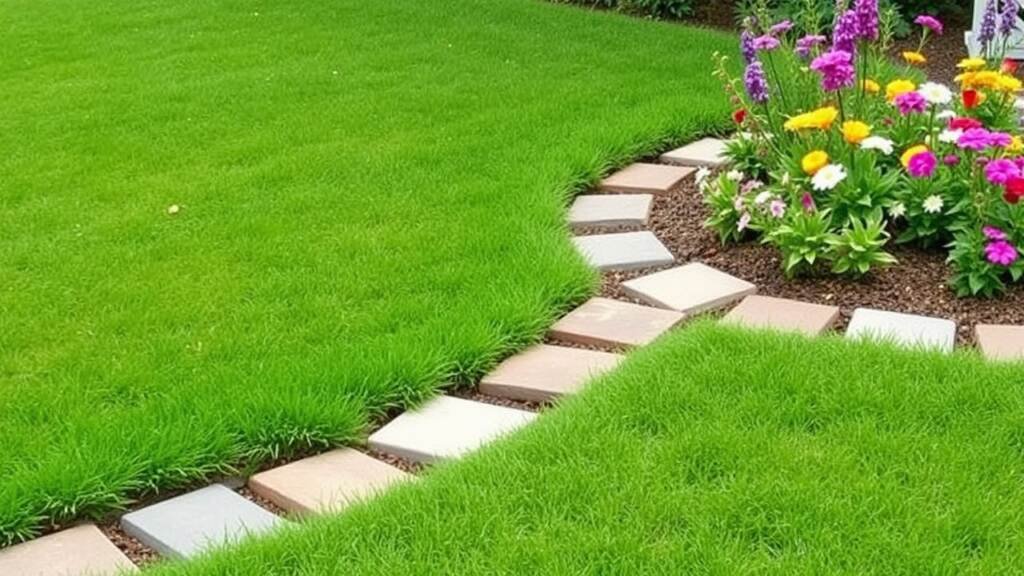
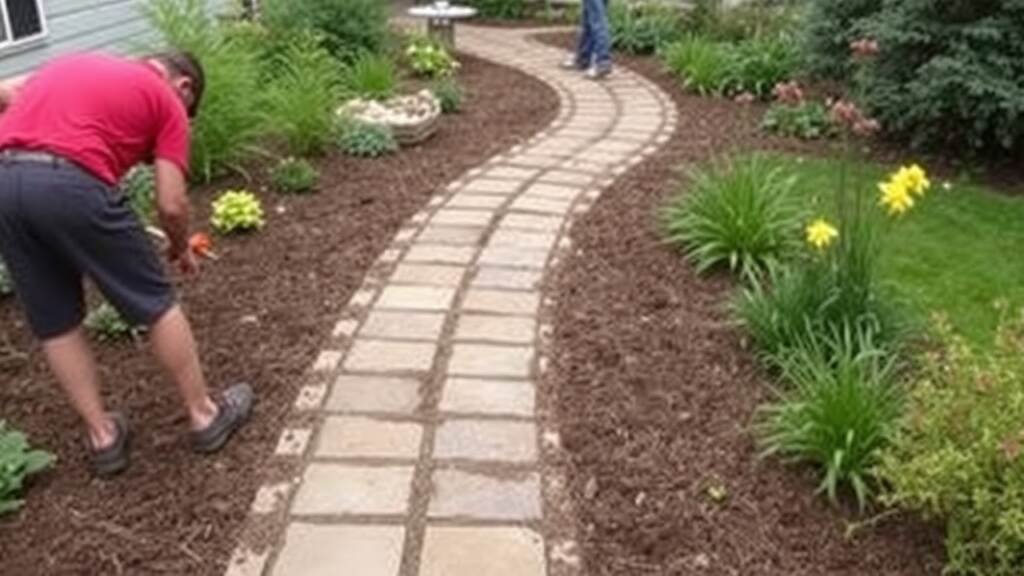
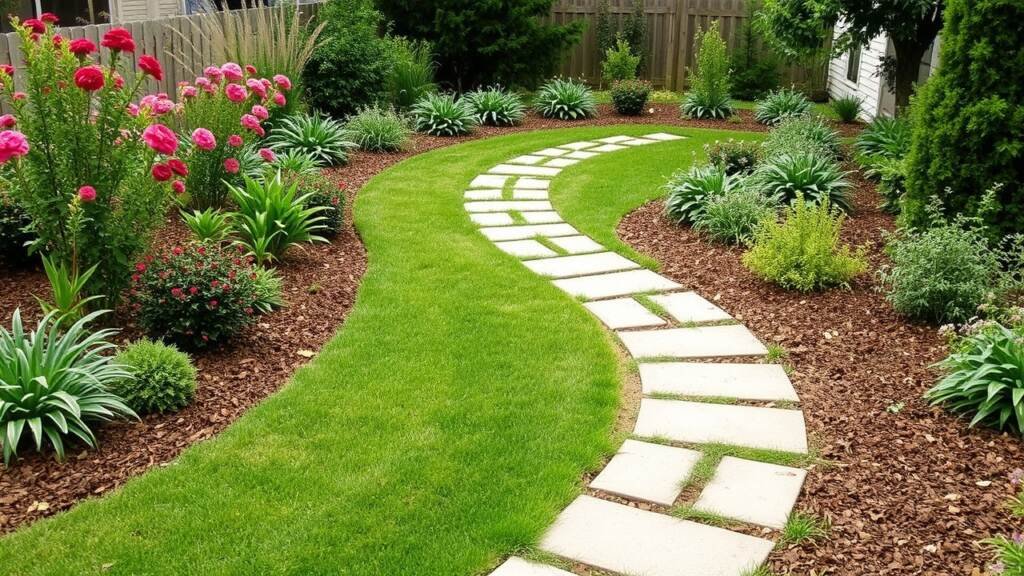
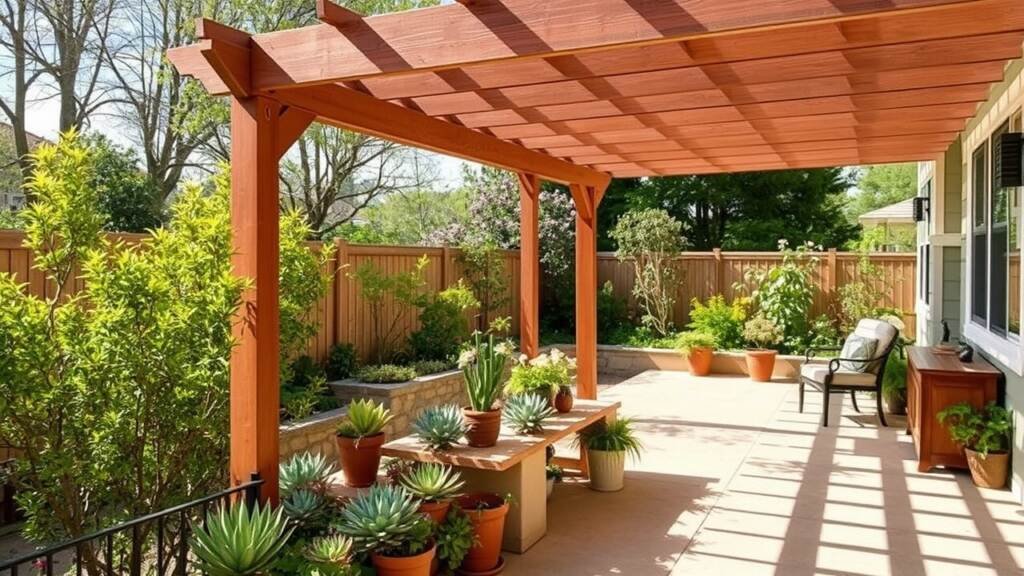
Strategic incorporation of hardscapes can significantly improve drainage in your yard by diverting surface water away from vulnerable areas. Properly designed patios, walkways, and retaining walls can redirect water flow and prevent water pooling near your home’s foundation. Permeable pavers and gravel surfaces allow rainwater to infiltrate into the ground, reducing runoff and promoting better drainage. Integrating these elements ensures efficient stormwater management and protects your landscape from bad drainage and erosion. With proper grading, you can channel the flow of water away from the home, eliminating erosion.
Professional Drainage Services
When to Hire a Professional
Knowing when to seek professional drainage services is crucial for addressing complex drainage problems effectively. If you experience persistent water pooling, flooding, or erosion despite implementing basic drainage solutions, it’s time to consult a landscape drainage expert. Professional drainage services can assess your landscape, identify the root cause of drainage issues, and recommend tailored solutions such as installing a french drain or improving yard grading to ensure proper drainage. If you start to see standing water, it is time to call for professional drainage services.
What to Expect from Drainage Services
When hiring professional drainage services, expect a comprehensive assessment of your landscape drainage issues and a customized drainage solution plan. Professionals will evaluate your yard’s grading, soil composition, and water flow patterns to identify the underlying causes of poor drainage. They may recommend installing drainage systems such as french drains, catch basins, or dry wells to manage excess water and prevent water pooling. A professional will also integrate downspouts and gutter systems to ensure rainwater is effectively diverted away from your home, leaving you with effective drainage.
Cost Considerations for Drainage Installation
When planning a landscape drainage project, it’s essential to consider the cost implications of different drainage solutions. The cost of drainage installation can vary depending on the complexity of the drainage system, the size of your yard, and the materials used. French drains, catch basins, and dry wells each have different installation costs, and professional drainage services may offer various pricing options. Investing in proper drainage solutions prevents costly water damage and ensures long-term protection of your landscape from bad drainage, flooding, and erosion, as well as maintaining proper drainage.
- Pet-Friendly Lawn Building: Choosing Grass That Resists Digging and Yellow Spots
- How to Aerate Your Lawn the Easy Way – Boost Soil Health & Grass Growth
- Types of landscaping styles that work for any space
- Landscape Lighting Ideas That Enhance Beauty and Safety
- Artificial grass installation cost per square foot