
Weeds are a common frustration for homeowners across the United States. They can quickly diminish your curb appeal and choke the life out of your otherwise beautiful lawn. This guide provides actionable lawn care tips and weed prevention strategies to help you keep weeds from taking over and maintain a healthy lawn.
Understanding Weeds and Their Impact on Your Lawn
What Are Weeds and Why Do They Thrive?
Weeds are simply plants growing where they are not wanted. They are incredibly opportunistic, often thriving in disturbed soil or areas where your turfgrass is thin. In the U.S., varying climates mean different challenges; cool-season weeds like crabgrass and clover flourish in the north, while warm-season varieties cause headaches further south. Understanding this is the first step in effective weed control for lawns.
The Quick Spread of Weeds in Your Lawn
One of the biggest challenges homeowners face is the rapid spread of weeds. Many weeds are prolific seed producers, with a single dandelion, for example, capable of releasing hundreds of weed seeds into your lawn and garden. These weed seeds can lay dormant for years, waiting for the right conditions to germinate and sprout. Wind, water, and even animals can further distribute these invaders.
Effects of Weeds on Lawn Health and Curb Appeal
Weeds compete with your grass for essential resources like sunlight, water, and nutrients. This competition weakens your turfgrass, making it more susceptible to diseases and pests. Beyond the health of your lawn, weeds detract significantly from its appearance. A lawn riddled with dandelion, clover, or crabgrass simply doesn’t have the same curb appeal as a lush, green, healthy lawn.
How Weeds Spread and Soil Issues

Understanding How Weeds Spread
Weeds employ various methods to spread, making weed prevention a multi-faceted challenge. Some, like crabgrass, spread through seeds that are easily dispersed. Others, like certain perennial weeds, spread through underground rhizomes or tubers, allowing them to regenerate even if you pull weeds from the surface. Understanding these propagation methods is critical for effective weed control.
Soil & Nutrient Issues That Encourage Weed Growth
The health of your soil plays a significant role in preventing weeds from growing. Compacted soil, poor drainage, and nutrient imbalances create an environment where weeds thrive and your grass struggles. Weeds are often more tolerant of poor soil conditions than turfgrass. Soil testing and amendments, like proper fertilizer application, can help create a healthier lawn that naturally resists weed growth.
Healthy Lawn Maintenance to Prevent Weeds
Maintaining a healthy lawn is a powerful weed prevention strategy. Thick, dense turfgrass naturally crowds out weeds and prevents weed seeds from germinating. Regular lawn care practices, such as proper mowing height, deep and infrequent watering, and seasonal fertilizer application, contribute to a strong, healthy lawn that is less susceptible to weed problems.
Core Weed Prevention Strategies
Effective Lawn Care Tips to Stop Weeds
Effective lawn care is crucial if you want to stop weeds. Regular mowing at the correct height encourages healthy grass growth, which helps your lawn stay thick, preventing weed seeds from germinating. Proper fertilization provides the necessary nutrients for robust turfgrass, enabling it to crowd out weeds naturally. A dense, healthy lawn is the best defense against weed problems.
Pre-emergent vs Post-emergent Herbicides
Understanding the difference between pre-emergent and post-emergent herbicides is essential for effective weed control. Pre-emergent herbicides are applied to prevent weed seeds from sprouting, targeting weeds before they emerge. Crabgrass preventer is a common type. Post-emergent herbicides, on the other hand, are used to kill weeds that are already growing in your lawn or garden, allowing you to remove weeds that have already sprouted. Careful herbicide application, following label instructions, is key to controlling weeds without harming your grass.
Natural Maintenance Habits to Keep Weeds Away
Adopting natural maintenance habits can significantly reduce weed growth. Mulching garden beds helps as a weed barrier, preventing weed seeds from germinating. Overseeding thin areas of your lawn with grass seed helps your lawn stay thick and crowd out weeds. Deep, infrequent watering encourages strong root growth in your grass, making it more competitive against weeds. These practices contribute to a healthy lawn and garden, minimizing the need for harsh chemicals to get rid of weeds.
Common Mistakes Homeowners Make

Missteps in Lawn Care That Encourage Weeds
Many homeowners inadvertently make mistakes in lawn care that actually encourage weeds. Overwatering, for example, can create a moist environment where weeds thrive. Improper mowing, such as cutting the grass too short, weakens the turfgrass and allows sunlight to reach weed seeds, promoting germination. Neglecting to fertilize regularly can lead to nutrient deficiencies, making the lawn more susceptible to weed problems. Addressing these missteps is key to preventing weeds from growing.
Understanding Mowing Height and Its Effects
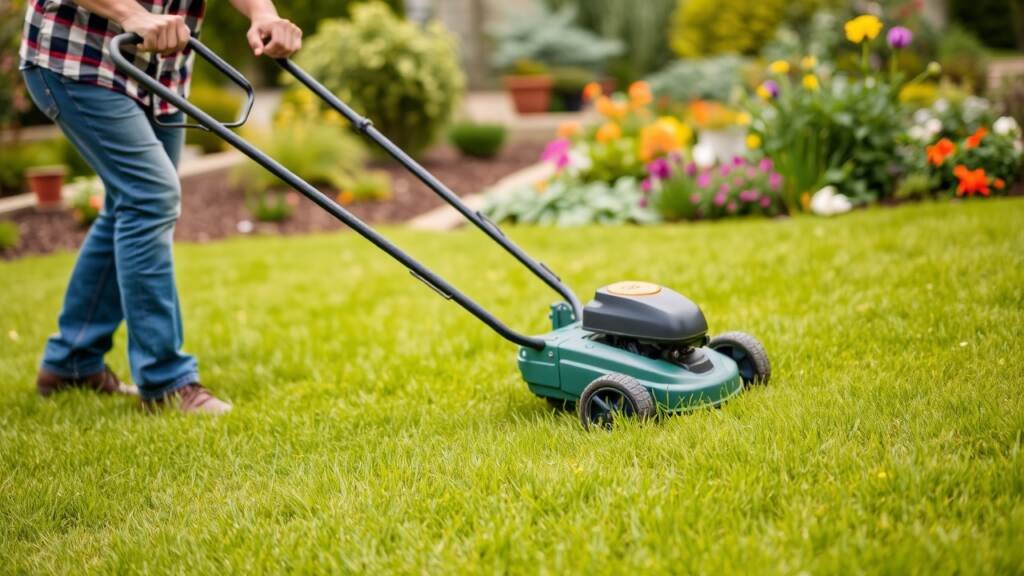
Mowing height plays a critical role in weed prevention. Mowing too short allows sunlight to reach the soil surface, encouraging weed seeds to sprout. Taller grass shades the soil, preventing weeds from germinating and competing for resources. Different types of grass have different mowing height requirements, so it’s important to understand the specific needs of your turfgrass to maintain a healthy lawn and keep weeds away. A good landscape professional can provide guidance on this.
Importance of Proper Watering Techniques
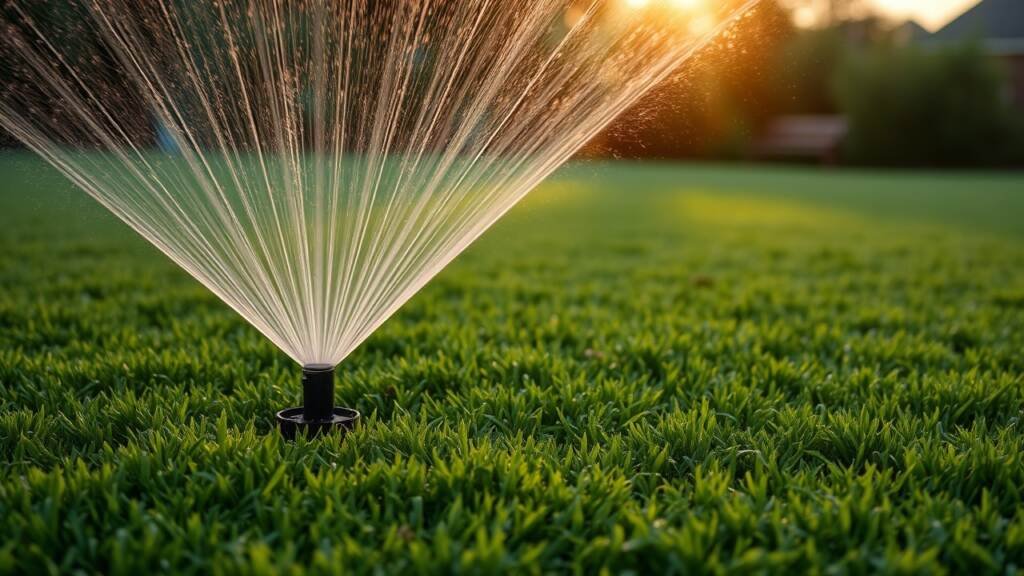
Proper watering techniques are essential for a healthy lawn and effective weed control. Shallow, frequent watering encourages shallow root growth, making the grass more vulnerable to drought and weed competition. Deep, infrequent watering promotes strong, deep root systems, helping the grass outcompete weeds for water and nutrients. Understanding the specific watering needs of your type of grass is crucial for preventing weeds from taking over.
Identifying Common Weeds in Your Lawn
Annual Weeds: Crabgrass and More
Annual weeds, such as crabgrass, complete their life cycle in a single growing season, producing abundant weed seeds before they die. Crabgrass is a common nuisance, thriving in warm weather and compacted soil. Effective control requires preventing weed seeds from germinating in the spring with a pre-emergent herbicide or promptly removing seedlings as they appear. Regular lawn care helps your lawn stay thick, which prevents crabgrass from gaining a foothold.
Perennial Weeds: Dandelions and Clover
Perennial weeds, like dandelions and clover, live for more than two years, often spreading through underground roots or rhizomes. Dandelions are easily identifiable by their yellow flowers and deep taproots, while clover can tolerate poor soil conditions. Removing these weeds completely often requires persistent effort, including digging them out or using a post-emergent herbicide specifically designed for broadleaf weeds. Destiny Landscaping knows the best weed control products to remove weeds without harming your lawn.
Broadleaf vs. Grassy Weeds
Understanding the difference between broadleaf weeds and grassy weeds is crucial for selecting the right weed control products. Broadleaf weeds, like dandelions and clover, have wide leaves and a network of veins. Grassy weeds, like crabgrass and foxtail, resemble turfgrass in their early stages. Herbicides are often formulated to target one type or the other, so correct identification ensures effective weed control. Broadleaf weeds are usually easier to kill using selective herbicide.
Timing is Everything
Seasonal Strategies for Weed Prevention
Effective weed prevention requires a seasonal approach. To achieve this, consider the following steps throughout the year:
- In the spring, apply a pre-emergent herbicide to prevent weed seeds from germinating.
- In the summer, address any weeds that have emerged with post-emergent treatments.
- In the fall, focus on overseeding thin areas and fertilizing to promote healthy turfgrass growth before winter.
Consistent lawn care throughout the year is key to keeping weeds at bay and helps your lawn stay thick and healthy. With proper lawn care you can prevent weeds from growing.
When to Apply Pre-Emergent Herbicides
The timing of pre-emergent herbicide application is critical for effective weed control. Apply pre-emergent herbicides in early spring, before weed seeds begin to germinate. Soil temperatures should be consistently around 55°F (13°C) for several days. A second application may be necessary in late spring or early summer for extended control, especially in areas with heavy weed pressure. Knowing when to spray is essential for preventing weeds from taking over your lawn or garden. Destiny Landscaping can help you to properly apply granular pre-emergent herbicides.
Post-Emergent Application Timing
Post-emergent herbicides are most effective when weeds are young and actively growing. Apply post-emergent treatments on a calm day, avoiding windy conditions that can cause the herbicide to drift onto desirable plants. Follow label instructions carefully, and avoid applying herbicides during periods of extreme heat or drought stress. Spot treat weeds as needed to minimize herbicide use and protect the environment. Choose weed control products that specifically target broadleaf or grassy weeds as appropriate.
Destiny Landscaping: Your Partner in Weed Prevention
Preventing weeds from taking over your lawn requires a comprehensive approach that combines proper lawn care practices, timely herbicide application, and ongoing maintenance. While these strategies can be effective, many homeowners find it challenging to implement them consistently. That’s where Destiny Landscaping comes in. We offer expert weed prevention services tailored to your specific lawn care needs, helping you achieve a lush, weed-free lawn. Destiny Landscaping can create your weed prevention strategies.
From soil testing and fertilization to pre-emergent and post-emergent herbicide applications, Destiny Landscaping provides comprehensive lawn care solutions that address the root causes of weed problems. Our experienced technicians understand the unique challenges of weed control in the U.S. and can develop a customized plan to keep your lawn healthy and beautiful year-round. With our help, you can enjoy a weed-free lawn without the hassle and frustration. Destiny Landscaping knows what type of grass you have and the most effective methods to control weeds.
Don’t let weeds ruin your curb appeal and diminish your enjoyment of your outdoor space. Contact Destiny Landscaping today for a free consultation and learn how we can help you prevent weeds from taking over your lawn. (internal link: Smart Lawn irrigation planning)
Practical Tips for a Weed-Free Lawn
Seasonal Timing for Pre-emergents
Timing is crucial when applying pre-emergent herbicides for effective weed prevention. The best time to spray is early spring, before weed seeds germinate, usually when soil temperatures reach around 55°F. This herbicide application creates a weed barrier, stopping weeds like crabgrass from sprouting. A second application later in the growing season might be needed for extended weed control, preventing weeds from growing and ruining your lawn or garden. It’s essential to prevent weeds.
Overseeding to Crowd Out Weeds
Overseeding is a great lawn care strategy to crowd out weeds and maintain a healthy lawn. By spreading grass seed over thin or bare spots, you create a dense turfgrass that naturally prevents weed seeds from germinating. A thick lawn is more competitive and can effectively stop weeds from taking over. Choose a type of grass that is well-suited to your climate and soil conditions for optimal results and to help your lawn stay thick, which helps prevent weeds from growing.
Mulching Techniques to Prevent Weeds
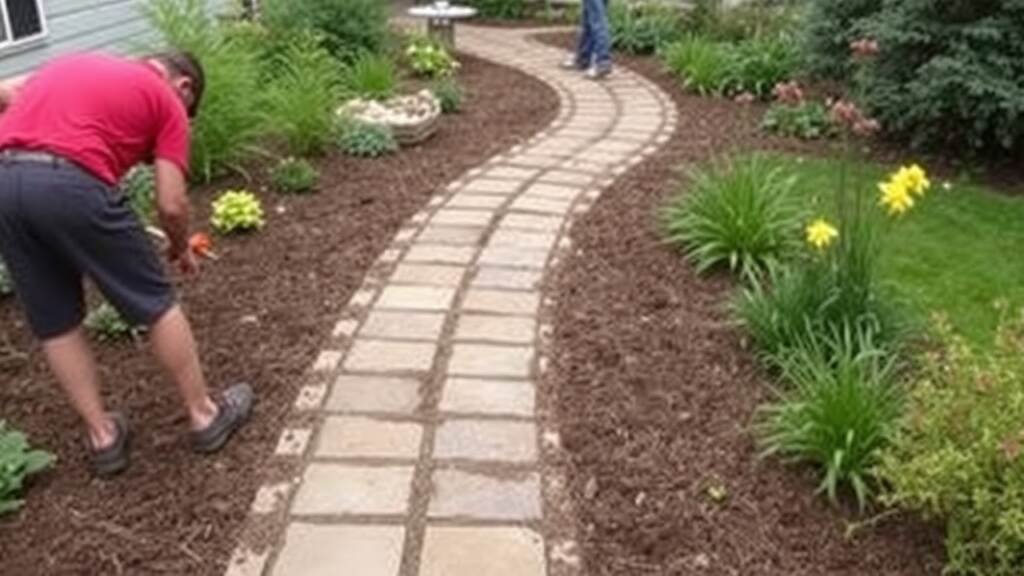
Mulching is an effective technique for preventing weeds in your garden beds. A layer of mulch acts as a weed barrier, preventing sunlight from reaching weed seeds in the soil, which helps prevent weeds from growing. Organic mulches, like wood chips or shredded bark, also improve soil health as they decompose, providing additional benefits for your landscape. Regularly replenish the mulch layer to maintain its effectiveness as a weed prevention strategy. Mulching smothers weed seedlings and prevents future weed problems.
Seeking Professional Help
How Destiny Landscaping Can Assist with Weed Control
If you’re struggling with weeds in your lawn, Destiny Landscaping offers expert weed control services to help you achieve a weed-free lawn. We provide a comprehensive approach that includes identifying common weeds, recommending the appropriate herbicide application, and implementing effective weed prevention strategies. Our lawn care professionals understand the specific challenges of weed control and can tailor a plan to your lawn or garden. With Destiny Landscaping, you can say goodbye to weed problems and hello to a healthy lawn.
Long-term Lawn Maintenance Solutions
Long-term weed control requires a commitment to healthy lawn maintenance practices. Destiny Landscaping offers comprehensive lawn care solutions designed to promote strong, healthy turfgrass that naturally resists weed growth. Our services include soil testing, fertilization, proper mowing techniques, and deep watering strategies. By addressing the underlying causes of weed problems, we can help you maintain a beautiful, weed-free lawn year after year. Proper lawn care prevents weeds from growing.
Requesting Help for Your Lawn and Garden Needs
Don’t let weeds ruin the beauty and enjoyment of your lawn and garden. If you’re tired of battling weeds, contact Destiny Landscaping today for a free consultation. Our experienced team can assess your lawn care needs and develop a customized plan to prevent weeds from taking over. From pre-emergent applications to post-emergent treatments and ongoing maintenance, we have the expertise and resources to help you achieve a lush, weed-free outdoor space. Weeds are a common problem, but Destiny Landscaping can help.