Embark on a journey of tranquility with Zen garden design, transforming your outdoor space into a serene retreat. Inspired by Japanese garden aesthetics, these gardens offer a unique blend of nature and contemplation. Let’s explore some key aspects that define a Zen garden:
- Essential elements
- Design ideas
Discover how to create a zen garden that fosters calm and invites peaceful reflection, embracing the art of a serene outdoor experience.
Introduction to Zen Gardens

What is a Zen Garden?
A Zen garden, often referred to as a Japanese rock garden or dry landscape garden, is a carefully composed miniature landscape that embodies Zen principles. These gardens use elements like gravel, rocks, and occasionally moss or carefully pruned plants to represent mountains, water, and other natural scenes. The goal of Zen garden design is to create a meditative space that encourages contemplation and inner peace. Unlike traditional gardens with lush greenery and vibrant flowers, Zen gardens emphasize simplicity and tranquility.
History and Significance of Japanese Gardens
Japanese gardens have a rich history deeply intertwined with Japanese culture and Zen Buddhism. Originating centuries ago, these gardens were initially created for nobles and monks as places for meditation and spiritual reflection. Over time, different types of Japanese gardens evolved, including tea gardens, pond gardens, and the meticulously crafted Zen gardens. Each style reflects a unique aspect of Japanese aesthetics, valuing harmony, balance, and a deep connection with nature, utilizing Japanese elements to enhance the experience.
Benefits of a Serene Outdoor Experience
Creating a serene outdoor experience through Zen garden design offers numerous benefits for mental and emotional well-being. Spending time in a tranquil environment reduces stress, promotes relaxation, and enhances mindfulness. A Zen garden provides a space for quiet contemplation, helping to calm the mind and foster a sense of inner peace. Whether you have a small space or a sprawling courtyard, incorporating Zen-inspired design ideas can transform your garden into a meditative sanctuary.
Key Elements of Zen Garden Design
Clean Lines and Minimalism
Zen garden design emphasizes clean lines and minimalism, creating a visually serene outdoor space. The principle of “less is more” is central; avoid clutter and excessive ornamentation. Using carefully placed larger rocks and gravel, a Zen garden evokes a sense of spaciousness and tranquility. Each element should have a purpose, contributing to the overall sense of calm. A Japanese garden focuses on simplicity, allowing the mind to find peace in the unadorned landscape. Employing negative space effectively is crucial in achieving this minimalist aesthetic, enhancing the meditative qualities of the Zen garden.
Incorporating Water Features
While many Zen gardens are dry landscapes, incorporating a water feature can enhance the garden’s sense of tranquility. A small water feature, such as a bamboo fountain or a stone basin, introduces the soothing sound of flowing water, promoting relaxation. Even in dry gardens, water can be symbolized through carefully raked gravel patterns, mimicking the movement of water. When using real water, keep the design clean and simple, reflecting the minimalist ethos of Zen design. A Japanese-style garden can be elevated with the subtle inclusion of water, adding another layer of sensory experience.
Choosing the Right Plants for Tranquility
Creating a peaceful Zen garden relies heavily on choosing the right plants. The selection should lean towards plants known for evoking serenity. Good choices include:
- Moss
- Ferns
Carefully pruned bonsai trees are also a great choice. Remember to focus on greenery and foliage rather than brightly colored flowers.
Types of Japanese Gardens
Exploring Rock Gardens
Rock gardens, also known as dry landscape or Zen gardens, are a quintessential type of Japanese garden. These gardens use meticulously arranged rocks, gravel, and sand to symbolize mountains, islands, and water. The gravel is carefully raked to represent ripples in water, creating a serene and meditative landscape. The arrangement of larger rocks is crucial, with each rock placed deliberately to evoke a sense of balance and harmony. Rock gardens embody Zen design principles, emphasizing simplicity and tranquility, offering a peaceful Zen experience.
Understanding Courtyard Gardens
Courtyard gardens in the Japanese tradition offer a serene outdoor space within the confines of a building. These gardens, often in a small space, create a tranquil oasis using elements like moss, stone lanterns, and carefully selected plants. Courtyard gardens are designed to be viewed from inside, providing a connection to nature and a moment of calm contemplation. The limited garden space is used efficiently, with each design idea contributing to the overall sense of peace. These gardens often incorporate a small water feature, adding a soothing element to the tranquil environment.
Small Space Japanese Zen Gardens
Even in a small space, it’s possible to create a beautiful and peaceful Japanese Zen garden. These gardens maximize tranquility by incorporating essential Japanese elements such as gravel, moss, and carefully pruned plants. Consider using vertical elements, such as bamboo screens or climbing vines, to create a sense of depth. A small water feature can also enhance the tranquility of the small space. The focus should be on clean lines and minimalism, creating a Zen-inspired retreat that feels both spacious and serene. These Zen garden designs bring peace in limited areas.
Design Ideas for a Serene Space
Using Moss and Ferns for Aesthetic Appeal
Moss and ferns are excellent choices for enhancing the aesthetic appeal of a Zen garden. In particular, these plants offer several key benefits:
- Moss provides a lush, green ground cover, creating a soft and tranquil backdrop for other elements.
- Ferns add texture and movement, enhancing the garden’s serene atmosphere.
These plants thrive in shady, moist environments, making them ideal for creating a peaceful Zen garden. Incorporating different types of moss and ferns can add depth and visual interest, creating a meditative garden space. These plants also complement stepping stones.
Adding Lanterns for Ambiance
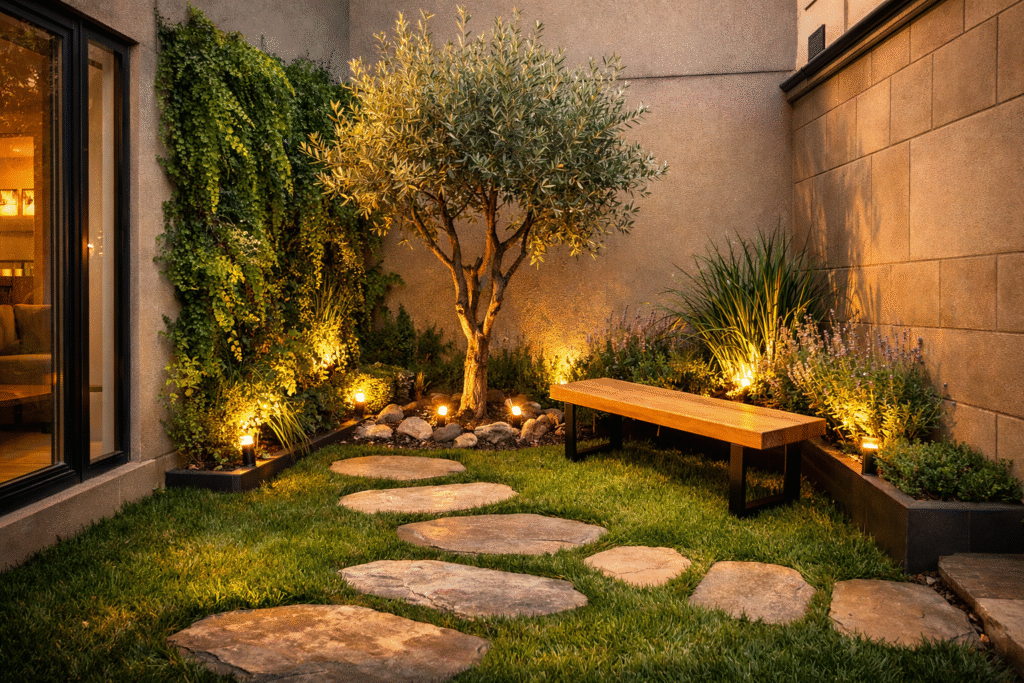
Lanterns are a classic addition to Japanese gardens, providing both light and ambiance. Stone lanterns, in particular, add a traditional touch and enhance the garden’s serene atmosphere. Place lanterns strategically to highlight key features, such as a water feature or a carefully arranged rock grouping. The soft, diffused light from the lanterns creates a warm and inviting atmosphere, perfect for evening relaxation. Incorporating lanterns into your garden design can transform your outdoor space into a tranquil Zen retreat.
Incorporating a Meditation Space
Creating a dedicated meditation space within your Zen garden design is ideal for fostering mindfulness and inner peace. This area should be separate from the rest of the garden, providing a quiet and secluded spot for contemplation. Consider using natural elements, such as a large rock or a grove of trees, to define the space. A simple bench or cushion can provide a comfortable place to sit and meditate. This Zen garden design can significantly enhance your overall serene outdoor experience as well.
Practical Tips for Creating Your Zen Garden
Planting and Pruning Techniques
Achieving a serene Zen garden requires thoughtful planting and regular pruning. Select plants that complement the minimalist aesthetic, such as moss, ferns, and carefully pruned bonsai. Use ground cover to maintain a lush green carpet, avoiding colorful flowers that may distract from the Zen atmosphere. Regular pruning ensures plants maintain their shape and prevents overgrowth, upholding the garden’s clean lines. Gardeners should master techniques that promote healthy foliage and tranquil growth, keeping the Japanese garden in harmony.
Raking Patterns for Zen-like Tranquility
Raking patterns are essential for creating Zen-like tranquility in a dry landscape garden. Use a specialized rake to create deliberate patterns in the gravel, symbolizing the movement of water. Experiment with different patterns to find what brings you calm, from simple lines to more intricate designs. The act of raking itself can be a meditative practice, helping to clear the mind and foster inner peace. Ensure the clean lines are well-defined, enhancing the visual appeal and meditative quality of your Zen garden design.
Modern Design Ideas for Contemporary Spaces
Integrate modern design ideas into your Zen garden to create a contemporary space that reflects tranquility. Use clean lines and minimalist garden design principles, and add unique garden features like a small water feature made of stone, and incorporate modern materials such as steel or glass. Consider adding a Zen-inspired meditation space with sleek, simple seating. These modern touches can transform your outdoor space into a peaceful Zen oasis. Consider using large rocks to fill the garden space, and maybe add some stepping stones.
Conclusion and Final Thoughts
Inspiration for Your Zen Garden Journey
Draw inspiration from various sources to fuel your Zen garden journey, considering both types of Japanese gardens and modern interpretations. Visit local Japanese gardens or explore garden ideas for a serene space online to gather ideas and inspiration. Experiment with different garden design elements and layouts to find what resonates with you. Let the principles of Zen design guide your choices, focusing on simplicity, harmony, and tranquility. Allow the process of creating a Zen garden to be as meditative as the finished space itself.
Encouraging a Mindful Approach to Garden Design
Embrace a mindful approach to garden design, allowing each decision to be guided by intention and awareness. As you select plants, choose those that evoke tranquility and connect with nature. As you arrange rocks, consider their placement and the balance they create. Engage with your garden daily, noticing the subtle changes in light, shadow, and texture. Use gardening as an opportunity to practice mindfulness, fostering a deeper connection with yourself and the world around you. This will ensure the garden remains in peaceful Zen.
Resources for Further Exploration
Expand your knowledge and skills by exploring additional resources on Zen garden design. Look for books, websites, and workshops that offer in-depth information on Japanese garden aesthetics and techniques. Join online communities of Zen garden enthusiasts to share ideas and gain support. Consider visiting local nurseries and Japanese-style garden centers to learn about plants and materials suitable for creating your Zen garden. With the right resources, you can cultivate a thriving Zen-inspired serene outdoor experience. This journey of learning makes you a true gardener.
- Luxury outdoor living spaces in puyallup wa ideas cost guide
- How retaining walls add value to your property in las vegas
- What Is a Smart Lawn? Why Homeowners Across the U.S. Are Switching to Intelligent Lawn Systems
- What type of lawn installation is best
- The Best 10 Landscaping Companies in Olympia, WA