
Achieving a lush, green lawn requires more than just occasional mowing. A year-round lawn care calendar is essential for maintaining a healthy lawn, as lawn needs change with the seasons. Understanding the specific care tips required each season helps prevent common lawn problems and ensures your lawn stays vibrant throughout the year. Destiny Landscape emphasizes proactive, season-aware lawn care to keep your property looking its best.
Why a Year-Round Lawn Care Calendar Matters
Preventative maintenance
Following a year-round lawn care calendar allows for preventative lawn maintenance. Addressing potential issues before they escalate saves time and resources. A well-structured lawn care program helps identify and mitigate problems like weed infestations and lawn diseases early, keeping your lawn healthy and reducing the need for extensive treatments later on.
Healthier root systems
Consistent lawn care, guided by a lawn maintenance calendar, promotes healthier root growth. Proper watering and fertilization, timed according to the season, ensure that grass roots grow deep and strong. Healthy roots improve the lawn’s ability to withstand drought, pests, and other stressors, leading to a more resilient and vibrant lawn year-round.
Reduced long-term effort
Adhering to a year-round lawn care schedule actually reduces the overall effort required to maintain your lawn. By implementing seasonal lawn care tasks at the right time, you minimize the chances of major problems developing. This proactive approach results in less frequent and less intensive lawn care tasks throughout the year, ultimately saving you time and energy.
Spring Lawn Care Tasks (March–May)
Cleanup and debris removal
As the weather warms, spring lawn care begins with a thorough cleanup. Rake away any leaves, branches, and debris that have accumulated over the winter. This debris removal improves air circulation and allows sunlight to reach the grass, promoting new growth and preparing your lawn for the growing season, enhancing the chance of a healthy lawn.
Aeration and overseeding
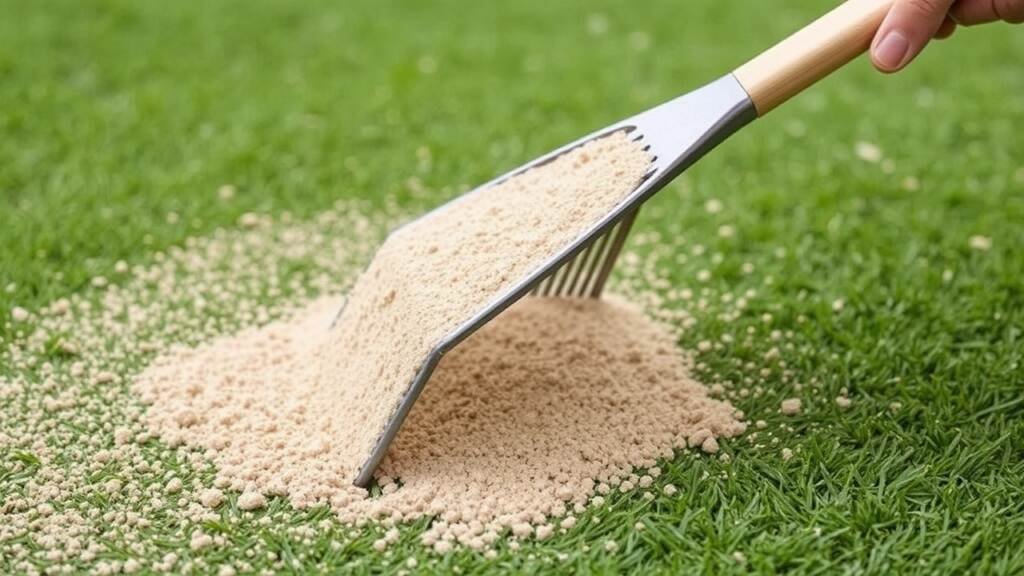
Spring is an ideal time to aerate your lawn, especially if you have compacted soil. Aeration improves soil structure, allowing air, water, and nutrients to penetrate the root zone. Overseeding after aeration helps to fill in bare spots and thicken your lawn, resulting in a denser and more uniform turf, optimizing your lawn year-round.
Early fertilization and weed prevention
Apply a pre-emergent herbicide to prevent crabgrass and other weeds from germinating. Follow up with an early spring fertilizer application to provide your grass with the nutrients it needs for vigorous growth. Choose a fertilizer formulated for your specific grass type and local soil conditions to ensure optimal results, contributing to a healthy lawn.
Summer Lawn Care Tasks (June–August)
Proper mowing height
During the summer lawn care season, maintain the proper mowing height for your grass type. Typically, a taller mowing height of around 3–4 inches helps shade the soil, reducing water evaporation and weed germination. Avoid cutting more than one-third of the grass blade at a time to prevent stress. Using a sharp lawn mower blade ensures a clean cut, promoting a healthy lawn.
Smart watering strategies
Effective watering is crucial during the summer lawn care season. Water deeply but infrequently, providing about one inch of water per week. Water early in the morning to minimize evaporation and reduce the risk of lawn diseases. Monitor your lawn for signs of drought stress, such as wilting or a bluish-gray tint, and adjust your watering schedule accordingly to keep your lawn healthy.
Heat stress and pest monitoring
Summer heat can cause significant stress on your lawn. Watch for signs of heat stress, like brown patches or thinning grass. Keep an eye out for common lawn pests such as grubs, chinch bugs, and sod webworms. Address pest infestations promptly to prevent further damage and maintain a healthy lawn. Applying appropriate lawn care tips can help mitigate these issues.
Fall Lawn Care Tasks (September–November)
Core aeration
Fall is an excellent time for core aeration, especially for cool-season grass. Aerating helps alleviate soil compaction, allowing air, water, and fertilizer to reach the roots more effectively. This promotes a stronger, healthier lawn by improving nutrient uptake and root development. Aeration is a crucial lawn care task for overall lawn health.
Overseeding
Overseeding in the fall thickens your lawn and fills in bare spots. Choose a high-quality grass seed that matches your existing grass type. After aeration, spread the grass seed evenly and lightly rake it into the soil. Keep the soil consistently moist until the new grass seedlings establish. This fall lawn care step ensures a lush, dense lawn year-round.
Fall fertilization
Fall fertilization is essential to prepare your lawn for winter. Apply a fertilizer with a higher ratio of phosphorus and potassium to promote root growth and cold hardiness. This helps the grass store energy for the dormant season and ensures a strong comeback in the spring. Proper fertilization is a key component of fall lawn care for a healthy lawn.
Preparing for dormancy
As temperatures drop, reduce mowing frequency and allow the grass to grow slightly taller before winter. Remove fallen leaves and debris to prevent lawn diseases. Ensure proper drainage to avoid standing water, which can damage the lawn during freezing temperatures. Preparing your lawn for dormancy ensures it will emerge healthy and strong in the spring and promotes healthy root growth.
Winter Lawn Care Tasks (December–February)

Minimizing foot traffic
During the winter lawn care months, when your lawn is dormant, minimize foot traffic to prevent damage. Frozen grass blades are brittle and easily broken, leading to thin spots and potential lawn diseases in the spring. Keep off the grass as much as possible, especially when it’s covered in frost or snow, ensuring you maintain a healthy lawn year-round.
Equipment maintenance
Winter is an ideal time to perform maintenance on your lawn equipment. Sharpen your lawn mower blades, clean and service your lawn mower engine, and inspect other tools for wear and tear. Proper equipment maintenance ensures that your lawn mower and other tools are ready for use when spring lawn care season arrives, helping you keep your lawn in top condition.
Planning for spring
Use the winter months to plan your spring lawn care schedule. Evaluate your lawn’s condition, note any problem areas, and create a lawn care program. Research the best fertilizers and weed control products for your lawn needs. Planning ahead ensures you’re prepared to tackle spring lawn care tasks efficiently and effectively for a healthy lawn.
Adjusting the Lawn Care Calendar by Climate Region
Cool-season vs warm-season grasses
Your lawn care calendar should be tailored to your climate region and the type of grass you have. Cool-season grasses, like Kentucky bluegrass and tall fescue, thrive in cooler temperatures and require different lawn care tips than warm-season grasses, such as Bermuda grass and Zoysia grass. Understanding your grass type is essential for effective lawn care.
Regional timing differences
The timing of seasonal lawn care tasks varies depending on your region’s climate. Spring lawn care may start earlier in the South than in the North. Monitor soil temperature to determine the best time to apply fertilizer and weed control products. Adjust your lawn maintenance calendar based on local weather conditions to optimize your lawn year-round.
Common Lawn Care Mistakes by Season
Overwatering in fall
Overwatering your lawn in the fall is a common mistake. As temperatures cool, grass needs less water. Excessive watering can lead to lawn diseases and shallow root growth, weakening the lawn before winter. Adjust your watering schedule based on weather conditions and only water when necessary for a healthy lawn.
Cutting grass too short in summer
Cutting your grass too short during the summer lawn care season stresses the lawn and makes it more susceptible to heat and drought. Taller grass blades provide shade to the soil, reducing water evaporation and weed germination. Maintain the proper mowing height for your grass type to keep your lawn healthy and resilient.
Ignoring soil health
Ignoring soil health is a significant lawn care mistake. Healthy soil is the foundation of a healthy lawn. Test your soil regularly to determine its pH and nutrient levels. Amend the soil with organic matter to improve drainage and fertility. Proper soil management enhances root growth and overall lawn health year-round.
Following a well-structured, year-round lawn care calendar simplifies lawn maintenance and ensures a consistently healthy lawn. By understanding seasonal lawn needs and adjusting your lawn care tips accordingly, you can maintain a vibrant and resilient lawn. Destiny Landscape understands the importance of consistent, season-based lawn care in maintaining the beauty and health of your landscape.