
Transforming your urban backyard into a haven for wildlife is easier than you might think. Whether you’re in a bustling metropolis or a quiet suburb, you can create a wildlife-friendly landscape that benefits local ecosystems. You can enhance your property and support wildlife through actions such as:
- Incorporating native plants
- Providing water sources
- Embracing eco-friendly practices
Doing so will support birds, bees, butterflies, and a wide range of wildlife species.
Benefits of Creating a Wildlife-Friendly Backyard
Increased Biodiversity
A wildlife-friendly backyard significantly boosts biodiversity. By planting native species, you create habitats for wildlife that attract insects, birds, and small mammals. This increased variety of wildlife species contributes to a healthier, more balanced ecosystem right outside your door. Inviting a diversity of life into your backyard creates a vibrant and dynamic environment, full of interesting sights and sounds.
Reduced Maintenance
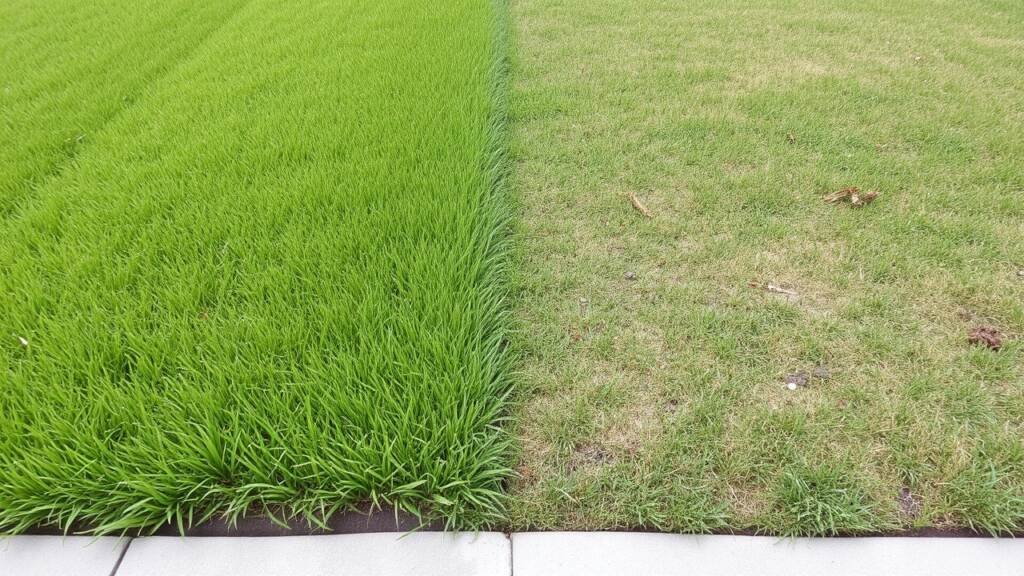
Creating a landscape that benefits wildlife can actually reduce your yard maintenance. Native plants, once established, require less watering and fertilizing than non-native species. Choosing the right native species can lead to a low-maintenance yard. By opting for natural landscaping solutions, you’ll spend less time mowing and more time enjoying your outdoor space.
Healthier Ecosystems
A wildlife-friendly landscape contributes to healthier ecosystems by providing essential resources for local fauna. A backyard habitat that includes native trees and shrubs supports native wildlife, which helps control pests naturally. By avoiding pesticides and herbicides, you protect wildlife and create a safer, more sustainable environment. Creating wildlife habitat in urban areas also supports the overall ecological health of the region.
Use of Native Plants for Habitat Creation
Why Native Plants Thrive in Urban U.S. Climates
Native plants are perfectly adapted to thrive in urban U.S. climates. Unlike non-native species, native plants require less water, fertilizer, and pest control because they’ve evolved alongside local conditions and wildlife. Planting native is beneficial to wildlife. They’re naturally more resilient and better suited to handle the challenges of urban environments, making them ideal choices for creating a sustainable and thriving backyard habitat for wildlife.
How They Support Pollinators and Birds
Native plants are essential for supporting pollinators and birds in urban areas. Native plant species provide food sources and shelter that these creatures depend on. By planting native vegetation, you attract birds, butterflies, and other beneficial insects that play a crucial role in pollination. A pollinator garden, filled with native plants, not only adds beauty to your backyard but also supports the local ecosystem. If you wish to attract birds, consider installing bird feeders.
Water Sources for Urban Wildlife
Bird Baths and Shallow Basins
Providing a reliable water source is vital for backyard wildlife, especially in urban areas where natural sources may be scarce. Birdbaths are a classic and simple way to offer water for birds, while shallow basins can cater to a wider range of wildlife species, including insects and small mammals like squirrels. Regular cleaning is essential to maintain hygiene and prevent the spread of diseases among your backyard wildlife visitors. Cleanliness of the water source is very important for the well-being of the visiting wildlife.
Mini Ponds for Wildlife
Consider adding a small pond to your backyard habitat to create a more diverse ecosystem. Even a mini pond can attract amphibians, insects, and other wildlife species. When designing your pond, include shallow areas and plant native vegetation around the edges to provide cover and forage for wildlife. A small pond can become a focal point in your landscaping for wildlife, offering both beauty and ecological benefits. This encourages many wildlife species to visit your backyard.
Safety and Cleanliness Tips
Maintaining safety and cleanliness around your water sources is paramount for protecting wildlife. Regularly clean birdbaths and ponds to prevent algae growth and mosquito breeding. Ensure that water sources have shallow areas or escape routes for insects and small animals to prevent accidental drowning. Avoid using chemicals or pesticides near water sources, as these can harm wildlife. Clean the feeder on a regular basis.
Shelter and Nesting Areas
Creating Shrubs and Ground Cover
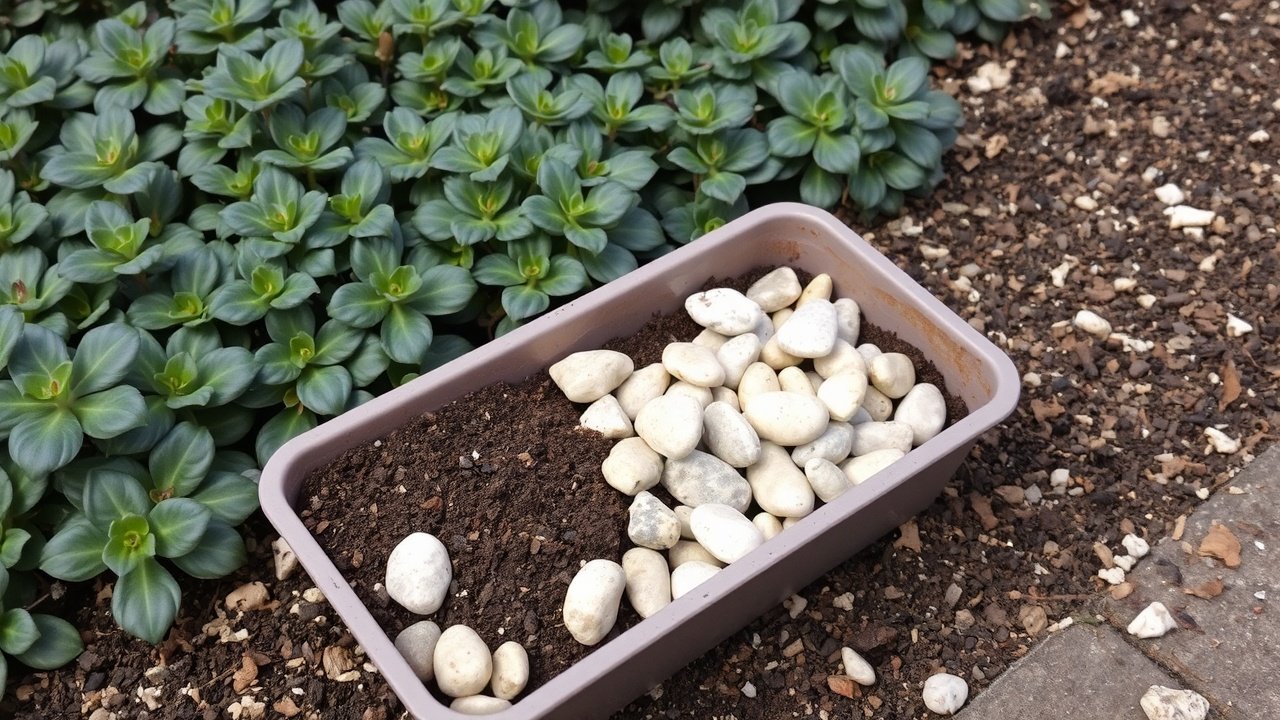
Creating shelters and nesting spots is crucial for turning your backyard into a true wildlife habitat. Shrubs and ground cover provide essential protection from predators and harsh weather, as well as nesting sites for various bird and mammal species. Plant native shrubs and allow leaf litter to accumulate to create a natural and inviting habitat for wildlife. This simple step can encourage a variety of wildlife species to thrive in your backyard.
Building Birdhouses and Bee Hotels
Enhance your urban backyard by adding birdhouses and bee hotels. These structures provide safe and cozy nesting areas for birds and solitary bees, contributing to local biodiversity. Place birdhouses in sheltered locations, away from predators, and ensure they are the appropriate size for the bird species you wish to attract. Bee hotels, filled with hollow stems and bamboo, offer nesting sites for non-aggressive, solitary bees, vital pollinators for your backyard habitat. You can plant native vegetation around them to create a full food source.
Butterfly Shelters for Urban Spaces
Butterfly shelters provide a safe haven for butterflies, offering protection from wind, rain, and predators. Plant native host plants and nectar-rich flowers to attract butterflies to your yard. You can also create simple butterfly houses by providing sheltered areas with small openings. Consider the planting of native species to provide food sources for the butterflies. By creating a butterfly-friendly zone, you’ll contribute to the health and beauty of your local ecosystem. Plant species that are known to attract birds.
Eco-Friendly Yard Practices
Eliminating Pesticides
One of the most impactful eco-friendly yard practices is eliminating pesticides. Pesticides harm beneficial insects, birds, and other wildlife species. Instead, encourage natural pest control by attracting beneficial insects and creating a healthy ecosystem. Opt for organic gardening methods to protect wildlife and maintain a safe environment in your backyard habitat. Using pesticides can be harmful to your own health as well as to the wildlife.
Using Organic Matter and Mulching
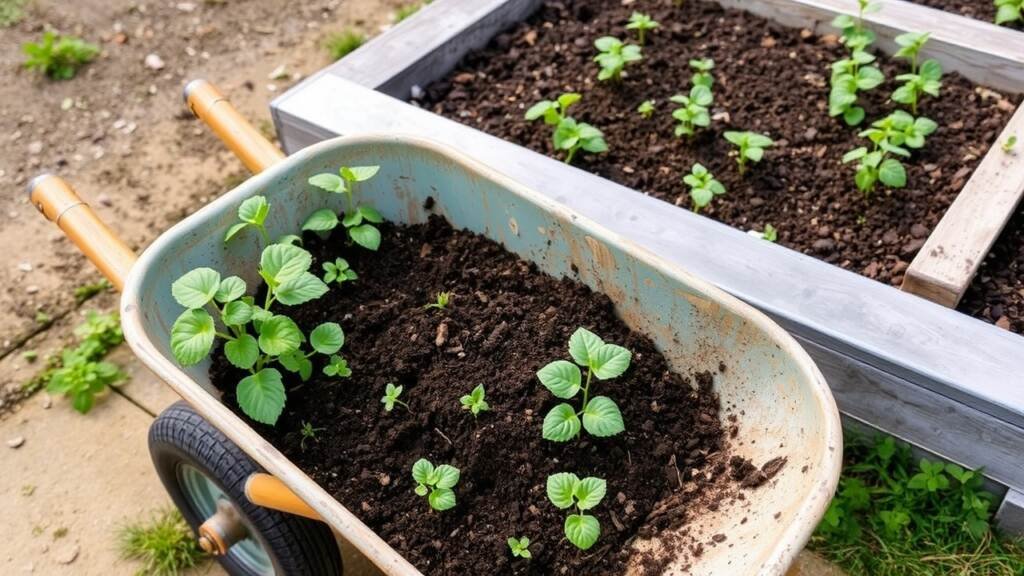
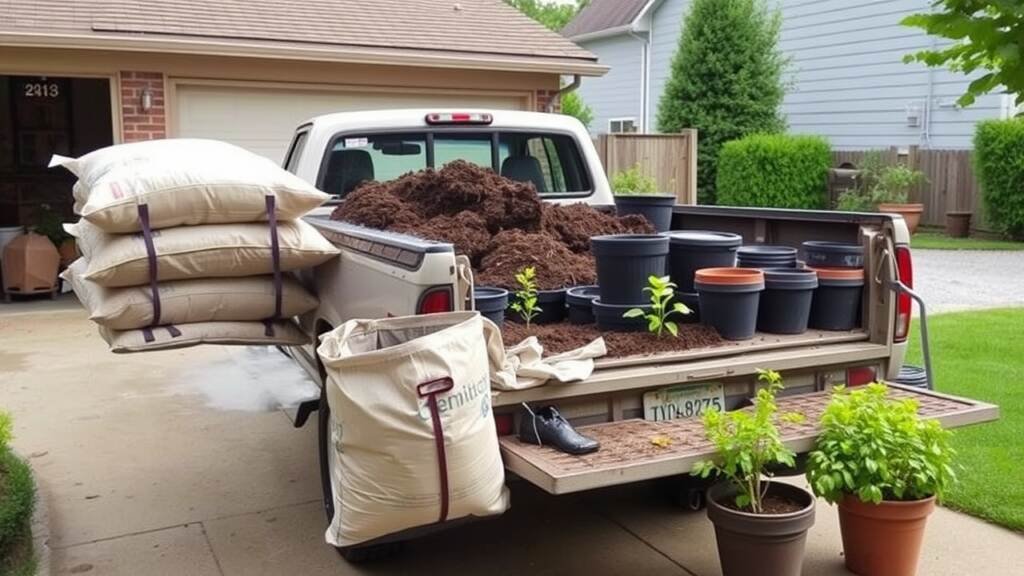
Using organic matter and mulching is a sustainable way to enhance soil health and conserve moisture. Incorporate compost, leaf mold, and other organic materials into your garden beds to improve soil structure and fertility. Mulching with wood chips or shredded bark helps retain moisture, suppress weeds, and provide habitat for beneficial insects. With organic matter, plants are able to absorb nutrients, which in return will benefit the wildlife.
Sustainable Maintenance Techniques
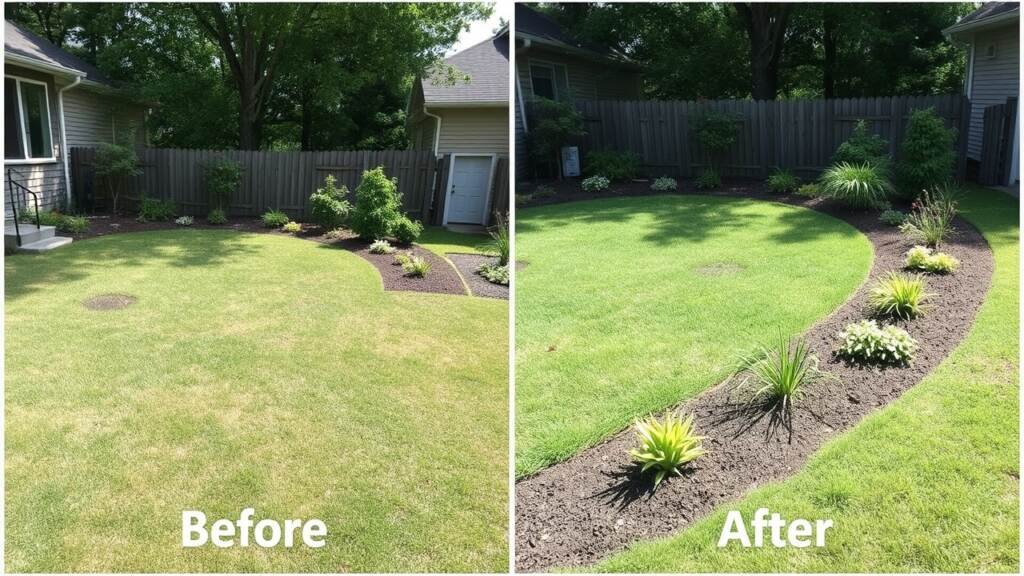
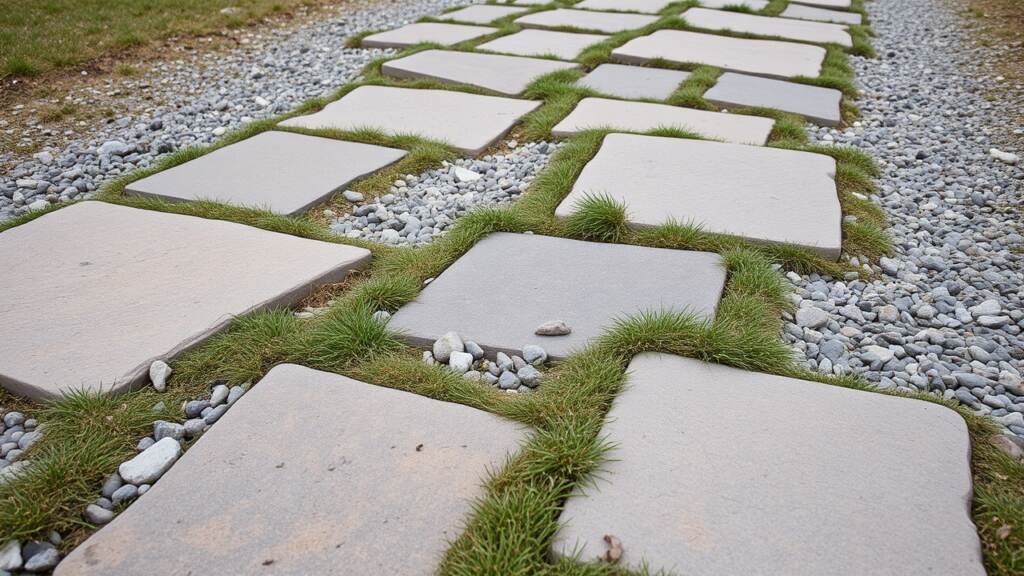
Sustainable maintenance techniques are essential for creating a wildlife-friendly landscape. Minimize your lawn area and opt for native ground covers or wildflower meadows. Reduce water consumption by using efficient irrigation methods and drought-tolerant native plants. Embrace natural landscaping practices that support biodiversity and reduce your environmental footprint. These techniques will benefit not only your garden but also the native wildlife.
Small-Space Solutions for Compact Urban Backyards
Vertical Gardens for Limited Areas
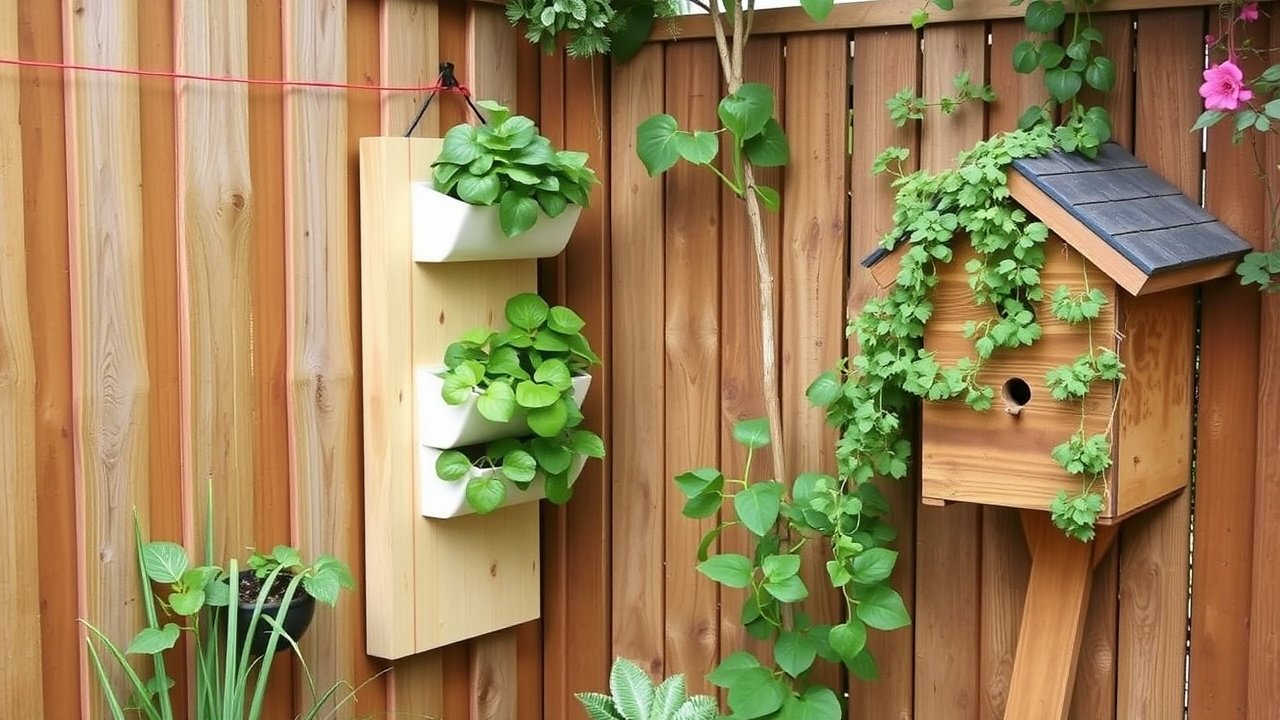
Vertical gardens are an excellent solution for compact urban backyards with limited space. Utilize walls, fences, and trellises to create vertical planting surfaces. Grow native vines, herbs, and flowering plants to attract pollinators and provide habitat for wildlife. Vertical gardens maximize space while adding beauty and ecological value to your urban landscape. These solutions can turn limited areas into habitats for wildlife.
Balcony Pollinator Pots
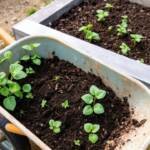
Even small balconies can become havens for pollinators with strategically placed pollinator pots. Choose native plants that attract bees, butterflies, and other beneficial insects. Arrange your pollinator pots to create a visually appealing and ecologically functional display. Balcony pollinator pots support local biodiversity and provide a valuable food source for pollinators in urban areas. This will attract wildlife into your small urban space.
Smart Native Plant Combinations
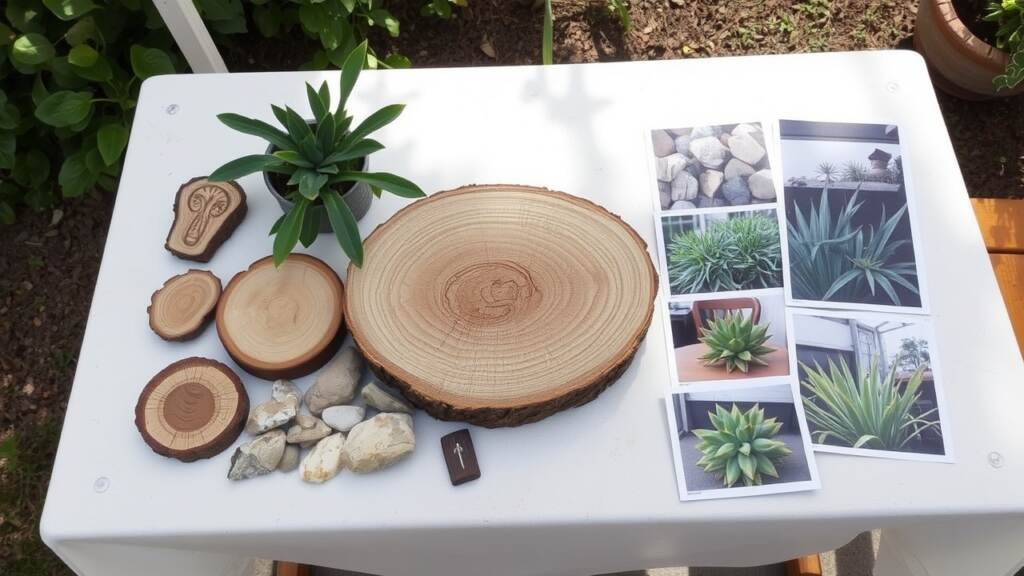
Selecting smart native plant combinations is crucial for creating a thriving wildlife habitat in small urban backyards. Combine plants that offer a variety of bloom times, textures, and heights to create a dynamic and visually appealing landscape. Choose plants that support pollinators, birds, and other wildlife species. Consider the specific needs of each plant to ensure they thrive in your unique urban environment. This will contribute to a healthy backyard habitat.
How Destiny Landscaping Can Support Homeowners
Expert Design for Wildlife-Friendly Landscapes
Destiny Landscaping offers expert design services to help homeowners create stunning and sustainable wildlife-friendly landscapes. Our experienced designers can assess your property, understand your goals, and develop a customized plan that meets your needs. We specialize in creating beautiful, functional, and ecologically sound landscapes that benefit both people and wildlife. We will guide you in planning your backyard habitat.
Native Plant Selection for Urban Gardens
Choosing the right native plants is essential for creating a thriving urban garden that supports wildlife. Destiny Landscaping can help you select the perfect native plants for your specific site conditions, soil type, and aesthetic preferences. We source our plants from local nurseries that specialize in native species, ensuring that you receive healthy and well-adapted plants for your wildlife-friendly backyard. By planting native species, you’ll attract more wildlife.
Sustainable Maintenance Planning for Homeowners
Destiny Landscaping provides sustainable maintenance planning services to help homeowners care for their wildlife-friendly landscapes in an eco-conscious manner. We offer guidance on proper pruning techniques, natural pest control methods, and water-wise irrigation strategies. Our goal is to empower you with the knowledge and tools you need to maintain a healthy and thriving backyard habitat for years to come. We can also offer plans to benefit wildlife.