
Knowing when to adjust your watering habits in the fall is critical for your lawn’s survival through the winter and its recovery in the spring. A climate-aware approach to fall lawn care, like the one advocated by Destiny Landscape, can make all the difference.
Why Fall Watering Decisions Matter
Root development vs top growth
In the fall, grass growth slows down as nighttime temperatures drop, and the lawn starts preparing for dormancy. The focus shifts from top growth to root system development. Adjust your watering schedule to encourage deep root growth, which is crucial for the lawn’s health during the winter months.
Preventing disease and frost damage
Overwatering your lawn in the fall, especially as temperatures consistently decrease, can lead to fungal diseases. Additionally, because excess moisture can cause frost damage when freezing temperatures arrive, water your lawn infrequently. It’s better to cut back on watering than risk harming your lawn.
Signs Your Lawn No Longer Needs Regular Watering
Cooler temperatures
As cooler temperatures become the norm, your lawn needs less water. Grass growth slows, and the lawn prepares to go dormant. This is a key sign that you need to stop watering your lawn as frequently, or even entirely, depending on rainfall.
Slower growth
Slower grass growth is a clear indicator to stop watering your lawn regularly. If you notice that you don’t need to mow as often, it’s a sign that your lawn is using less water in the fall and is preparing for dormancy. Adjust your watering in the fall accordingly to avoid overwatering.
Increased natural rainfall
Increased rainfall during the fall means your lawn needs less supplemental watering. Monitor the amount of water your lawn receives using a rain gauge. If rainfall is sufficient, you can significantly cut back on watering and even stop watering in the fall altogether.
General Guidelines by U.S. Climate Region
Northern states
In northern states, where freezing temperatures arrive earlier, you should begin to stop watering your lawn in early fall. As nighttime temperatures drop and grass growth slows, your lawn needs less water. Monitor rainfall, and if your lawn receives adequate moisture in the fall, stop watering your lawn altogether to prepare the lawn for the winter months.
Transition zones
Transition zones experience a mix of climates, making fall lawn care more nuanced. Pay close attention to local weather patterns and adjust your watering schedule accordingly. Stop watering your lawn when temperatures consistently cool and rainfall increases. Avoid overwatering your lawn, which can promote fungal diseases as the lawn prepares to go dormant.
Southern states
In southern states, the growing season extends longer, but even warm-season grasses benefit from reduced watering as temperatures cool. Monitor grass growth and rainfall. Reduce watering in the fall as grass growth slows, but avoid letting the lawn completely dry out, as that could stress the root system before winter dormancy.
How Gradually Reducing Watering Helps Your Lawn
Avoiding sudden stress
Gradually reducing watering helps your lawn adjust to cooler conditions in the fall without experiencing sudden stress. Abruptly stopping watering your lawn can shock the grass and hinder its ability to prepare for dormancy. A slow transition allows the root system to adapt and store energy for the winter months.
Encouraging deeper roots
Gradually decreasing your watering schedule encourages deeper roots. As the surface soil dries out, the grass is encouraged to send its roots deeper into the soil to find moisture. This results in a stronger, more resilient root system that is better equipped to handle the stresses of winter and promotes a healthy lawn next spring.
The Role of Rainfall and Soil Type
Clay vs sandy soils
Here’s how soil type impacts your watering schedule. Some key differences include:
- Clay soils retain more moisture, reducing the frequency of watering.
- Sandy soils drain faster and often need more frequent watering, especially with limited rainfall.
Drainage considerations
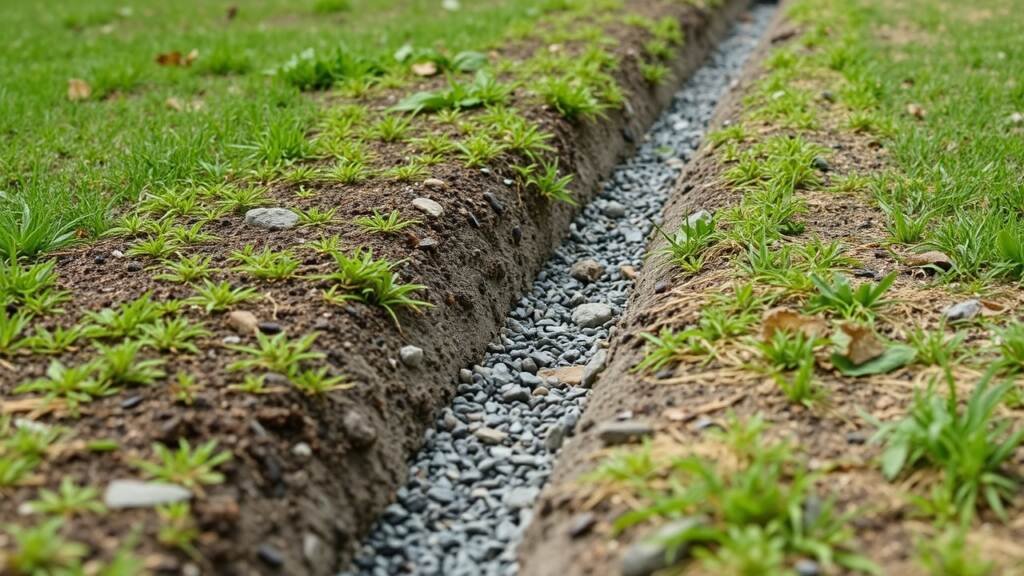
Proper drainage is crucial for healthy lawn watering, especially in the fall. Areas with poor drainage are prone to overwatering, which can lead to fungal diseases and root rot. Ensure your lawn has adequate drainage, and adjust your watering schedule accordingly to prevent waterlogged conditions as the lawn prepares to go dormant.
Common Mistakes to Avoid in Fall Lawn Watering
Stopping too early
One common mistake is to stop watering your lawn too early in the fall. Even as cooler temperatures arrive, the grass may still need some moisture in the fall to maintain its root system. Monitor the amount of water your lawn receives from rainfall, and only stop watering your lawn completely when the soil remains consistently moist.
Overwatering late into fall
Overwatering late into the fall is another frequent error. As temperatures consistently drop and grass growth slows, the lawn needs less water. Overwatering your lawn in the fall promotes fungal diseases and can damage the root system as the lawn prepares to go dormant. Adjust your watering schedule based on the weather and rainfall.
Ignoring weather patterns
Ignoring weather patterns is a significant oversight in fall lawn care. Adapt your watering schedule to match the specific fall weather conditions in your area. Check the forecast regularly and adjust your watering in the fall accordingly. Pay attention to rainfall and temperature changes, as these factors determine when you need to water your lawn and when to stop watering.
Preparing Your Irrigation System for Winter
Shutting down systems
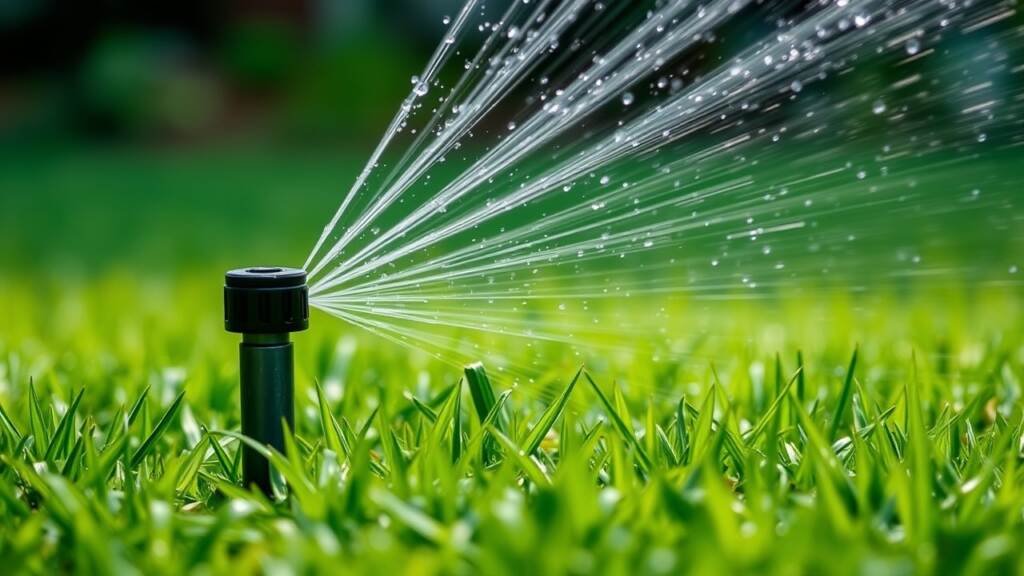
Preparing your irrigation system for winter involves properly shutting down the system to prevent freeze damage. Once you stop watering in the fall, drain all the water from the pipes, sprinkler heads, and valves. This prevents water from freezing and expanding, which can cause cracks and breaks in your irrigation system, leading to costly repairs in the spring.
Preventing freeze damage
Preventing freeze damage is essential for maintaining your irrigation system over the winter months. In addition to draining the system, insulate exposed pipes and valves with foam sleeves or rags. Consider using an air compressor to blow out any remaining water from the lines. Taking these precautions can save you from expensive repairs and ensure your irrigation system is ready for use next spring.
How Proper Fall Watering Supports Spring Green-Up
Healthier root systems
Proper watering in the fall supports healthier root systems, setting the stage for vigorous spring green-up. By encouraging deep watering and root growth, you are preparing the lawn for the winter months and ensuring it has the reserves needed to thrive when temperatures rise again. A healthy root system leads to a more resilient, vibrant lawn.
Faster recovery
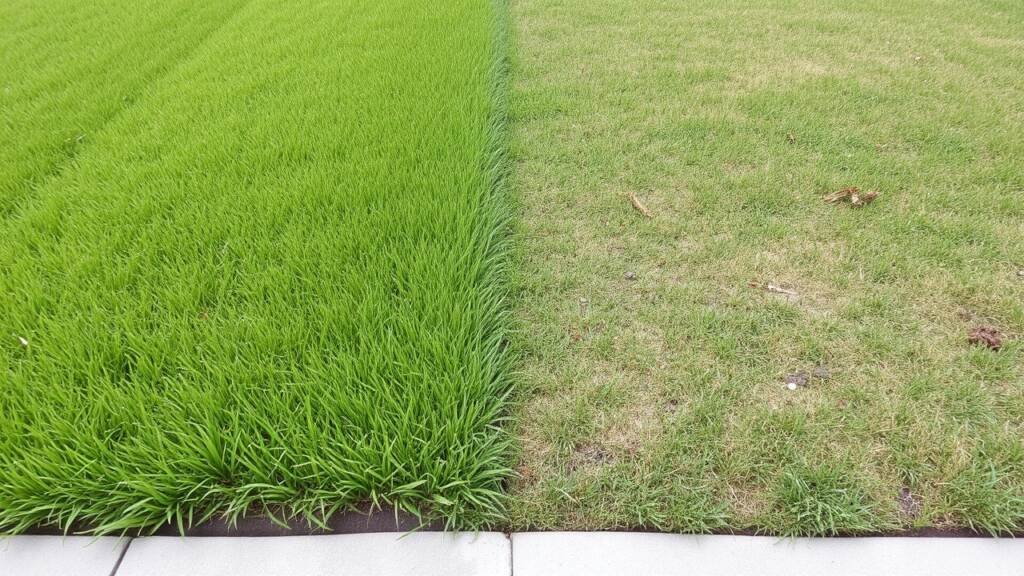
A lawn that receives appropriate fall lawn care, including timely adjustments to the watering schedule, experiences faster recovery in the spring. When you stop watering your lawn at the right time and allow the grass to enter dormancy properly, the root system remains strong and ready to support new growth. This results in a quicker and more robust green-up once the weather warms up.
Conclusion
Knowing when and how to stop watering in fall is a critical aspect of responsible lawn care. By understanding the needs of your grass in the fall, adjusting your watering schedule based on temperatures and rainfall, and properly preparing your irrigation system for winter, you can protect your turf through the dormant months and ensure a strong, healthy lawn in the spring. Destiny Landscape understands the importance of these seasonal transitions and advocates for thoughtful, climate-specific lawn care practices to keep your lawn healthy year-round.