Introduction Overview of Sod Installation
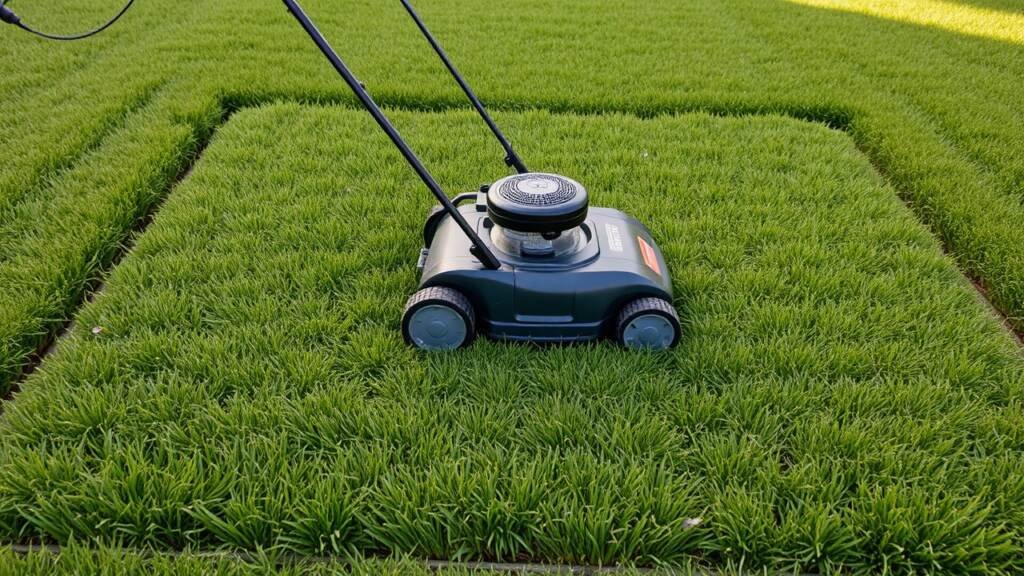
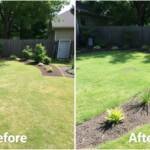
Sod installation is the process of laying new grass on a prepared surface to create an instant lawn. For homeowners and property managers, it offers a quick solution to achieve a lush green landscape without the lengthy wait associated with traditional seeding methods. The sod typically comes in rolls or slabs, allowing for easy handling and efficient installation.
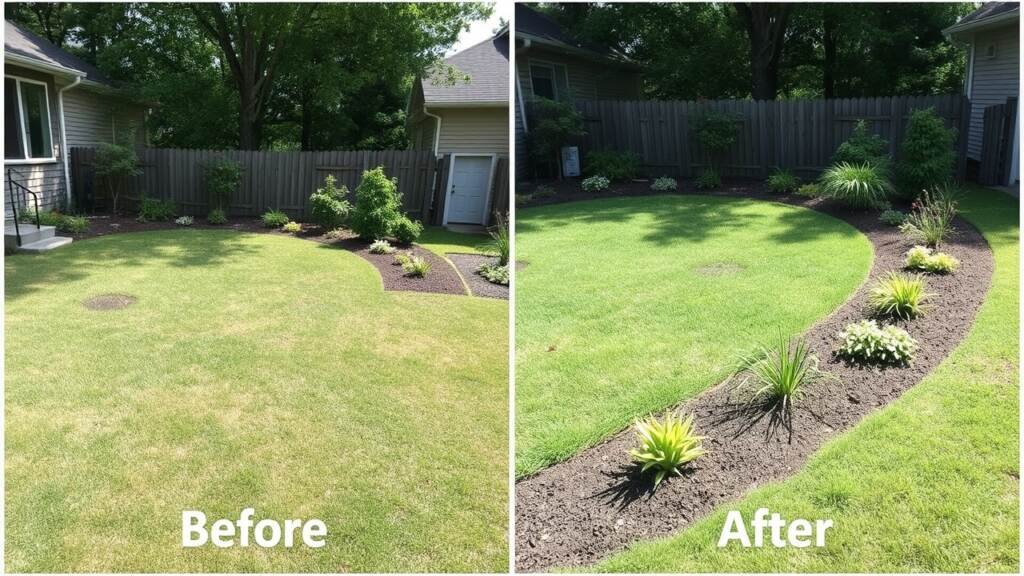
The act of laying sod is often viewed as both exciting and transformative; a barren yard can be turned into a beautiful outdoor space in just a day. But beyond aesthetics, quality sod can greatly enhance the functionality of your yard, providing a safe and attractive place for outdoor activities, improving property value, and even promoting environmental benefits by reducing erosion and enhancing air quality.
Importance of Choosing the Right Time

While the thrill of sod installation can be palpable, the timing of this project is crucial for achieving the best results. Installing sod during the right season ensures that it establishes roots effectively and thrives in its new environment. Homeowners often overlook this essential factor, leading to disappointing results and wasted resources.
So why is timing so important? Here are a few key reasons:
- Optimal Growth Conditions: Grass varieties have specific temperature ranges in which they flourish. Installing sod when the weather is conducive to growth means stronger roots and a healthier lawn overall.
- Moisture Availability: Proper hydration is essential immediately after sod installation. Mother Nature can assist in this regard—installing during a season with consistent rainfall or moderate temperatures helps keep the sod adequately hydrated as it takes root.
- Weed Management: By choosing the right installation period, you can minimize the risk of weed competition. Weeds often thrive during warmer months; planting sod in a cooler season can give your new grass a competitive edge.
- Maintenance Schedule: Each season comes with its own maintenance challenges. Installing sod at the right time means you can time your watering schedule, mowing, and fertilization efforts appropriately, setting your lawn up for long-term success.
- Soil Preparation: Part of a successful installation lies in preparing the soil adequately before laying sod. Timing your installation with soil preparation ensures that every component aligns for a successful outcome.
For homeowners looking for a lush, green space quickly, understanding these elements of sod installation is the first step to creating an impressive lawn. As you embark on this journey—whether you’re a novice or an experienced gardener—choosing the right time to lay sod can mean the difference between a thriving landscape and a frustrating endeavor.
So, grab those tools and get ready! The following sections will outline factors to consider when determining the best time to lay sod, ensuring your installation is successful from start to finish.
Factors to Consider for Sod Installation Timing
Weather Conditions
When it comes to successful sod installation, weather conditions play a pivotal role. Homeowners and property managers alike should keep a close eye on the forecast in the days leading up to their installation date. Installing sod under favorable weather conditions not only supports a healthy lawn but also makes the entire process smoother.
Here are a few weather-related factors to consider:
- Temperature: The ideal temperature for laying sod typically ranges between 50°F to 85°F. Cool evenings and warm days create just the right environment for the grass to root effectively. Extreme temperatures, either hot or cold, can lead to stress for the new sod.
- Sunlight and Shade: Consider the sun exposure of your yard. If a significant portion is shaded, the specific sod type may require adjustments in care. For instance, cool-season grasses thrive in cooler months and sun-drenched spaces, while warm-season grasses excel in the summer.
- Precipitation: Before laying sod, it’s wise to check if rain is predicted shortly after installation. Natural rainfall can help settle the sod, making it easier for the roots to take hold. However, excessive rain can lead to pooling, which may suffocate the grass.
- Wind: High winds can stress newly laid sod, causing rolling or shifting, which is why calm days are preferred for installation.
In my own experience, I observed that planning sod installation around seasonal transitions can lead to success. Last spring, I carefully watched the weather, and when the temperatures stabilized around 70°F, I promptly laid my sod. The result? A beautiful, thriving lawn that sparked envy among my neighbors!
Soil Preparation
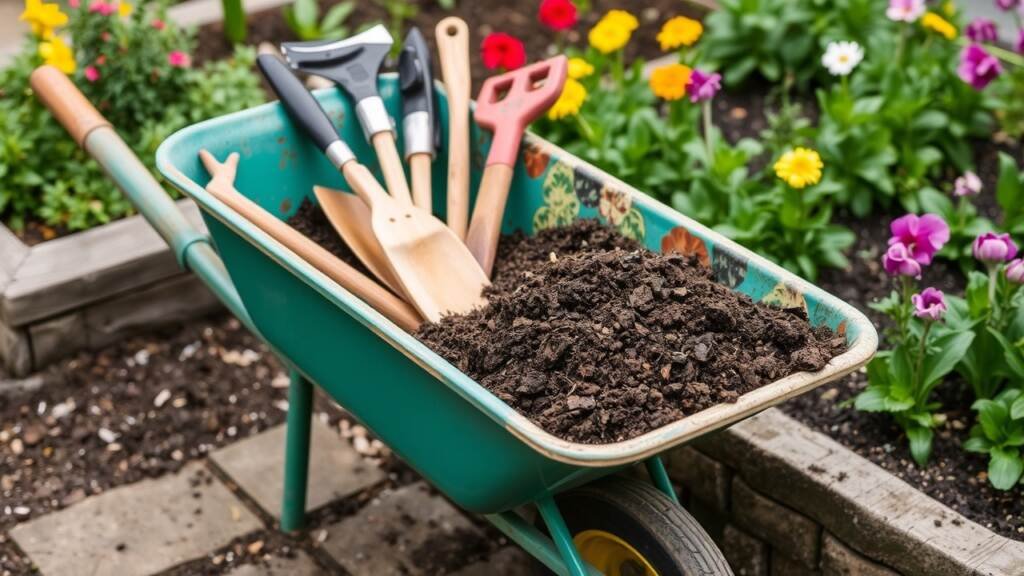
Just as weather conditions are critical, soil preparation is equally important for optimal sod installation timing. Taking the time to prepare the soil ensures that your new grass has everything it needs to establish a strong foundation. Here’s how to get your soil ready:
- Testing Soil: It’s beneficial to conduct a soil test to understand its pH and nutrient levels. A balanced soil promotes healthy growth. If the test reveals deficiencies, amend the soil before laying sod.
- Clearing the Area: Remove any existing grass, weeds, and debris from the area. This prevents competition for nutrients and will help your new sod establish itself better.
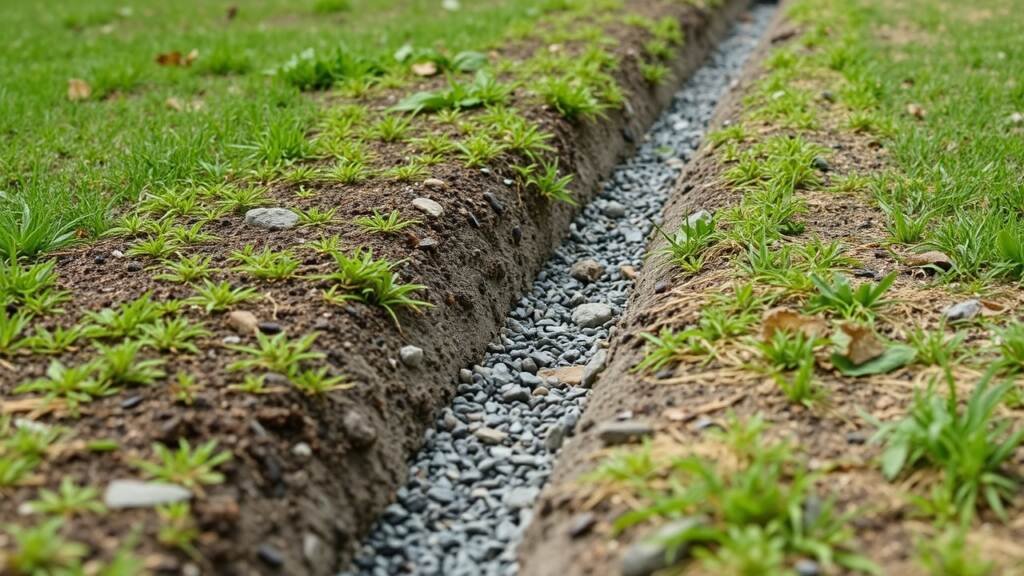
- Grading: Ensure proper drainage by grading the soil. A slight slope away from your home will prevent water pooling around the foundation, safeguarding against potential damage.
- Tilling: Aerate and till the soil to a depth of 3–4 inches. This helps to break up any compacted areas and increases soil aeration, facilitating root growth for the sod.
- Adding Amendments: Depending on your soil test results, incorporate compost or fertilizers to improve soil health. A mix of organic matter can significantly enhance moisture retention and nutrient supply.
By carefully considering both weather conditions and soil preparation before laying sod, homeowners can set the stage for a successful installation. With the right timing and preparation, you’ll ensure your instant lawn flourishes beautifully in your garden space. As we move on, the next sections will delve deeper into the best seasons for installation, giving you even more valuable insights.
Best Time to Install Sod: Spring
Advantages of Installing Sod in Spring
Spring is often heralded as the ideal season for sod installation, and for good reason. As the winter chill fades away, the earth begins to warm, creating optimal conditions for grass to take root. Here are some compelling advantages of installing sod during this vibrant season:
- Ideal Weather Conditions: Spring typically boasts mild temperatures, making it more comfortable for homeowners to tackle sod installation. The soil is soft enough to work with, and the air isn’t too hot, reducing the stress on the newly laid sod.
- Lush Growth Potential: With the lengthening days and increased sunlight during spring, grass begins to flourish. This seasonal boost in sunlight combined with gradual warming offers ideal conditions for quick establishment of roots.
- Rich Soil Moisture: Spring often brings ample moisture through rain, which naturally assists in sod establishment. This helps reduce the amount you need to water, allowing the sod to settle effectively without the risk of drowning.
- Fewer Weeds: Installing sod in spring offers the advantage of fewer competing weeds. Established lawns are certainly more vulnerable during the summer months, but fresh sod has a better chance of establishing itself without immediate weed competition.
In my own yard, I decided to lay sod in mid-April last year. The combination of soft, workable soil and natural rainfall allowed for swift establishment—my lawn turned into a green paradise almost overnight!
Tips for Successful Sod Installation in Spring
To make the most of your spring sod installation, follow these helpful tips:
- Timing is Everything: Wait until the ground has thawed. It’s important to avoid working with sod when the ground is too wet and muddy. A good rule of thumb is to wait until nighttime temperatures remain consistently above 50°F.
- Choose the Right Grass Type: Depending on your location, select a grass variety that thrives in your region. For example, cool-season grasses such as Kentucky bluegrass are ideal for spring installation in northern climates, while warm-season grasses may be suitable for southern regions.
- Prepare the Soil Ahead of Time: As mentioned earlier, ensuring the soil is well-prepared is key. Till, aerate, and amend your soil several days before the sod arrives. This ensures that the nutrients are ready for the new grass to tap into.
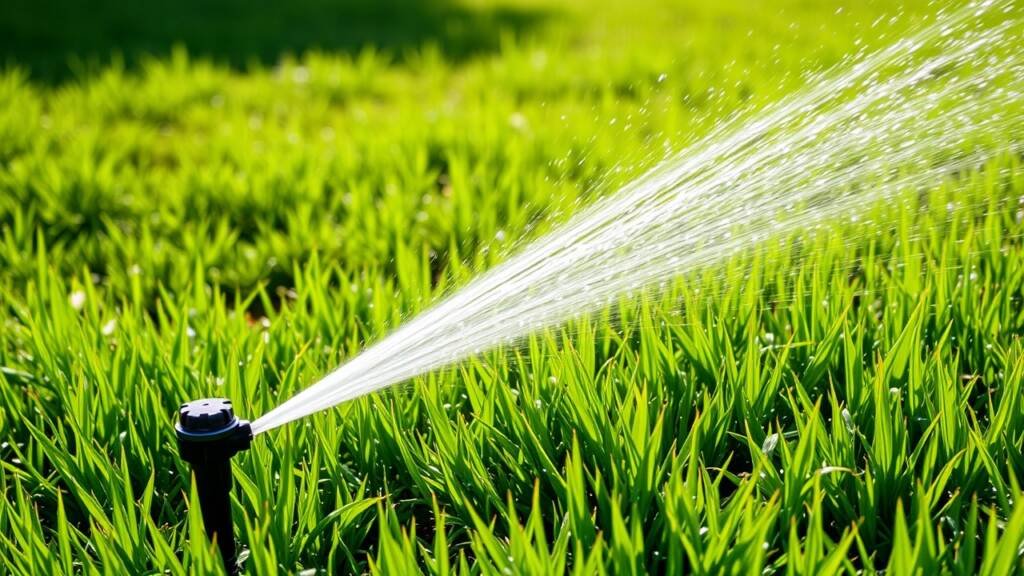
- Proper Watering Schedule: Establish a watering routine right after installation. For the first two weeks, keep the sod moist but not soggy, watering daily if necessary. This encourages root penetration and establishment.
- Avoid Heavy Foot Traffic: Minimize walking and activity on your new sod for the first few weeks, allowing it to anchor in place without disturbance. This patience pays off as it leads to a robust lawn.
Spring presents a golden opportunity to transform your outdoor space with fresh sod. With the right timing, preparation, and care, your lawn can flourish beautifully. As we explore the other seasons, you’ll gain deeper insights into options for successful installation throughout the year.
Best Time to Install Sod: Summer
Benefits of Summer Sod Installation
While spring might be considered the quintessential season for laying sod, summer installation offers its own set of unique benefits. Homeowners who choose to install sod during the warmer months can experience several advantages that contribute to a beautiful, thriving lawn:
- Instant Greenery: If you’re in a hurry to achieve an attractive lawn, summer sod installation provides the quickest way to get an instant green yard. Unlike planting seeds, which take weeks to germinate, sod creates an immediately lush appearance.
- Longer Growth Period: With the longer days and abundant sunshine of summer, grass can establish roots effectively and begin to grow vigorously. This makes summer an advantageous time for warm-season grasses, which thrive in higher temperatures.
- Soil Temperature: The soil warms up quicker during summer, which facilitates root development for the sod as it connects with your yard’s existing soil. This warmth is particularly beneficial in areas that receive full sun, promoting healthier grass.
- Reduced Weeds: Summer sod installation can present an advantage in that timely laid sod can outcompete weeds, especially in new or previously bare patches. If the sod is healthy, it can overshadow the weeds that might try to pop up.
During my summer sod installation last year, my family and I were thrilled to see the transformation happen almost overnight. It was gratifying to watch our yard go from brown to a beautiful green canvas in just a few days.
Challenges and Precautions
Despite its benefits, summer sod installation does come with its challenges that require extra precaution and attention to detail. Here are some essential considerations:
- Heat Stress: The summer sun can put significant stress on newly laid sod. If the temperatures soar above 85°F, the risk of heat-related issues increases, as new sod can struggle to establish roots in such harsh conditions. Plan for installation during the cooler parts of the day, such as early morning or late afternoon.
- Consistent Watering: New sod will require more frequent watering to ensure it stays hydrated in the summer heat. This means regular checks on the watering schedule are crucial. Aim for at least 1 to 1.5 inches of water weekly, adjusting based on rainfall and temperature.
- Potential for Overwatering: On the flip side, it’s easy to overwater sod, especially if you’re monitoring it daily. Too much moisture can lead to shallow rooting and fungal diseases, so be cautious about the balance.
- Soil Preparation: As with any season, proper soil preparation remains critical. Tilling and amending the soil prior to sod installation ensures that the new grass has optimal conditions to thrive, even under summer stress.
- Watch for Pests: Summer can also invite pests that may harm your fresh sod. Be vigilant and check your installation for signs of insect activity, and take the necessary measures to treat any infestations quickly.
While summer sod installation presents its unique challenges, being aware of these potential pitfalls enables homeowners to reap the benefits and enjoy a beautiful lawn year-round. As we continue this journey through seasonal sod installation, consider how the fall can also provide unique opportunities for establishing your dream lawn.
Best Time to Install Sod: Fall
Reasons for Choosing Fall for Sod Installation
As the leaves begin to change color and the air turns crisp, fall presents a fantastic opportunity for sod installation. While many people may overlook this season, it offers several unique advantages for establishing a healthy lawn:
- Cooler Temperatures: Fall typically brings cooler temperatures, which are ideal for both the sod and the people installing it. The milder weather reduces the stress on new grass as it roots, making it easier for homeowners to get the job done comfortably.
- Optimal Rooting Conditions: During fall, the soil retains warmth while the air cools down, creating excellent conditions for new sod to thrive. This allows the new grass to establish roots deeply in the soil before winter sets in.
- Less Competition from Weeds: As summer fades, many common weeds die off, reducing competition for your newly laid sod. This gives your grass a better opportunity to settle in and flourish without the pressure of invasive weeds.
- Maintenance Ease: Establishing sod in the fall also means you can have an easier maintenance schedule as the growing season starts to slow down. With less frequent mowing and watering needs, homeowners can enjoy their new lawn without rigorous upkeep.
In my experience, I decided to lay sod in late September last year, and I was pleasantly surprised by the quick establishment of my grass. With the cooler weather and diminished weed competition, my lawn became a cozy green haven just in time for autumn gatherings.
Steps for Planting Sod in the Fall
To ensure success with fall sod installation, here are the essential steps to follow:
- Choose the Right Timing: Aim to install sod during early to mid-fall, around 4–6 weeks before the first expected frost. This timing gives sod enough time to root before colder temperatures arrive.
- Soil Preparation: As always, start by adequately preparing your soil. Test its pH and nutrient levels, clear away any debris, and amend it as necessary. The fall season makes this preparation a bit easier, as the ground is typically softer.
- Sod Selection: Choose a grass type that is well-suited for your climate and matches your local growing habits. Cool-season grasses like fescue or perennial ryegrass are excellent choices for fall installation in northern regions.
- Installation Process: Lay the sod pieces in a staggered pattern, much like bricks, to create a tight seam. Make sure to roll out each strip gently to avoid overlapping and create a smooth surface. Remember to cut pieces to fit around curves or landscaping features accurately.
- Watering Schedule: After installation, ensure adequate moisture by watering the sod immediately, soaking it thoroughly. For the first couple of weeks, maintain a regular watering schedule, ensuring the sod remains hydrated without becoming oversaturated.
- Avoid Foot Traffic: Keep foot traffic to a minimum for at least two weeks. This protects the new roots as they begin to establish themselves into the soil, which is critical for a strong lawn.
- Fertilization: Consider applying a starter fertilizer to encourage root development and bolster the sod’s health as it prepares for the winter months.
By following these steps to lay sod in the fall, homeowners can enjoy not only a quick establishment of their new lawn but also a robust and healthy lawn that lasts into the spring. As we wrap up our exploration of seasonal sod installation, let’s compare the pros and cons of each time to choose the best fit for your needs.
Comparison of Spring, Summer, and Fall Sod Installation
Pros and Cons
When it comes to sod installation, each season presents its own unique set of advantages and challenges. Understanding these pros and cons can help homeowners select the ideal time for their lawn transformation. Here’s a closer look:
Spring Installation
Pros:
- Ideal Weather: Moderate temperatures create favorable conditions for sod to root effectively.
- Quick Growth: Longer days and increasing sunlight helps grass to establish itself quickly.
- Reduced Weed Competition: Fewer weeds in spring means your sod can thrive without interference.
Cons:
- Rain Dependency: While spring generally offers moisture, excessive rain can lead to installation difficulties and potential pooling.
- Variable Temperatures: Early spring can still be chilly, which may delay rooting.
Summer Installation
Pros:
- Instant Gratification: Laying sod provides immediate greenery, ideal for creating an attractive outdoor space quickly.
- Extended Growth Period: The long days and abundant sunshine encourage vigorous growth.
Cons:
- Heat Stress: High temperatures can stress new sod, making root establishment more challenging.
- Increased Watering Needs: Summer sod requires careful watering to prevent desiccation, which can lead to labor-intensive maintenance.
Fall Installation
Pros:
- Optimal Temperature: Cooler weather promotes strong root development and less stress on sod.
- Minimized Weed Issues: With weed growth dwindling, your new sod can establish itself more effectively.
- Less Intensive Maintenance: As grass growth slows, maintenance becomes less demanding.
Cons:
- Time Constraints: Late installation could risk frost damage before the sod has fully established roots.
- Potential for Early Frost: Early frosts can threaten newly laid sod if not installed in a timely manner.
Which Season Fits Your Needs Best?
Choosing the best season for sod installation ultimately depends on your specific needs and circumstances. Here are some factors to consider:
- Climate Zone: The best time to install sod may vary by region. Warmer climates may benefit from summer installations, while cooler areas might favor spring or fall.
- Your Schedule: If your summer is packed full of activities, spring or fall might be more favorable for a less busy installation process when you can focus on nurturing your new lawn.
- Aesthetic Goals: If you aim for an instant lawn appearance for an event or gathering, summer might be the right choice. However, if you can wait to establish a healthier lawn, fall or spring installations will better suit your long-term objectives.
- Watering Commitment: Evaluate how much effort you can invest into watering during installation. If you can commit to careful monitoring and maintenance, summer could work. Otherwise, fall may provide an easier path to success.
Ultimately, each season has something valuable to offer. By understanding these characteristics and your specific lawn goals, you can confidently determine the best time for your sod installation. As you weigh your options, remember that a well-timed sod installation can create a thriving lawn that offers satisfaction for years to come. With this knowledge, you’re ready to embark on your sod journey!
Conclusion
Recap of Ideal Sod Installation Timing
As we wrap up this exploration of sod installation, it’s essential to recap the ideal timing for laying sod throughout the year. Each season brings its unique set of advantages and drawbacks, allowing homeowners to make informed decisions based on their specific needs and circumstances.
- Spring: This season is generally considered the best time to install sod, as the moderate temperatures and ample sunlight create optimal conditions for quick growth and establishment. With reduced weeds and suitable moisture levels, your new lawn can thrive beautifully.
- Summer: For those seeking instant results, summer presents a tempting option. The long days of sunshine can lead to immediate greenery, but homeowners must be vigilant about heat stress and the increased watering needs that come with the warmer months.
- Fall: Fall is an excellent choice for installations that aim for long-term success. The cooler, stabilizing temperatures promote strong root development, while the reduction in weed competition simplifies the establishment process. However, being mindful of temperature fluctuations and potential frost is crucial.
As you deliberate on the best time for your sod installation, keep your local climate, lifestyle, and lawn goals in mind. With the right timing, you can enjoy a stunning, lush landscape that transforms your outdoor space.
Final Considerations
Before making your final decision on when to lay sod, consider these important factors:
- Soil Preparation: Regardless of the season, preparing the soil adequately is vital. Take the time to test, amend, and clear the area to ensure your sod has the best chance to establish healthy roots.
- Grass Selection: Choose grass types suited to your region and the season of installation. Understanding regional hardiness zones can lead to a more successful sod lawn.
- Maintenance Commitment: Consider how much time you can dedicate to watering and caring for your new lawn after installation. Each season demands a different level of attention, so choose a time frame that aligns with your ability to commit to maintaining the sod.
- Long-term Goals: Reflect on your long-term vision for your lawn. Whether for relaxation, recreation, or aesthetics, choosing the right time to install sod can yield long-lasting satisfaction.
In my own experience, planning carefully around local weather patterns and personal schedules has led to successful sod installations, creating a vibrant outdoor oasis for family gatherings and relaxation.
With this knowledge, you are well-equipped to embark on your sod installation journey. Remember, a lush, green lawn is not just a beautiful addition to your property; it also enhances your enjoyment of your home.
Need professional sod installation? Contact Destiny Landscape today for expert service and a lush, green lawn all year round.