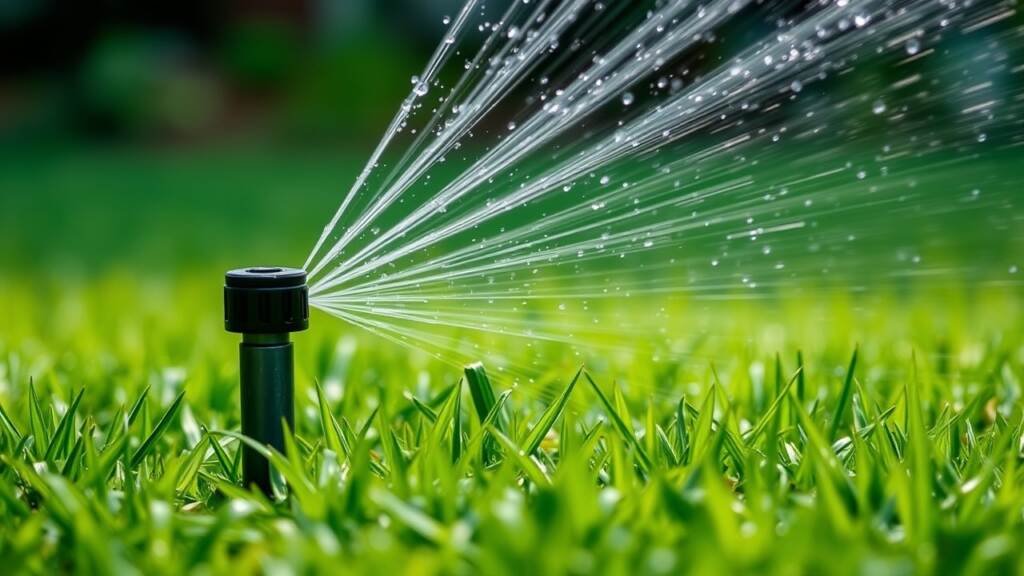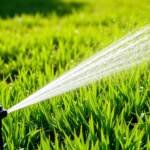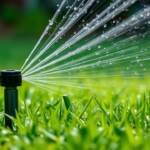

A Smart Lawn represents a modern approach to landscape management, utilizing technology to create and maintain a healthy and vibrant outdoor space. By integrating devices such as smart sprinklers, robotic mowers, and various sensors, a smart lawn system optimizes water use and promotes sustainability. Homeowners across the U.S. are increasingly adopting these systems to achieve greener, healthier lawns with minimal effort.
Understanding Smart Lawn Technology
What is a Smart Lawn?
A smart lawn is a digitally enhanced landscape that uses smart irrigation technology and smart lawn care tools to automate and optimize lawn maintenance. It moves away from traditional methods by incorporating sensors and weather data to make informed decisions about watering and mowing your lawn. This ensures a healthy lawn while conserving resources, marking a significant advancement in the future of lawn care.
Components of Smart Lawn Systems
Smart lawn systems automate lawn care tasks and promote sustainability. Key components work together to achieve this. These components and their functions can be summarized as follows:
| Component | Function |
|---|---|
| Smart Sprinklers & Robotic Mowers | Automate tasks like mowing. |
| Soil Moisture Sensors & Weather Data Integration | Provide real-time data to adjust watering schedules. |
By using these components and adjusting to real-time data, smart lawn systems help homeowners achieve a sustainable and green lawn while saving water.
How Smart Irrigation Systems Work
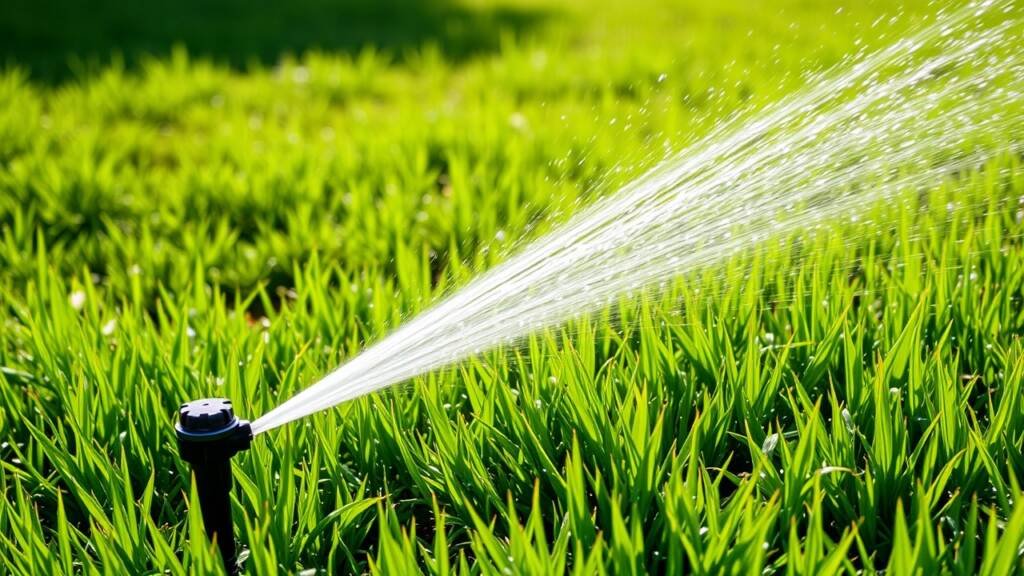
Smart irrigation systems are designed to optimize water use by leveraging real-time data and intelligent algorithms. These systems use sensors and weather data to determine the precise amount of water needed for a healthy lawn. Instead of relying on fixed schedules, smart irrigation systems use smart irrigation technology to adjust watering schedules, preventing overwatering and ensuring efficient water conservation.
Benefits of Smart Lawn Systems

Significant Water Savings
One of the most compelling benefits of a smart lawn is the significant water savings that homeowners can achieve. A smart irrigation system uses real-time data from sensors and weather data to determine the precise amount of water your lawn requires. By optimizing water use, smart sprinklers prevent overwatering and promote water conservation, leading to long-term savings and a more sustainable lawn.
Convenience for Busy Homeowners
For busy homeowners, a smart lawn offers unparalleled convenience. Smart lawn care tools such as robotic mowers automate mowing, while smart irrigation systems adjust watering schedules automatically. This allows homeowners to reclaim their time and enjoy a green lawn without the manual effort traditionally associated with lawn maintenance. The ability to control and monitor the system remotely further enhances this convenience.
Healthier and Greener Lawns
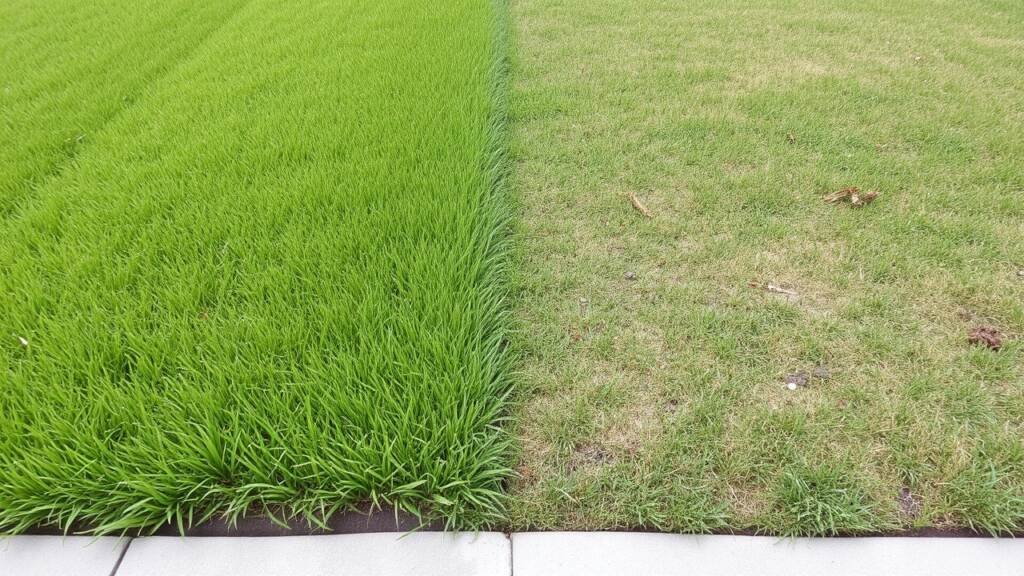
Smart lawn systems lead to healthier and greener lawns by ensuring optimal conditions for growth. Sensors monitor soil moisture and other vital parameters, allowing smart irrigation systems to deliver the precise amount of water when needed. This prevents overwatering, promotes healthy root development, and results in a vibrant, sustainable lawn that enhances the outdoor space and increases curb appeal.
Eco-Friendly Features of Smart Lawns
Sustainable Lawn Care Practices
Smart lawns promote sustainable lawn care practices by minimizing water use and reducing the need for chemical treatments. Smart irrigation systems use weather data and sensors to optimize watering schedules, conserving water and reducing runoff. Additionally, the precise application of fertilizers, guided by soil sensors, minimizes environmental impact and promotes a healthy lawn.
Reducing Chemical Usage
A key eco-friendly feature of smart lawns is the reduction in chemical usage. By monitoring soil conditions and plant health, smart lawn systems can identify and address issues before they require chemical intervention. This approach not only benefits the environment but also creates a safer outdoor space for families and pets, contributing to a more sustainable lawn.
Water Conservation Strategies
Water conservation strategies are integral to smart lawn design. Smart irrigation systems use real-time data to adjust watering schedules, preventing overwatering and conserving water. Features such as rain sensors and soil moisture sensors ensure that water is only applied when and where it is needed, maximizing efficiency and promoting responsible water use throughout the landscape.
The Future of Lawn Care in the U.S.
Trends in Smart Irrigation Technology
The future of lawn care is deeply intertwined with advancements in smart irrigation technology. Modern irrigation systems use real-time data from sensors and weather data to optimize water usage and enhance lawn health. These systems are becoming more intuitive, learning from past patterns to adjust watering schedules and ensure efficient water use, leading to greener and more sustainable lawns for homeowners.
AI in Lawn Care
AI in lawn care is rapidly transforming how homeowners approach lawn maintenance. Artificial intelligence algorithms analyze real-time data from sensors and weather data to fine-tune watering schedules and predict potential issues before they escalate. This allows for precise interventions, maximizing lawn health while minimizing water use and promoting sustainable lawn care practices.
Transforming Outdoor Spaces with Smart Solutions
Smart lawn solutions are transforming outdoor spaces into vibrant, eco-friendly retreats. By integrating smart sprinklers, robotic mowers, and other smart lawn care tools, homeowners can automate routine tasks and create a visually appealing, healthy lawn. These technologies not only conserve water but also enhance the overall aesthetics and usability of the outdoor space, increasing property value and personal enjoyment.
Getting Started with Smart Lawn Systems

Choosing the Right Smart Irrigation System
Selecting the right smart irrigation system is crucial for achieving a sustainable lawn and efficient water use. Consider the size of your lawn, the type of soil, and local weather data patterns. A smart irrigation system should have sensors and weather data integration, allowing you to adjust watering schedules based on real-time data and conserve water. Homeowners must evaluate different smart lawn care tools to make informed decisions.
Installation Considerations
Proper installation is vital for the optimal performance of your smart lawn irrigation system. Assess the layout of your lawn to determine the best placement for smart sprinklers and sensors. Professional installation can ensure proper connections, avoiding leaks and ensuring consistent water distribution. It is important to understand the components of the system to ensure efficient coverage.
Maintaining Your Smart Lawn
Maintaining your smart lawn involves regular monitoring and occasional adjustments to ensure optimal performance. Check sensors periodically to make sure they are functioning correctly and providing accurate real-time data. Adjust watering schedules based on seasonal changes and monitor lawn health to prevent issues such as overwatering or dryness. Proper maintenance helps to extend the lifespan of your smart irrigation system.