Selecting the right trees for your landscape is a crucial step in creating a beautiful and functional outdoor space. The Arbor Day Foundation offers extensive resources to help you choose the best trees for your specific needs. Whether you’re looking to add shade, enhance curb appeal, or create a stunning focal point, understanding the different types of trees available is essential. This guide will walk you through various considerations to help you make informed decisions and transform your garden into a thriving landscape.
Understanding Landscape Trees

Importance of Trees in Landscape Design
Trees are the backbone of any successful landscape design, providing numerous benefits that extend beyond mere aesthetics. A well-placed shade tree can significantly reduce energy costs by shading your home in the summer. Trees also improve air quality, reduce soil erosion, and offer habitats for wildlife. Incorporating a variety of trees into your landscape can create a dynamic and visually appealing environment that evolves throughout the seasons, making them an indispensable element for enhancing property value and quality of life. They are very important in any urban landscape or more country environments.
Choosing the Right Type of Tree
Selecting the right type of tree requires careful consideration of several factors. Specifically, several environmental elements play a key role:
- Soil type is a critical aspect, as some trees thrive in acidic soil while others prefer alkaline conditions.
- Sunlight availability, whether full sun, partial shade, or full shade, will also dictate which trees will flourish.
Consider the mature size of the tree to ensure it fits appropriately within your landscape, avoiding issues with power lines or building structures. Furthermore, think about the tree’s growth rate, maintenance requirements such as pruning, and its overall aesthetic appeal, including flower blooms and fall foliage. It is also important to consider root systems.
Benefits of Shade Trees
Shade trees are invaluable for providing relief from the sun’s intensity, creating cool and comfortable outdoor spaces. These trees not only enhance the usability of your yard but also offer significant environmental benefits. By reducing the amount of direct sunlight hitting your home, shade trees can lower indoor temperatures and decrease energy consumption. Popular choices for shade trees include oak trees and maple trees, known for their broad canopies and beautiful fall color. Selecting a fast-growing shade tree can quickly transform your landscape, offering both immediate and long-term advantages. The red maple is a popular choice in this category.
Popular Types of Trees for Your Landscape
Maple Trees: A Versatile Choice
Maple trees are a popular choice for landscaping due to their stunning fall color and adaptability. These deciduous trees come in various cultivars, each offering unique characteristics. The red maple, for example, is known for its vibrant red fall color and relatively fast growth. Maple trees can thrive in full sun to partial shade, making them versatile for different landscape designs. They also provide excellent shade, enhance curb appeal, and can serve as a beautiful focal point in any garden.
Oak Trees: The Majestic Giants
Oak trees are the majestic giants of the tree world, known for their longevity and impressive size. An oak tree is a symbol of strength and endurance, making it a wonderful addition to any large landscape. The white oak, with its beautiful foliage and sturdy branches, is a popular choice for shade. While oak trees can be slow-growing, their long lifespan and minimal maintenance make them a worthwhile investment. Their root systems are robust, providing stability and preventing soil erosion, perfect as shade trees.
Birch Trees: Adding Elegance
Birch trees bring elegance to any landscape with their slender trunks and graceful appearance. River birch trees are particularly well-suited for wetter areas and offer beautiful bark that peels away to reveal shades of brown and tan. These deciduous trees prefer full sun to partial shade and add visual interest year-round. Birch trees are relatively fast-growing and can quickly enhance the aesthetic appeal of your garden. They can provide a unique look to an urban landscape.
Ornamental Trees for Aesthetic Appeal
Features of Ornamental Trees
Ornamental trees are selected primarily for their aesthetic qualities, adding beauty and interest to any landscape design. These trees often feature showy flowers, unique foliage, or striking bark. Unlike shade trees that focus on functionality, ornamental trees serve as focal points, enhancing curb appeal and creating visual interest. Ornamental trees are often smaller trees that fit well in various garden settings. They can be deciduous or evergreen, offering year-round beauty with careful planning and selection for best trees.
Beautiful Flowering Trees
Flowering trees are a delightful addition to any landscape, bursting into bloom with vibrant colors in early spring. Dogwood trees are renowned for their beautiful white or pink flowers, creating a stunning display. Cherry trees offer delicate blossoms that signal the arrival of spring, adding a touch of elegance to your garden. Magnolia trees provide large, showy flowers that can be a breathtaking focal point. Choosing the right flowering tree can significantly enhance the beauty of your landscape.
Creating Focal Points with Ornamental Trees
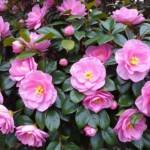
Using ornamental trees as focal points can dramatically enhance your landscape design. A Japanese maple, with its striking red foliage, can serve as a stunning specimen tree. A flowering cherry tree, with its profusion of pink blooms, creates a captivating centerpiece in early spring. By strategically placing these beautiful trees, you can draw the eye and create a visually appealing landscape. Ornamental trees can transform any garden into a picturesque retreat.
Deciduous vs. Evergreen Trees
Characteristics of Deciduous Trees
Deciduous trees are characterized by their seasonal leaf shedding, providing landscapes with dynamic changes throughout the year. In autumn, these trees display vibrant fall color, such as the stunning reds and yellows of maple trees and oak trees. The annual cycle of leaf loss helps to conserve water and energy during the colder months. Deciduous trees like birch trees and some maple trees offer a diverse range of textures and colors, enhancing curb appeal and adding visual interest to any landscape design. These are popular choices for a type of tree.
Benefits of Evergreen Trees
Evergreen trees offer year-round greenery, providing continuous visual interest and structure to the landscape. Unlike deciduous trees, evergreens retain their foliage throughout the year, offering a consistent screen for privacy or wind protection. Many evergreen varieties, such as spruce trees, also add a unique texture with their needle-like leaves. These trees are particularly valuable in urban landscape settings, providing a sense of nature even in winter. Evergreen trees provide a consistent type of tree look compared to deciduous.
Popular Deciduous and Evergreen Choices
When selecting between deciduous and evergreen options, consider the desired effect and maintenance requirements. Maple trees, known for their spectacular fall color, are a popular deciduous choice. Oak trees are favored for their robust structure and longevity. For evergreens, consider the classic beauty of spruce trees or the versatile options among smaller shrubs. Combining both types can create a balanced landscape that offers beauty throughout the year. Birch trees offer beauty as a choice and are considered some of the best trees.
Specialty Trees for Unique Landscapes
Fruit Trees: Harvesting Beauty
Fruit trees bring both beauty and functionality to the landscape. These beautiful trees are a delightful addition, offering showy blossoms in early spring and delicious fruit in late summer or autumn. Cherry tree varieties provide delicate pink flowers, while apple trees offer fragrant white blooms. Fruit trees require careful pruning and maintenance to ensure healthy growth and abundant harvests. They can also serve as focal points in any garden, adding a unique charm with their seasonal changes and providing fresh, homegrown produce.
Small Trees for Limited Spaces
For landscapes with limited space, small trees are an excellent solution. These compact varieties offer all the aesthetic benefits of larger trees without overwhelming the area. Japanese maple trees, known for their vibrant red foliage, make striking specimen tree options. Dogwood trees, with their beautiful white or pink flowers, provide a delicate touch. Consider the mature size and shape of these small trees to ensure they complement the overall landscape design without encroaching on structures or pathways.
River Birch and Other Unique Varieties
River birch trees are unique and well-suited for areas with moist soil. Their peeling bark adds year-round interest, revealing shades of brown and tan beneath the surface. Ash trees, while facing challenges in some regions, can provide beautiful fall foliage and shade. When choosing unique varieties, consider soil type, sunlight availability, and maintenance requirements to ensure the tree thrives in its environment. These unique trees bring character and individuality to any landscape, enhancing its curb appeal and creating a distinctive outdoor space.
- Top advantages of paver restoration for your outdoor area in summerlin south
- How retaining walls enhance outdoor space design and functionality in las vegas
- 10 micro garden ideas that bring big impact in small spaces
- 30 front yard landscaping ideas to boost curb appeal
- Take-home container ideas from rhs malvern 2026