Transforming a challenging slope into a stunning hillside landscape is an exciting endeavor that can significantly enhance your property’s beauty and value. Whether you’re dealing with a gentle slope or a steep incline, thoughtful garden design and careful planting can turn an otherwise unusable space into a captivating garden feature. This guide provides practical garden ideas and design ideas to help you create a hillside oasis tailored to your specific needs and preferences.
Understanding Your Slope
Before embarking on your hillside landscaping project, it’s crucial to thoroughly understand the characteristics of your slope. A comprehensive assessment will inform your design choices and ensure the longevity and success of your garden. Understanding the intricacies of your sloped yard will pave the way for creating a stable, visually appealing, and functional outdoor space as a part of your home landscape.
Identifying the Type of Slope
The first step is to identify whether you have a gentle slope or a steep slope. Gentle slopes offer more flexibility in design and planting, while steep inclines may require more structural solutions like retaining walls or terracing. A steep incline might necessitate incorporating elements like stone steps or a deck to create usable flat areas. Determining the severity of the slope is critical for planning appropriate landscaping techniques and ensuring the safety and stability of your hillside landscape.
Assessing Soil and Drainage
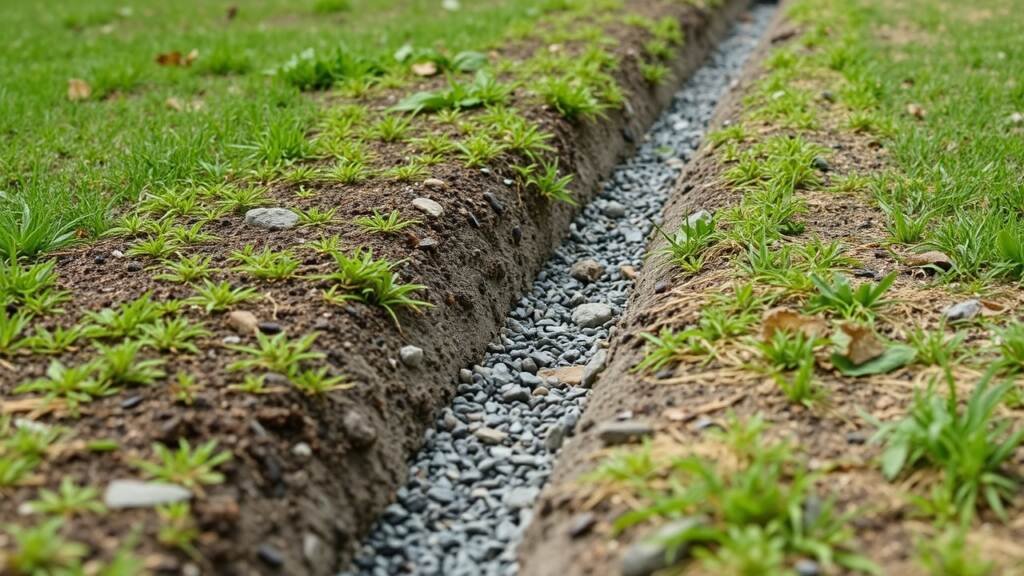
Next, evaluate the soil composition and drainage patterns of your sloped backyard. Slopes are prone to erosion, so understanding how water flows across the landscape is essential for preventing soil loss and managing runoff. Poor drainage can lead to waterlogged soil, which can harm plant roots and destabilize the slope. You may need to improve drainage by installing drain systems or amending the soil with organic matter to enhance its water-holding capacity, promoting healthy plant growth.
Evaluating Sunlight and Shade
Finally, assess the amount of sunlight and shade your slope receives throughout the day. Different areas of the hillside may experience varying degrees of sun exposure, which will influence your choice of plants. Some plants thrive in full sun, while others prefer partial or full shade. Consider using native plants adapted to the local climate and soil conditions, as they are often more resilient and require less maintenance. Understanding these factors will help you create a thriving and sustainable hillside garden.
Design Ideas for a Sloped Backyard
Creating Terraces for Level Areas
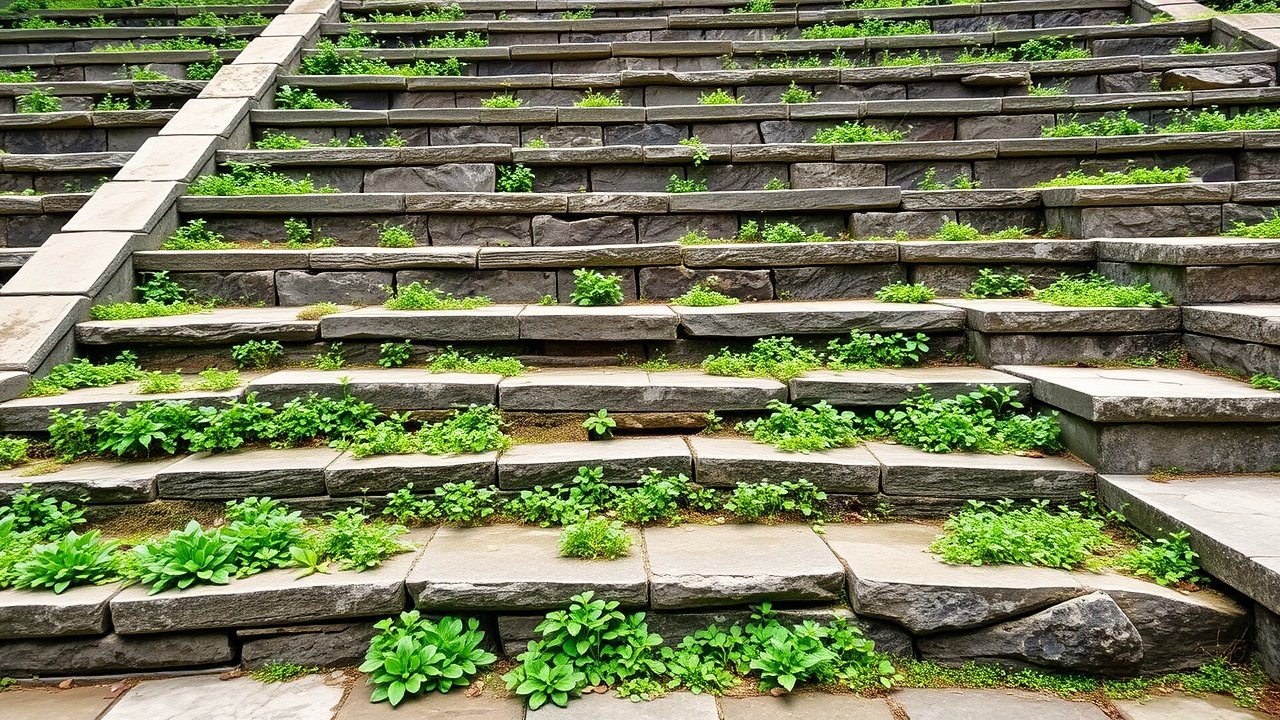
One of the most effective ways to manage a sloped backyard is by creating terraces. Terraces transform a steep slope into a series of level planting beds, making gardening and maintenance easier. This garden design approach not only provides more usable flat area but also helps prevent erosion by slowing down water runoff. Using retaining walls to support each terrace can add structural integrity and visual appeal to your hillside landscape. Terracing allows for a variety of plants and landscaping options on a slope, turning uneven ground into an accessible sloped garden.
Incorporating a Deck into Your Landscape
A deck can be a fantastic addition to landscaping on a slope, providing a level seating area and a focal point in your sloped yard. Integrating a deck into your design creates a functional outdoor living space and offers stunning views of the surrounding landscape. Consider adding built-in benches or planters to enhance the deck’s functionality and aesthetic appeal. A well-designed deck can make your hillside landscape more inviting and enjoyable, especially when combined with garden ideas that complement the natural incline.
Using Retaining Walls Effectively
Retaining walls are crucial for managing steep inclines and preventing erosion. They provide structural support while creating defined planting beds and terraces. When using retaining walls, choose materials that complement your home’s architecture and the natural environment. Stone, timber, and concrete are popular options. Proper drainage behind retaining walls is essential to prevent water buildup and potential damage. Well-designed retaining walls not only stabilize the slope but also add a beautiful hardscape element to your sloped backyard.
Selecting the Right Plants
Best Plants for Slopes
Choosing the right plants is essential for a successful hillside landscape. Opt for ground covers, shrubs, and deep-rooted perennials that help stabilize the soil and prevent erosion. Native plants are often a great choice, as they are adapted to the local climate and require less maintenance. Consider incorporating a variety of textures and colors to create visual interest throughout the year. Plants like creeping thyme and other groundcover plants can effectively cover large areas and reduce weed growth, enhancing the beauty of your sloped garden.
Choosing Plants for Erosion Control
Erosion control is a primary concern when landscaping on a slope. Select plants with extensive root systems that bind the soil together and reduce runoff. Ground covers like creeping juniper, sedum, and ivy are excellent choices for controlling erosion. Shrubs like cotoneaster and potentilla also provide effective soil stabilization. Mulch around plants to further reduce erosion and retain moisture. By choosing plants strategically, you can create a beautiful and sustainable hillside landscape that withstands the elements and protects your property.
Creating a Vertical Garden on an Incline
A vertical garden can transform a steep incline into a stunning visual feature. Utilize retaining walls or specially designed planters to create vertical planting beds. Choose plants that cascade or trail downwards to maximize the visual impact. A vertical garden can add color, texture, and depth to your hillside landscape, turning an otherwise unusable space into a vibrant garden feature. Consider incorporating a drip irrigation system to ensure even watering and reduce maintenance. A well-designed vertical garden can be a unique and eye-catching element in your sloped yard.
Incorporating Features into Your Hillside Landscape
Adding a Water Feature
A water feature can transform your hillside landscape into a tranquil oasis. Consider a cascading waterfall that flows down the slope, creating a soothing ambiance. You can design a natural-looking stream with strategically placed boulders and planting to enhance the visual appeal. Ensure proper drainage to prevent erosion. A water feature not only adds beauty but also attracts wildlife, creating a vibrant ecosystem in your sloped garden. Incorporating native plants around the water feature will further blend it with the surrounding landscape.
Designing a Rock Garden
A rock garden is a superb way to enhance a sloped yard by blending natural elements with unique planting. Arrange boulders of varying sizes to mimic a natural hillside landscape, creating pockets for alpine plants and succulents. This garden design not only adds visual interest but also aids in erosion control. Choose plants that thrive in well-drained soil, as rock gardens naturally offer excellent drainage. Consider using groundcovers to soften the edges and add a touch of green to the rocky terrain, enhancing the overall sloped garden aesthetic.
Using Boulders as Focal Points
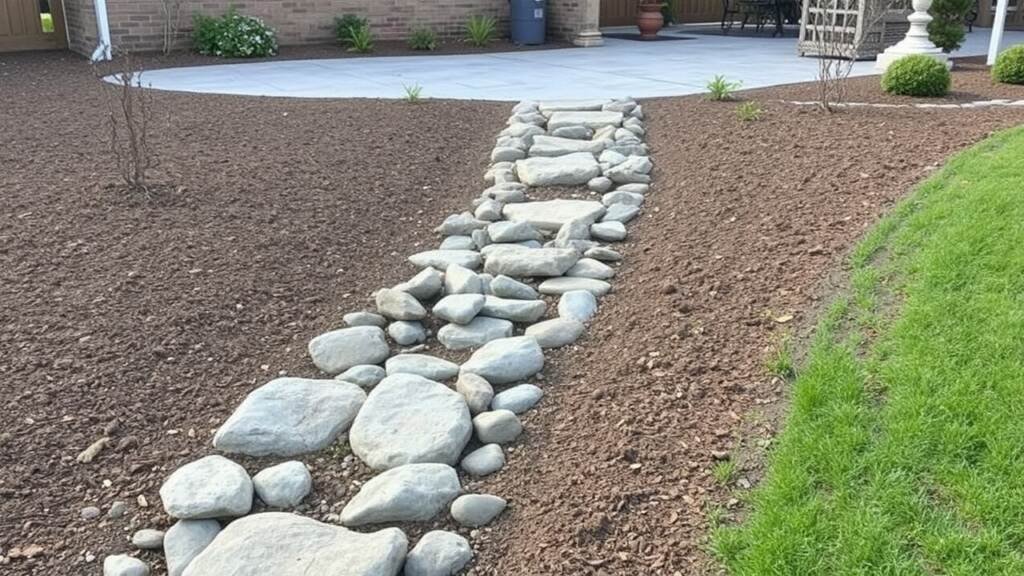
Boulders can serve as stunning focal points in your hillside landscape, providing structure and visual interest. Position large boulders strategically to break up the slope and retain soil, preventing erosion. Surround the boulders with complementary planting, such as groundcovers or shrubs, to soften their appearance. The boulders not only add a natural element but also provide a sense of permanence and stability to your sloped yard. Make sure to consider the scale and proportion of the boulders in relation to the overall landscape design for a balanced and harmonious look.
Landscaping on a Budget
Affordable Garden Ideas
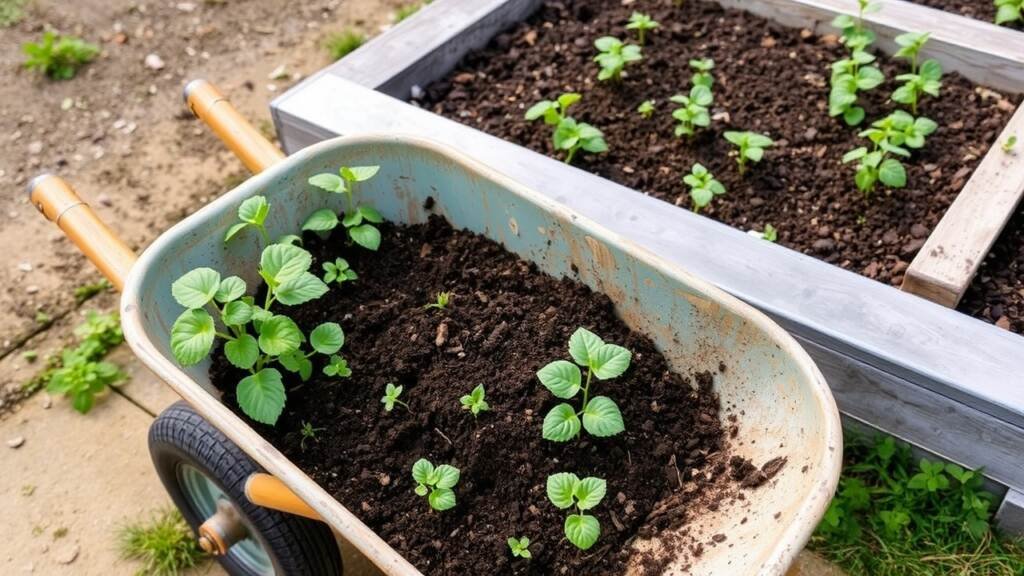
Creating a beautiful hillside landscape doesn’t have to break the bank. Opt for low-maintenance options such as ground covers and shrubs that require minimal upkeep. Utilize recycled materials for pathways and edging to save on costs. Propagate plants from cuttings or seeds to expand your garden without additional expenses. Look for affordable garden ideas, such as creating planting beds with repurposed materials and choosing native plants that thrive in your local climate. Smart planning and creative solutions can transform your sloped yard into a stunning garden on a budget.
DIY Retaining Walls and Terracing
Building your own retaining walls and terraces can significantly reduce costs while adding structural integrity to your hillside landscape. Use readily available materials like timber or stacked stones to construct the walls. Ensure proper drainage behind the walls to prevent water buildup and potential damage. Terracing not only provides usable flat area but also helps prevent erosion by slowing down water runoff. With careful planning and some DIY effort, you can create functional and attractive retaining walls and terraces for your sloped garden.
Cost-Effective Plants for Your Sloped Yard
Choosing the right plants can greatly impact the budget of your landscaping on a slope project. To keep costs down, consider these options:
- Opt for native plants, as they are typically more resilient and require less water and maintenance.
- Ground covers like creeping thyme are excellent for erosion control and can quickly spread to cover large areas.
- Shrubs such as potentilla are also cost-effective and provide beautiful blooms with minimal care.
By selecting the right plants, you can create a hillside garden that thrives without breaking the bank, turning your uneven ground into a beautiful sloped garden.
- Robot Lawn Mowers vs. Traditional Lawn Care: Long-Term Cost & Efficiency Comparison
- Fall Lawn Fertilization: Best Practices to Fertilize Your Grass
- Summer Landscaping and Outdoor Living
- 5 Reasons to Hire a Professional Landscaper for Expert Landscaping Services
- Is grass installation worth the investment