Welcome to the forefront of 2025 landscape design. This article delves into the top 10 landscape design trends that will redefine outdoor spaces. These trends include considerations such as:
- Eco-conscious choices
- Technologically integrated features
We explore how landscape architecture is evolving to meet the demands of modern homeowners and the environment. Get ready to transform your outdoor space with innovative landscaping ideas that promise to create breathtaking and sustainable landscapes.
Understanding Landscape Design Trends

Importance of Landscape Design in 2025
In 2025, the importance of landscape design extends far beyond mere aesthetics; it’s about creating sustainable, functional, and emotionally resonant outdoor living spaces. Landscape design trends reflect a growing awareness of environmental issues, with homeowners increasingly seeking eco-friendly and low-maintenance solutions. The right 2025 landscape design can significantly enhance property value, improve quality of life, and contribute positively to biodiversity. It’s a holistic approach, blending native plant selection with innovative hardscape features like permeable paver walkways, and smart irrigation systems to ensure a lush garden while conserving water.
How Trends Are Shaping Outdoor Spaces
Current landscaping trends are dramatically reshaping outdoor spaces, moving away from traditional lawns and toward more diverse and sustainable designs. Trends for 2025 emphasize creating multi-functional areas that cater to outdoor living, relaxation, and entertainment. This drive to transform outdoor spaces is leading to increased popularity in features such as:
- Outdoor kitchens
- Cozy fire pit areas
- Expansive patios designed for year-round use
The desire for this transformation is driven by a need for connection with nature, reflected in the popularity of cottage garden styles, vibrant colors from flowering shrubs, and the incorporation of soothing water features. Landscape designers are employing creative landscape design ideas to meet these evolving needs.
Impact of Climate and Technology on Landscaping
Climate change and technological advancements are profoundly impacting 2025 landscape design. The increasing frequency of droughts has led to a surge in demand for drought-tolerant plants and smart irrigation systems that optimize water usage. Technology also plays a role in enhancing ambiance with smart lighting and automated features. Landscape architects are incorporating permeable materials in hardscaping to reduce runoff and improve water infiltration. By embracing these innovations, homeowners can create beautiful, sustainable landscapes that not only thrive in a changing climate but also reduce their environmental footprint. The use of natural stone combined with cutting-edge technology represents the latest trends in creating resilient and attractive outdoor spaces.
Top 10 Landscape Design Trends for 2025
1. Eco-Friendly Landscaping Solutions
Here’s how landscape designs are trending towards more sustainable solutions. This includes several important shifts:
- Using recycled materials in hardscaping
- Reducing traditional lawn grass in favor of drought-tolerant plants and native plant species
Eco-conscious landscape architects and landscape designers are incorporating rainwater harvesting systems and composting solutions to further promote sustainability and reduce water consumption in these backyard designs. The movement towards eco-friendly designs reflects a deeper commitment to environmental stewardship.
2. Native Plants and Drought-Resistant Varieties
In 2025, the use of native plants and drought-resistant varieties is central to landscape design trends. Homeowners are prioritizing planting greenery that requires minimal irrigation and maintenance, aligning with the broader goal of water conservation and sustainability. Native plants support biodiversity and thrive in local climates. Landscape designers are using innovative landscaping ideas to create lush garden beds with a mix of flowering shrubs, evergreen trees, and ground covers that require little to no supplemental watering. This approach ensures a vibrant and visually appealing outdoor space that is both beautiful and ecologically responsible.
3. Innovative Hardscaping Techniques
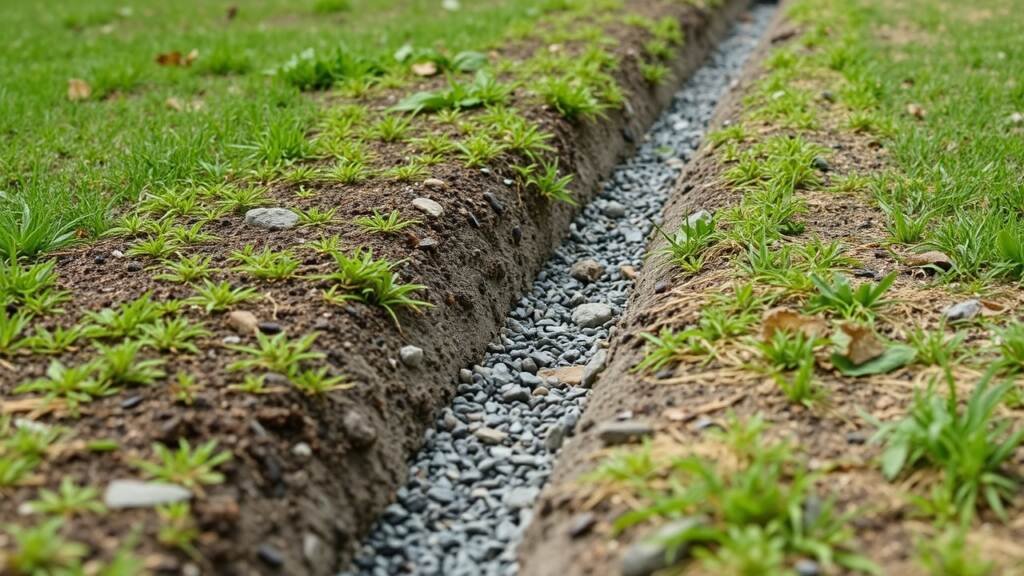
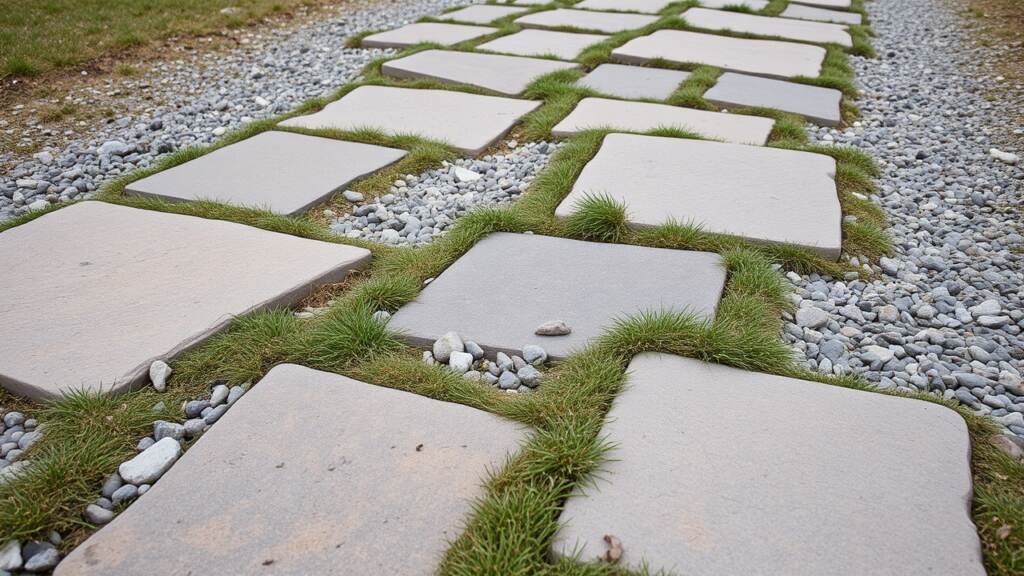
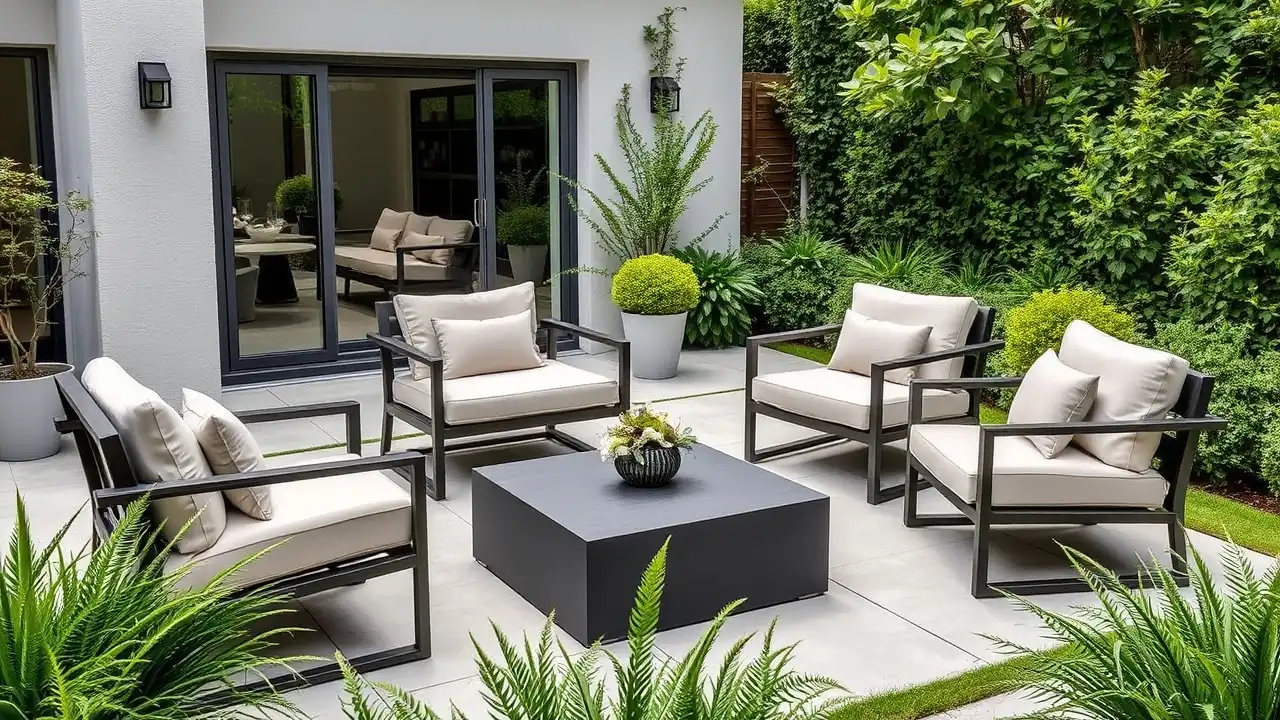
Innovative hardscaping techniques are transforming outdoor spaces in 2025, focusing on sustainability and functionality. Landscape architecture is embracing permeable materials like gravel and natural stone to minimize water runoff. Smart outdoor design incorporates modular hardscape elements that allow for flexible configurations and easy adaptation to changing needs. Landscape designers are integrating built-in seating, outdoor kitchens, and fire pits using materials that complement the natural landscape. These hardscaping solutions not only add aesthetic appeal but also contribute to the overall functionality and enjoyment of the outdoor space, promoting outdoor living and creating inviting areas for relaxation and entertainment. Current landscaping trends emphasize a seamless integration of hardscape and softscape elements.
Top 10 Landscape Design Trends for 2025

4. Outdoor Lighting for Enhanced Aesthetics
In 2025 landscape design, outdoor lighting transcends mere functionality, becoming a crucial element in enhancing the aesthetics of any outdoor space. Landscape architecture now incorporates subtle yet sophisticated lighting schemes that highlight architectural features, illuminate pathways, and create a warm, inviting ambiance for outdoor living spaces. Landscape designers are employing LED technology for its energy efficiency and versatility, allowing homeowners to adjust lighting intensity and color to suit different moods and occasions. The strategic placement of lighting fixtures can dramatically transform your outdoor space, accentuating plants, water features, and hardscape elements to craft a captivating nighttime landscape.
5. Xeriscaping: Water-Efficient Gardening
Xeriscaping, or water-efficient gardening, is a prominent design trend of 2025 landscape designs, reflecting a growing awareness of water conservation. Homeowners are increasingly embracing xeriscaping as a means to create beautiful, sustainable landscapes that require minimal irrigation. Landscape designers use drought-tolerant plants, gravel mulch, and efficient irrigation systems to reduce water consumption while maintaining a lush garden. This approach aligns with eco-friendly practices, promoting biodiversity and reducing the environmental impact. Xeriscaping landscape designs are perfect for regions with water scarcity, offering an aesthetically pleasing solution that conserves precious resources while transforming your outdoor space.
6. Spaces for People: Functional Outdoor Areas
Trends for 2025 highlight that functional outdoor areas are gaining prominence in landscape design, with a focus on creating spaces that cater to various activities and needs. The modern backyard is no longer just a lawn; it’s an extension of the home, designed for outdoor living, entertaining, and relaxation. Landscape designers are integrating outdoor kitchens, cozy fire pit areas, and comfortable seating arrangements to enhance the usability of outdoor spaces. These design ideas reflect a shift towards multi-functional areas that can adapt to different lifestyles and preferences. This outdoor design approach ensures that every inch of the garden is optimized for enjoyment and practical use.
7. Use of Pavers in Modern Landscapes
In modern landscape design, pavers are emerging as a versatile and aesthetically pleasing hardscape material. Landscape designers are incorporating pavers into walkways, patios, and driveways, offering a durable and low-maintenance alternative to traditional concrete or asphalt. Permeable pavers are gaining popularity due to their ability to reduce water runoff and enhance drainage, aligning with sustainability goals. The use of pavers adds texture, color, and pattern to the landscape, enhancing the overall aesthetic appeal. Pavers are a landscape design trend for 2025 for creating inviting and functional outdoor spaces, providing a seamless transition between the home and the garden while transforming your outdoor space.
8. Incorporating Cottage Gardens
The cottage garden style, characterized by its informal, romantic charm, is experiencing a resurgence in 2025 landscape design trends. Homeowners are drawn to the lush, abundant planting schemes that evoke a sense of nostalgia and connection with nature. Landscape designers are incorporating a mix of flowering plants, herbs, and shrubs to create a vibrant and diverse garden bed. Cottage gardens attract pollinators like bees and butterflies, promoting biodiversity and ecological balance. This design trend emphasizes creating a relaxed and inviting outdoor space, with winding paths, cozy seating areas, and a profusion of colors and textures, which helps transform your outdoor space.
9. Sustainable Irrigation Methods
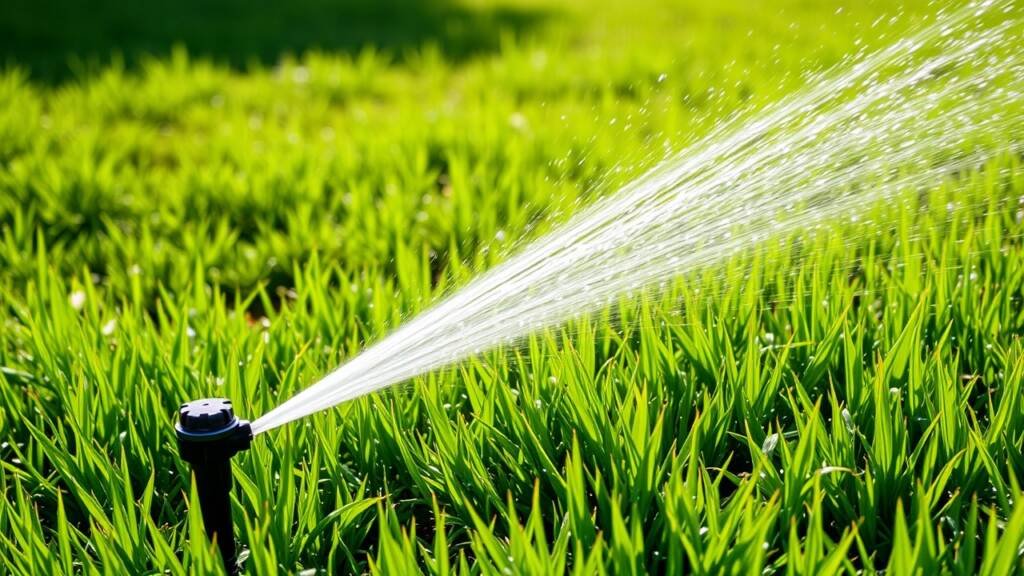
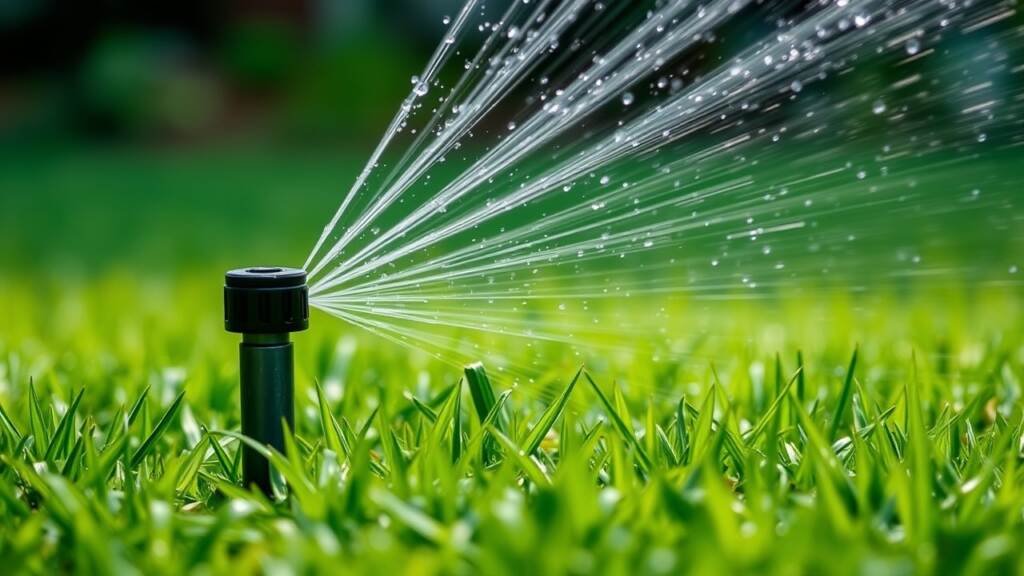
Sustainable irrigation methods are at the forefront of 2025 landscape design, driven by the need to conserve water and reduce environmental impact. Smart irrigation systems use sensors and weather data to optimize water usage, delivering water only when and where it is needed. Drip irrigation and micro-sprinklers are efficient methods for delivering water directly to plant roots, minimizing water waste through evaporation. Landscape architects are incorporating rainwater harvesting systems to collect and store rainwater for irrigation purposes. By adopting these sustainable irrigation methods, homeowners can maintain a lush garden while minimizing their water footprint, aligning with eco-friendly landscaping practices and helping transform your outdoor space.
10. Planters and Vertical Gardening Solutions
Planters and vertical gardening solutions are increasingly popular in 2025 landscape design, offering a versatile way to add greenery to small spaces or enhance existing landscapes. Landscape designers are using a variety of planters, from sleek modern designs to rustic terracotta pots, to showcase plants and create visual interest. Vertical gardens, also known as green walls, are ideal for urban environments with limited space, providing a space-saving way to incorporate plants into walls and fences. These design ideas add depth, texture, and color to the landscape, softening hardscape elements and creating a more inviting atmosphere. By incorporating planters and vertical gardens, homeowners can transform your outdoor space into a lush, vibrant oasis.
Conclusion
Recap of Key Trends
In summary, 2025 landscape design is characterized by a strong emphasis on sustainability and technology integration. Landscape design trends prioritize eco-friendly solutions and functional outdoor spaces. These trends for 2025 reflect a growing awareness of environmental concerns among homeowners and a desire to minimize their ecological footprint. Innovative landscaping ideas, including smart irrigation systems and vertical gardens, enable homeowners to create lush garden spaces while conserving resources. Outdoor living spaces are being transformed into functional areas that cater to relaxation, entertainment, and connection with nature, incorporating outdoor kitchens and fire pits.
Future of Landscape Architecture
The future of landscape architecture in 2025 and beyond looks promising, with ongoing advancements in technology and a growing commitment to sustainability shaping landscape design. Landscape architects will likely play an increasingly vital role in addressing climate change challenges, designing resilient landscapes that can withstand extreme weather events and conserve water. Landscape design trends will continue to emphasize the use of native plants and drought-tolerant species, promoting biodiversity and reducing the need for irrigation. The integration of smart technologies, such as automated irrigation systems and landscape lighting, will further enhance the efficiency and functionality of outdoor spaces. The landscaping industry will be at the forefront of creating aesthetically pleasing, ecologically responsible outdoor living spaces.
Final Thoughts on Transforming Your Backyard
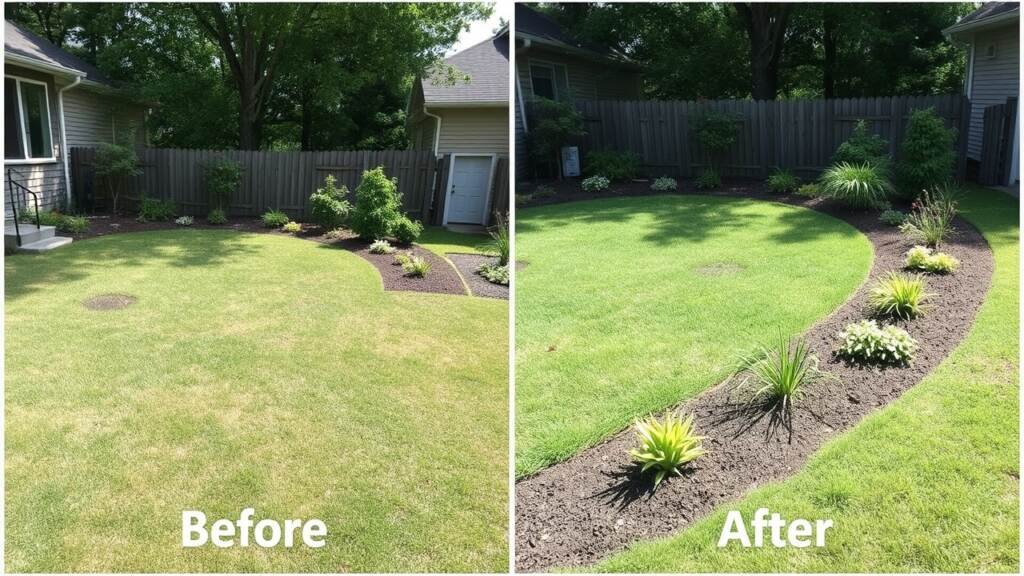
As we look ahead, trends for 2025 underscore that transforming your backyard into a beautiful and functional outdoor space is within reach for every homeowner. By embracing these landscaping ideas, you can create a landscape that not only enhances the value of your home but also improves your quality of life and contributes to a healthier environment. Consider incorporating native plants, using innovative hardscaping techniques, and seeking help from a qualified landscape designer. With careful planning and the help of a qualified landscape designer, you can design a backyard oasis that reflects your unique style and meets your specific needs.
- General Landscaping Services – Full-Service Design & Installation in Tacoma & Puyallup
- Pet-Friendly Landscaping Ideas for a Beautiful and Safe Yard
- 7 winter tips every gardener needs for cold-weather composting
- How to build a butterfly garden that actually works
- Affordable Landscaping Services in Olympia, WA