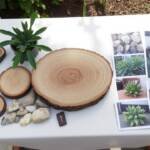

As we look ahead, spring stands out as the most influential season for landscape design decisions. It’s a time when homeowners are eager to refresh their outdoor space and enhance their property’s appeal. The garden trends for 2026 reflect a growing desire for functionality, sustainability, and aesthetic beauty.
What’s Shaping Garden Design Trends This Spring
Several factors are converging to shape the garden design trends we’ll see next spring. These influences reflect a deeper understanding of our environment and a shift toward more practical and enjoyable outdoor living. Understanding these underlying drivers is key to appreciating the emerging design trend.
Climate awareness
Climate awareness is a significant driver, with homeowners increasingly seeking drought-tolerant and climate-responsive landscapes. The garden must be sustainable and resilient. Landscape designers are prioritizing native plants and water-efficient layouts to create gardens that thrive in their local environment. This approach supports ecological balance and reduces the strain on resources.
Outdoor lifestyle changes
Changes in outdoor lifestyles are also playing a role, as homeowners seek to maximize their enjoyment of outdoor space. The modern landscape design now often incorporates features that enhance outdoor living, such as comfortable seating areas, outdoor kitchens, and entertainment spaces. These spaces extend the home’s living area into the garden.
Low-maintenance preferences
Low-maintenance preferences are another key consideration for homeowners when planning their gardens. With busy lifestyles, people are looking for gardens that offer beauty and enjoyment without demanding excessive upkeep. The demand for low-maintenance designs is reflected in the growing popularity of perennial plants.
Trend #1: Sustainable and Climate-Responsive Gardens
One of the top garden design trends for 2026 is the focus on sustainable and climate-responsive gardens. These gardens are designed to minimize environmental impact, conserve resources, and thrive in the face of changing climate conditions. They represent a responsible and forward-thinking approach to landscaping.
Native plants
Native plants are at the heart of sustainable garden designs. These plants are well-adapted to the local climate and soil conditions, requiring less water, fertilizer, and pest control than non-native species. Incorporating native plants not only supports local ecosystems but also creates a garden that is naturally resilient and beautiful.
Water-efficient layouts
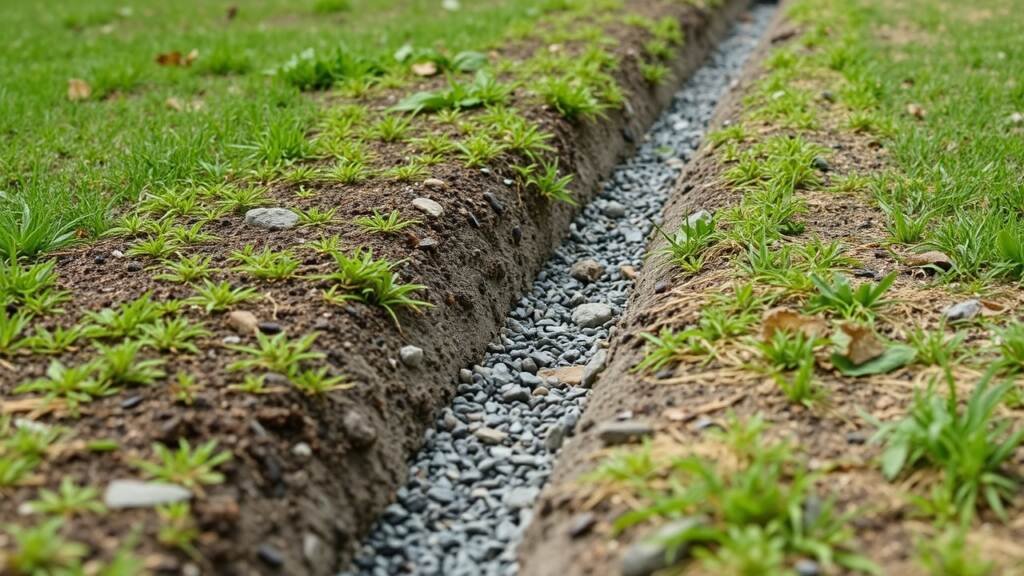
Water-efficient layouts are essential for conserving water and reducing the environmental footprint of gardens. Garden planners should consider elements such as rainwater harvesting systems, permeable paving, and efficient irrigation methods. By minimizing water waste, these layouts help create a more sustainable and eco-friendly garden.
Reduced lawn footprints
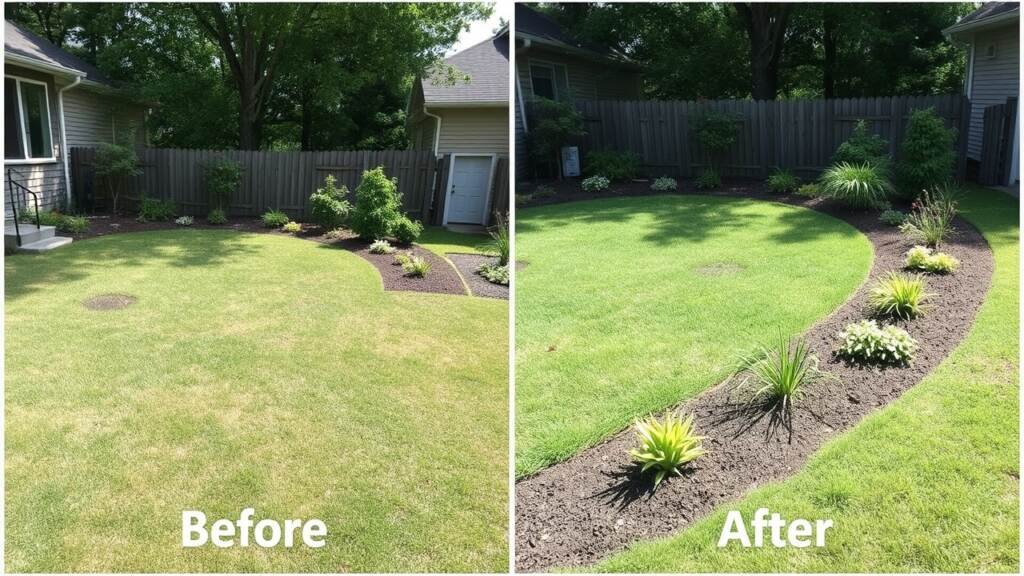
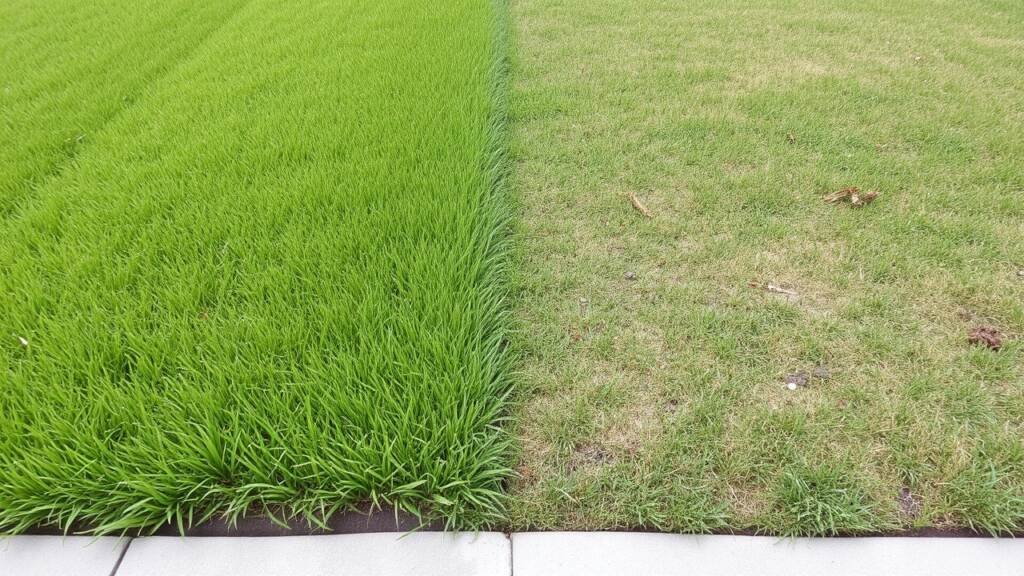
Reducing lawn footprints is another key aspect of sustainable garden design. Lawns require significant water and maintenance, so replacing portions of the lawn with drought-tolerant groundcovers, native planting beds, or permeable patios can greatly reduce resource consumption. This shift towards more diverse and eco-friendly landscapes is a growing trend.
Trend #2: Multi-Functional Outdoor Living Spaces
Multi-functional outdoor living spaces are becoming increasingly popular as homeowners seek to maximize the usability and enjoyment of their gardens. These spaces are designed to serve multiple purposes, blurring the lines between indoor and outdoor living. This is a crucial element of landscaping trends for 2026.
Flexible seating
Flexible seating arrangements are essential for creating multi-functional outdoor living spaces. Modular furniture, movable benches, and comfortable lounge chairs allow homeowners to easily adapt the space for different activities and gatherings. This adaptability makes the outdoor area a versatile extension of the home.
Outdoor dining zones
Outdoor dining zones are a popular feature in modern landscape design. These spaces provide a perfect setting for enjoying meals with family and friends in the fresh air. Incorporating features such as built-in grills, outdoor kitchens, and comfortable seating areas can transform a simple patio into a culinary haven.
Seamless indoor–outdoor flow
Creating a seamless indoor-outdoor flow is key to maximizing the usability and enjoyment of outdoor living spaces. This can be achieved through features such as large sliding doors, open floor plans, and consistent design elements that connect the interior and exterior spaces. The result is a harmonious and inviting living environment.
Trend #3: Naturalistic and Organic Design Styles
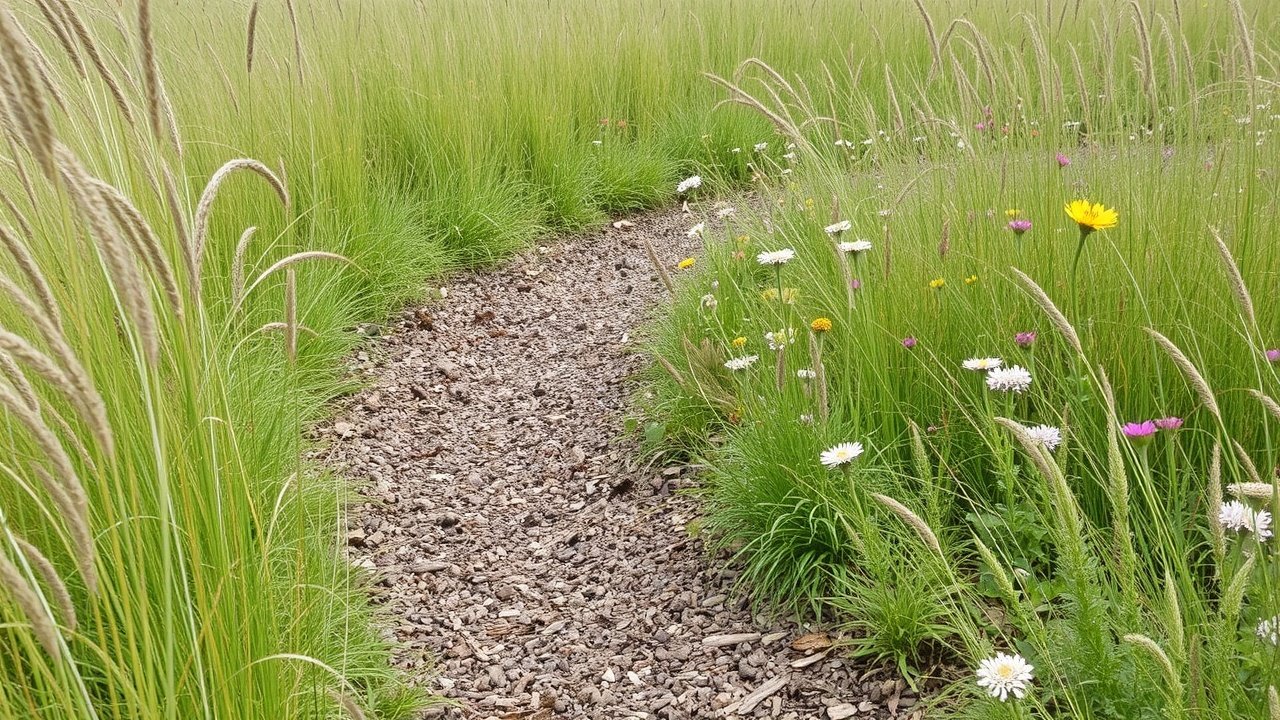
Naturalistic and organic design styles are gaining traction in the landscape, moving away from structured and formal arrangements. These designs emphasize soft, flowing lines and mimic the natural world, creating a serene and inviting atmosphere. The integration of these styles is one of the key garden design trends for 2026.
Soft edges
Soft edges are a hallmark of naturalistic garden designs, replacing straight lines with gentle curves and undulating forms. Using plants with varied textures and heights helps to soften the transition between different areas of the garden. This creates a more visually appealing and inviting outdoor space for any homeowner and gardener.
Layered planting
Layered planting involves arranging plants in multiple layers, from groundcovers to tall trees, to create depth and visual interest in the landscape. This technique mimics natural plant communities, providing habitat for wildlife and enhancing the garden’s overall aesthetic appeal. This has become a very popular garden trend.
Less rigid symmetry
Moving away from rigid symmetry allows for a more relaxed and naturalistic garden aesthetic. As the 2026 garden trends forecast, incorporating asymmetry in the arrangement of plants, hardscape elements, and water features creates a more dynamic and visually engaging garden space. This style embraces the beauty of imperfection and spontaneity.
Trend #4: Low-Maintenance Plant Palettes
Low-maintenance plant palettes are a must-have for busy homeowners, offering beauty and enjoyment without the need for constant upkeep. These palettes focus on plants that are naturally resilient, require minimal pruning, and are resistant to pests and diseases. The move to low-maintenance is one of the key landscape design trends.
Perennials over annuals
Choosing perennials over annuals is a smart way to reduce seasonal upkeep in the garden. Perennials come back year after year, providing long-lasting color and texture. This reduces the need for replanting every spring, saving time and money for the homeowner. This is why it is listed as one of the top garden trends.
Drought-tolerant species
Drought-tolerant species are essential for creating low-maintenance and sustainable gardens. These plants are adapted to arid conditions, requiring less water than traditional garden plants. Incorporating drought-tolerant species not only conserves water but also reduces the time and effort needed to maintain a lush and vibrant garden. These plants are very popular for gardens in 2026.
Reduced seasonal upkeep
Reduced seasonal upkeep is a major benefit of low-maintenance plant palettes. By selecting plants that require minimal pruning, fertilizing, and pest control, homeowners can enjoy a beautiful garden without spending countless hours on maintenance tasks. This approach allows for more time to relax and enjoy the outdoor space. Landscape designers often make these suggestions to customers.
Trend #5: Smart and Subtle Landscape Technology
Smart and subtle landscape technology is transforming the way gardens are designed and maintained, offering convenience, efficiency, and sustainability. These technologies are designed to seamlessly integrate into the landscape, enhancing its beauty and functionality without being obtrusive. Many landscape designers are starting to implement smart technology.
Smart irrigation
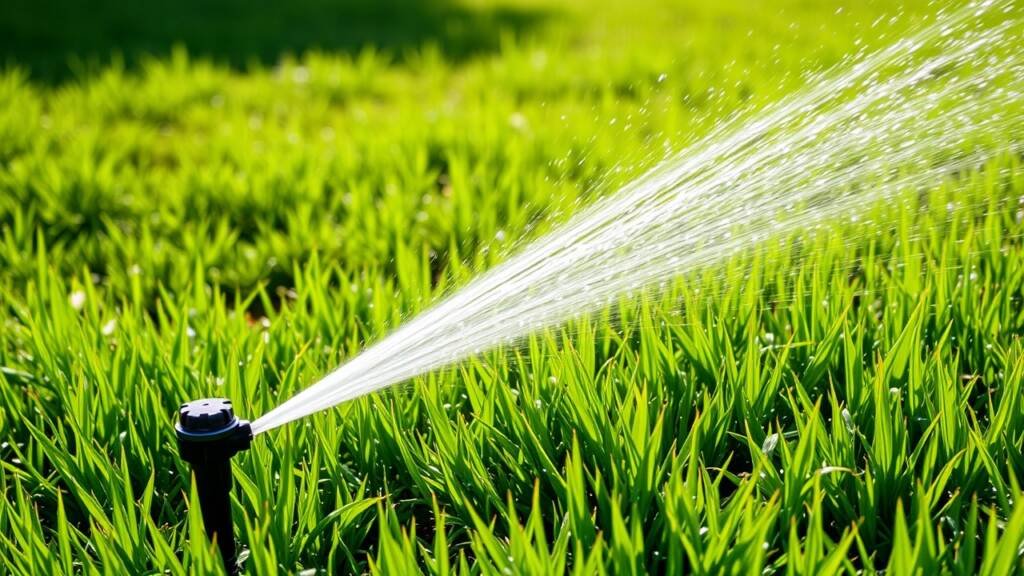
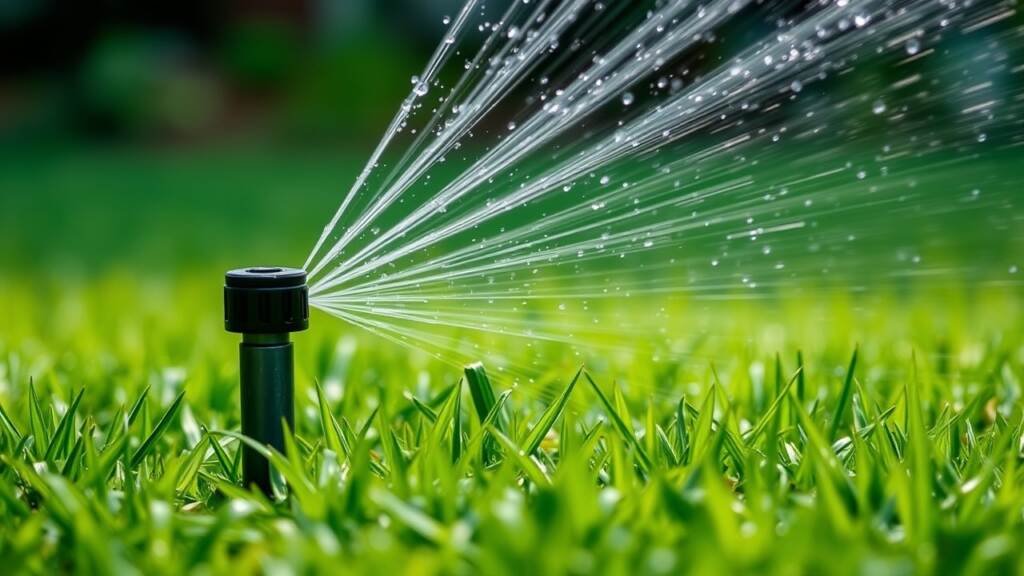
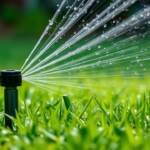
Smart irrigation systems use sensors and weather data to automatically adjust watering schedules, ensuring that plants receive the precise amount of water they need. This technology can significantly reduce water waste and promote healthier plant growth, making it a valuable addition to any modern garden. It’s one of the trends to watch out for in garden design.
Discreet outdoor lighting
Discreet outdoor lighting enhances the ambiance and safety of gardens without detracting from their natural beauty. Low-voltage LED lights can be strategically placed to highlight architectural features, illuminate pathways, and create a warm and inviting atmosphere. Careful planning ensures that the lighting complements the garden’s overall design.
Automated maintenance systems
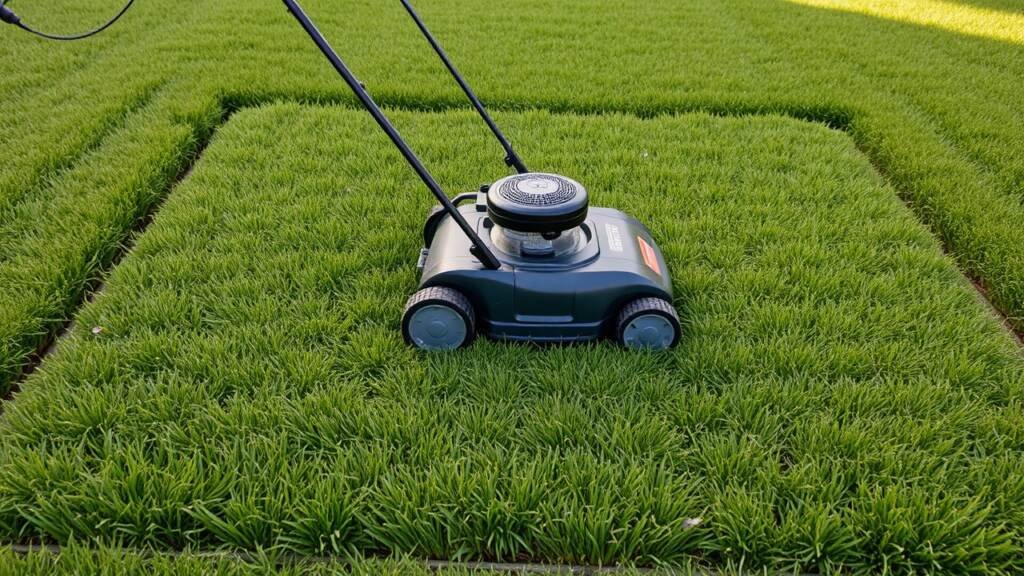
Automated maintenance systems, such as robotic lawnmowers and automated weeding devices, can help reduce the time and effort required to maintain a garden. These systems are designed to operate quietly and efficiently, keeping the garden looking its best with minimal human intervention. For a busy homeowner, these systems are life savers.
Trend #6: Edible and Functional Gardens
One of the key garden design trends for 2026 is the integration of edible and functional gardens. These gardens combine aesthetic appeal with practical benefits, providing fresh produce, herbs, and other useful plants right in your backyard. This design trend reflects a growing interest in self-sufficiency and sustainable living. Many homeowners are already adapting this.
Raised beds
Raised beds are an excellent way to incorporate edible plants into the landscape. These structures offer better soil control, drainage, and accessibility, making it easier for gardeners to cultivate vegetables, herbs, and flowers. They also add visual interest and can be customized to fit any garden style. Gardeners are choosing this more and more as a 2026 garden trend.
Herb gardens
Herb gardens are a practical and fragrant addition to any outdoor space. Planting a variety of herbs not only provides fresh ingredients for cooking but also attracts pollinators and beneficial insects to the garden. Herb gardens can be incorporated into raised beds, containers, or even vertical planters, making them a versatile design choice. Many landscapers suggest planting herbs in your garden.
Fruit-bearing plants
Incorporating fruit-bearing plants, such as fruit trees, berry bushes, and fruiting vines, can transform your garden into a productive and beautiful landscape. These plants offer delicious and nutritious harvests while also providing shade, visual interest, and habitat for wildlife. Choosing the right varieties for your climate ensures year-round enjoyment. The 2026 trends forecast many more gardens with fruit.
Trend #7: Texture-Driven Hardscape Design
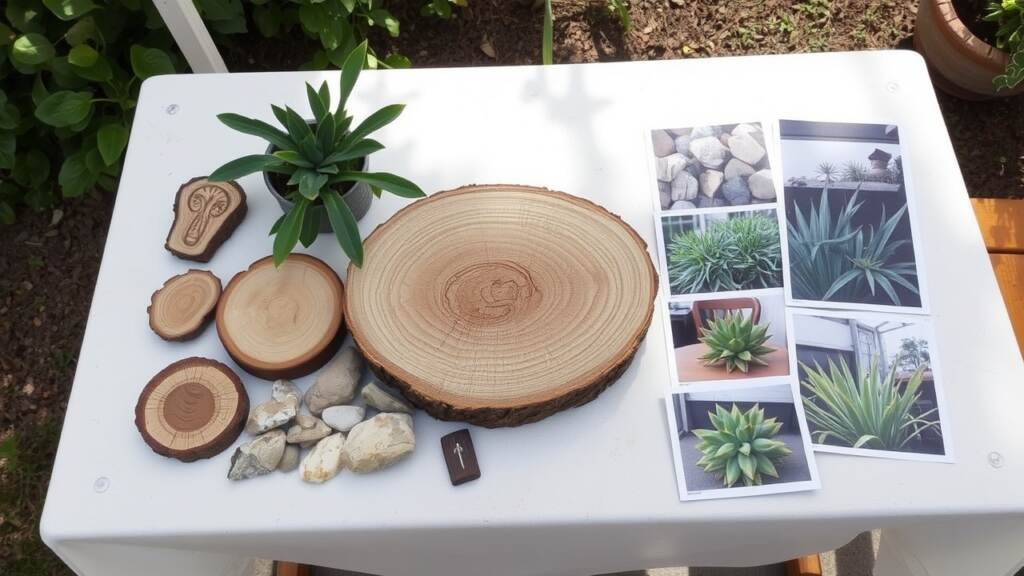
Texture-driven hardscape design is a prominent trend, adding depth and visual interest to gardens. By incorporating a variety of materials with different textures, colors, and patterns, landscape designers can create outdoor spaces that are both aesthetically pleasing and functional. Many gardens in 2026 are going to be adapting this style.
Natural stone
Natural stone is a classic hardscape material that brings a timeless elegance to gardens. Available in a wide range of colors, textures, and shapes, natural stone can be used for pathways, patios, retaining walls, and water features. Its durability and natural beauty make it a popular choice for homeowners. Many top garden design trends incorporate natural stone.
Permeable paving
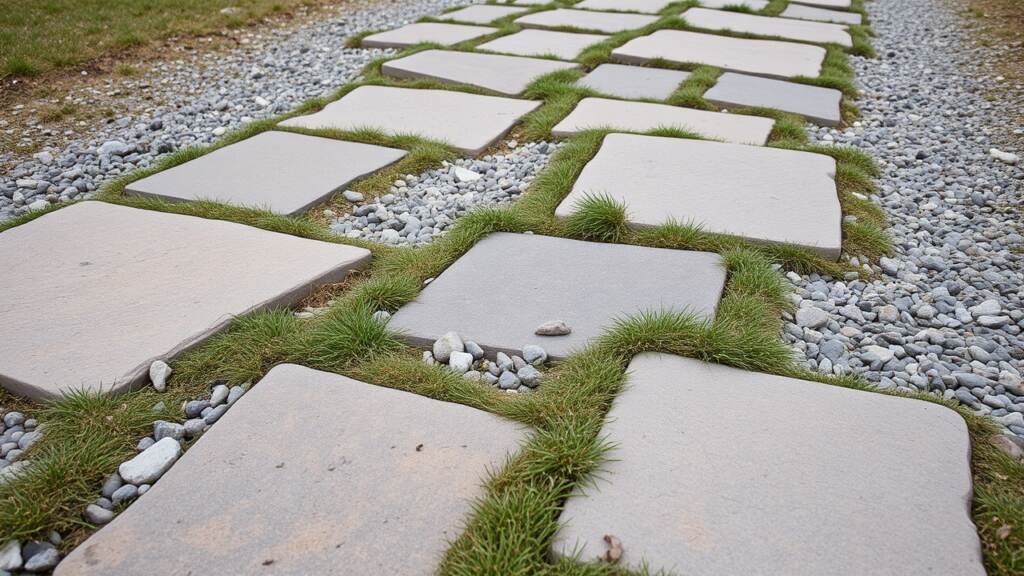
Permeable paving is an environmentally friendly hardscape option that allows water to drain through the surface and into the soil. This reduces runoff, recharges groundwater, and helps to prevent erosion. Permeable pavers are available in a variety of materials, including gravel, concrete, and recycled plastic, making them a versatile choice for sustainable landscape design. This is also a top garden trend.
Mixed materials
Mixing different hardscape materials, such as stone, wood, and metal, can create visually dynamic and interesting outdoor spaces. Combining contrasting textures and colors adds depth and character to the landscape. This approach allows for creative expression and customization, making each garden unique. This is a popular design trend for 2026.
How to Choose Trends That Fit Your Home
Selecting garden design trends that harmonize with your home involves careful consideration of several factors. The goal is to create an outdoor space that reflects your personal style while remaining practical and sustainable for the long term. These landscape design trends all offer a unique look.
Climate compatibility
Climate compatibility is a crucial factor when choosing plants and design elements for your garden. Selecting native plants and drought-tolerant species ensures that your garden thrives in the local climate with minimal water and maintenance. Understanding your region’s specific conditions is essential for creating a sustainable and resilient landscape. Landscape designers can help with this.
Maintenance commitment
Assessing your maintenance commitment is important when planning your garden. Low-maintenance designs, such as those featuring perennial plants, drought-tolerant groundcovers, and automated irrigation systems, can help reduce the time and effort required to keep your garden looking its best. Consider your lifestyle and available time when making design choices. You may want to hire a garden planner to help.
Long-term usability
Considering long-term usability ensures that your garden remains functional and enjoyable for years to come. Choosing durable materials, planning for future growth, and incorporating versatile design elements can help maximize the lifespan of your outdoor space. Think about how you plan to use your garden and select features that will meet your needs over time. These considerations are extremely important.
Professional Insight from Destiny Landscape
As you consider these exciting trends for your outdoor space, remember that tailoring them to your specific environment and lifestyle is key. With years of experience in creating stunning and sustainable landscapes, Destiny Landscape offers valuable insights to help you make informed decisions and avoid common pitfalls.
Translating trends into practical designs
Destiny Landscape specializes in translating abstract trends into practical and functional designs that enhance your property’s value and appeal. By carefully assessing your site conditions, budget, and preferences, we can create a customized landscape plan that brings your vision to life while adhering to sustainable practices. Native plants are one of our favorites to use.
Avoiding short-lived fads
While it’s tempting to jump on the bandwagon of every new design trend, Destiny Landscape advises homeowners to focus on timeless and enduring elements that will stand the test of time. We help you avoid short-lived fads by prioritizing quality materials, classic design principles, and sustainable practices that ensure long-term enjoyment. Many landscape trends are fads.
Planning for seasonal transitions
Destiny Landscape understands the importance of planning for seasonal transitions to ensure that your garden looks beautiful year-round. By selecting plants with varied bloom times, incorporating evergreen shrubs, and designing for winter interest, we create landscapes that provide visual appeal and ecological benefits throughout the seasons. Proper planting is key for year-round gardens.