Welcome to the world of sustainable landscape design, where beautiful outdoor spaces meet environmental responsibility. Discover how to create a thriving, eco-friendly garden that not only enhances your property but also contributes to a healthier planet. Join us as we explore the principles and practices of sustainable landscaping.
Introduction to Sustainable Landscape
What is Sustainable Landscape Design?
Sustainable landscape design is an environmentally conscious approach to creating and maintaining outdoor spaces. It focuses on minimizing environmental impact by using sustainable practices and materials. This includes selecting native plants, conserving water, reducing waste, and promoting biodiversity. The goal is to create a landscape that is both beautiful and beneficial to the environment, ensuring long-term sustainability and ecological balance in your yard or landscape.
Importance of Eco-Friendly Landscaping
Eco-friendly landscaping is vital for preserving our natural resources and protecting our environment. By choosing sustainable methods, we can reduce our carbon footprint, conserve water, and create habitats for wildlife. Eco-friendly landscaping also helps to minimize the use of harmful pesticides and fertilizers, promoting healthier ecosystems. Embracing eco-friendly garden practices ensures that our outdoor spaces are not only aesthetically pleasing but also contribute to a sustainable future.
Overview of Premier Sustainable Landscape Services
Our landscape services specialize in sustainable landscape design and installation, offering comprehensive solutions for homeowners seeking an eco-friendly approach to their outdoor space. We focus on creating beautiful landscapes through thoughtful design and management, incorporating native plant planting, rain gardens, and permaculture techniques. Our goal is to provide regenerative land care that enhances the environment and promotes sustainability, creating pollinator-friendly landscapes that support wildlife and minimizes the impact of invasive plants.
Eco-Friendly Landscaping Techniques
Native Plant Selection for Resilient Gardens
Selecting native plants is a cornerstone of eco-friendly landscaping. Native plant species are adapted to the local climate and soil conditions, requiring less water, fertilizer, and pest control than non-native plants. This reduces the need for garden maintenance and minimizes the environmental impact of your yard or landscape. By prioritizing native plant planting, you’re creating a habitat for local wildlife and supporting biodiversity, which are critical components of a sustainable landscape design.
Permaculture Principles in Landscape Design
Permaculture is a design philosophy that seeks to create sustainable and self-sufficient ecosystems. In landscape design, permaculture principles involve mimicking natural patterns to create resilient and productive gardens. This includes techniques such as companion planting, water harvesting, and soil building. By integrating permaculture, a landscaping company can create a system that provides food, shelter, and other resources while minimizing waste and environmental impact.
Creating Rain Gardens for Effective Water Management
Rain gardens are shallow, planted depressions designed to capture and filter rainwater runoff from roofs, driveways, and other impervious surfaces. This helps to reduce stormwater pollution and recharge groundwater supplies. When designing a rain garden, consider the soil type, drainage, and plant selection to ensure that it functions effectively. Incorporating rain gardens is a sustainable landscape practice that promotes water conservation and improves water quality, making it an ideal component of any eco-friendly garden.
Designing Sustainable Outdoor Spaces
Integrating Perennials for Long-Lasting Beauty
Perennials are plants that live for more than two years, providing long-lasting beauty and reducing the need for replanting each year. Integrating perennials into your landscape design offers both aesthetic and environmental benefits. They establish deep root systems that improve soil health and prevent erosion, and provide habitat and food sources for pollinators and other wildlife. Choosing a variety of perennials ensures a colorful and vibrant outdoor space throughout the growing season, promoting sustainable landscape practices.
Strategies for Invasive Species Management
Invasive plants are non-native species that can outcompete native plants, disrupt ecosystems, and reduce biodiversity. Effective management of invasive plants is crucial for maintaining a healthy and sustainable landscape. Strategies include manual removal, targeted herbicide application, and promoting the growth of native plant species. A sustainable landscape design should prioritize the prevention and control of invasive species to protect the integrity of the environment.
Utilizing Sustainable Materials in Landscape Construction
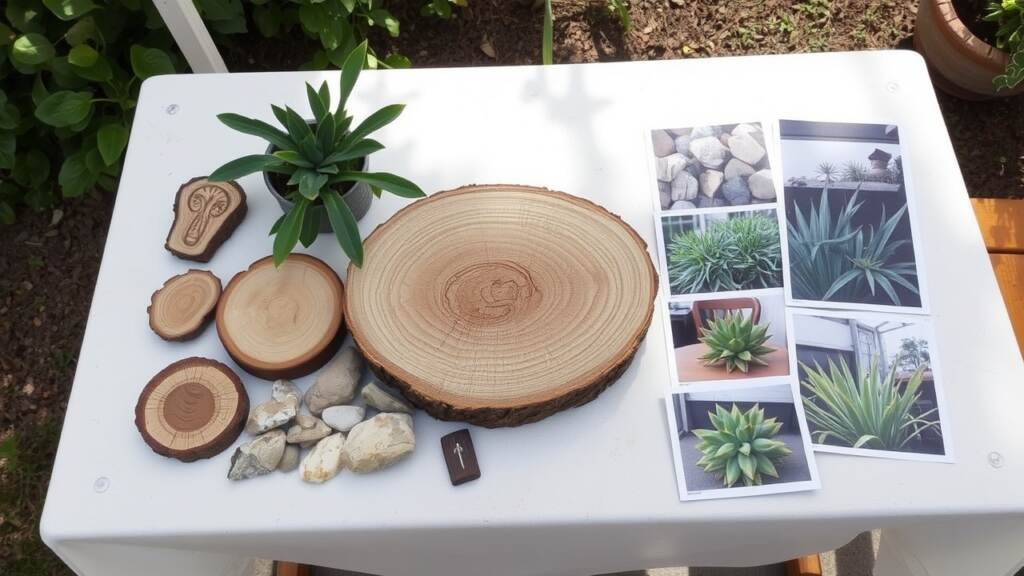
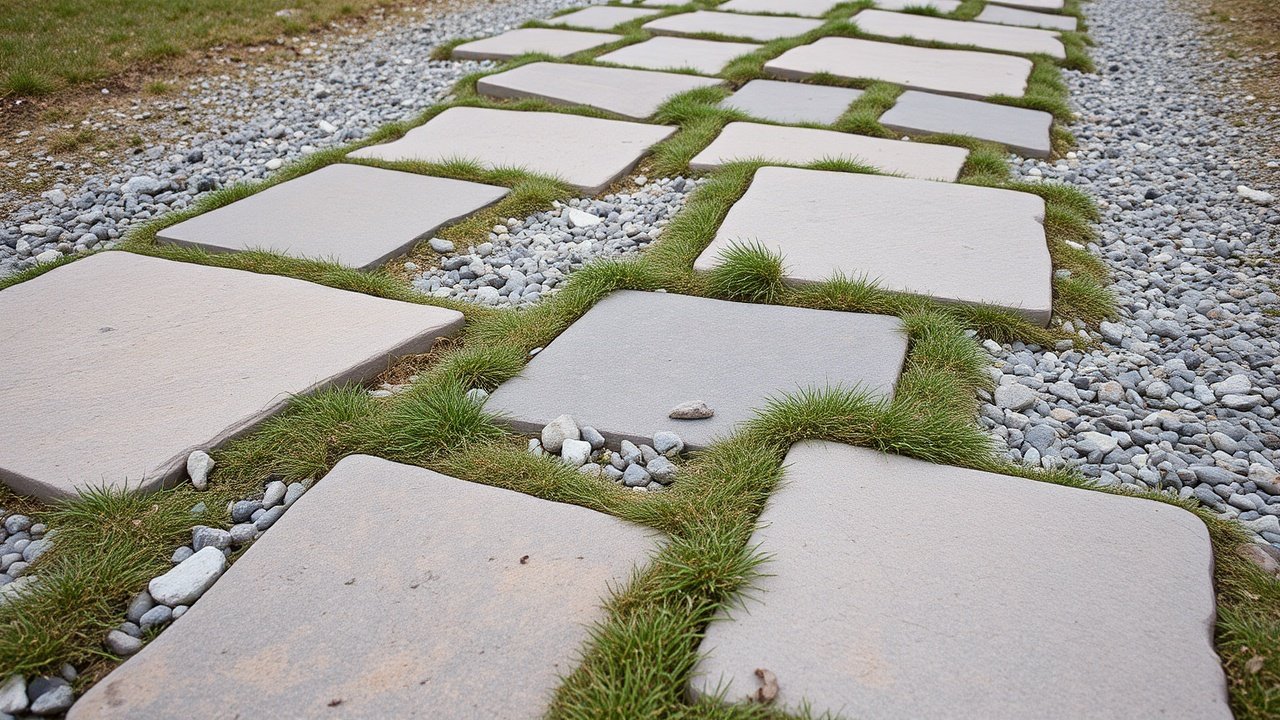
Choosing sustainable materials for landscape construction is an important aspect of eco-friendly landscaping. This includes using recycled or reclaimed materials, locally sourced stone and wood, and permeable paving options. Sustainable materials reduce the environmental impact of your landscape and create a more natural and harmonious outdoor space. Consider incorporating these materials into your hardscaping features to create a beautiful and eco-conscious landscape design that aligns with the principles of sustainability.
Landscape Services for Sustainable Gardening
Comprehensive Landscape Design Services
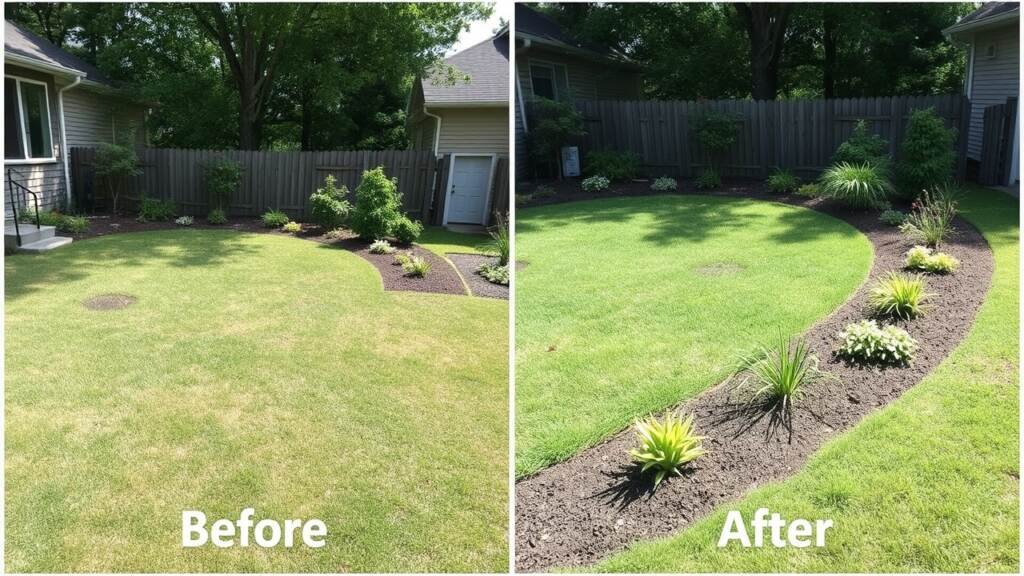
Destiny Landscape stands out by offering landscape services that specialize in custom landscape design. These landscape services are meticulously tailored to meet the specific needs of each client and the unique conditions of their property. With an eco-friendly approach, we transform outdoor space into beautiful landscapes using sustainable landscape design practices, ensuring every yard or landscape benefits from our design and installation expertise.
Planting Techniques for Eco-Friendly Gardens
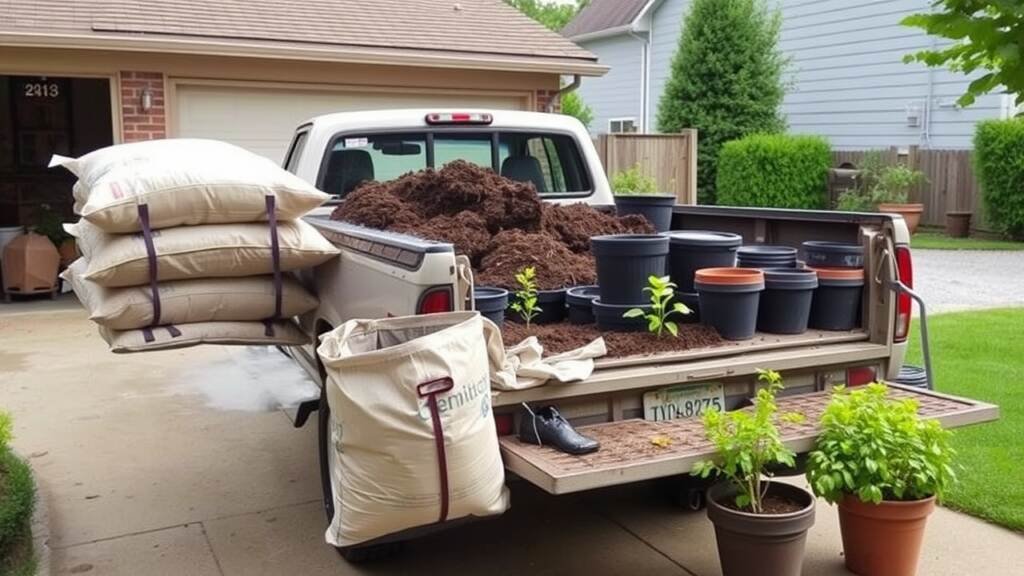
For an eco-friendly garden, proper planting techniques are essential. We emphasize native plant planting to promote sustainability and support local wildlife. Our methods include strategic mulch application to retain moisture and suppress weeds, which reduces garden maintenance. Our landscaping company ensures that every eco-friendly garden thrives with minimal environmental impact.
Pest Management in Sustainable Landscapes
Effective pest management is vital for maintaining a sustainable landscape. We employ integrated pest management (IPM) strategies, focusing on natural and preventative measures before resorting to chemical solutions. This approach includes encouraging beneficial insects, using native plant species that resist pest infestations, and ensuring proper soil health. Our goal is to provide regenerative land care that minimizes the need for harsh chemicals, promoting a healthier, environmentally balanced outdoor space.
Conclusion and Future of Sustainable Landscaping
Trends in Eco-Friendly Landscape Solutions
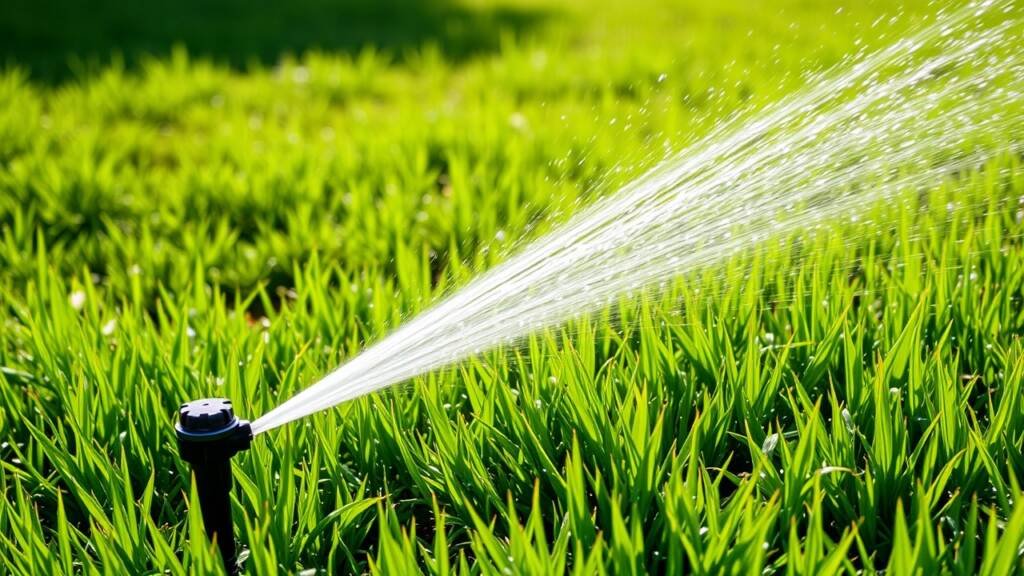
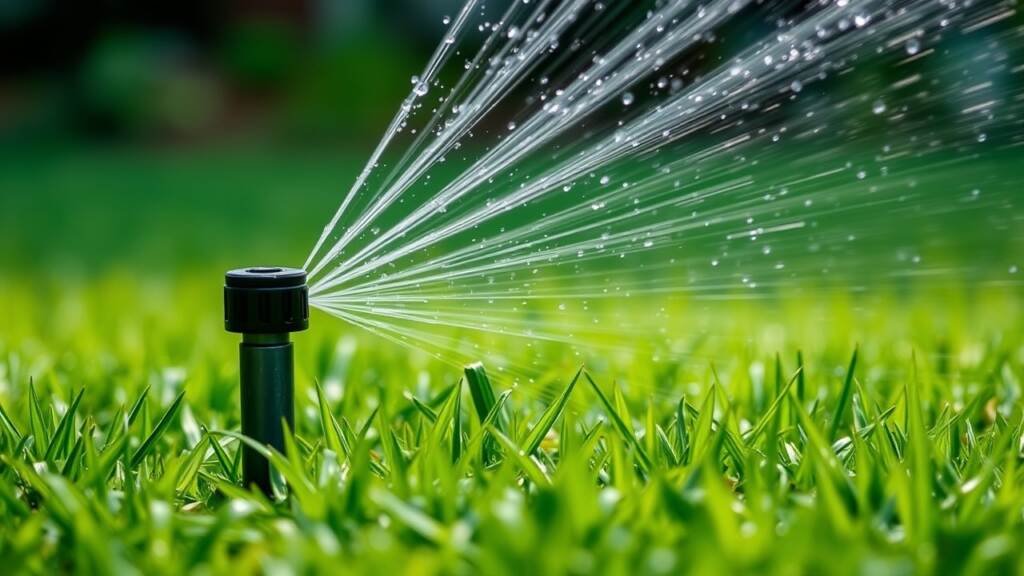
The future of ecological landscaping is trending toward more integrated and innovative solutions. Increased use of green infrastructure such as green roofs and walls, advancements in water-efficient irrigation, and the growing popularity of pollinator-friendly landscapes are shaping the future of sustainable landscape design. These trends are driven by a greater awareness of environmental issues and a desire to create more resilient and environmentally responsible outdoor spaces.
Community Involvement in Sustainable Gardening
Community involvement is essential for promoting sustainable garden practices and fostering a greater appreciation for nature. Local initiatives such as community garden projects, educational workshops, and volunteer planting days can empower individuals to adopt eco-friendly approaches in their own yard or landscape. By engaging the community, we can collectively create a more sustainable, resilient, and environmentally conscious neighborhood and support ecological landscaping together.
The Role of Nurseries in Promoting Native Plants
Nurseries play a crucial role in promoting native plant availability and educating homeowners about the benefits of native plant species. By stocking a wide variety of locally adapted plants and providing expert advice, nurseries enable homeowners to make informed choices for their garden. They also contribute to the conservation of biodiversity by propagating and preserving rare and endangered native plant species that support the habitat for wildlife.