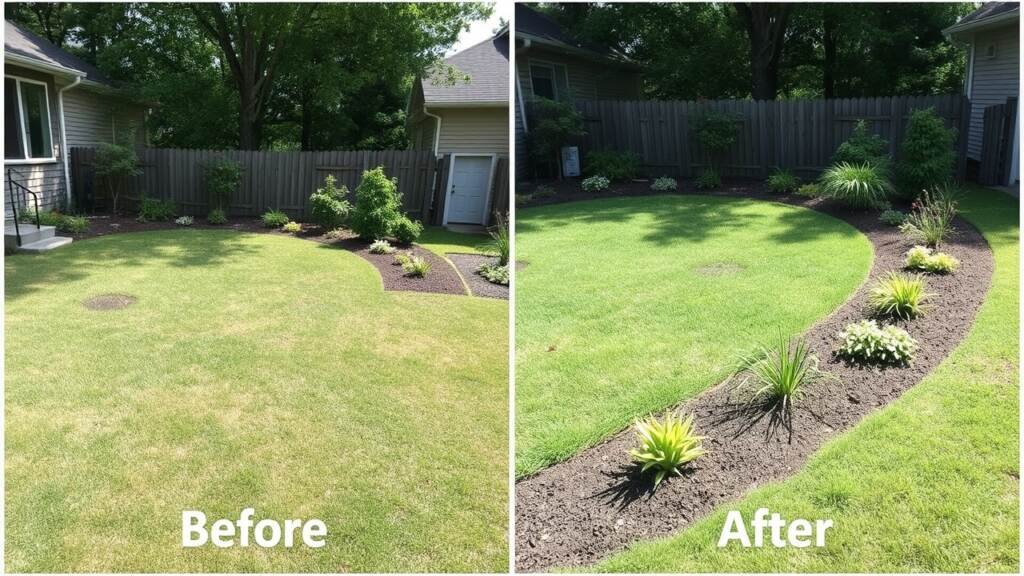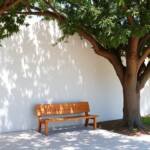

A sustainable backyard makeover in 2025 is about transforming your outdoor space into a resilient, low-maintenance retreat that supports biodiversity and daily living. Today’s backyard design ideas blend sustainable landscaping, smart irrigation, and hardscape choices that fit your local climate and lifestyle. Prioritize water efficiency, durability, and long-term value whether you have small spaces or a larger lawn.
Why Sustainable Backyard Design Matters in 2025
In 2025, sustainable landscape design responds to climate pressures, rising water costs, and the need for low-maintenance living space. Eco-friendly landscaping reduces irrigation, fertilizer, and energy use while enhancing visual interest and comfort. Pair timeless hardscape with native plant palettes that thrive to boost property value and usability.
Climate Awareness and Eco-Conscious Living
Backyard landscaping in 2025 recognizes local climate extremes—heat, drought, and heavy rain—and plans accordingly. Use permeable pavers, rainwater capture, and native, drought-tolerant plants to manage stormwater and support pollinators. For small yards, vertical gardens and compact furniture keep function high and resources low.
Water Conservation Strategies
Start with smart irrigation, rainwater harvesting, drip zones, and mulch to cut evaporation and watering needs. Replace large lawn areas with patios, paver paths, and native groupings, and design around microclimates for maximum efficiency.
Long-Term Value for Homeowners
Durable materials + lower inputs = long-term savings. Built-ins, multi-season kitchens, and flexible zones enhance everyday living while supporting biodiversity and curb appeal.
Low-Water Landscaping & Native Plant Choices
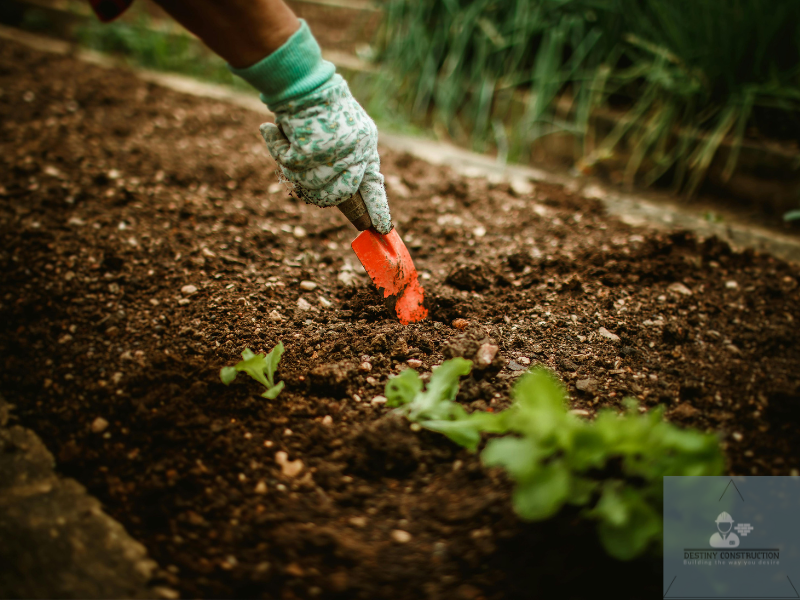
Low-water landscaping pairs native plant communities with efficient irrigation and climate-smart layout. Select climate-adapted species and balance softscape with hardscape to manage runoff while elevating 2025 backyard design.
Benefits of Native and Drought-Tolerant Plants
Natives and drought-tolerant plants need less water, fewer chemicals, and support pollinators. Layer shrubs, perennials, and grasses for a resilient, low-maintenance landscape.
Reduced Irrigation Needs for Sustainability
Hydrozone plantings and use drip lines, timers, and smart sensors to deliver water precisely and replace thirsty lawns with patios, pavers, and mulch.
Creating a Pollinator-Friendly Environment
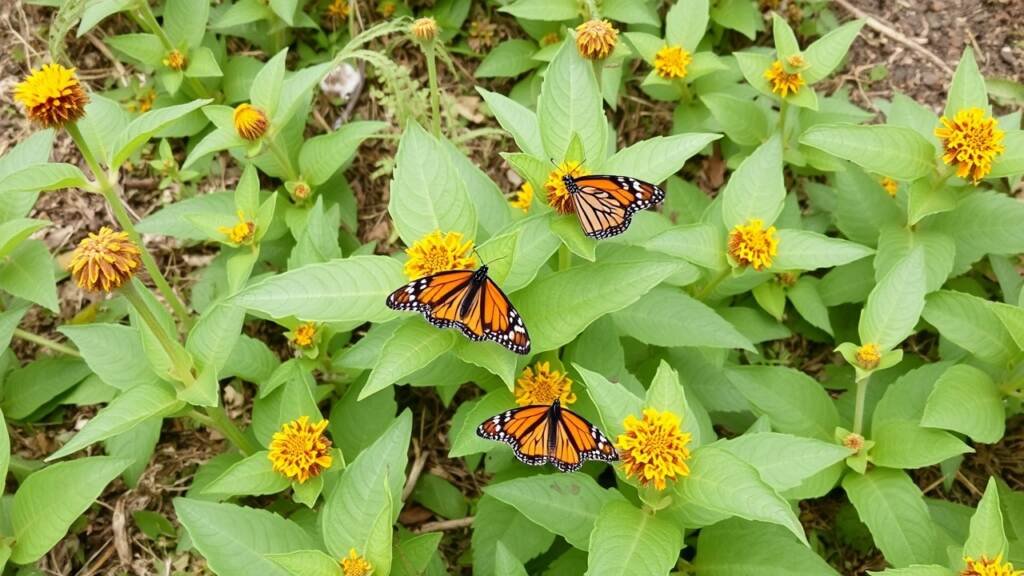
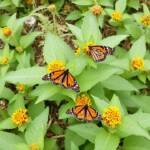
Stagger bloom times, provide habitat and water, and use regional natives to create a vibrant, functional, eco-rich retreat.
Smart Technology for a Sustainable Backyard
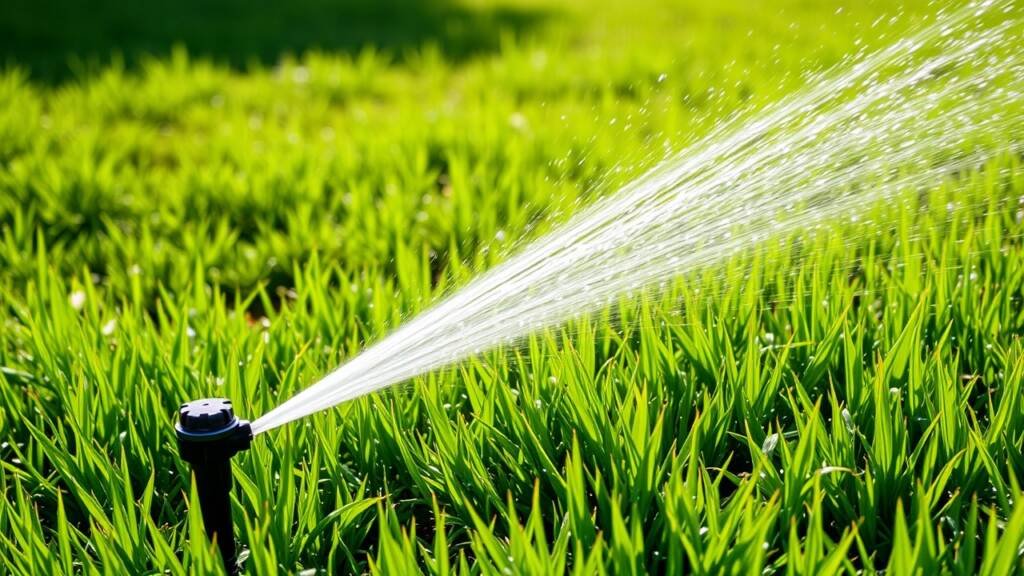
Smart backyard technology boosts efficiency with weather-based irrigation and app-connected lighting. Combine automation with natives, mulch, and permeable pavers to reduce runoff and maintenance.
Innovations in Smart Irrigation Systems
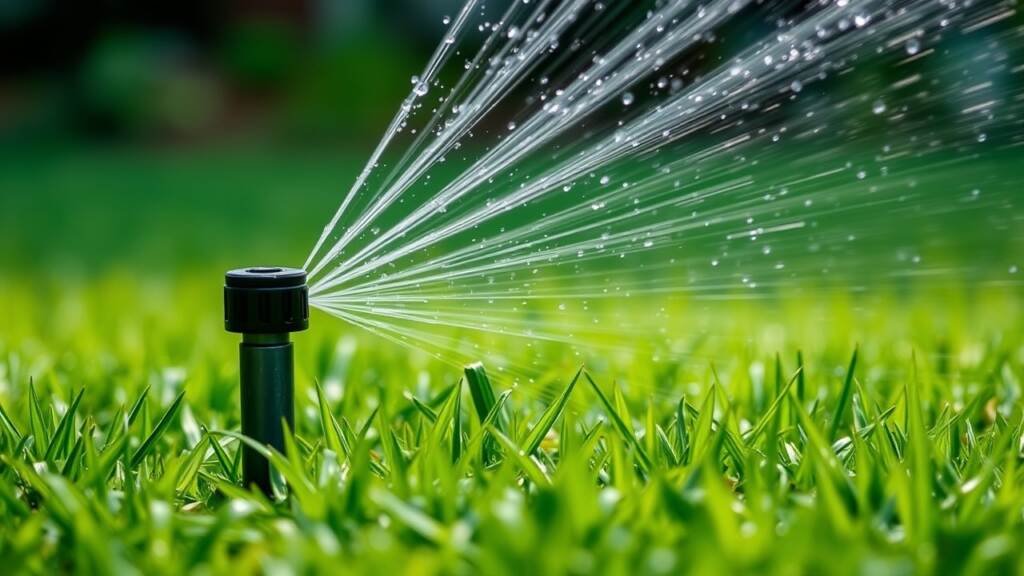
Use weather, ET, and soil data with zoned control for precise watering. Leak-detecting controllers and mulched drip lines limit waste and runoff.
Soil Moisture Sensors for Optimal Care
Sensors pause watering until roots need it, reducing overwatering and supporting biodiversity with accurate, low-maintenance care.
Automation Trends in Outdoor Spaces for 2025
Integrated hubs coordinate irrigation, lighting, and safety, with scene presets and dawn micro-irrigation to save energy and water.
Eco-Friendly Hardscaping & Materials
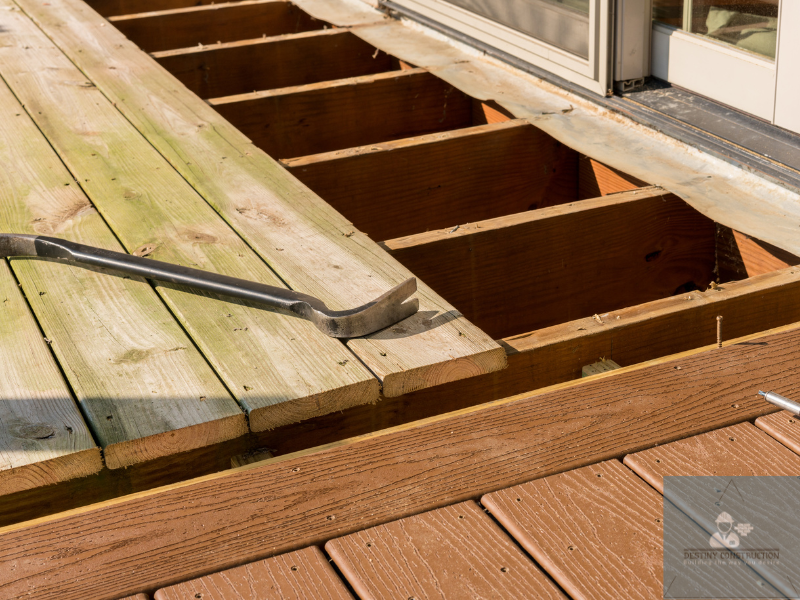
Eco-friendly hardscape choices guide rainwater, reduce heat, and lower maintenance. Choose permeable systems, recycled content, and local materials for durable, climate-smart design.
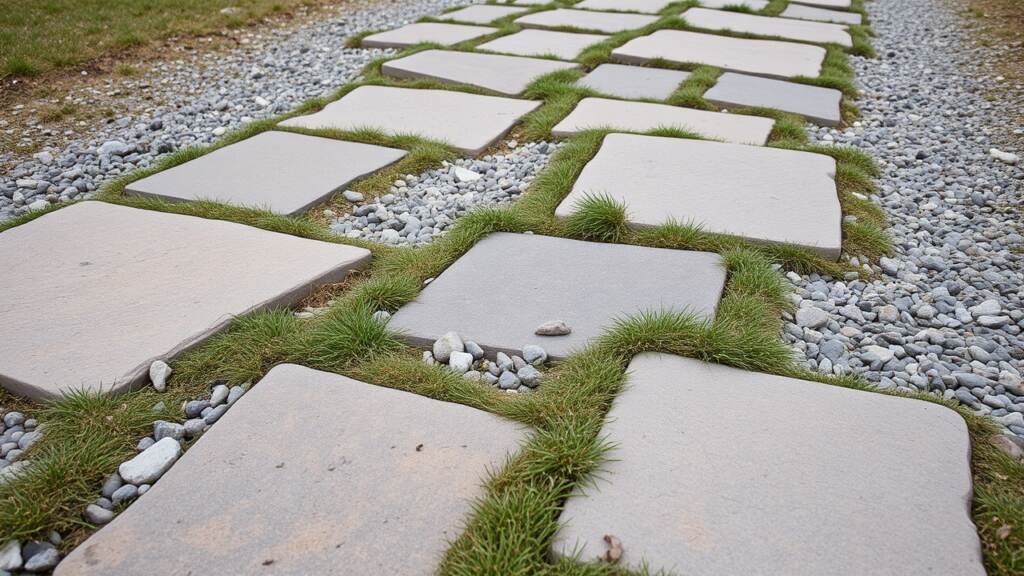
Utilizing Permeable Pavers for Water Management
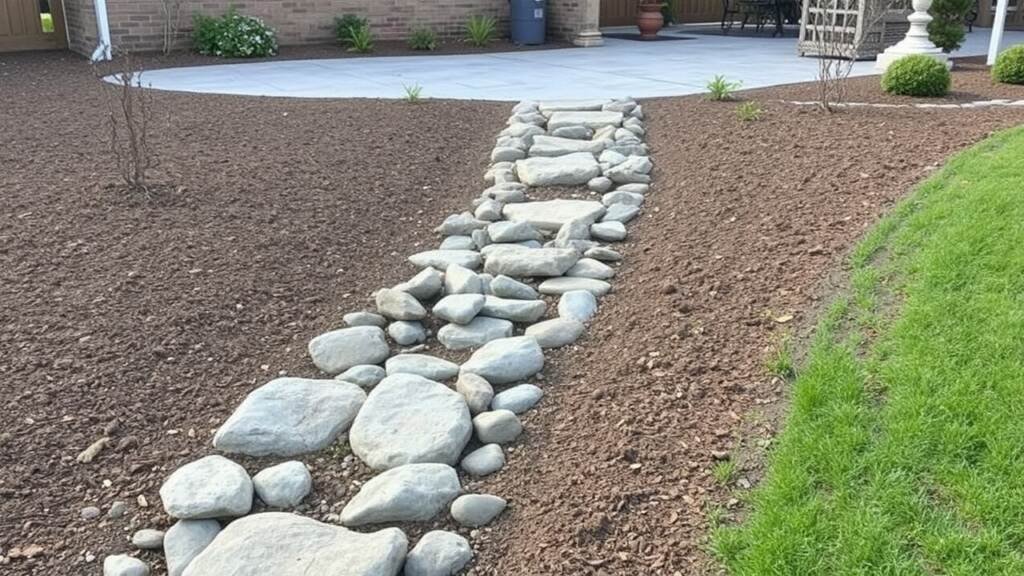
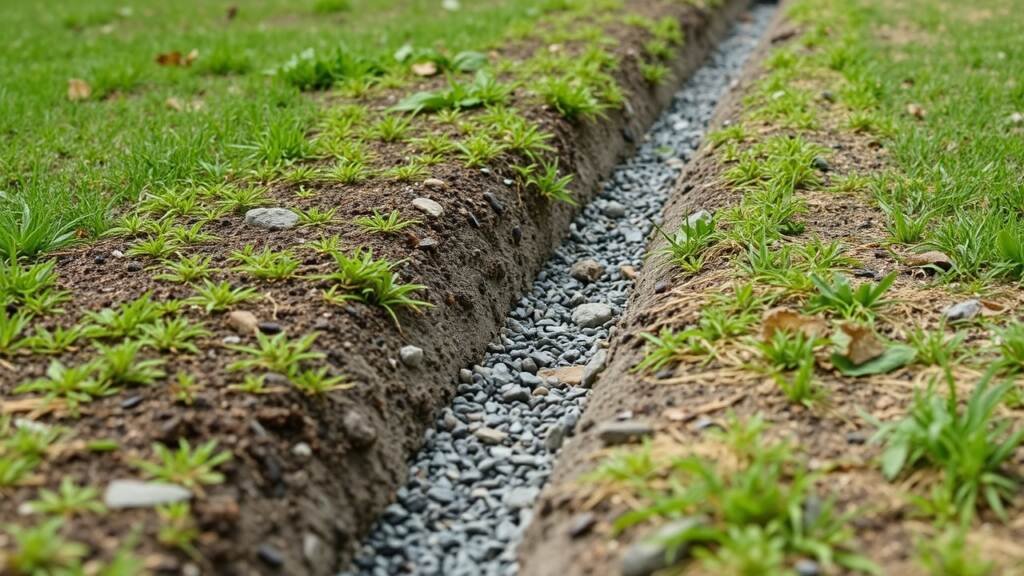
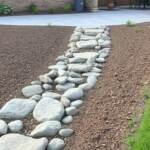
Permeable pavers infiltrate rain and cut runoff, keeping paths and patios functional while supporting irrigation efficiency.
Incorporating Recycled or Reclaimed Materials
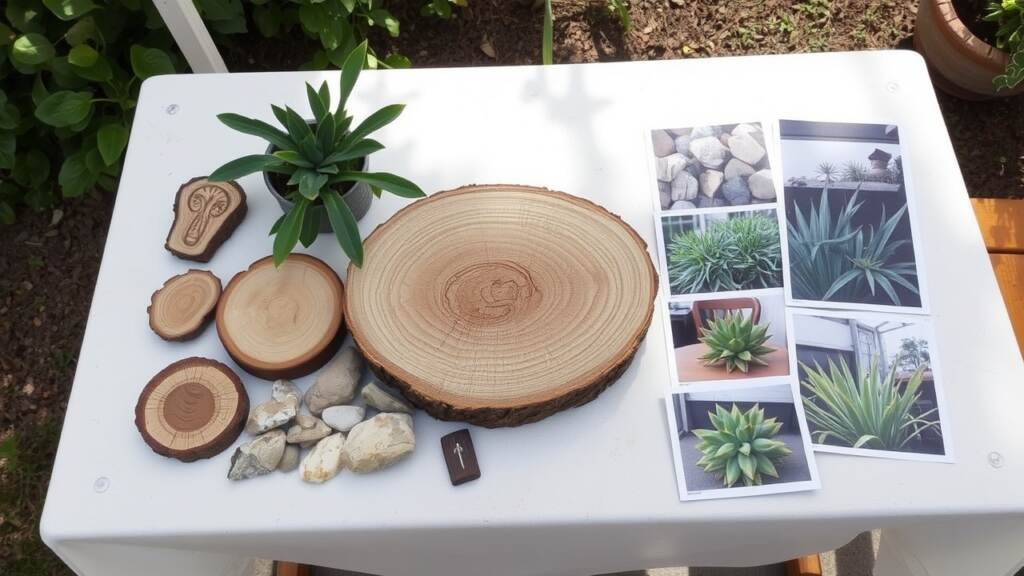
Reclaimed and recycled materials cut embodied carbon and add durability, delivering character and budget-friendly performance.
Natural Stone Alternatives for Backyard Aesthetics
Engineered stone and porcelain offer slip resistance, consistency, and heat reduction, streamlining installation and long-term care.
Creating Functional Outdoor Living Spaces
Design for climate, budget, and lifestyle with multi-purpose zones. Use hardscape to define flow and natives to soften edges for a cohesive, sustainable retreat.
Sustainable Patio Design Ideas
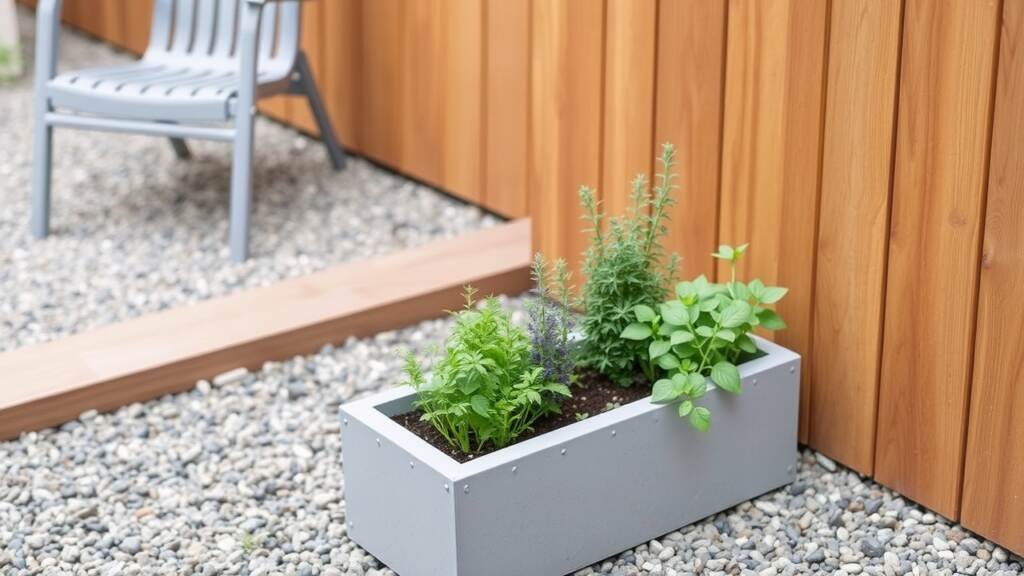
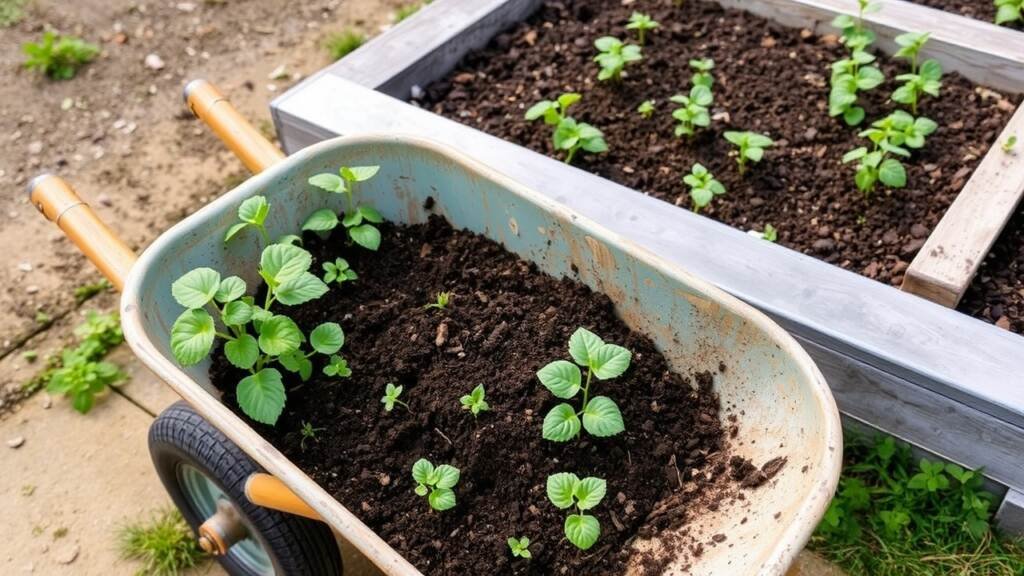
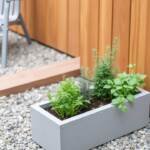
Anchor with permeable or low-impact pavers and shade, frame with raised beds or a vertical/herb garden, and connect circulation to key zones.
Incorporating Built-In Seating Solutions
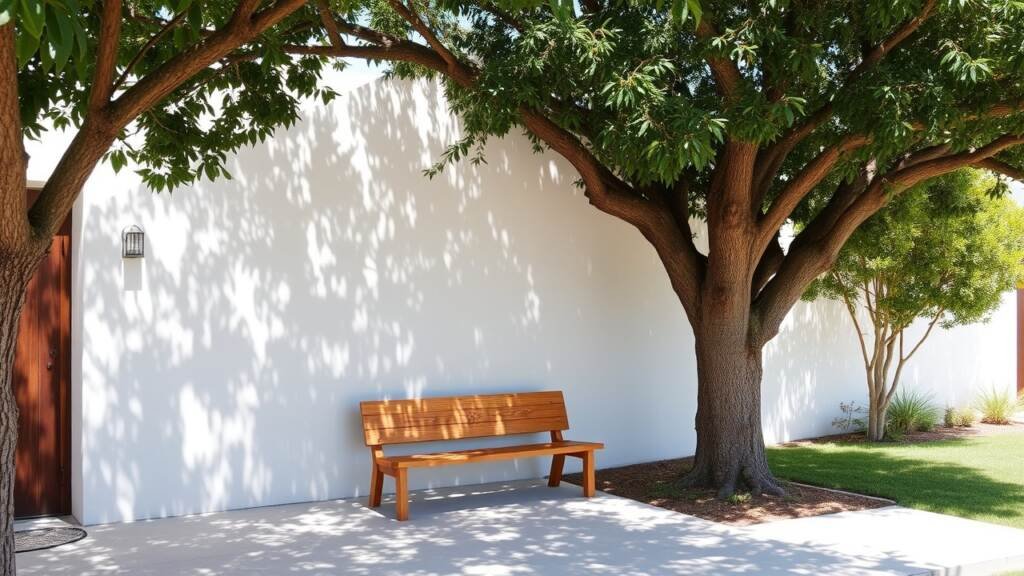
Built-in seating saves space and maintenance, doubles as planters, and reduces clutter while enhancing year-round usability.
Multi-Use Backyard Zones for Enhanced Utility
Divide into flexible zones linked by clear walkways, keeping a small, efficient lawn patch and using lighting for safe transitions.
Soil Health & Lawn Sustainability
Soil health underpins water retention, resilience, and biodiversity. Compost, mulch, and aeration reduce irrigation and inputs.
The Importance of Mulching and Composting
Mulch regulates temperature and moisture; compost feeds soil life. Apply 2–3 inches of mulch and top-dress annually with compost.
Aeration Techniques for Soil Improvement
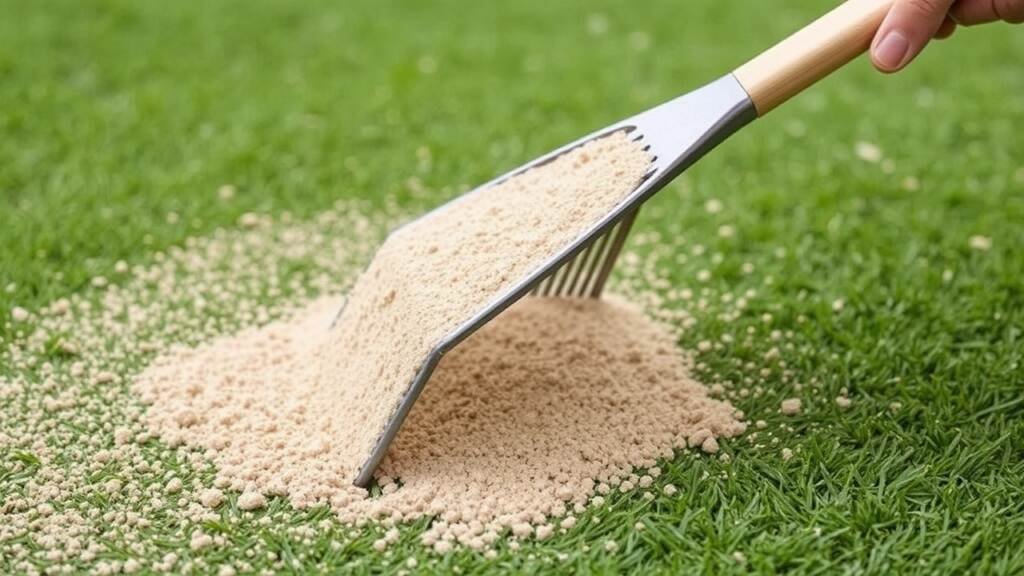
Core aeration relieves compaction and deepens roots. Pair with compost brushing and overseeding for drought-tolerant performance.
Maintaining Lawn Health Sustainably
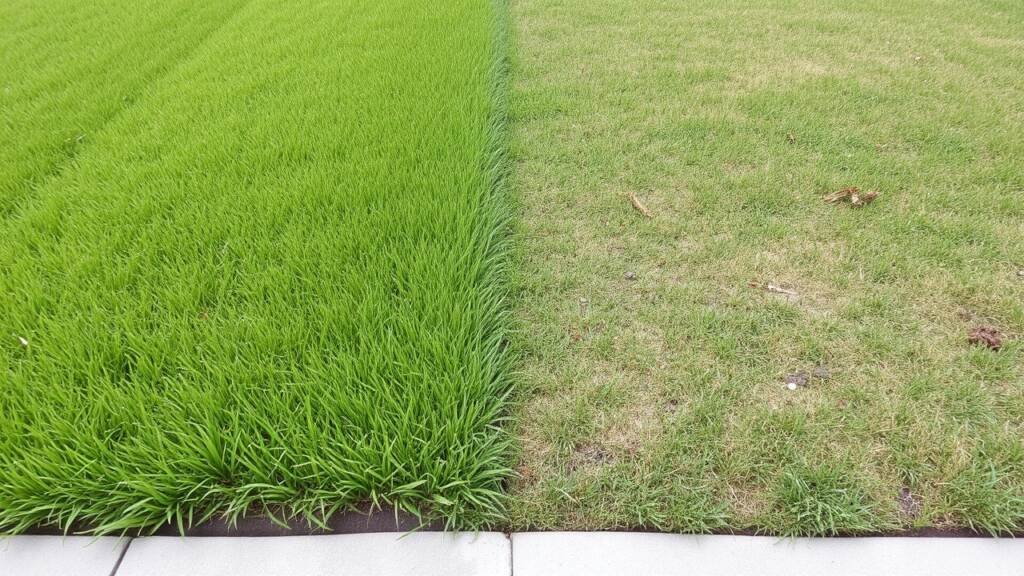
Water smart, mow higher, and use climate-adapted seed blends. Convert underused turf to beds or patios and favor compost tea over synthetics.
Long-Term Maintenance & Cost Savings
Water-wise irrigation, natives, and durable hardscape lower bills and upkeep, creating a resilient, comfortable, low-maintenance retreat.
Reducing Water Bills with Eco-Friendly Practices
Hydrozone, drip, mulch, and rain capture reduce use. Replace excess lawn with permeable patios and natives, optimized by smart sensors.
Less Chemical Use for Healthier Spaces
Shift to compost, mulch, and IPM for safer, biodiverse, low-maintenance landscapes that protect groundwater and health.
Time-Saving Benefits of Sustainable Solutions
Automation + durable hardscape + natives = fewer chores, with organized zones and vertical features for easy, low-care living.
Frequently Asked Questions
Homeowners planning a sustainable backyard makeover often ask how to prioritize upgrades, manage costs, and adapt landscape design to a small yard. These answers reflect landscape design trends for 2025, blending eco-friendly landscaping, smart technology, and durable hardscape. Whether you’re rethinking a lawn, building a patio, or adding a walkway to garden beds, the right design ideas amplify comfort, sustainability, and value in your backyard space—without creating extra work or water use.
What is the most sustainable backyard upgrade for 2025?
Combine native plant communities with smart irrigation and a permeable patio to cut water use, limit runoff, and boost biodiversity while enhancing function.
Are sustainable backyards more expensive?
Upfront costs can be similar or slightly higher, but long-term savings are significant thanks to lower water, chemical, and replacement needs.
How much water can eco-friendly landscaping save?
Expect 30–60% reductions in outdoor water use with hydrozoning, drip, mulch, natives, and smart controllers that match weather and soil.
Can sustainable landscaping work in small urban yards?
Yes—use vertical elements, multi-use hardscape, and compact native palettes with smart zones to maximize comfort and efficiency.