
As winter fades and the promise of warmer weather arrives, it’s time to turn your attention to your lawn. A well-executed spring lawn care checklist is the key to unlocking a lush, green lawn that will be the envy of the neighborhood. Let’s dive into the essential steps to ensure your lawn thrives this season.
Importance of Spring Lawn Care
Why Spring is Crucial for Lawn Health
Spring is a critical time for lawn maintenance because it marks the end of winter dormancy and the beginning of active growth. Proper spring lawn care provides the grass with the nutrients and support it needs to recover from winter stresses and flourish throughout the growing season. This helps ensure your lawn becomes the vibrant green lawn you’ve always wanted.
Benefits of Early Spring Lawn Care
Starting your spring lawn care early offers numerous advantages. Early spring tasks like applying pre-emergent herbicide and fertilizer can prevent weeds, particularly crabgrass, from taking hold, and feed the grass as it comes out of dormancy. Establishing a solid foundation early sets the stage for a thriving and healthy lawn, reducing the need for extensive interventions later in the season. Following a spring lawn care checklist is essential to a healthy lawn.
Common Mistakes to Avoid
Many homeowners unknowingly make mistakes that hinder their lawn’s potential. Common pitfalls include neglecting soil testing, improper mowing techniques, and using the wrong type of fertilizer. Avoid these errors by educating yourself on your lawn’s needs and following a well-researched spring lawn care checklist. Don’t mow your lawn too short, water too often, or fertilize incorrectly, and your lawn will thank you.
Step-by-Step Spring Lawn Care Checklist
Lawn Inspection After Winter
Begin your spring lawn maintenance by thoroughly inspecting your lawn for any signs of damage from the winter months. Look for bare spots, snow mold, and areas of compaction. Identifying these issues early allows you to create a targeted lawn care plan to address specific problems and help your lawn recover effectively. A proper lawn inspection allows you to correctly fertilize your lawn.
Raking and Debris Removal
The next crucial step in your spring lawn care checklist is to rake your lawn and remove any accumulated debris, such as leaves, twigs, and dead grass. Raking helps to aerate the soil surface, remove thatch buildup, and allow sunlight and air to reach the grass blades, promoting healthy growth and preventing disease. Give your lawn the best chance to thrive by clearing away the winter’s remnants.
Soil Testing and pH Balance
Before applying any fertilizer or treatments, it’s essential to conduct a soil test to determine your soil’s pH level and nutrient content. A soil test will reveal any deficiencies that need to be addressed to ensure your lawn receives the proper nutrients for optimal growth. Adjusting the pH balance and amending the soil based on the test results can significantly improve the health and vitality of your grass.
Key Lawn Maintenance Tasks
Aeration and Dethatching
If your lawn suffers from compacted soil or excessive thatch, aeration and dethatching are crucial spring lawn care tasks. Aerate your lawn by creating small holes in the soil to improve air circulation, water penetration, and nutrient absorption. Dethatching involves removing the layer of dead organic matter that accumulates on the soil surface, preventing healthy grass growth. Consider professional lawn care if needed.
Overseeding Bare or Thin Areas
Address bare spots and thin areas in your lawn by overseeding with high-quality grass seed. Choose a grass seed that is well-suited to your climate and soil conditions, and spread it evenly over the affected areas. Keep the soil moist until the new grass seedlings establish themselves. Overseeding is an integral part of a comprehensive spring lawn care checklist for a green lawn.
Fertilizing in Early Spring
Fertilize your lawn in early spring to provide the necessary nutrients for healthy grass growth. Use a slow-release fertilizer specifically formulated for lawns, and apply it according to the manufacturer’s instructions. A balanced fertilizer will promote strong root development and lush, green growth. Fertilizing in early spring is key to helping your lawn thrive and ensure your lawn is in top condition for the growing season.
Weed Prevention and Control
Using Pre-Emergent Herbicides
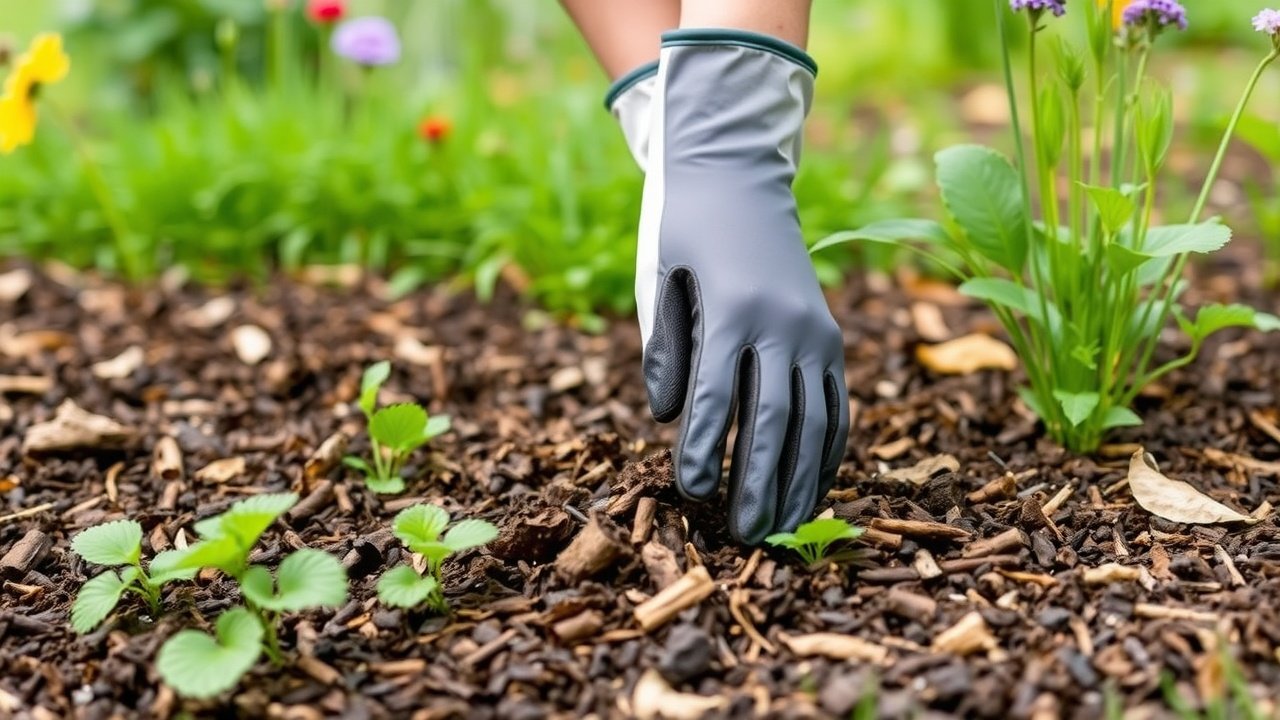
One of the most effective ways to prevent weeds from invading your lawn is to apply a pre-emergent herbicide in early spring. Pre-emergent herbicide creates a barrier in the soil that prevents weed seeds from germinating. Apply pre-emergent herbicide before weed seeds begin to sprout, typically when soil temperatures reach 55°F (13°C). Prevent crabgrass by using pre-emergent herbicide.
Weed Control Strategies
Here are several weed control strategies you can use to keep your lawn weed-free, in addition to pre-emergent herbicides. These include:
- Regularly mowing your lawn at the correct height to prevent weeds from getting established.
- Hand-pulling weeds as soon as you spot them, making sure to remove the entire root system.
- Using a post-emergent herbicide to target weeds that have already sprouted.
Identifying Common Weeds Like Crabgrass
Identifying common weeds like crabgrass is essential for effective weed control. Crabgrass is a warm-season annual weed that thrives in hot, dry conditions. It has a coarse texture and a sprawling growth habit, making it easily distinguishable from most lawn grasses. Knowing how to identify crabgrass allows you to take targeted action to control and prevent its spread, helping you to maintain a weed free healthy lawn.
Proper Watering and Mowing Techniques
Establishing a Watering Schedule
Proper watering is essential for maintaining a healthy lawn throughout the spring and summer. Establish a consistent watering schedule, aiming to water deeply and infrequently rather than shallowly and frequently. Water your lawn early in the morning to minimize water loss due to evaporation. Adjust your watering schedule based on weather conditions and rainfall amounts, ensuring your lawn receives about an inch of water per week.
First Mow of the Season: Timing and Height
The first mow of the season is a crucial step in spring lawn care. Wait until the grass has reached a height of about 3 inches before mowing. Set your lawn mower to a higher setting for the first mow, gradually lowering it as the season progresses. Avoid cutting off more than one-third of the grass blade in a single mowing to prevent stress and promote healthy growth.
Spring Lawn Care Tips for Mowing
Here are some spring lawn care tips for mowing to keep your lawn looking its best. When mowing, it’s important to remember the following:
- Keep your lawn mower blades sharp to ensure a clean cut.
- Vary your mowing pattern each time to prevent soil compaction.
- Leave grass clippings on the lawn to act as a natural fertilizer, returning nutrients to the soil.
- Avoid mowing when the grass is wet to prevent clumping and disease.
These are important spring lawn care tips.
Expert Advice and Practical Tips
Creating a Lawn Care Plan
Creating a comprehensive lawn care plan is essential for maintaining a healthy lawn throughout the year. Assess your lawn’s specific needs, considering factors such as grass type, soil conditions, and climate. Develop a customized spring lawn care checklist that outlines the tasks, timing, and products needed to achieve your desired results.
Maintaining Your Lawn Throughout Spring
Maintaining your lawn throughout the spring requires consistent attention and care. Regularly water your lawn, fertilize it according to the soil test results, and mow it at the appropriate height. Monitor your lawn for signs of pests, diseases, or nutrient deficiencies, and take prompt action to address any issues that arise. Keep your lawn healthy.
Recommended Lawn Care Services
For homeowners who prefer professional assistance, numerous lawn care services are available to help maintain a healthy lawn. Consider hiring a local lawn care company to handle tasks such as fertilization, weed control, aeration, and pest management. Professional lawn care services can save you time and effort while ensuring your lawn receives expert care. Get your lawn in top shape.
Frequently Asked Questions
When to Start Lawn Care in Spring?
The best time to start spring lawn care is when the ground thaws and the soil is workable. This typically occurs in early spring, as soil temperatures consistently reach 55°F (13°C). Starting early allows you to apply pre-emergent herbicide and fertilize your lawn before weeds emerge and grass begins its active growth phase, ensuring a healthy lawn.
How to Identify Lawn Diseases?
Identifying lawn diseases early is crucial for preventing widespread damage. Look for signs such as discolored patches, spots on grass blades, or the presence of fungal growth. Common lawn diseases include brown patch, dollar spot, and powdery mildew. If you suspect a lawn disease, consult with a lawn care professional for diagnosis and treatment recommendations to help your lawn.
Best Practices for Fertilizing Your Lawn
Fertilizing your lawn is essential for providing the nutrients needed for healthy grass growth. Choose a fertilizer that is specifically formulated for lawns, and apply it according to the manufacturer’s instructions. Avoid over-fertilizing, which can burn the grass and harm the environment. Aerate your lawn to improve nutrient absorption.
How Often Should I Water Your Lawn?
The frequency of watering depends on several factors, including grass type, soil conditions, and weather patterns. As a general rule, aim to water deeply and infrequently, providing about an inch of water per week. Water early in the morning to minimize evaporation. Adjust your watering schedule based on rainfall amounts and the overall health of your lawn.
Tips for Maintaining a Green Lawn
To ensure your lawn remains lush and green throughout the spring and summer, follow these spring lawn care tips, which can be grouped as follows:
- Mowing, fertilizing, and weed prevention, which are key to maintaining a healthy turf.
- Overseeding bare spots, aerating, and dethatching when needed.
Proper care and attention will keep your lawn healthy and vibrant.
- How often should you mow your lawn? expert tips
- Best Lawn and Leaf Bags: Reviews and Buying Guide
- Optimal Solutions for Corner Lot Home Design 20×66 Feet – Modern & Sustainable Trends
- General Landscaping Services – Full-Service Design & Installation in Tacoma & Puyallup
- What Clients Say About Destiny Landscape