Welcome to the future of landscaping! Smart lawn technology is rapidly transforming how homeowners care for their lawns, ushering in an era of eco-intelligent yards. This guide explores the innovations driving this change, from smart irrigation systems to robotic lawn mowers, and how these advancements contribute to sustainability and water conservation.
What Is a “Smart Lawn” and Why It’s Gaining Popularity in America
A “smart lawn” integrates technology with ecology. It combines lawn automation with eco-friendly practices to optimize resources and minimize environmental impact. Smart lawn care leverages tools like those listed below. These innovations create a sustainable and thriving outdoor space with minimal effort, changing the way homeowners approach traditional lawn maintenance.
| Smart Lawn Component | Function |
|---|---|
| Smart Irrigation Systems | Resource Optimization |
| Robotic Mowers | Lawn Automation |
Understanding Smart Lawn Technology
Smart lawn technology automates routine tasks such as lawn mowing and watering, using sensors and artificial intelligence to make informed decisions. These systems integrate weather data and soil sensor information to optimize watering schedules and deliver precise lawn care. Unlike traditional methods, smart irrigation systems can reduce water waste and promote sustainability, revolutionizing the future of landscaping.
Adoption Trends Among Homeowners in Warm States
Homeowners in states like California, Texas, Arizona, and Florida are early adopters of smart lawn technology, driven by concerns about water conservation and the desire for sustainable lawn solutions. Smart irrigation systems and soil moisture sensors are particularly popular, as these technologies help reduce water usage in drought-prone regions. These advancements are transforming lawn care in challenging climates.
Environmental Benefits of Smart Lawns
Smart lawns offer significant environmental benefits. Smart irrigation systems use soil moisture sensors and weather data to reduce water consumption and promote water conservation. Robotic lawn mowers, which operate on batteries, enhance sustainability and reduce the carbon footprint of lawn maintenance. These benefits can be summarized as follows:
| Benefit | How Achieved |
|---|---|
| Reduced Water Waste | Smart irrigation systems using soil moisture sensors and weather data. |
| Minimized Chemical Usage & Reduced Carbon Footprint | Robotic lawn mowers operating on batteries. |
How Smart Sensors Are Transforming Lawn Health
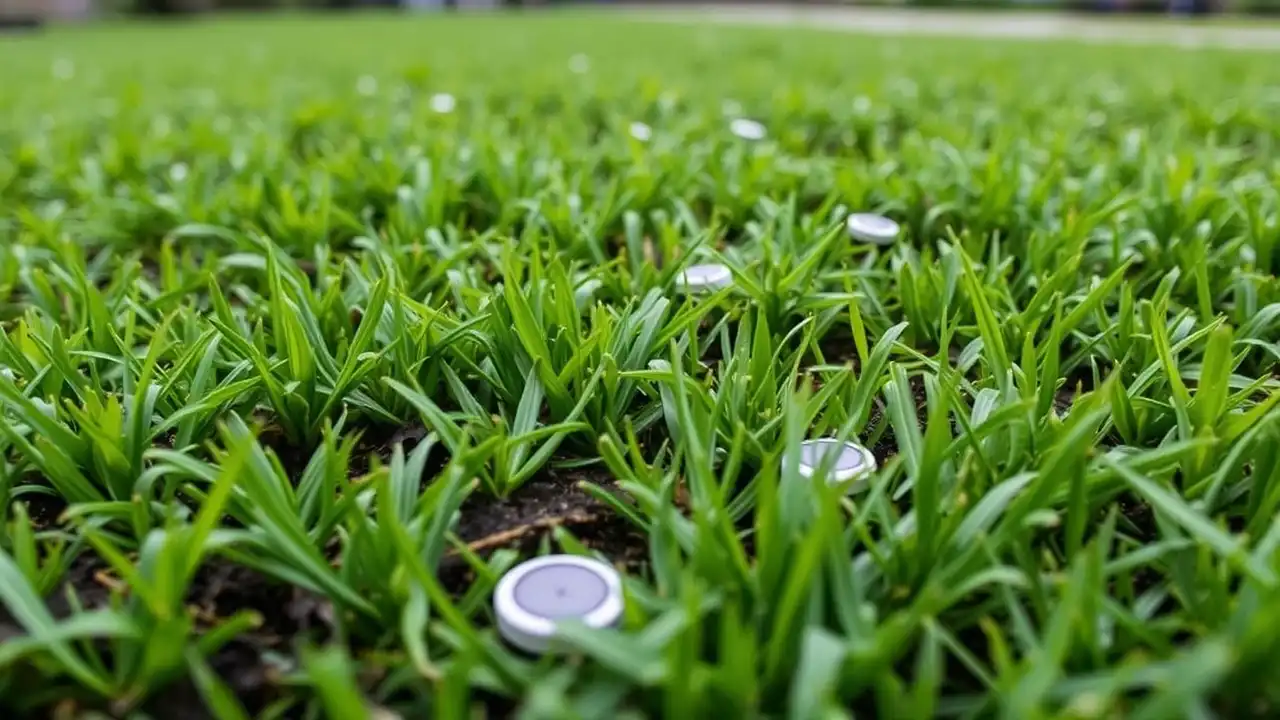
Smart sensors are revolutionizing lawn health by providing real-time data that informs precise lawn care decisions. These sensors monitor soil moisture levels, track temperature and humidity, and analyze nutrient levels, enabling homeowners and landscapers to optimize their lawn care strategies. By integrating these sensors, systems adjust watering schedules and fertilization plans to meet the specific needs of the lawn, resulting in healthier and more sustainable outdoor spaces.
Soil Moisture Sensors for Efficient Water Use
Soil moisture sensors are crucial components of smart lawn technology, providing real-time data on soil moisture levels. These sensors allow smart irrigation systems to adjust watering schedules based on actual needs, preventing overwatering and reducing water waste. By precisely monitoring moisture levels, homeowners can ensure their lawns receive the optimal amount of water, promoting healthy growth and sustainable water usage.
Temperature and Humidity Tracking Technologies
Temperature and humidity tracking technologies are also important for maintaining lawn health. These sensors provide valuable data that helps homeowners understand how environmental conditions affect their lawns. By monitoring temperature and humidity, systems adjust watering schedules and prevent issues such as fungal growth and heat stress. This data ensures lawns remain healthy and resilient, regardless of changing weather patterns.
Real-Time Nutrient Analysis for Optimal Growth
Real-time nutrient analysis provides insights into the nutritional needs of the lawn, allowing for targeted fertilization. Soil sensor technology can analyze the levels of essential nutrients such as nitrogen, phosphorus, and potassium, enabling homeowners to optimize their fertilization strategies. By providing the right nutrients at the right time, lawns can achieve optimal growth and maintain vibrant health, transforming lawn care practices.
Smart Irrigation Systems—The Heart of a Smart Lawn

Smart irrigation systems are central to the function of a modern lawn, integrating data from various sensors and weather data to automate watering schedules. These innovative lawn care tools are transforming how homeowners care for their lawns, ensuring optimal water usage and promoting sustainability. Whether you’re dealing with drought conditions or simply aiming for eco-friendly practices, smart irrigation systems are the key to a healthier, greener lawn.
Weather-Based Watering Solutions
Weather-based watering solutions leverage real-time weather data to adjust watering schedules, ensuring that lawns receive the optimal amount of water based on current conditions. These systems use artificial intelligence to predict rainfall and adjust watering schedules accordingly, preventing overwatering and water waste. By integrating weather data, smart irrigation systems can reduce water consumption and promote sustainable lawn care, transforming lawn maintenance.
Zone-Specific Scheduling Techniques
Zone-specific scheduling techniques allow homeowners to customize watering schedules for different areas of their lawn based on their unique needs. These systems use soil moisture sensors to monitor moisture levels in each zone, adjusting watering schedules accordingly. By tailoring water delivery to specific areas, homeowners can optimize water usage and promote healthy growth, enhancing the overall sustainability of their lawn care practices.
Integration with Rainwater Harvesting Systems
Integrating smart irrigation systems with rainwater harvesting systems further enhances water conservation efforts. Rainwater harvesting systems collect rainwater, storing it for later use in irrigation, therefore decreasing water waste. When combined with smart irrigation technology, systems use rainwater as the primary source of irrigation, reducing reliance on municipal water sources. This integration supports eco-friendly practices and transforms modern landscaping.
👉For more insights on automated watering, explore how smartphone-controlled irrigation systems are shaping the future of lawn care. Smartphone-Controlled Irrigation Systems: The Future of Lawn Care
Robotic Lawn Mowers and Automated Maintenance
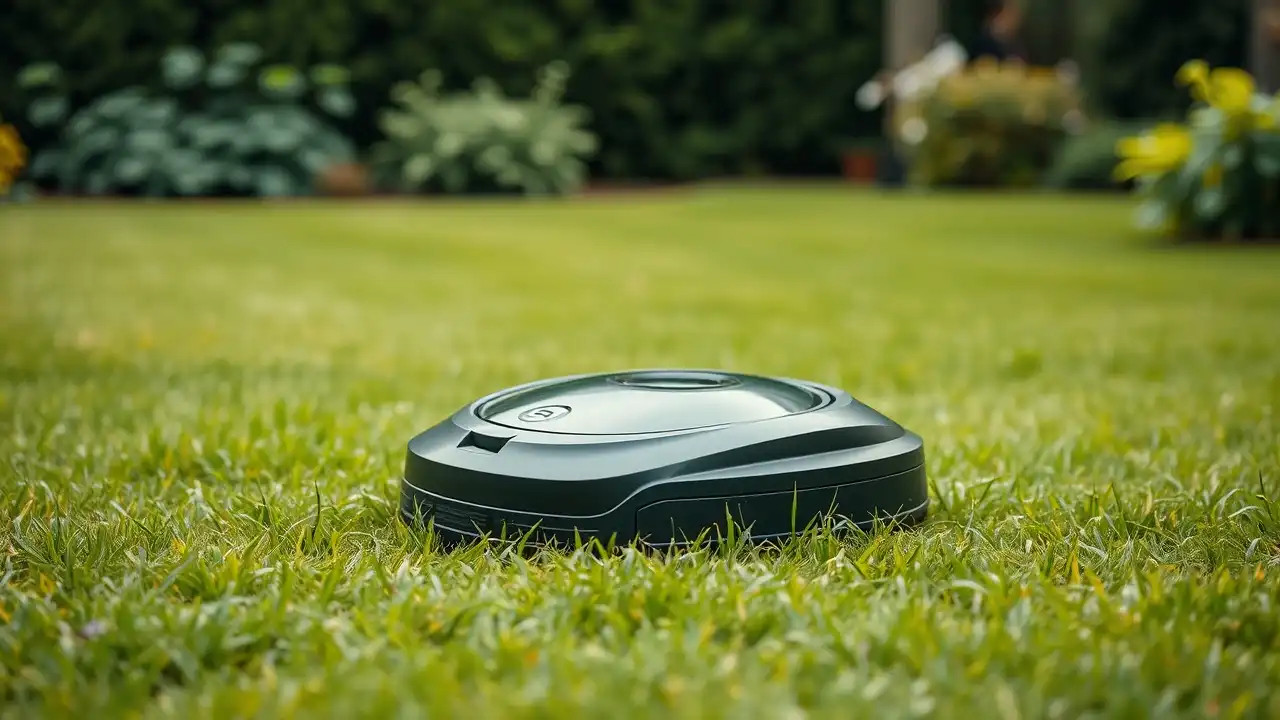
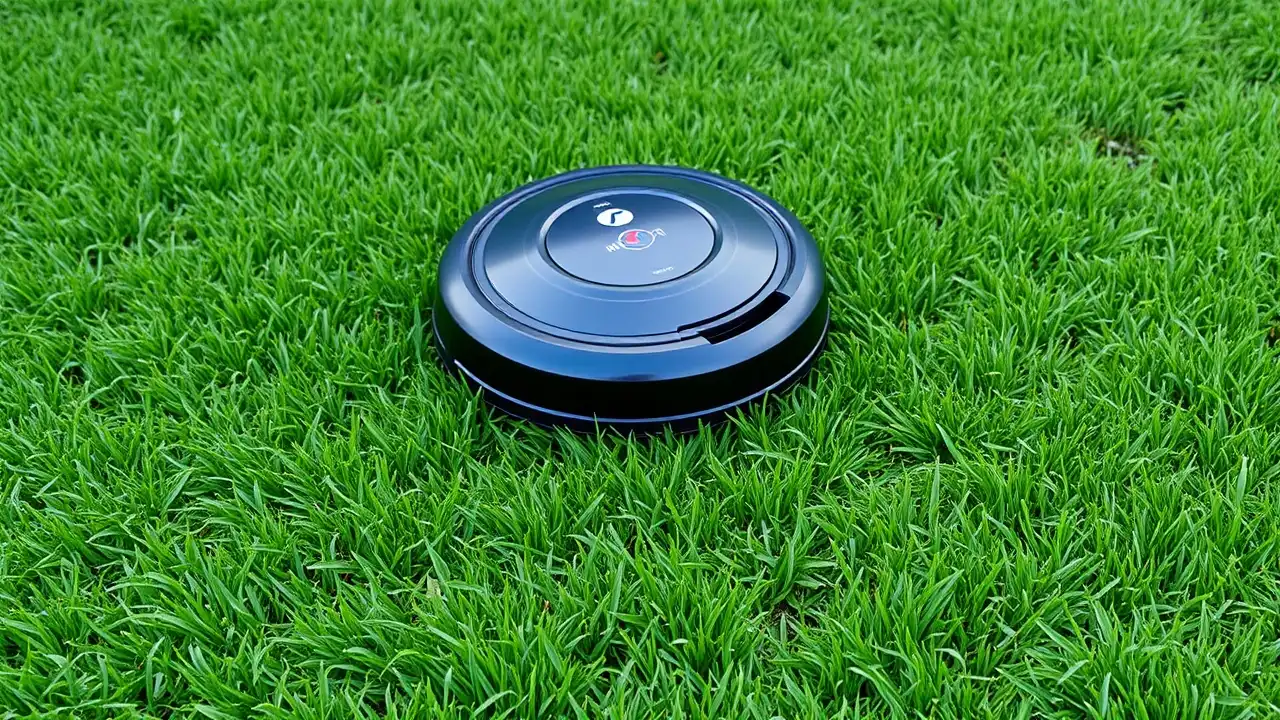
Robotic lawn mowers are another key component of smart lawn technology, offering automated lawn mowing and maintenance. These robotic mowers are designed to mow lawns regularly, maintaining a consistent grass height and promoting healthy growth. By automating this routine task, homeowners can save time and effort while also benefiting from the eco-friendly aspects of electric-powered robotic mowers. These lawn care tools are changing the way homeowners care for their lawns.
Safety Features for Families and Pets
Safety features are a crucial consideration in the design of robotic lawn mowers, ensuring the well-being of families and pets. These robotic lawn mowers come equipped with sensors that detect obstacles, automatically stopping or changing direction to avoid collisions. Some models also include alarms and GPS tracking for added security, providing homeowners with peace of mind while the robotic lawn mowers mow their lawns.
Battery Efficiency and Noise Reduction Innovations
Battery efficiency and noise reduction are key innovations in robotic lawn mowers, enhancing their practicality and user-friendliness. Modern robotic lawn mowers are designed with long-lasting batteries that allow them to mow for extended periods on a single charge. Noise reduction technology minimizes disturbances, making these robotic mowers suitable for use in residential areas, improving modern lawn care.
Eco-Friendly Lawn Care with Robotic Mowers
Robotic lawn mowers support eco-friendly lawn care. They achieve this by reducing emissions and promoting sustainable practices.
| Aspect | Benefit |
|---|---|
| Emissions | Eliminated due to electric power, unlike gasoline mowers. |
| Clippings | Act as natural fertilizer, reducing the need for chemical treatments. |
Eco-Friendly Benefits of Smart Lawn Technology
Smart lawn technology offers numerous eco-friendly benefits, contributing to sustainability and environmental conservation. By optimizing water usage, reducing chemical applications, and promoting sustainable landscape design, smart lawns minimize their environmental impact. These eco-friendly practices not only benefit the environment but also create healthier outdoor spaces for homeowners to enjoy, and this is transforming lawn care.
Reducing Water Waste with Smart Solutions
Reducing water waste is a primary benefit of smart lawn technology, addressing concerns about water conservation and promoting sustainability. Smart irrigation systems use soil moisture sensors and weather data to deliver water precisely where and when it is needed, preventing overwatering and reducing water waste. These smart lawn care solutions help homeowners conserve water, especially in regions facing water scarcity.
Lowering Chemical Usage in Lawn Care
Lowering chemical usage is another significant eco-friendly advantage of smart lawn technology, minimizing the environmental impact of lawn care. By optimizing soil health and promoting natural fertilization, smart lawn systems reduce the need for chemical fertilizers and pesticides. This reduction protects the environment and creates healthier lawns for families and pets, transforming modern lawn.
Supporting Sustainable Landscape Design Practices
Smart lawn technology supports sustainable landscape design practices by promoting the use of native plants, water-efficient landscaping, and eco-friendly materials. By integrating these practices with smart irrigation and automated maintenance, homeowners can create sustainable outdoor spaces that thrive with minimal environmental impact. These sustainable landscaping practices are transforming modern landscaping and creating eco-intelligent yards.
Costs, Setup & What Homeowners Should Expect

Embarking on the journey to a smarter, more eco-friendly lawn requires careful consideration of the costs, setup process, and ongoing maintenance. Homeowners need to understand the investment involved, from purchasing smart irrigation systems to robotic lawn mowers, and how these smart lawn solutions integrate into their smart home ecosystem. Understanding the commitment can help them prepare for modern lawn care.
Initial Investment vs Long-Term Savings Overview
The initial investment in smart lawn technology, including soil sensors and smart irrigation systems, can seem substantial. However, it’s essential to weigh this cost against the long-term savings achieved through reduced water usage and lower chemical applications. Robotic lawn mowers also contribute to savings by reducing the need for professional lawn mowing services, offering a smart long-term solution for smart lawn care.
Compatibility with Smart Home Ecosystems
Compatibility with existing smart home ecosystems is a significant advantage of modern lawn technology. Many smart irrigation systems and robotic lawn mowers can seamlessly integrate with platforms like Amazon Alexa or Google Home, allowing homeowners to control their lawn care from their smartphones. This integration simplifies schedule management and enhances the overall smart lawn experience.
Maintenance Tips for Smart Lawn Technologies
Maintaining smart lawn technologies involves simple steps to ensure optimal performance and longevity. Regularly cleaning soil moisture sensors, checking battery health in robotic lawn mowers, and updating software are essential maintenance tasks. Following these tips will help homeowners maximize the benefits of their smart irrigation systems and other smart lawn solutions, transforming lawn maintenance.
Is the Smart Lawn Trend Right for You?
Deciding whether to adopt smart lawn technology requires evaluating individual needs, climate conditions, and lifestyle factors. While smart lawn solutions offer numerous benefits, they may not be suitable for every homeowner. Assessing these factors will help determine if the investment in smart irrigation systems and robotic mowers aligns with their long-term goals for a sustainable and healthy lawn.
Identifying Homeowners Who Benefit Most
Homeowners who benefit most from smart lawn technology often live in regions with water restrictions or experience frequent droughts. Those seeking to reduce their environmental footprint or automate routine tasks like lawn mowing also stand to gain significantly. The systems adjust, smart irrigation systems, soil sensor technology, all in turn enhance the appeal of eco-friendly practices, modern lawn care and lawn care software.
Climate Zone Considerations for Smart Lawns
Climate zone considerations are crucial when implementing smart lawn technology. Smart irrigation systems can be particularly beneficial in arid regions by optimizing water usage. In contrast, homeowners in areas with heavy rainfall may focus on drainage solutions and robotic lawn mowers designed to handle wet conditions. Adapting the modern lawn approach to a specific climate ensures smarter, sustainable lawn care.
Avoiding Common Mistakes in Smart Lawn Care
Avoiding common mistakes in smart lawn care is essential for maximizing the benefits of smart technology. One common error is failing to calibrate soil moisture sensors properly, leading to inaccurate watering schedules. Over-reliance on robotic lawn mowers without proper lawn maintenance can also result in uneven grass growth. Understanding these pitfalls helps in achieving successful eco-friendly lawn care.
Why Partner with Destiny Landscape for Smart Lawn Upgrades
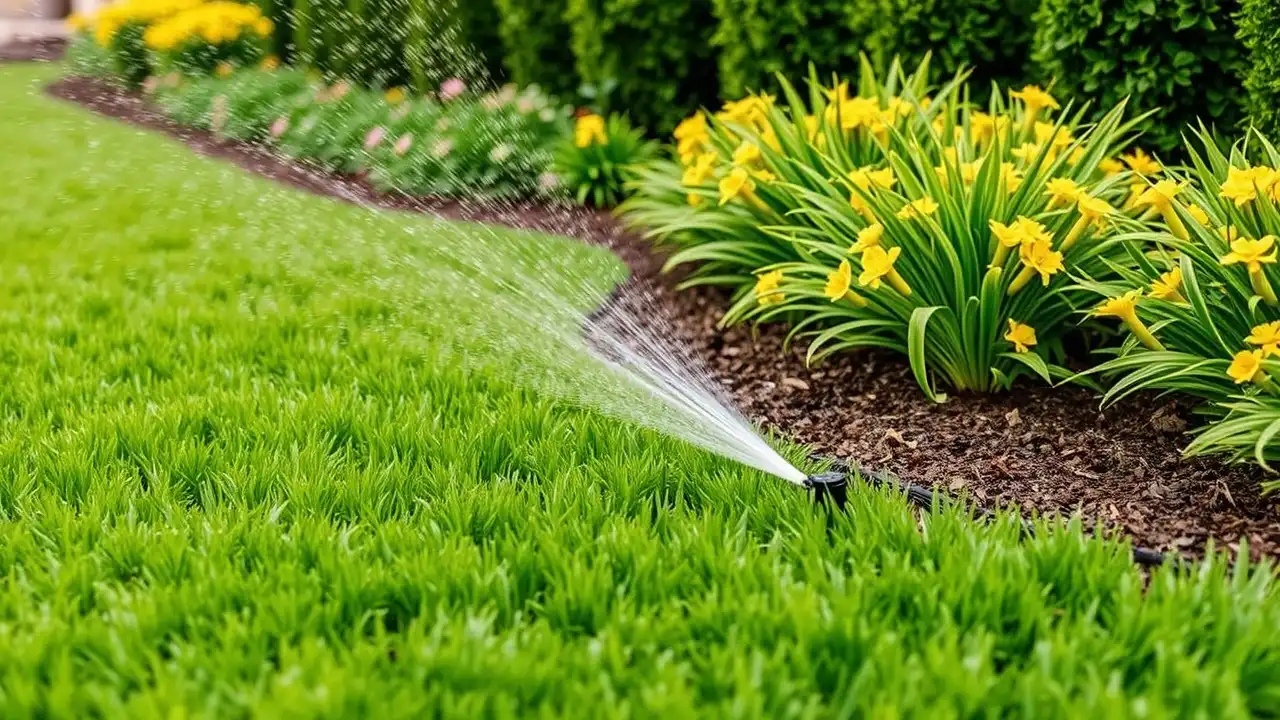
Partnering with Destiny Landscape for smart lawn upgrades ensures expert installation, customized solutions, and a commitment to eco-friendly practices. Our team of experienced landscapers understands the unique needs of lawns in the U.S. and can design and implement smart irrigation systems that optimize water usage and promote sustainability. Together, we enhance outdoor spaces!
Expert Installation for Modern Lawn Solutions
Expert installation is critical for ensuring the proper functioning and longevity of modern lawn solutions. Destiny Landscape provides professional installation services for smart irrigation systems, soil moisture sensors, and robotic lawn mowers. Our trained technicians ensure that all components are installed correctly and integrated seamlessly, transforming modern lawn care into an easy process.
Eco-First Design Philosophy in Landscaping
Destiny Landscape’s eco-first design philosophy emphasizes sustainable landscaping practices that minimize environmental impact. We prioritize the use of native plants, water-efficient landscaping techniques, and eco-friendly materials to create sustainable outdoor spaces. This commitment ensures that our smart lawn solutions not only save water but also support overall sustainability in your yard.
If you’re aiming for a greener and more sustainable outdoor space, check out our eco-friendly landscaping ideas for modern American homes Eco-Friendly Landscaping Ideas for a Sustainable Home Garden
Customized Smart Irrigation Plans for Your Yard
Customized smart irrigation plans are essential for meeting the unique needs of each yard. Destiny Landscape designs tailored plans that consider soil type, plant varieties, and microclimates to optimize water delivery. By implementing these plans with smart irrigation systems, homeowners can reduce water waste and promote healthy lawn growth, enhancing modern lawn care.
Ready to upgrade your outdoor space with eco-intelligent technology? Contact Destiny Landscape today for a personalized consultation.