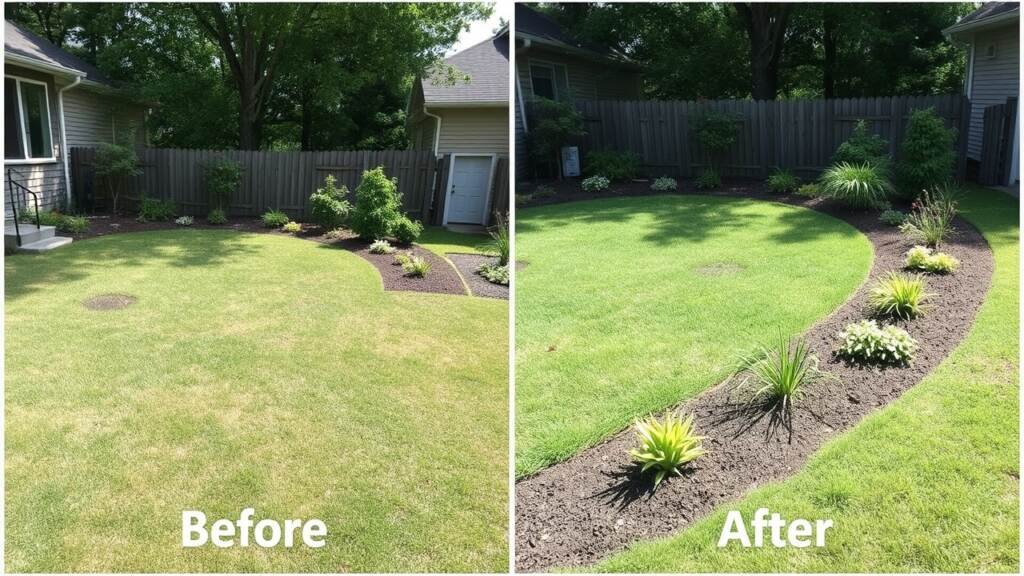

Smart rainwater reuse systems are changing how we care for our lawns by focusing on sustainability and water conservation. This technology provides an eco-friendly way to maintain your lawn and offers several benefits:
- Reducing water waste
- Decreasing reliance on municipal water sources
By using rainwater harvesting, homeowners can have beautiful lawns while also helping the environment. These systems help use water efficiently and create a more sustainable future for our outdoor spaces.
Why Water Conservation is Essential in Modern Landscaping
The increasing demand for sustainable practices in lawn care
The growing awareness of environmental issues has led to an increased demand for sustainable practices in lawn care. Homeowners are actively seeking ways to reduce their environmental impact, including efforts to:
- Conserve water.
- Reduce their reliance on municipal water.
Embracing eco-friendly solutions like rainwater harvesting systems not only promotes sustainability but also ensures the long-term health and beauty of your lawn while conserving water resources.
Impact of climate change on water resources in dry regions
Climate change is significantly impacting water availability, especially in dry regions where water scarcity is a pressing concern. These areas are experiencing increased drought conditions, emphasizing the need for effective water conservation strategies. Rainwater reuse technology and smart irrigation systems offer a practical solution for addressing water shortages by collecting and storing rainwater for later use in lawn care, ensuring efficient water management.
Benefits of eco-friendly landscaping designs
Eco-friendly landscaping designs offer a multitude of benefits, including reduced water consumption and improved water quality. Integrating native plants and sustainable practices helps create a more resilient and environmentally responsible outdoor space. Rainwater harvesting systems further enhance these designs by providing a sustainable water source, reducing runoff, and promoting overall sustainability in lawn care and landscape.
Understanding Rainwater Harvesting Technology
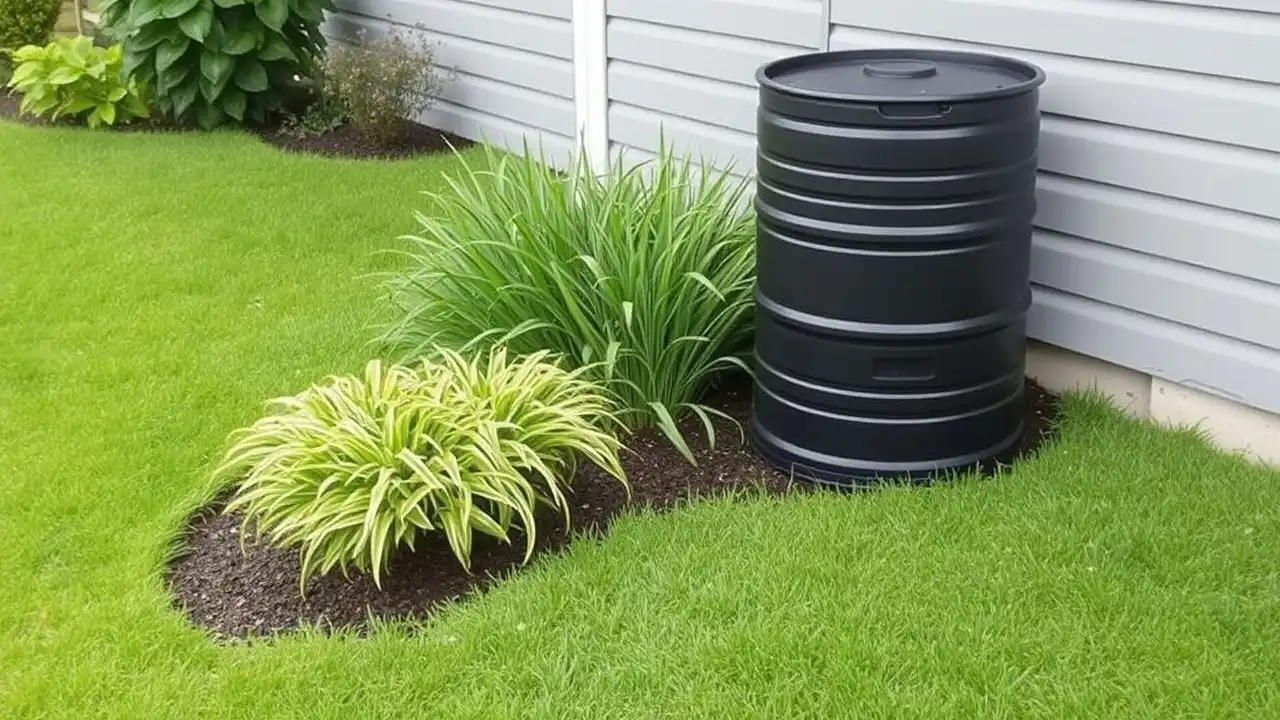
Key components: collection, filtration, and storage systems
Rainwater harvesting systems consist of several key components, including collection, filtration, and storing rainwater for later use. Here’s a summary of some key components:
| Component | Function |
|---|---|
| Collection System | Gathers rainwater from rooftops and other surfaces. |
| Filtration | Removes debris and contaminants to ensure water quality. |
Storage systems, such as rain barrels or underground tanks, hold the collected water for efficient water irrigation systems when needed for lawn care.
Integration of smart irrigation systems for efficient water use
Integrating smart irrigation systems enhances the efficiency of rainwater harvesting by delivering water at the right time and in the right amount. Soil moisture sensors and weather-based controllers optimize watering schedules, preventing water waste and promoting healthy lawn growth. These smart technologies ensure that the collected rainwater is used effectively, maximizing water conservation efforts in landscaping.
Case study: A Texas homeowner’s success story with rainwater reuse
A Texas homeowner implemented a rainwater harvesting system to reduce their reliance on municipal water sources for lawn care. By collecting and using rainwater, they were able to significantly reduce their water bills and conserve water. The system provides a sustainable water source for their lawn, demonstrating the practical and economic benefits of rainwater reuse technology for caring for your lawn even when climate change decreases water availability.
Advantages of Rainwater Reuse for Lawn Care
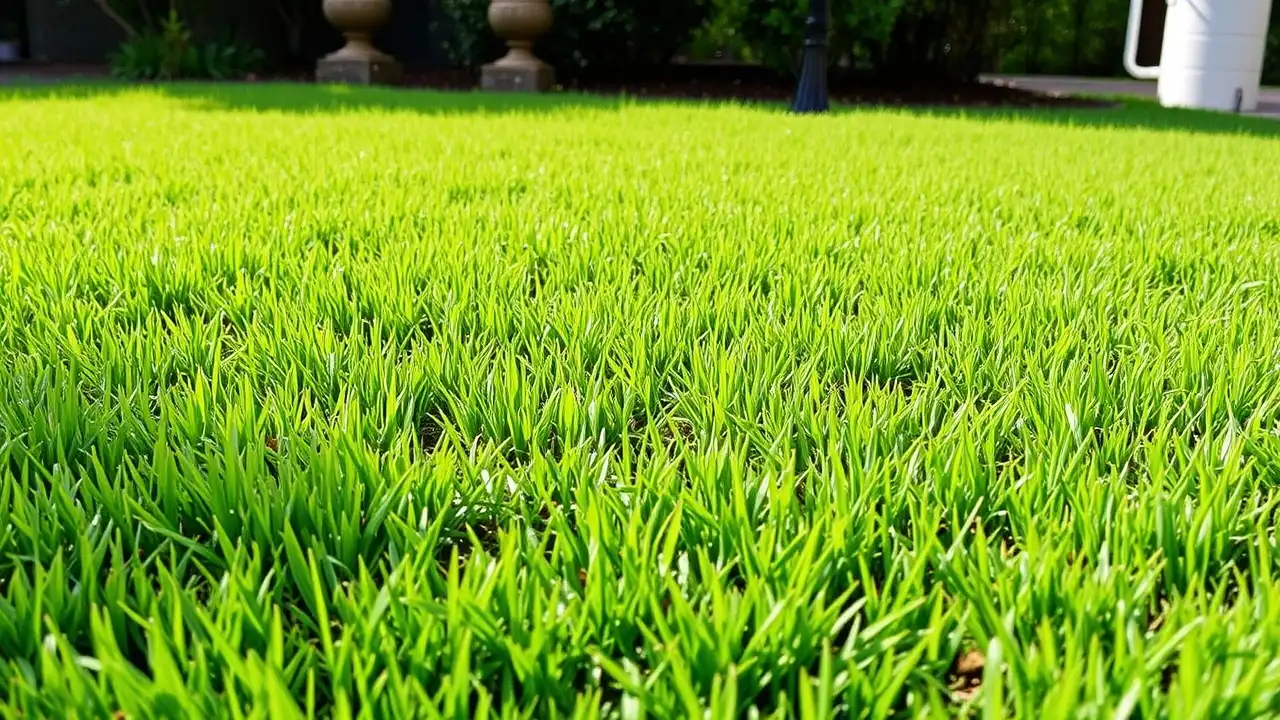
Cost benefits: lower utility bills and reduced municipal water demand
Implementing a rainwater harvesting system offers significant cost benefits by reducing reliance on municipal water sources and lowering water bills. The initial investment in rainwater harvesting can be offset by long-term savings on water usage, making it a financially sound choice. By reducing the demand on municipal water supplies, homeowners contribute to overall water conservation efforts and reduce water scarcity issues.
Healthier lawns: the advantages of using natural rainwater
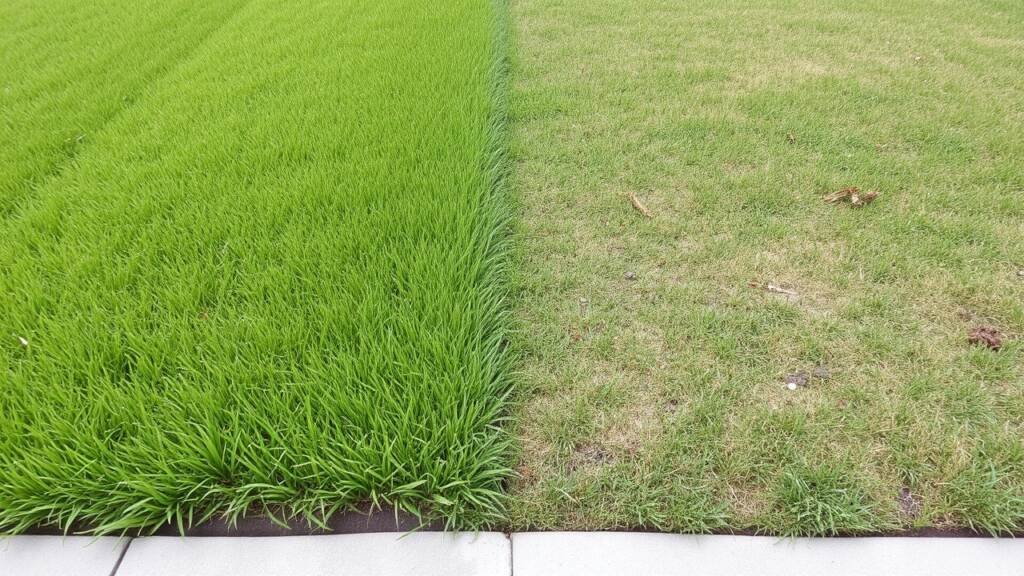
Using natural rainwater provides numerous advantages for maintaining healthier lawns and landscaping. Rainwater is naturally soft and free from chemicals and minerals found in municipal water, promoting better soil health. This leads to improved nutrient absorption by the lawn, resulting in greener, more vibrant grass. Optimizing irrigation with rainwater can significantly enhance the overall health and appearance of your outdoor space.
Environmental benefits: minimizing runoff and water waste
Rainwater harvesting significantly minimizes runoff and water waste, contributing to environmental sustainability. By collecting and using rainwater, homeowners reduce the amount of water that flows into storm drains, decreasing the risk of erosion and pollution. This practice supports water conservation efforts, promotes eco-friendly landscaping, and helps preserve water quality in local water sources.
Integrating Smart Irrigation with Rainwater Reuse
Utilizing smart technology for optimized irrigation practices
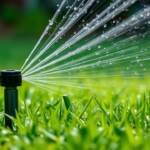
Integrating smart technology into irrigation practices optimizes water usage and improves water management. Smart irrigation systems use soil moisture sensors and weather data to determine the right amount of water needed for your lawn, preventing overwatering and water waste. This approach ensures that your landscape receives the necessary water at the right time, promoting healthy growth and sustainability.
Enhancing water delivery accuracy with moisture sensors
Enhancing water delivery accuracy is crucial for efficient irrigation, and soil moisture sensors play a vital role in achieving this. These sensors measure the moisture levels in the soil, providing real-time data to the smart irrigation controller. By monitoring moisture levels, the system adjusts watering schedules to meet the lawn’s specific needs, conserving water and promoting optimal plant health in your outdoor space.
The Future of Efficient Lawn Care
Combining rainwater reuse with smart irrigation represents a leap forward in eco-friendly lawn maintenance. These systems automate watering based on real conditions, reduce reliance on municipal water, and encourage sustainable landscaping practices. By integrating technology and natural resources, homeowners can enjoy vibrant, healthy lawns year-round with minimal effort.
For a deeper look into how mobile-controlled irrigation systems are shaping the future of lawn care, explore our detailed guide on 👉 Smartphone-Controlled Irrigation Systems: The Future of Lawn Care.
Challenges and Maintenance of Rainwater Systems
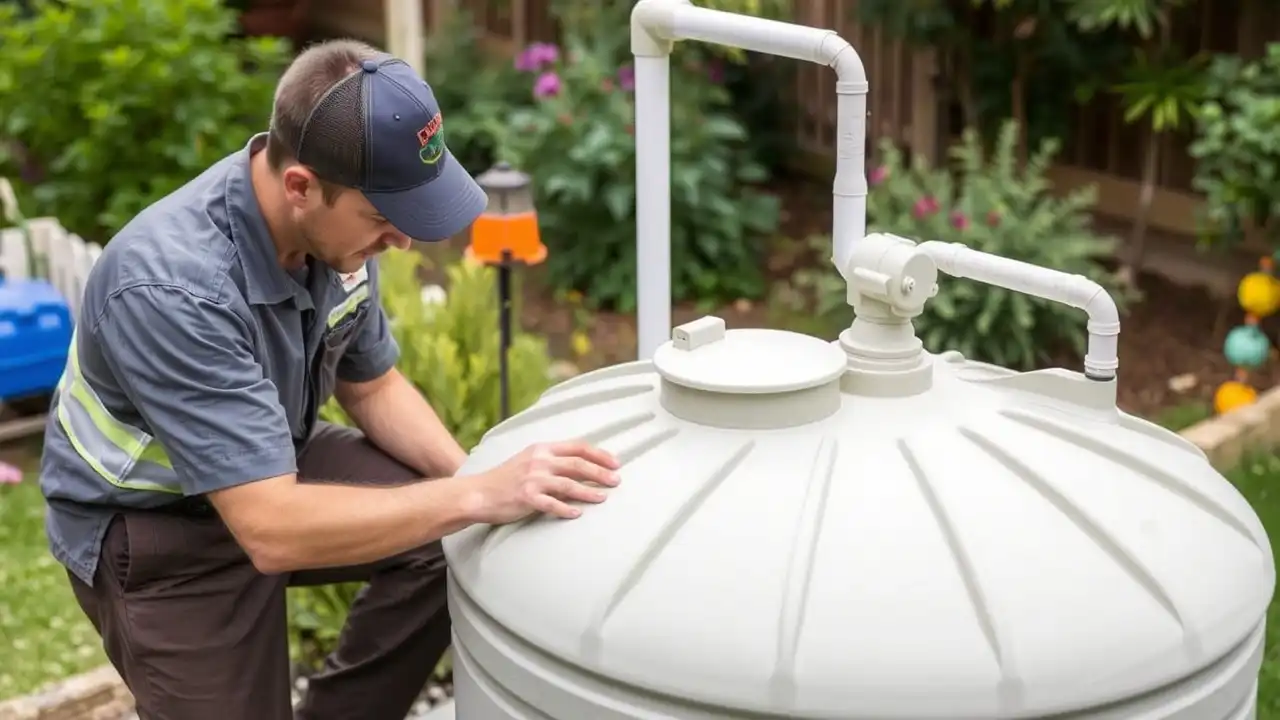
Common maintenance issues: algae and filter management
One common challenge in maintaining rainwater reuse technology is algae buildup within the storage tanks and pipes. Regular cleaning and the use of opaque tanks can help mitigate this issue, ensuring that water quality is preserved. Filter maintenance is also crucial, as filters trap debris and sediment that can compromise the system’s efficiency. Regularly inspecting and cleaning the filters prevents clogs and maintains optimal water flow. Proper maintenance ensures the system operates efficiently, providing a sustainable water source for the lawn.
Best practices for ensuring system longevity and safety
To ensure the longevity and safety of rainwater reuse systems, several best practices should be followed. Regularly inspect all components, including tanks, pipes, and pumps, for any signs of wear or damage. Ensure that the system is properly winterized in colder climates to prevent freezing and damage. Additionally, it is essential to monitor water quality and perform periodic testing to ensure that the water is safe for irrigation purposes and to prevent health problems. Following these practices will maximize the lifespan and effectiveness of the system, promoting sustainable water usage and reducing reliance on municipal water sources.
Designing a Sustainable Landscape with Rainwater Reuse
Collaborating with professionals for optimal landscape design
Collaborating with landscape professionals is crucial for designing a sustainable landscape that effectively integrates rainwater reuse technology. These experts can assess the site’s specific needs, including soil type, sun exposure, and drainage patterns, to create a tailored design that maximizes water conservation. They can also help select native plants that are adapted to the local climate and require less water, enhancing the overall sustainability of the landscape while still providing value to the homeowner. Working with professionals ensures the landscape is both aesthetically pleasing and environmentally responsible.
Balancing beauty and functionality in sustainable practices
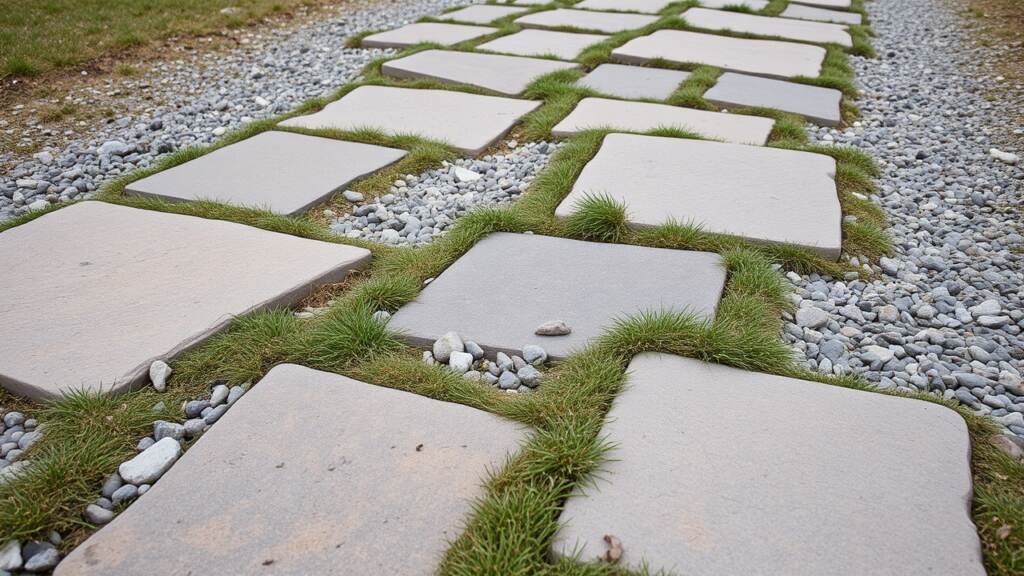
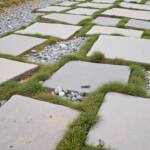
Balancing beauty and functionality is essential when designing a sustainable landscape with rainwater reuse. The goal is to create an outdoor space that is not only visually appealing but also efficient in its water management. This can be achieved by incorporating features like rain gardens, permeable paving, and drought-tolerant plants that require less water. The design should also consider the functionality of the rainwater harvesting system, ensuring that it is seamlessly integrated into the landscape without compromising its aesthetic appeal. Successfully blending beauty and functionality promotes a harmonious and sustainable outdoor environment and provides the homeowner with an efficient irrigation system in your landscape.
Enhancing Water Management and Soil Health
Effective rainwater reuse also requires proper water management strategies to prevent over-saturation or soil erosion. Incorporating drainage solutions, such as French drains, swales, or grading adjustments, helps control excess water and maintain soil integrity. This combination of rainwater harvesting and thoughtful drainage ensures your landscape remains healthy, vibrant, and sustainable with minimal maintenance effort. A well-designed system maximizes the benefits of rainwater reuse while promoting long-term environmental and financial savings.
👉Learn how proper drainage and soil management can keep your lawn healthy and sustainable year-round with our detailed guide on Drainage and Soil Solutions for a Healthy, Sustainable Lawn Year-Round.
The Future of Rainwater Reuse in Landscaping
Emerging technologies: IoT and AI in water management
The future of rainwater reuse in landscaping is being shaped by emerging technologies such as the Internet of Things (IoT) and Artificial Intelligence (AI). IoT sensors can monitor real-time water levels in storage tanks and moisture levels in the soil, providing valuable data for optimizing irrigation practices. AI algorithms can analyze this data to predict water needs and adjust irrigation schedules accordingly, minimizing water waste and maximizing water conservation. These smart technology advancements will make rainwater reuse systems even more efficient and effective in the years to come. The reliance on municipal water supplies will be reduced by the innovation coming from smart technology.
Municipal incentives for adopting smart irrigation systems
Cities across the U.S. are increasingly incentivizing homeowners and businesses to adopt smart irrigation systems and rainwater harvesting through various programs. These incentives may include rebates on the purchase and installation of rainwater tanks and smart irrigation controllers, as well as tax credits for implementing water conservation measures. By offering these incentives, municipalities aim to reduce water consumption, alleviate strain on local water supplies, and promote sustainable landscaping practices. These initiatives will further drive the adoption of rainwater reuse technology and contribute to a more water-efficient future. Smart water management is becoming the norm, so you should conserve water with smart technology and make sustainability easier for yourself and other landscape owners.
- How a Free Landscape Design App Can Boost Your Landscaping Advertising in Olympia, WA
- Prune Roses: Easy Guide for Shrub, Flower Garden in Early Spring
- Drainage and Soil Solutions for a Healthy, Sustainable Lawn Year-Round
- Smart Design Tips for Multi-Generational Homes: Comfort, Connection, and Cost Optimization
- Affordable grass installation near me in 2026