Welcome to your comprehensive guide on how to prune roses effectively in early spring! Pruning your roses is not just a task; it’s an art that encourages healthy growth and a stunning abundance of flowers. Whether you’re a seasoned gardener or just starting out, this easy guide will provide you with the knowledge and confidence to prune your roses like a pro, ensuring your rose bush thrives and becomes a vibrant focal point in your garden.
Understanding Rose Varieties

Types of Roses to Prune
Before you grab your pruner, it’s crucial to understand the different types of roses. Varieties like hybrid teas, floribundas, and grandifloras each require specific pruning techniques. Knowing whether you have a shrub rose, a climbing rose, or a hedge rose will determine how you approach the pruning process. This understanding helps promote healthy growth and encourages your rose bush to finish strong, leading to a spectacular bloom.
Differences Between Shrub and Climbing Roses
Shrub roses and climbing roses have distinct growth habits that influence pruning strategies. Shrub roses typically form a bush-like shape and require pruning to maintain their form and encourage new growth. Climbing roses, on the other hand, produce long canes that climb and need to be trained and pruned to control their spread and flowering. Understanding these differences is essential for any gardener looking to maintain healthy and beautiful roses.
Choosing the Right Time for Pruning
The ideal time to prune your roses is in early spring, just as the dormant period ends and you see new shoots growing. It’s time to prune when the threat of frost has passed, and the buds are beginning to swell. Don’t prune too early, as a late frost can damage the fresh cuts. Checking your rose bush for signs of new growth is the best indicator that it’s time to prune your roses and prepare them for a season of healthy growth and vibrant blooms.
Essential Pruning Steps for Healthy Roses
Tools Needed for Pruning Roses
To effectively prune your roses, having the right tools is essential. You’ll find some tools particularly helpful:
- A pair of sharp pruners for making clean cuts.
- Gloves to protect your hands from thorns.
- Loppers for thicker canes.
Hedge trimmers might be useful when you have a large hedge rose to maintain, but they are not useful for shrub roses and other varieties that need a precise prune.
Identifying Diseased Growth and Debris
Before you prune roses, it’s crucial to identify any diseased growth or debris on your rose bush. Diseased stems often appear discolored or have unusual growths. Remove any dead or dying branches, as well as any leaves or debris around the base of the plant. This helps improve airflow around the canes and prevent the spread of disease. Spotting these issues early ensures healthy growth and a more abundant bloom when it’s time.
Step-by-Step Guide to Pruning Roses
Here are some key steps to properly prune your rose bush. Following these steps ensures the health of your plant:
- Remove any dead, damaged, or diseased canes.
- Cut back the remaining canes to encourage new growth.
Make your cuts at an angle, just above an outward-facing bud to promote growth in the desired direction. Opening up the center of the plant improves airflow. With these pruning steps, your rose bush will triple in size and bring abundance of flowers. Remember, it’s time to prune when you see new shoots growing.
Techniques to Prune Roses Effectively
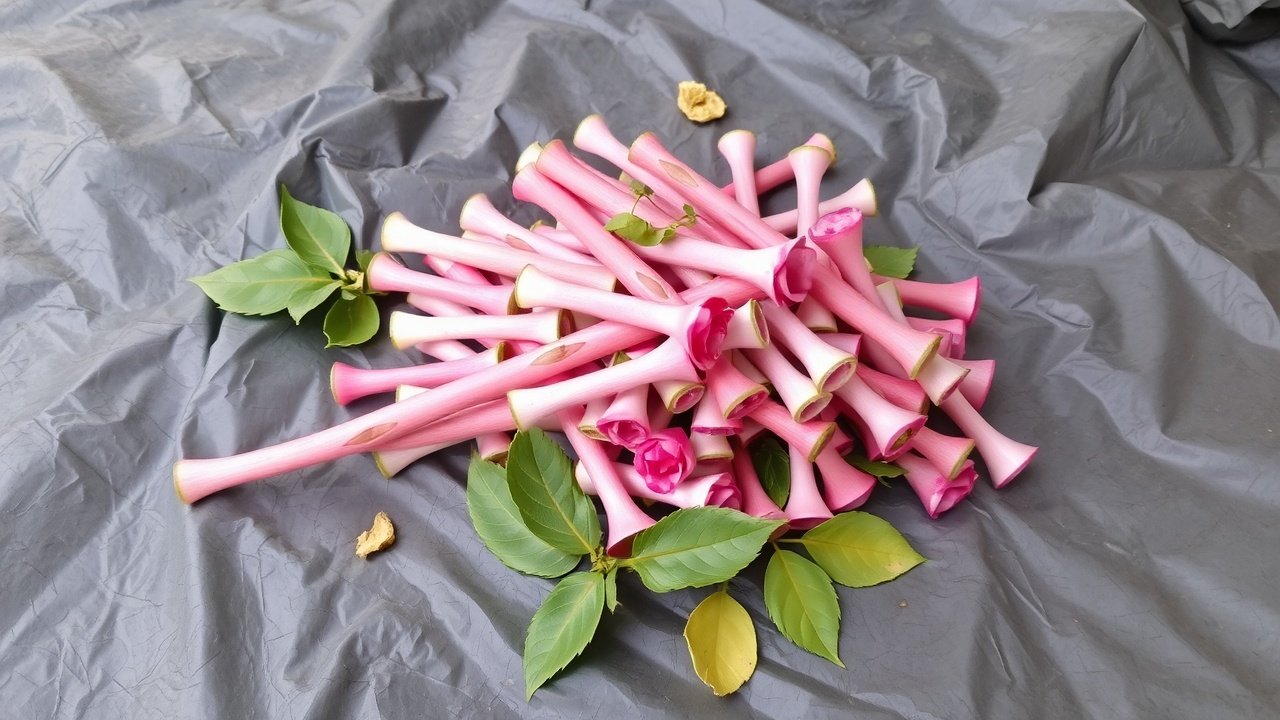
How to Prune Cane and Branches
When you prune roses, focus on the canes and branches to shape your rose bush and encourage healthy growth. Using sharp pruners, make clean cuts to prevent disease. Remove any dead or crossing branches to improve airflow throughout the plant. Cutting back the remaining canes will promote new shoots growing, leading to a stunning display of flowers. Remember to cut at an angle just above an outward-facing bud. This ensures new growth occurs in the right direction.
Pruning for Better Flower Production
To maximize flower production, understanding the pruning steps is essential. Prune your roses to remove old, unproductive stems. This directs the plant’s energy into producing new shoots, which are more likely to bloom profusely. Opening up the center of the plant allows sunlight to reach all parts of the rose bush, further promoting healthy growth and an abundance of flowers. It’s time to prune to cut back and remove any spent blooms, encouraging the rose bush to produce more flowers.
Managing Stem Growth and Shape
Managing stem growth and shape ensures your rose bush remains healthy and aesthetically pleasing. Strategic pruning helps maintain the desired form, whether you prefer a compact shrub or a more open shape. Cut back vigorous stems to encourage branching and create a fuller bush. Remove any stems that are growing in unwanted directions to maintain the overall shape. Remember to always use clean pruners and make angled cuts to prevent disease and promote healthy growth.
Post-Pruning Care for Roses
Cleaning Up Debris and Diseased Growth
After you prune roses, cleaning up debris and diseased growth is essential for maintaining the health of your rose bush. Remove all pruned branches and leaves from around the base of the plant to prevent the spread of disease. Pay close attention to any signs of diseased growth, such as discolored stems or unusual spots on the leaves, and dispose of them properly. A clean environment promotes healthy growth and helps your roses thrive.
Fertilizing After Pruning
Fertilizing after you prune roses provides the necessary nutrients for new growth. Use a balanced rose fertilizer to promote strong root development and abundant blooms. Apply the fertilizer according to the package instructions, being careful not to over-fertilize, which can damage the plant. Fertilizing is an important step in ensuring your rose bush finishes strong and produces beautiful flowers throughout the growing season. You can apply fertilizer to your hedge roses or shrub roses.
Watering and Mulching for Recovery
Watering and mulching are crucial for helping your rose bush recover after pruning. Water deeply to ensure the soil is thoroughly moistened, which encourages strong root growth. Apply a layer of organic mulch around the base of the plant to retain moisture, suppress weeds, and regulate soil temperature. Proper watering and mulching provide the ideal conditions for your roses to thrive and flourish throughout the season, whether they are shrub, hedge, or climbing varieties.