
Congratulations on your new lawn! Proper post-installation lawn care is crucial to ensure your grass thrives. This checklist will guide homeowners through the essential steps to protect their investment and establish a lush, green lawn.
Why Post-Installation Lawn Care Matters
First 30 Days Determine Long-Term Success
The first 30 days after installation are critical for the long-term success of your new lawn. Proper lawn care during these weeks after installation will help the grass establish a robust root system, ensuring a healthy and vibrant landscape for years to come.
Common Mistakes Homeowners Make After Installation
Many homeowners inadvertently harm their new lawns by making common mistakes immediately after installation. These include improper watering, fertilizing too soon, or allowing excessive foot traffic. Avoiding these pitfalls is essential for a thriving lawn.
Importance of Routine Care
Routine lawn care is paramount to maintaining a healthy and green lawn. Consistent maintenance, including proper watering, mowing, and fertilization, ensures the lawn remains lush and vibrant year-round, enhancing your home’s curb appeal.
First 24–48 Hours After Installation
Initial Watering Guidelines
Watering is key immediately after installation. The initial watering should thoroughly soak the new sod or grass to a depth of several inches, ensuring the soil is moist. This promotes root establishment and prevents the grass from drying out.
Inspect Seams and Edges
Carefully inspect the seams and edges of newly installed sod. Ensure there are no gaps or air pockets, which can cause the sod to dry out and prevent proper rooting. Fill any gaps with soil to ensure uniform contact.
Avoid Foot Traffic
Minimize foot traffic on your new lawn during the first few weeks. Excessive foot traffic can compact the soil and damage the shallow roots, hindering the grass’s ability to establish. Protect your investment by keeping off the grass.
Week 1–2 Lawn Care Checklist
Daily Watering Schedule
Maintain a consistent daily watering schedule during the first one to two weeks after installation. Water deeply each morning to ensure the soil remains moist, promoting healthy root growth. Adjust based on weather conditions to avoid overwatering.
Signs of Healthy Rooting
Look for signs of healthy rooting, such as new grass blades emerging and the sod becoming more difficult to lift from the soil. These indicators signify that the grass is successfully establishing and developing a strong root system.
What Problems to Watch For
Be vigilant for potential problems such as yellowing grass, dry patches, or signs of disease. Addressing these issues promptly with appropriate lawn care measures, such as adjusting watering or applying a suitable herbicide, can prevent further damage.
Week 3–4 Lawn Care Checklist
Reducing Watering Frequency
As your new lawn becomes established in weeks three and four, gradually reduce the watering frequency. This encourages the roots to grow deeper into the soil in search of moisture. A good lawn care checklist includes monitoring soil moisture levels to prevent overwatering.
Light Mowing Rules
If the grass has grown tall enough, it might be time for its first light mowing. Ensure your mower blades are sharp to avoid tearing the grass blades, and only remove no more than one-third of the grass height to prevent stressing the lawn. This is a key element of your post-installation lawn care checklist.
Root Establishment Milestones
By weeks three and four, you should see significant progress in root establishment. Check for resistance when gently tugging on the grass; a firm hold indicates that the new sod is taking root and the turf is beginning to thrive. A robust root system means your lawn care maintenance guide is working.
Watering Best Practices for New Lawns
Overwatering vs. Underwatering
Finding the right balance in watering is crucial for newly installed sod. Overwatering can lead to fungal diseases and shallow root growth, while underwatering can cause the grass to dry out and wilt. Monitor your lawn care checklist to adjust your watering schedule accordingly.
Adjusting Based on Weather
Adjust your watering schedule based on the weather conditions. During hot and dry periods, increase watering frequency to prevent the grass from drying out. Conversely, reduce watering during rainy weeks after installation to avoid waterlogged soil and potential diseases, using your maintenance guide.
Early Warning Signs of Stress
Be alert for early warning signs of stress in your new lawn. These include yellowing or browning grass, wilting blades, or the appearance of dry patches. Addressing these issues promptly with appropriate watering adjustments can help the turf bounce back and thrive, as per your lawn care checklist.
When and How to Start Mowing
Minimum Grass Height Before Mowing
Before mowing your new lawn for the first time, ensure the grass has reached the minimum recommended height, typically around 3 to 4 inches. Mowing too early can stress the young grass and hinder root establishment, affecting the lawn in the spring.
Blade Sharpness
Always use sharp mower blades when mowing your lawn. Dull blades tear the grass, making it more susceptible to diseases and pests. Sharp blades ensure a clean cut, promoting healthy growth and a lush, green lawn as indicated in the lawn care maintenance guide.
Safe Mowing Patterns
Vary your mowing patterns each time you mow to prevent soil compaction and ensure the grass blades stand upright. Avoid mowing in the same direction repeatedly, as this can create ruts and uneven growth. Varying the pattern will promote a healthy and even turf, an important inclusion in your care checklist.
Fertilization & Soil Care After Installation
When to Fertilize
Knowing when to fertilize your lawn is crucial for its health. Generally, wait until the grass has established a robust root system, typically around 6 to 8 weeks after sod installation or seeding. A starter fertilizer can help promote root growth and overall lawn health.
Avoiding Fertilizer Burn
To avoid fertilizer burn, always follow the manufacturer’s instructions and apply fertilizer evenly across the lawn. Over-fertilizing can damage the grass and create unsightly brown patches. Using a slow-release fertilizer and watering after application can help prevent fertilizer burn and promote a healthy lawn.
Supporting Root Development
Supporting root development is key to a healthy, thriving lawn. Use a fertilizer high in phosphorus to encourage strong root growth. Additionally, aerating the soil can improve nutrient uptake and water penetration, promoting a robust root system and a lush, green lawn throughout the year-round.
Foot Traffic, Pets & Lawn Protection

When It’s Safe to Walk on New Grass
Knowing when it’s safe to walk on new grass is vital for proper lawn care. Typically, you should minimize foot traffic for the first few weeks after sod installation, allowing the new sod to establish a robust root system. Walking on newly installed sod too soon can compact the soil and damage the shallow roots, hindering the grass’s ability to thrive.
Pet-Friendly Precautions
If you have pets, taking pet-friendly precautions is a must. Keep them off the new lawn as much as possible during the initial establishment phase. Pet waste can harm the grass, and their activity can disrupt the establishment of the new sod. Designate a pet-friendly area away from the lawn and protect your investment.
Temporary Barriers if Needed
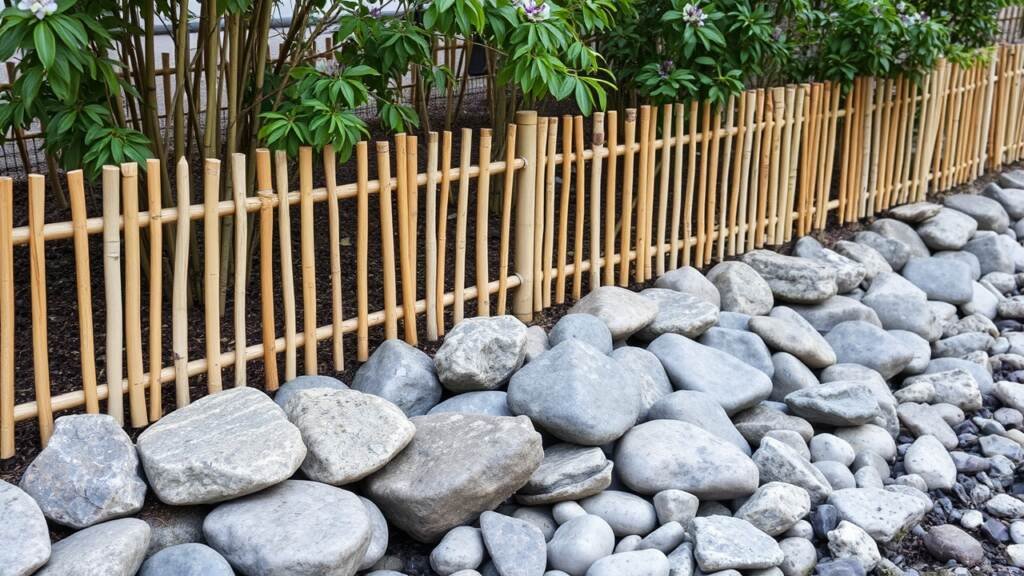
Using temporary barriers can be an effective way to protect your lawn. These can prevent foot traffic and keep pets away, giving the grass the best chance to establish. Consider using fencing or netting to create a protective barrier around the newly installed sod, ensuring it remains undisturbed during the critical first few weeks after installation.
Common Post-Installation Mistakes to Avoid
Mowing Too Early
One common mistake is mowing too early. Always wait until the grass reaches the recommended height, typically around 3 to 4 inches, before mowing. Mowing too early can stress the young grass and hinder root establishment, negatively impacting the lawn in the spring.
Fertilizing Too Soon
Avoid fertilizing too soon after installation. Wait until the grass has established a strong root system, usually around 6 to 8 weeks after sod installation or seeding, before applying fertilizer. Applying fertilizer immediately after installation can lead to fertilizer burn and damage the tender grass.
Ignoring Drainage Issues
Ignoring drainage issues can lead to significant problems for your new lawn. Poor drainage can cause waterlogged soil, which can lead to root rot and other diseases. Address any drainage issues before installing new sod to ensure a healthy lawn thrives. This lawn care checklist item is a must for successful turf.
Long-Term Care After the First Month
Transitioning to Normal Maintenance
After the first month, transition to a normal maintenance routine. This includes adjusting the watering schedule, continuing regular mowing, and implementing a fertilization plan based on the specific needs of your grass type. Lawn care maintenance guide recommendations can prove invaluable at this stage.
Seasonal Adjustments
Make seasonal adjustments to your lawn care routine to ensure year-round health. Adjust watering and fertilization based on the time of year and weather conditions. Proper seasonal lawn care will help your lawn thrive in all types of weather. This lawn care checklist item is a must for successful turf.
Monitoring Lawn Health
Regularly monitoring lawn health is essential for long-term success. Look for signs of disease, pest infestations, or nutrient deficiencies. Addressing these issues promptly can prevent further damage and keep your lawn lush and green. This is a key element of any proper lawn care checklist and maintenance guide.
Post-Installation Lawn Care Support from Destiny Landscape
Need Help Maintaining Your New Lawn?
If you need help maintaining your new lawn, Destiny Landscape is here to assist. We offer a range of lawn care services to ensure your new grass thrives and remains healthy. Our team can provide expert advice and customized solutions tailored to your specific needs.
Contact Destiny Landscape for Professional Advice
Contact Destiny Landscape for professional advice on post-installation lawn care. Our experienced team can provide guidance on watering, mowing, fertilization, and other essential maintenance tasks. We are dedicated to helping you achieve a beautiful and healthy lawn.
Customized Maintenance Solutions
We offer customized maintenance solutions to meet the unique needs of your lawn. Our services include soil testing, fertilization programs, weed control, and more. With Destiny Landscape, you can rest assured that your new lawn is in expert hands, and that you have proper new grass care guide.