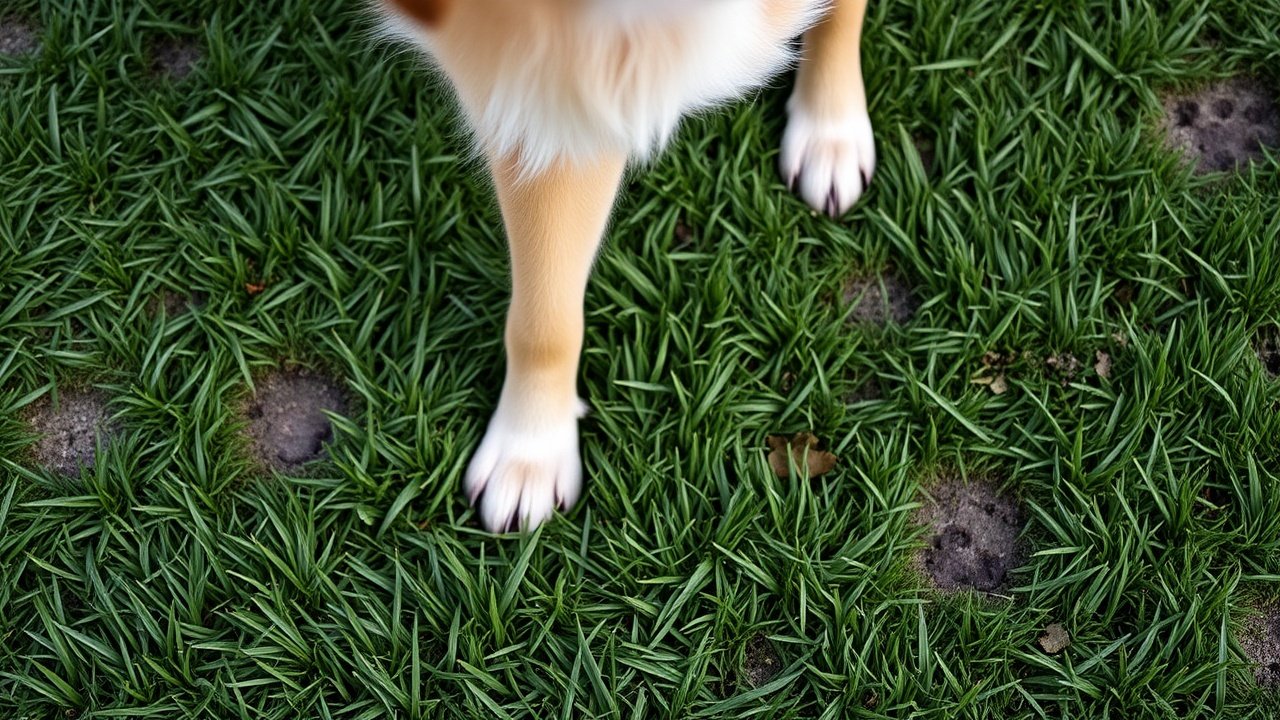
Building a lawn that stays green, clean, and damage-free while living with pets, especially dogs, presents a unique challenge for U.S. homeowners. Selecting the right grass type is crucial for creating a pet-friendly space. This article explores how to choose the best grasses that can withstand dog urine, digging, and heavy foot traffic.
Understanding the Challenges of a Pet-Friendly Lawn
Common Problems with Pets in the Lawn
Many pet owners struggle with maintaining a healthy lawn due to their furry friends. Dogs can unintentionally cause various problems, such as digging holes, creating worn pathways, and leaving urine spots that turn the grass yellow or even create bare spots. These issues make lawn care more complex.
Importance of a Durable Lawn for Pet Owners
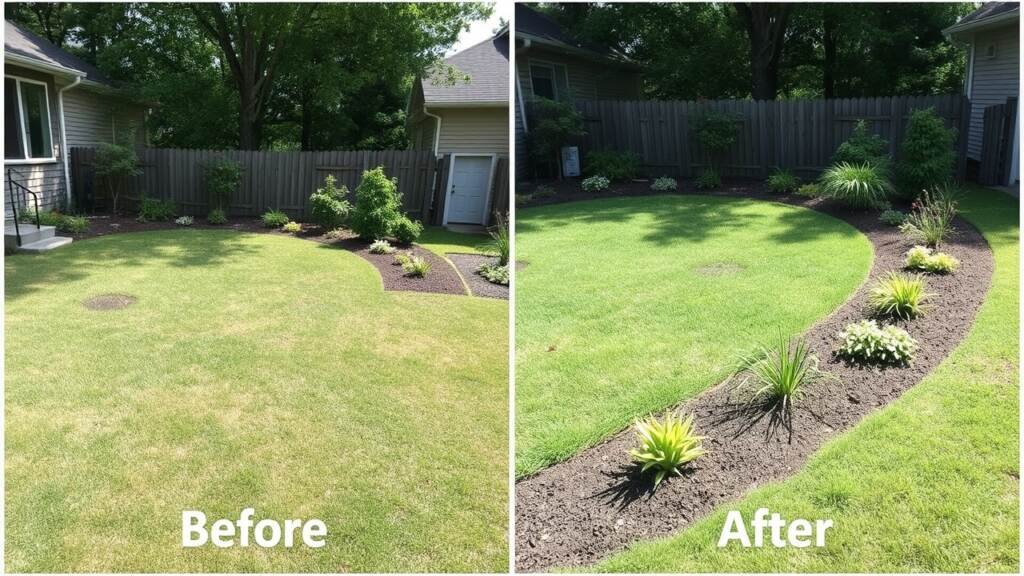
For dog owners, a durable lawn is essential. The goal is to create a dog-friendly space that not only looks aesthetically pleasing but also withstands the daily wear and tear from active dogs. Choosing the right grass and implementing proper maintenance can help achieve this balance.
Creating a Safe Environment for Pets
Creating a safe environment for pets involves more than just selecting the right grass; it’s about ensuring the entire lawn is dog-friendly. Avoiding harmful chemicals like certain fertilizers and pesticides is crucial for the well-being of our furry friends, and selecting the best grass for dogs.
Choosing the Best Grasses for Dogs
Kentucky Bluegrass: A Self-Repairing Option
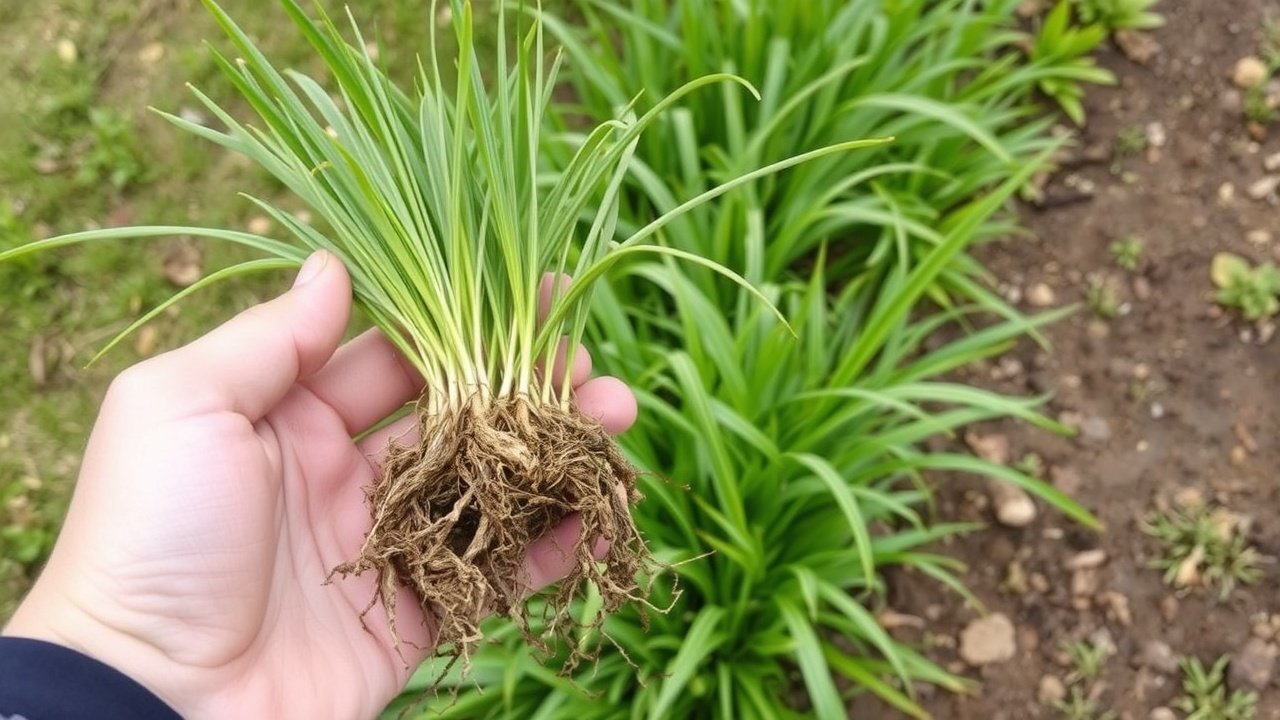
Kentucky Bluegrass is a popular choice for dog owners in cooler climates due to its excellent self-repairing abilities. This grass type recovers quickly from digging damage and paw traffic, making it ideal for active dogs. Its root system is robust, and it can withstand frequent mowing.
Perennial Ryegrass: Fast-Repairing Grass
Perennial Ryegrass is known for its fast-repairing qualities and strong traffic tolerance. This grass seed germinates quickly, making it a great option for patch repair in high-traffic areas. It is particularly well-suited for cool-season states, offering a resilient lawn that can withstand dog pee.
Tall Fescue: Deep Root Resilience
Tall Fescue is another excellent choice, known for its deep roots that resist digging. This grass type is very resilient under heavy pet activity and offers good shade tolerance, making it suitable for lawns with partial shade. Tall fescue grass is often recommended for its ability to withstand wear and tear.
Bermudagrass: Ideal for Southern Climates
Bermudagrass is ideal for southern climates due to its high wear-resistance and excellent heat tolerance. This warm-season grass forms a dense growth that prevents large digging holes, making it a great option for dog owners in warmer regions. Bermuda is a solid grass for dogs.
Preventing Urine Spots on Your Lawn
Understanding Pet Urine and Grass Interaction
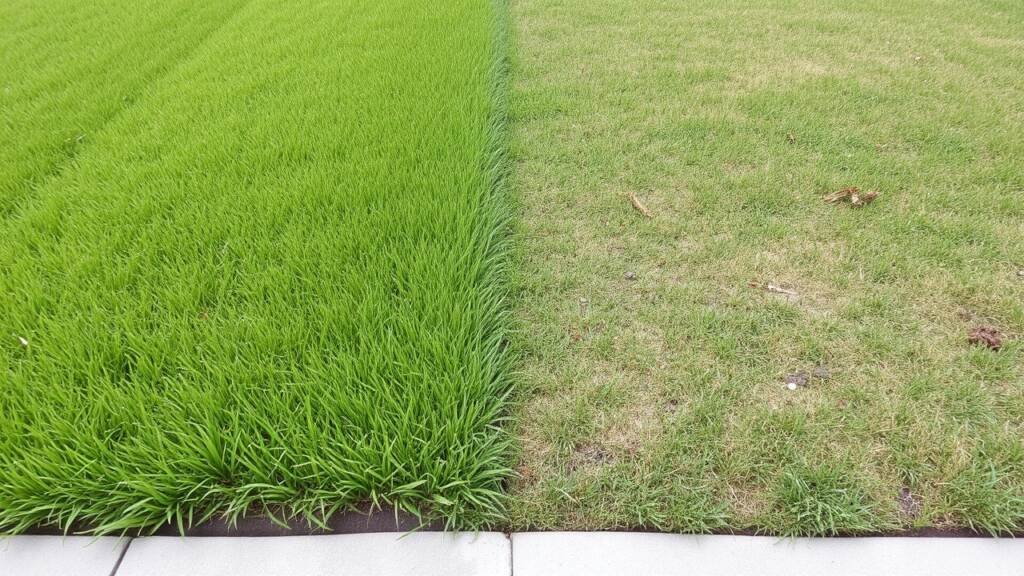
Pet urine contains nitrogen and salts. In small amounts, nitrogen can act as a fertilizer, but concentrated amounts burn the grass, leading to yellow spots. Understanding this interaction is key to preventing urine damage and maintaining a healthy lawn, particularly resistant to dog urine.
Creating a Designated Potty Zone
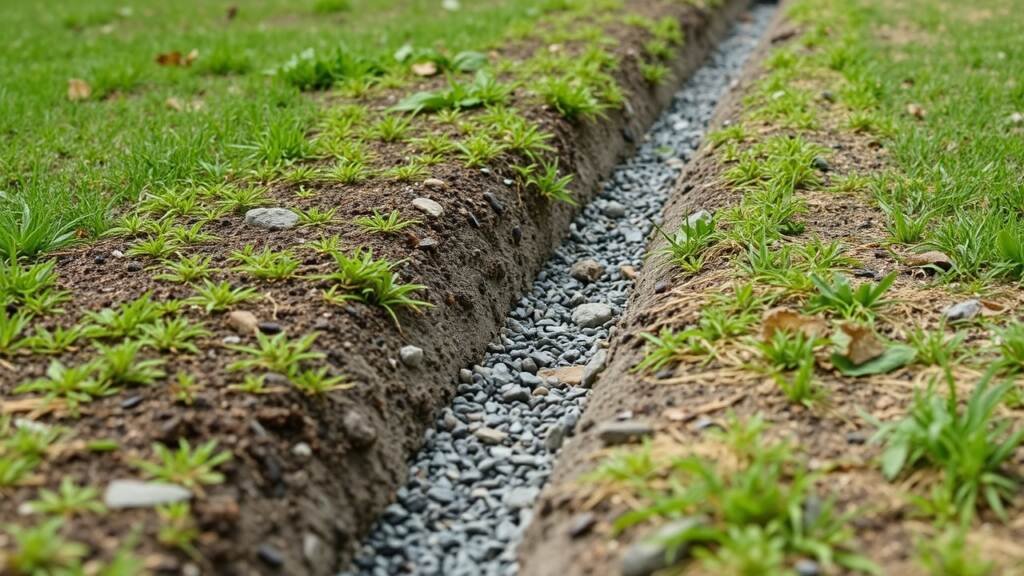
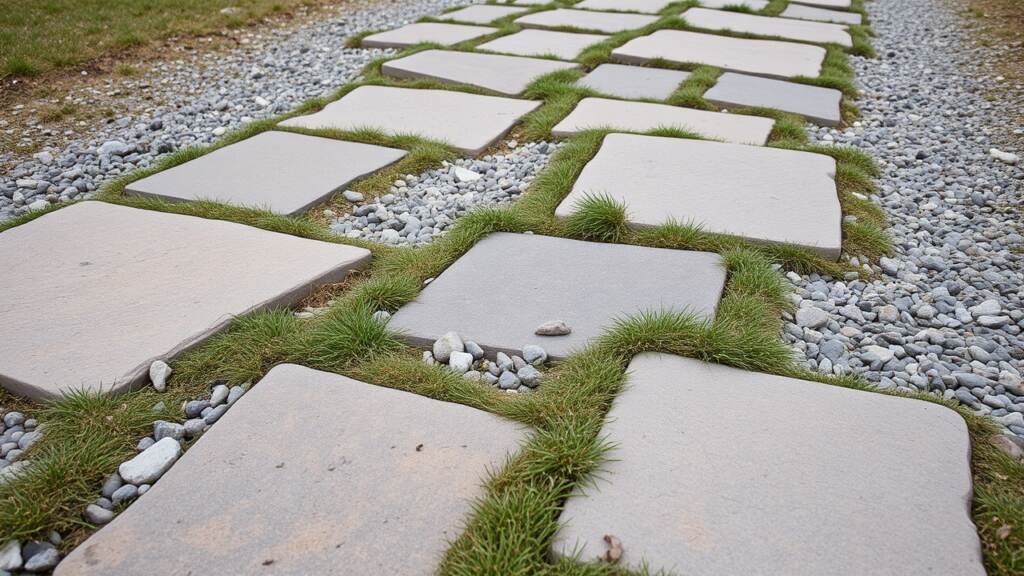
Creating a designated potty zone with mulch or gravel can help prevent urine spots on your lawn. Training your dog to use this area minimizes urine damage to the grass, keeping the rest of your lawn green and healthy and dog-friendly. Using artificial turf can keep the pee localized.
Encouraging Proper Hydration in Pets
Encouraging proper hydration in pets is essential to dilute their urine, reducing the concentration of nitrogen and salts. Well-hydrated dogs produce less concentrated urine, which minimizes the risk of yellow spots and brown spots on your lawn. Water is your friend!
Soil Preparation for a Strong Pet-Resistant Lawn
Importance of Healthy Soil Structure
Methods to Improve Soil Quality
Benefits of Core Aeration
Designing a Pet-Activity Flow
Smart Layout Ideas for Active Pets
Protecting Fragile Lawn Areas
Creating Alternative Digging Zones
Maintaining Your Pet-Friendly Lawn
Weekly Lawn Care Tips
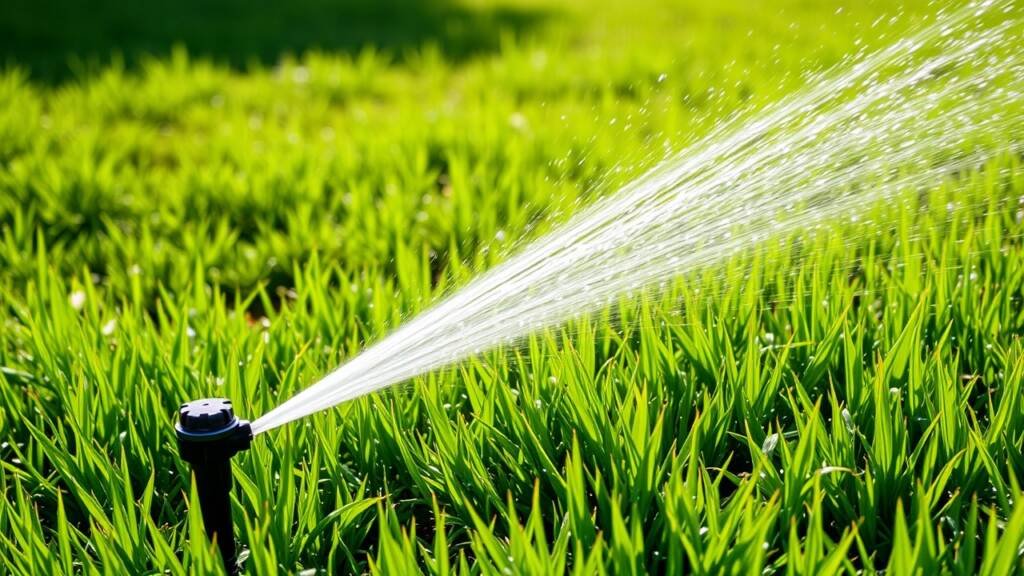
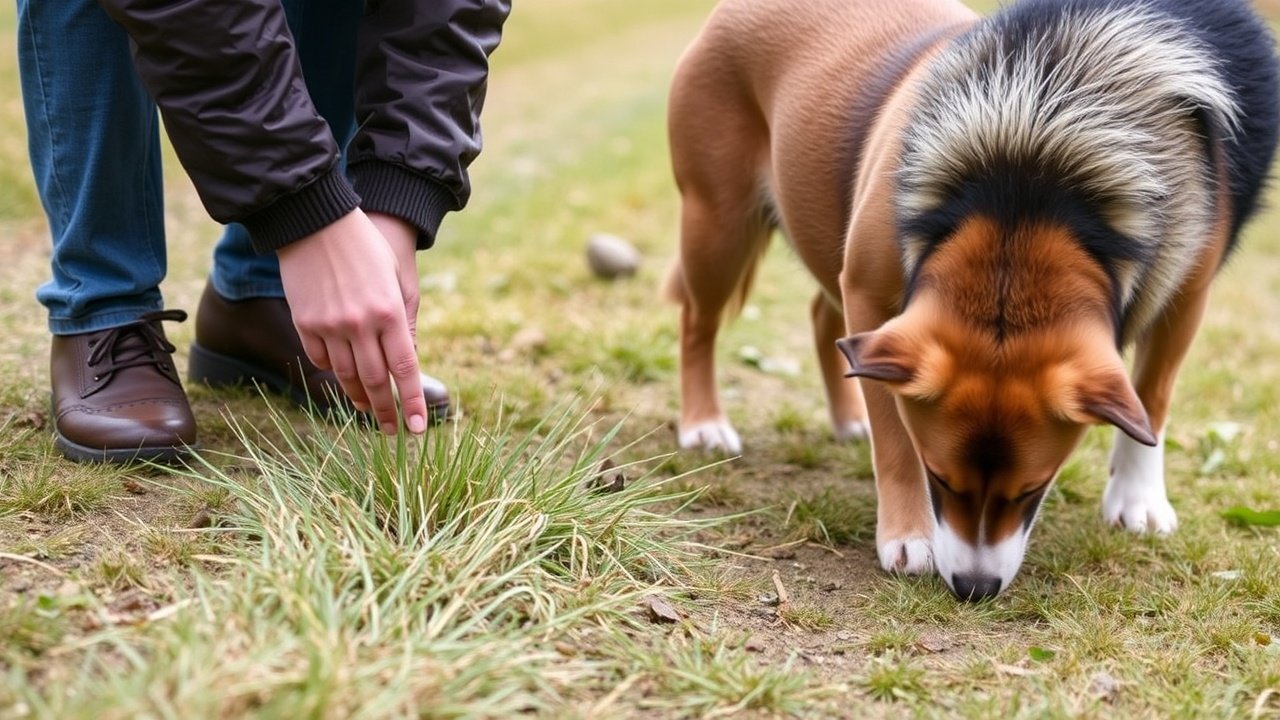
Weekly lawn care should include mowing at the recommended height for your grass type to encourage healthy growth. Water deeply but infrequently to promote strong root system development. Remove solid waste daily to prevent nitrogen buildup, which can lead to yellow spots in the lawn.
Monthly Maintenance Practices
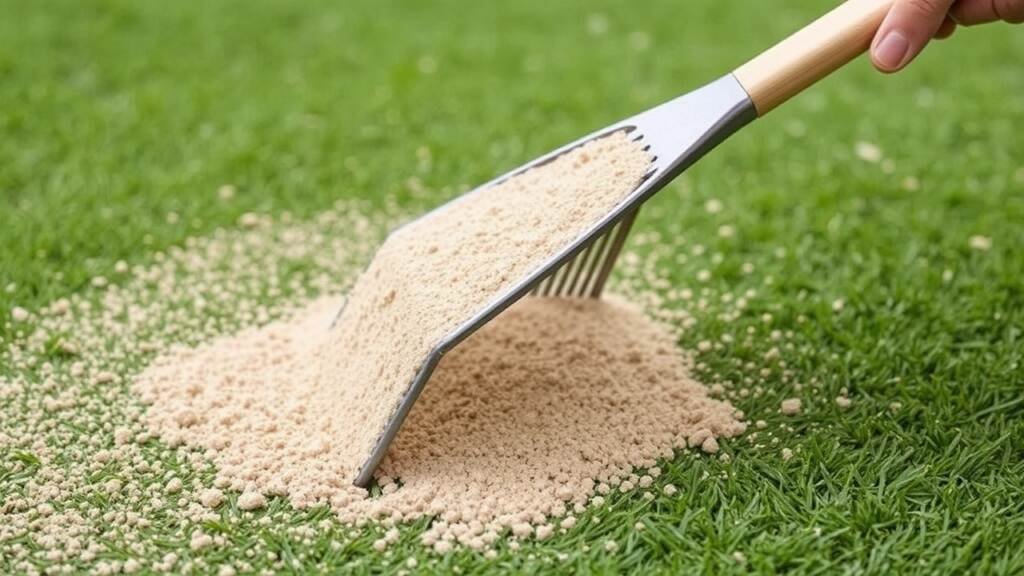
Monthly, inspect your lawn for thin patches and overseed with a fast-growing grass seed such as Perennial Ryegrass to maintain density. Apply a slow-release fertilizer to provide nutrients without causing burns from excessive nitrogen. Ensure the fertilizer is safe for pets, preventing any harm to your furry friend.
Seasonal Lawn Care Considerations
Seasonally, aerate the lawn twice a year if pets are highly active to alleviate soil compaction. Adjust your watering schedule based on the climate and rainfall patterns. Consider a lawn care professional who can test your soil and apply specific nutrient blends to promote a healthy lawn.
Pet-Safe Landscaping Materials
Choosing Natural Mulch and Stones
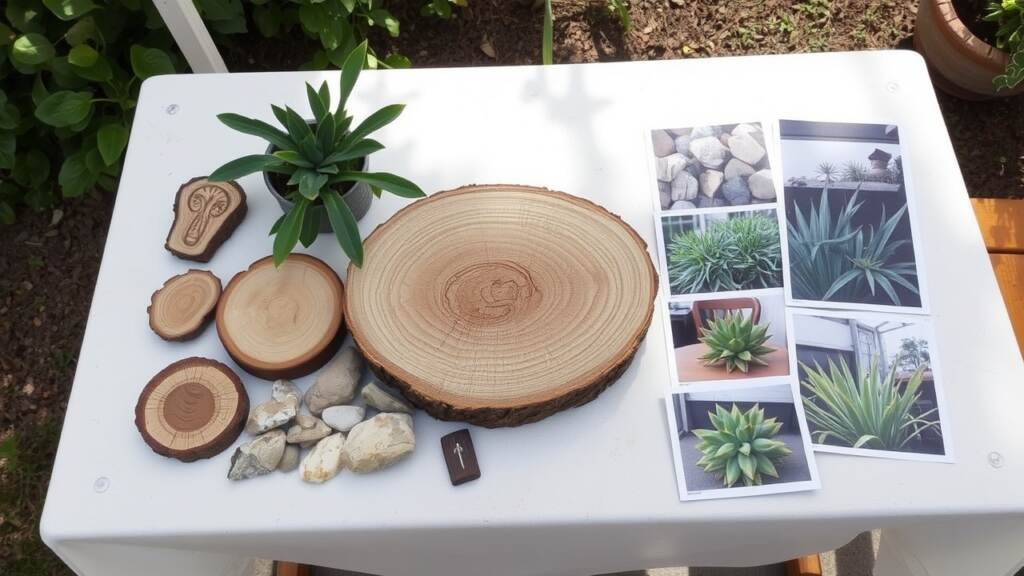
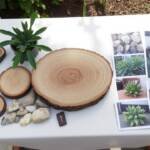
When designing a dog-friendly lawn, it’s crucial to select pet-friendly materials. Natural mulch, like cedar or pine bark, is a good option. Avoid cocoa mulch, as it can be toxic to dogs. Smooth river stones can add aesthetic appeal while being safe for your furry friend. Choosing the right grass and other materials will yield a healthy lawn.
Benefits of Artificial Turf
Artificial turf offers a durable and low-maintenance alternative to natural grass, particularly in high-traffic areas. It withstands dog urine and digging, making it a practical choice for pet owners. High-quality artificial turf options are designed to look and feel like natural grass but require less lawn care.
Integrating Pet-Safe Features in Landscaping
Integrate dog-friendly features such as designated play areas or dog pee spots with artificial turf. Use pet-friendly weed killers and fertilizers to maintain a healthy lawn. These features contribute to a safe and enjoyable outdoor space for both you and your pet. Also water areas where dog poop occurs often.
When to Seek Professional Help
Signs You Need Lawn Assessment
If your lawn suffers from persistent bare spots, recurring urine damage, or poor soil quality, it may be time to seek professional help. A lawn care professional can assess the situation, identify the underlying issues, and recommend a tailored solution, including choosing the best grasses.
Benefits of Professional Lawn Care Services
Professional lawn care services offer numerous benefits, including soil testing, custom fertilizer applications, and pest control measures. They can also provide expert advice on choosing the best grasses for your specific needs and climate, ensuring a dog-friendly lawn that thrives.
Custom Landscape Planning for Pet Owners
Consider custom landscape planning to create a dog-friendly lawn that meets both your aesthetic preferences and your pet’s needs. Professionals can design outdoor spaces that incorporate durable grass types, designated play areas, and safe landscaping materials. Select materials that are tolerant of your dog.
Conclusion: Achieving a Balanced Pet-Friendly Lawn
Recap of Key Strategies for Lawn Care
Long-Term Benefits of a Pet-Friendly Lawn
Destiny Landscaping’s Commitment to Pet Owners
Destiny Landscaping is committed to helping pet owners create beautiful, durable, and dog-friendly lawns. We offer expert advice, customized landscape plans, and professional installation services to ensure your outdoor space meets both your aesthetic goals and your pet’s needs. Fertilize and overseed the lawn periodically.