
Permeable pavers and their environmental benefits matter more than ever as homeowners and property managers seek eco-friendly paving solutions. Destiny Landscape specializes in sustainable hardscaping that helps manage stormwater, improve water quality, and reduce the urban heat island effect through high-performance permeable pavement systems.
What Are Permeable Pavers?
Permeable pavers are engineered paving units and permeable pavement surfaces designed to allow water to seep through the surface rather than shed it. By replacing impervious surface areas with a permeable surface, these systems manage stormwater, reduce runoff, and deliver measurable environmental benefits for driveways, patios, and parking lots.
Definition of Permeable Pavers
A permeable paver is a paver stone or permeable interlocking concrete paver set over a graded base of open-graded aggregate that stores rainwater. Gaps between the paver units or a porous structure allow water to drain, filter pollutant loads, and protect water quality in a durable, attractive pavement.
How Permeable Pavers Work
Permeable pavers help by creating a pervious pathway for rainwater to seep through the surface, then infiltrate the subbase and soil. This permeable paver system captures stormwater runoff, filters pollutants, and releases water slowly, helping manage stormwater and reduce the need for oversized drainage infrastructure.
Difference from Traditional Paving
Traditional pavement like asphalt pavement and conventional concrete pavers shed water, creating runoff and erosion risks. In contrast, permeable paving allows water in. Compared with traditional pavers, permeable pavers help reduce flooding, improve water quality, and mitigate heat.
Environmental Benefits of Permeable Pavers
The environmental benefits of permeable pavers include reduced stormwater runoff, groundwater recharge, improved water quality, and lower urban heat impacts. For a homeowner or a commercial site, installing permeable solutions can help reduce erosion, protect watersheds, and support environmental protection across the U.S. and beyond.
| Benefit | What it helps with |
|---|---|
| Reduced stormwater runoff | Helps reduce erosion |
| Groundwater recharge | Supports protection of watersheds |
| Improved water quality | Supports environmental protection |
| Lower urban heat impacts | Benefits homeowners and commercial sites |
Stormwater Runoff Reduction
Permeable pavers help reduce stormwater runoff by allowing water to drain through joints and into storage layers. As rainwater infiltrates instead of flowing across impervious surface areas, the benefit of permeable systems includes peak-flow reduction, minimized ponding on parking lots and a permeable driveway, and less stress on municipal stormwater management networks.
Groundwater Recharge
Because pavers allow water to infiltrate, permeable pavement supports groundwater recharge. The subbase detains and disperses rainwater, helping restore aquifers and maintain base flows in streams. This benefit of permeable infrastructure is vital where traditional pavement would block infiltration and exacerbate drought conditions.
Improved Water Quality
As stormwater passes through the pervious layers, sediment and pollutant loads are filtered, creating water quality benefits. Permeable pavers can help reduce contaminants from vehicles on driveways and parking lots, improving downstream water quality and advancing environmental protection goals tied to modern stormwater management practices.
Reduced Urban Heat Impact
Permeable pavement can help reduce the urban heat island effect by increasing air and water movement within the surface and subbase. Lighter-colored permeable interlocking concrete pavers and porous asphalt can stay cooler than traditional pavement, lowering ambient temperatures and supporting sustainable hardscaping outcomes.
Practical Advantages Beyond the Environment

Beyond the environmental benefits of permeable pavers, property owners gain practical performance advantages. A permeable paver system strengthens pavement function, helps manage stormwater on-site, and can reduce the need for oversized drainage. Whether for a permeable driveway, patio, or parking lots, installing permeable solutions delivers measurable value.
Durability and Performance
Engineered permeable interlocking concrete pavers distribute loads across the base, creating durable pavement that resists rutting, heaving, and freeze-thaw cycles. Because pavers allow rainwater to drain and relieve hydrostatic pressure, permeable pavers help maintain surface integrity compared to traditional pavement like asphalt pavement and conventional concrete pavers.
Lower Long-term Maintenance
Permeable pavers help reduce lifecycle costs by limiting crack repairs associated with traditional pavers and asphalt. Routine vacuum sweeping maintains pervious joints, keeping pollutant buildup low and flow rates high. With modular paver stones, localized settlement or utility access is simple to fix without repaving entire impervious surface areas.
Design Flexibility
Permeable paving supports diverse aesthetics and types of permeable layouts, from contemporary grids to classic stone patterns. Designers can blend permeable surface zones across a driveway, patio, and walkways, matching colors with surrounding concrete pavers. Curves, accents, and load-rated pavers help balance beauty, function, and stormwater management needs.
Reduced Infrastructure Costs
Because permeable pavement surfaces capture and infiltrate stormwater runoff, sites often reduce the need for large detention basins, inlets, and pipes. This benefit of permeable design can streamline grading, shrink paved impervious surface, and lower municipal impact fees by demonstrating on-site stormwater management performance and water quality benefits.
Sustainable Hardscaping with Destiny Landscape
Destiny Landscape integrates permeable pavers and their environmental benefits into every sustainable hardscaping plan. Our teams specify permeable pavement to manage stormwater, protect water quality, and help reduce the urban heat island effect while delivering long-lasting pavement performance for homeowners and commercial clients across the U.S.
Design Philosophy
We start by mapping flows of rainwater and pollutant pathways, then size pervious base layers to allow water to seep through the surface and infiltrate. Our designs combine eco-friendly paving solutions with functional access, ensuring pavers help meet site goals and environmental protection targets cost-effectively.
Installation Approach
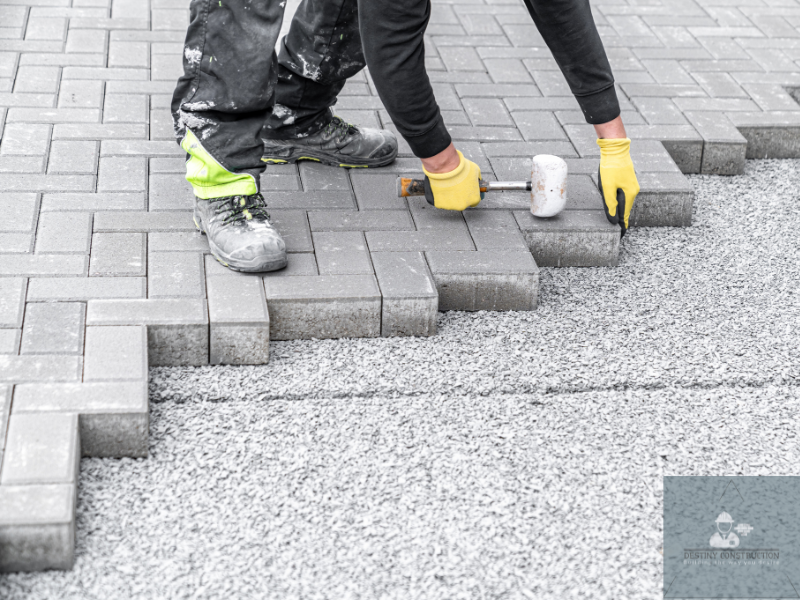
Our crews install permeable pavers with precision: graded subgrade, open-graded aggregate reservoirs, and carefully jointed pervious media that maintain consistent drain rates. We verify infiltration, stabilize edges, and select paver units matched to anticipated loads, whether for driveways, patios, or mixed-use parking lots.
Custom Eco-friendly Solutions
From retrofits to new builds, we tailor permeable paver systems to soil, slope, and stormwater management regulations. Options include pervious concrete borders, porous asphalt pavements transitions, and traditional pavers accents, ensuring installing permeable solutions fits aesthetics while delivering the benefits of permeable pavers and dependable performance over time.
Conclusion & Call to Action
Permeable pavers and their environmental benefits extend from stormwater runoff control to water quality gains and cooler pavement. A permeable paver system lets rainwater seep through the surface, infiltrate, and drain safely, helping manage stormwater and protect watersheds while enhancing durability for driveways, patios, and parking lots.
Summary of Key Environmental and Functional Benefits
Permeable pavers help reduce runoff, recharge groundwater, and filter pollutant loads for measurable water quality benefits. Compared with traditional pavement and asphalt pavement, permeable pavement surfaces allow water to pass through a pervious base, lowering flood risk, minimizing erosion, and reducing the urban heat island effect across U.S. communities.
| Feature | Benefit |
|---|---|
| Permeable pavers | Reduce runoff, recharge groundwater, filter pollutant loads |
| Pervious base | Lowers flood risk, minimizes erosion, reduces urban heat island effect |
Reinforcing Sustainable Landscaping Value
Choosing permeable paving supports environmental protection and sustainable hardscaping without sacrificing performance. Pavers allow on-site storage that can reduce the need for oversized infrastructure, delivering long-term value for the homeowner and commercial sites. The benefits of permeable pavers align with stormwater management goals and resilient landscape design.
Encouragement to Contact Destiny Landscape
Ready to install permeable pavers? Destiny Landscape designs types of permeable systems that manage stormwater, enhance water quality, and help reduce maintenance. Contact our team to plan, engineer, and install permeable pavers tailored to your site and sustainability objectives.
FAQs – Frequently Asked Questions
Are permeable pavers considered a sustainable landscaping solution?
Yes. Permeable pavers offer environmental benefits such as reduced stormwater runoff, improved water quality, and decreased heat buildup. By replacing impervious surface areas with a permeable surface, pavers help manage stormwater, filter pollutant loads, and support environmental protection in residential and commercial landscapes.
| Benefit | How It Helps |
|---|---|
| Reduced stormwater runoff | Manages stormwater by allowing water to pass through the surface |
| Improved water quality | Filters pollutant loads as water infiltrates |
| Decreased heat buildup | Supports environmental protection in built landscapes |
How do permeable pavers help prevent flooding and erosion?
Permeable pavement allows water to seep through the surface and into storage layers, slowing peak flows. This infiltration reduces stormwater runoff volume, stabilizes soils, and limits erosive velocities compared with traditional pavers or asphalt. The benefit of permeable design is less ponding, fewer washouts, and more controlled drainage.
Can permeable pavers be used in areas with heavy rainfall?
Absolutely. When engineered correctly, permeable interlocking concrete pavers and other permeable pavement systems handle intense rainwater events. Proper base depth, pervious aggregates, and overflow planning help ensure pavers drain effectively even during storms, reducing reliance on pipes and helping manage stormwater sustainably.
Do permeable pavers work with existing eco landscaping designs?
Yes. Permeable paving integrates with native plantings, bioswales, and rain gardens. Designers can blend concrete pavers borders, pervious concrete, or porous asphalt transitions so pavers help direct runoff toward landscape infiltration zones, strengthening stormwater management while preserving aesthetics and functional access for driveways and walkways.
What factors should be considered before installing permeable pavers?
Key considerations include soil infiltration rates, drainage paths, loading from vehicles, freeze-thaw conditions, and regulatory stormwater requirements. Slope, subgrade stability, and maintenance access matter too. A site assessment ensures installing permeable systems that allow water to infiltrate and deliver long-term environmental benefits and performance.
Does Destiny Landscape provide consultation for permeable paving projects?
Yes. Destiny Landscape offers consultation, design, and construction for permeable paver systems. We evaluate runoff patterns, size reservoirs, and specify paver stones or porous asphalt pavements alternatives to meet goals for a permeable driveway, patio, or parking lots, ensuring water quality benefits and reliable stormwater management.