
Caring for a lawn is more than mowing, watering, and hoping it stays green. Today’s homeowners want landscapes that are healthy, sustainable, and safe for their families—and that’s exactly where organic lawn care shines. Shifting from synthetic chemicals to natural solutions doesn’t just reduce environmental impact; it enhances soil structure, boosts biodiversity, and leads to long-lasting turf resilience.
In this comprehensive guide, we explore the key benefits of organic lawn care, why more landscaping professionals recommend it, and how it supports a beautiful and thriving outdoor environment.
What Is Organic Lawn Care?
Organic lawn care focuses on improving soil health using natural fertilizers, compost, and biological treatments instead of synthetic chemicals. Instead of forcing fast growth, organic practices encourage balanced ecosystems in the lawn—where microbes, insects, and plants work together to create stronger turf.
Organic lawn care includes:
-
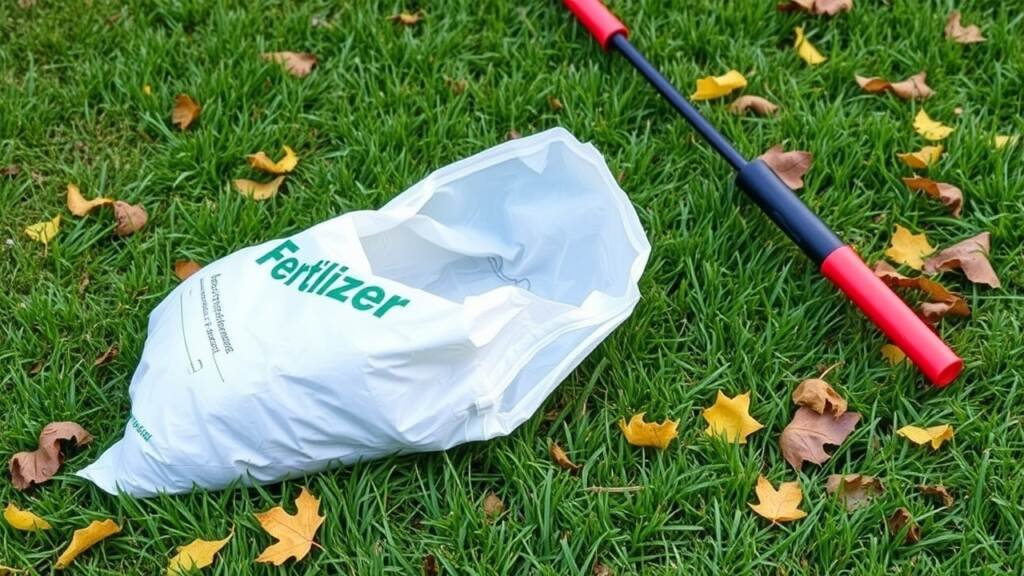
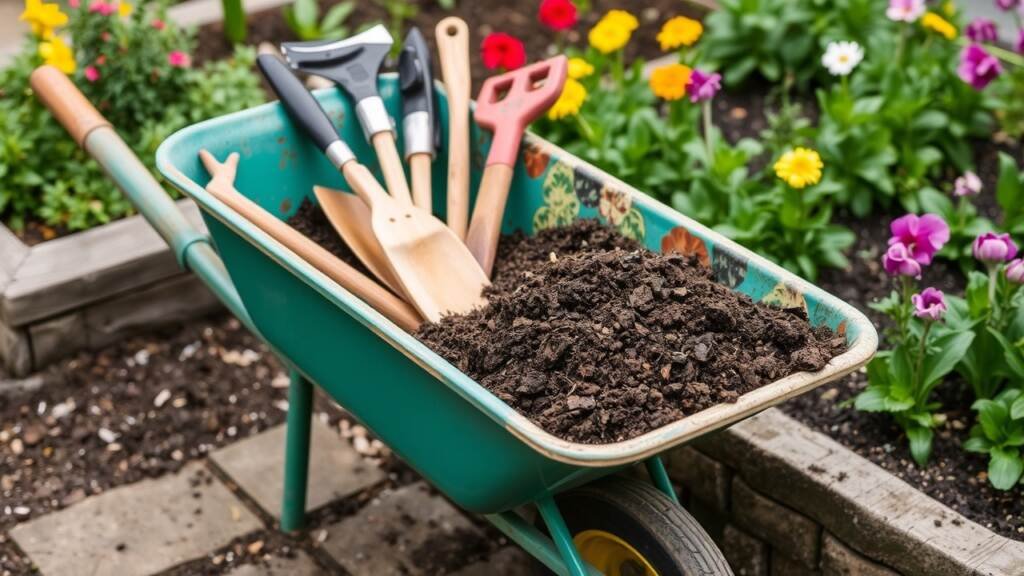
Natural slow-release fertilizers (compost, manure teas, bone meal)
-
Soil testing and amendments
-
Overseeding with resilient grass varieties
-
Integrated pest management (IPM)
-
Aeration and topdressing
The ultimate goal is to create a self-sustaining lawn that requires fewer inputs over time.
Why Homeowners Are Switching to Organic Lawn Care
Homeowners, HOAs, and commercial property managers increasingly choose organic lawn care for a mix of environmental, health, and long-term cost benefits. While synthetic products may produce quick results, organic methods build foundational soil strength that makes turf naturally vigorous.
Below are the most compelling reasons to make the switch.
1. Healthier Soil = Healthier Lawn
Soil is the engine of your landscape. Organic lawn care restores soil biology through natural nutrients that feed beneficial microbes. When the soil is alive with fungi, bacteria, and earthworms, grass roots anchor deeper and become more drought-tolerant.
Key Soil Benefits:
-
Improved soil structure for better drainage
-
Increased nutrient availability
-
Higher water retention
-
Stronger, deeper root systems
Real-World Example
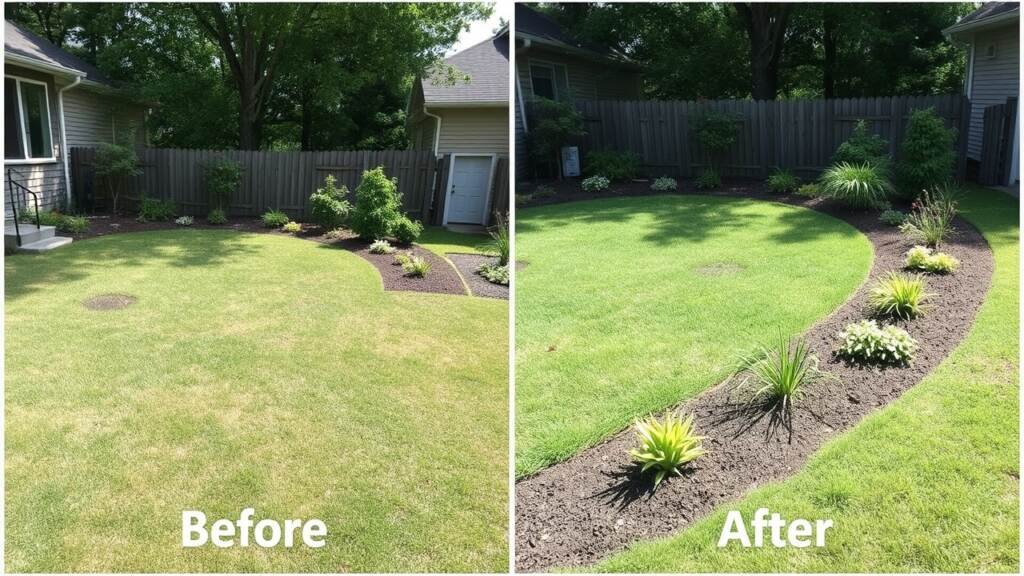
A client with compacted clay soil struggled with patchy grass year-round. By applying compost, organic fertilizer, and annual aeration, the soil transformed within one season. The lawn no longer required weekly synthetic treatments—natural biology took over, providing long-term stability.
2. Reduced Chemical Exposure for Families and Pets
Synthetic lawn products may contain harsh chemicals that linger on grass blades and soil. Organic alternatives reduce exposure to pesticides and fertilizers that can irritate skin or harm pets that spend time outdoors.
Organic Benefits for Safety:
-
No toxic runoff into play areas
-
Reduced risk to children and pets
-
Environmentally safe for pollinators
Families with outdoor-loving dogs especially appreciate that organic lawn care keeps their yard chemical-free while still maintaining lush turf.
3. Eco-Friendly and Sustainable Landscaping
Organic lawn care helps preserve surrounding ecosystems. Chemicals in traditional treatments often wash into storm drains, streams, and soil systems, affecting wildlife and water quality. Organic lawns avoid this pitfall.
Sustainability Advantages:
-
No synthetic fertilizer runoff
-
Increased biodiversity (earthworms, bees, beneficial insects)
-
Reduced carbon footprint
-
Healthier local water systems
By choosing natural materials, you’re helping your lawn—and the planet—thrive.
For those exploring larger-scale sustainable landscaping, this guide is helpful:
Landscape Construction & Landscaping in Construction
4. Lower Long-Term Costs
Although organic treatments may appear more expensive upfront, they often lead to lower maintenance costs over time. Healthy soil reduces the need for frequent fertilization, weed control, and irrigation.
Why Costs Decrease:
-
Fewer treatments needed per year
-
Less water usage due to stronger roots
-
Reduced need for pest control
-
Turf recovers more naturally from stress
A robust lawn also lowers renovation costs—no more expensive sod replacement or constant reseeding.
5. Stronger, More Resilient Grass
Organic lawn care focuses on building resilience rather than forcing fast growth. This makes turf more adaptable to environmental stressors like heat waves, drought, foot traffic, and disease.
Performance Benefits:
-
Deeper roots withstand drought
-
Better disease resistance
-
Higher tolerance to foot traffic
-
Fewer weed invasions
A naturally fortified lawn can handle seasonal challenges without chemical intervention.
6. Encourages Natural Pest and Weed Control
In an organic ecosystem, pests are managed through biological balance rather than constant spraying. Beneficial insects and microbes help keep harmful pests in check, creating a more natural equilibrium.
Organic Pest Control Methods:
-
Introducing beneficial insects (ladybugs, nematodes)
-
Using compost tea to boost microbe activity
-
Applying organic pre-emergent weed blockers (corn gluten meal)
-
Keeping turf thick to crowd out weeds
Weeds are a symptom of poor soil—not just an annoyance. Healthier soil means fewer weeds over time.
7. Improved Lawn Appearance Over Time
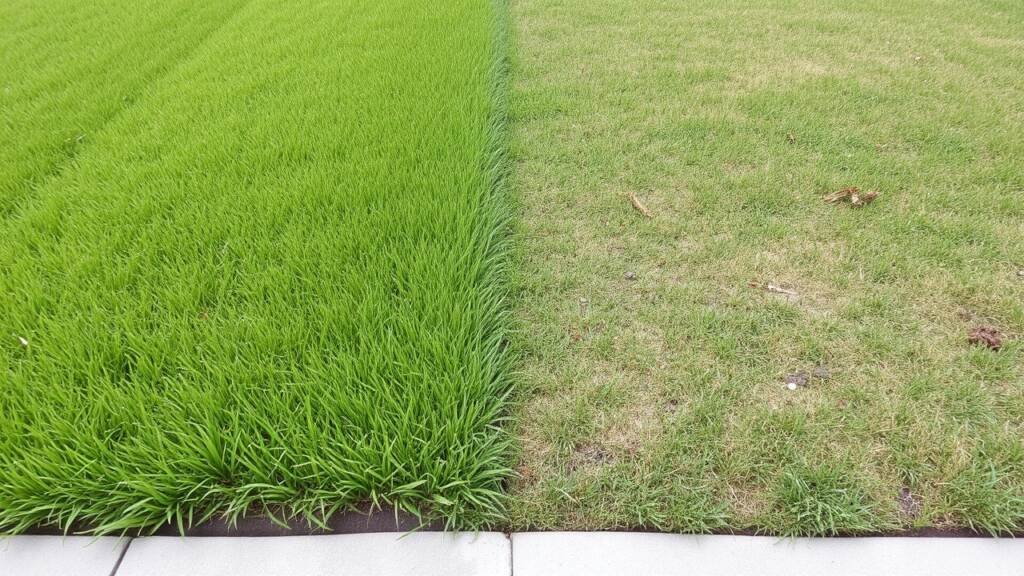
Organic lawns may not turn neon green overnight like chemically treated lawns, but their beauty lasts longer. The growth is often denser, richer in color, and more uniform due to natural nutrient cycling.
Visual Improvements:
-
Deep, natural green color
-
Even blade growth
-
Stronger texture and density
-
Reduced brown patches
The lawn becomes more stable and self-regulating with each passing season.
8. Supports Local Wildlife and Pollinators
Bees, butterflies, and birds thrive in organic environments. Without chemicals reducing their populations, pollinators can safely forage on nearby flowers, improving your garden’s productivity and beauty.
Wildlife Benefits:
-
Protection of pollinator species
-
Healthier microhabitats
-
Increased biodiversity
-
More balanced yard ecosystems
If you love backyard birds or maintain a garden, organic lawn care is the way to go.
How to Transition to Organic Lawn Care Successfully
Switching to organic lawn care is a process, not a one-time application. Here are the steps landscaping professionals often follow:
1. Conduct a Soil Test
A soil test reveals pH levels, nutrient deficiencies, and organic matter percentage.
2. Apply Organic Amendments
Amendments may include compost, lime, biochar, natural fertilizers, or humic acid.
3. Improve Soil Structure
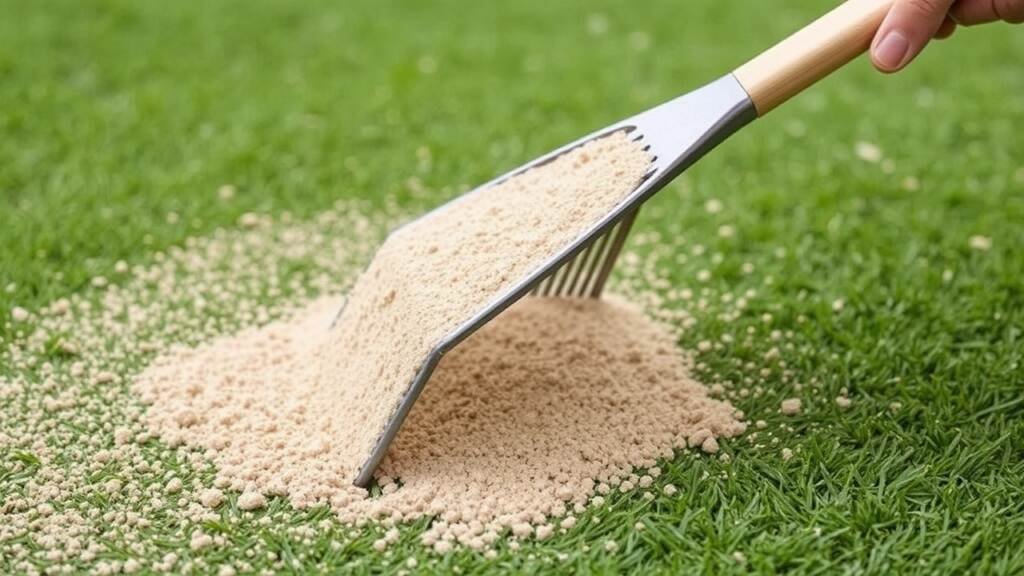
Core aeration and topdressing with compost restore airflow and microbial life.
4. Overseed with Resilient Turf Varieties
Grass types suited to your climate reduce the need for intervention.
5. Adopt Proper Mowing and Watering Techniques
Higher mowing heights and deep, infrequent watering promote root depth.
6. Use IPM (Integrated Pest Management)
Treat pests only when necessary, prioritizing non-chemical approaches.
With consistent care, a fully organic lawn can become self-sustaining within 2–3 growing seasons.
Is Organic Lawn Care Right for You?
Organic lawn care is ideal for homeowners who value sustainability, soil health, and long-term beauty. If you want a landscape that thrives naturally and supports a balanced outdoor environment, organic practices offer unmatched benefits.
Whether you’re redesigning your yard, maintaining a large estate lawn, or simply wanting safer turf for your children and pets, transitioning to organic care is a smart and future-focused investment.
FAQs
Q1: How long does it take to see results from organic lawn care?
A1: Most homeowners notice healthier soil and improved grass quality within one season. Full lawn transformation usually takes 1–3 years depending on soil conditions.
Q2: Is organic lawn care more expensive than chemical treatments?
A2: Upfront costs may be slightly higher, but long-term expenses decrease as the soil becomes self-sustaining and requires fewer products and maintenance visits.
Q3: Can organic lawn care eliminate weeds completely?
A3: It reduces weeds over time by improving soil health and thickening turf. While no method eliminates weeds 100%, organic practices drastically decrease their presence.
Q4: Is organic fertilizer strong enough to keep my lawn green?
A4: Yes. Organic fertilizers release nutrients slowly, leading to deeper color, steady growth, and stronger roots without chemical burn.
Q5: Is organic lawn care safe for pets?
A5: Absolutely. Organic products are free of harsh chemicals, making them much safer for dogs, cats, and other animals that spend time on the lawn.