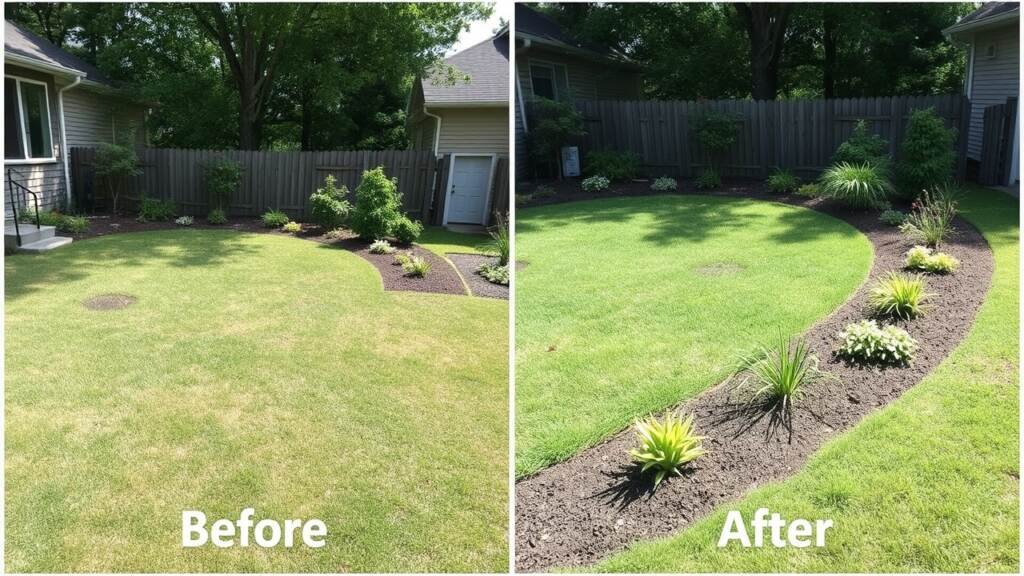
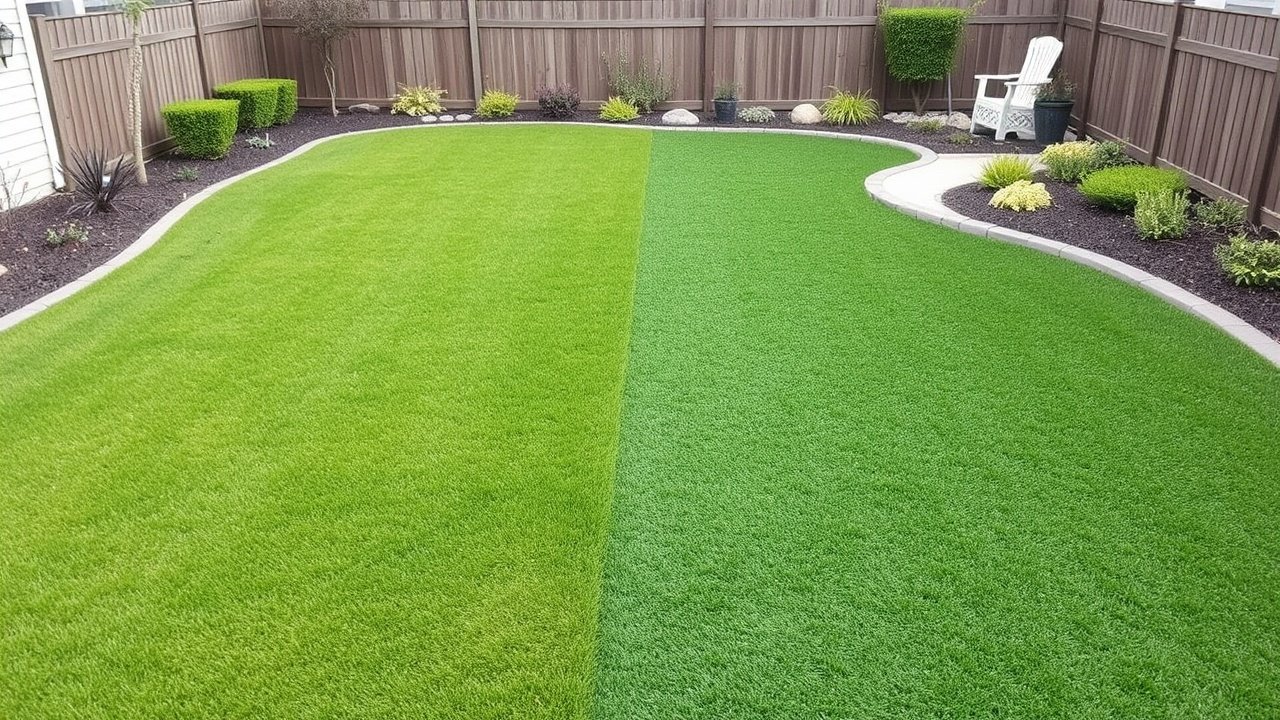
Choosing between artificial turf and natural grass for your lawn involves a significant cost comparison. This article breaks down the initial installation costs and long-term maintenance costs, helping homeowners make an informed decision.
Average Cost of Natural Sod Installation
When considering a natural lawn, understanding the costs associated with sod installation is crucial. The initial investment involves several factors, each contributing to the overall expense. Let’s delve into these components to provide a clear picture of what to expect when opting for real grass.
Sod material cost per square foot
The cost of sod, or natural grass, is typically calculated per square foot. This price can vary depending on the type of grass and its quality. High-quality sod will generally cost more, but can provide a more resilient and aesthetically pleasing lawn. The price you pay per square foot will contribute greatly to the initial cost.
Soil preparation and grading
Before laying sod, proper soil preparation is essential. This involves grading the area to ensure a level surface and amending the soil with nutrients to promote healthy grass growth. This step helps in achieving a lush, green lawn. Soil testing may also be required to know what amendments are necessary.
Labor and installation time
Labor costs for sod installation can vary depending on the size and complexity of the project. Professional installation ensures that the sod is laid correctly, minimizing the risk of future problems. The time it takes to install will influence the total cost, making efficient work valuable for any homeowner.
Ongoing maintenance expenses
Once the sod is installed, ongoing maintenance is necessary to keep the lawn healthy and attractive. This includes regular mowing, fertilizing, and watering. These annual maintenance costs can add up over time, making it important to factor them into your long-term budget for real grass.
Average Cost of Artificial Turf Installation
Artificial turf offers an alternative to natural grass, presenting a different set of cost considerations. The initial investment can be substantial, but the potential for long-term savings is a key factor for many homeowners. Let’s examine the various components that contribute to the total cost of installing artificial grass.
Artificial grass material cost per square foot
Similar to sod, artificial grass is priced per square foot. The cost can vary significantly depending on the quality of the synthetic turf and its features, such as UV resistance and realistic appearance. High-quality artificial turf can closely mimic the natural look and feel of real grass, but it comes at a higher price.
Base construction and drainage system
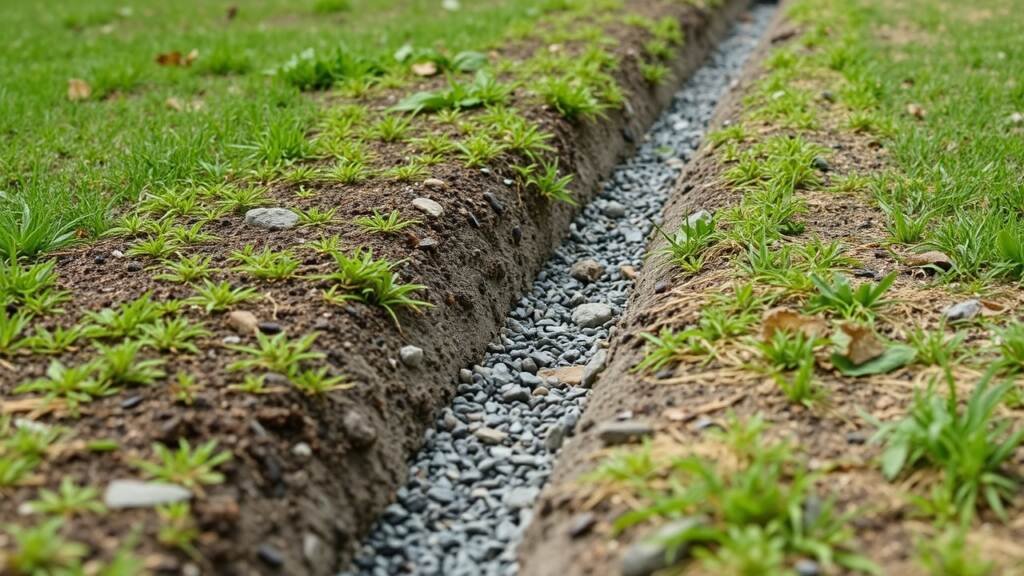
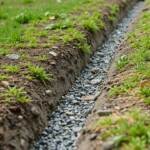
Proper base construction is essential for artificial turf installation. This involves creating a stable and well-draining foundation to prevent shifting and water accumulation. A good drainage system is crucial to avoid issues like mold and mildew, ensuring the longevity of the artificial turf.
Installation labor and complexity
Installing artificial grass can be labor-intensive, especially for larger or more complex projects. The cost of professional installation will depend on the size of the area and the intricacies of the design. While DIY installation is possible, professional help ensures a smooth and durable surface.
Long-term maintenance savings
One of the primary benefits of artificial turf is the potential for long-term maintenance savings. Unlike natural grass, artificial turf requires minimal upkeep, reducing or eliminating the need to mow, fertilize, or water. This can result in significant savings on annual maintenance costs over the lifespan of the turf.
Cost Comparison: Natural Sod vs Artificial Turf Over Time
Initial installation cost
The initial installation costs represent a significant factor in the turf vs. artificial turf and natural grass debate. Installing artificial grass often involves a higher upfront expense compared to sod. This difference accounts for materials like synthetic turf and the labor required for installing artificial grass on a prepared base. Homeowners should consider these immediate costs when making their initial choice.
Water usage and irrigation costs
Water usage is a key consideration in any lawn comparison. Natural grass requires regular irrigation to maintain a green lawn, particularly in drier climates. This leads to higher water bills and contributes to annual maintenance costs. Artificial turf, on the other hand, significantly reduces or eliminates the need for watering, offering long-term savings and making it ideal for water-conscious homeowners.
Maintenance, repairs, and replacements
Maintenance costs associated with each option vary considerably. Real grass necessitates regular mowing, fertilize application, and potential repairs due to wear and tear, which adds to annual maintenance costs. Artificial turf is low maintenance, needing only occasional cleaning and infrequent repairs, leading to lower long-term cost for homeowners.
5–10 year total cost ownership comparison
When assessing the 5–10 year total cost of ownership, it is important to consider all expenses. While sod may have a lower initial cost, the accumulated maintenance costs, including watering, mowing, and fertilizing, can surpass the initial investment of artificial turf over time. This long-term cost comparison helps homeowners understand the true financial implications of their choice.
Pros and Cons of Natural Sod and Artificial Turf
Climate suitability
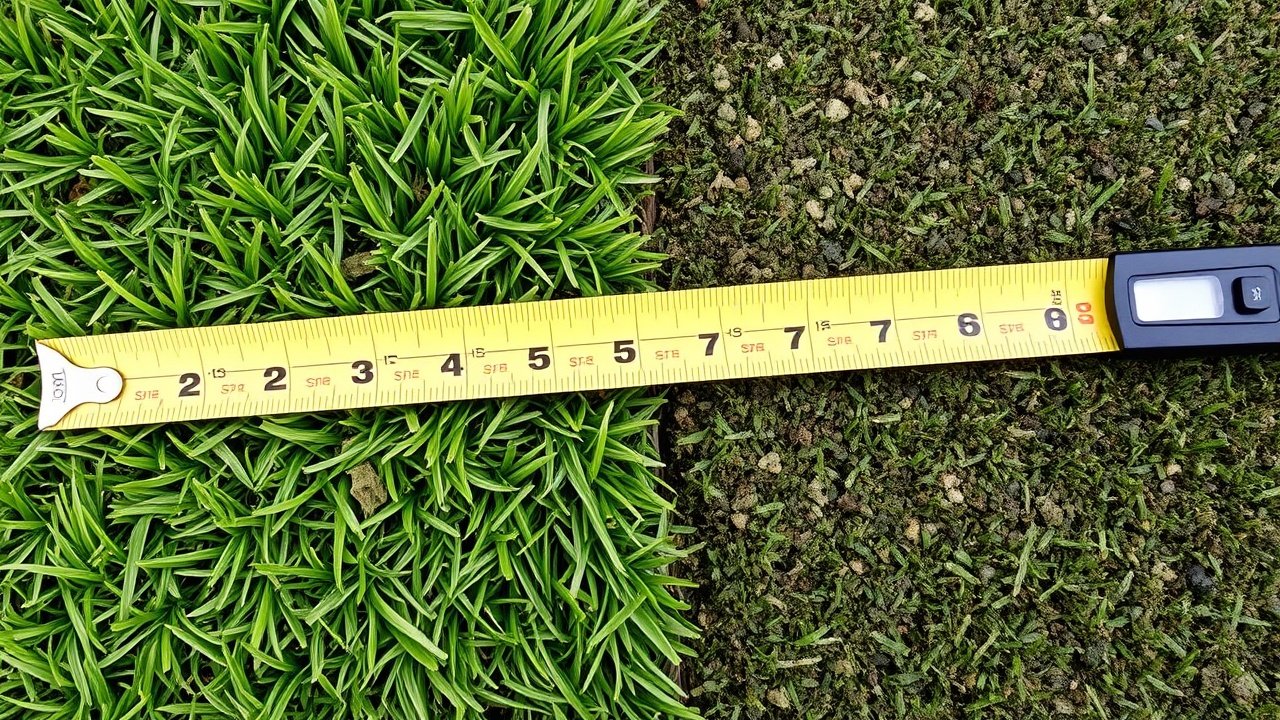
Climate suitability plays a crucial role in determining which option is best for your lawn. Natural grass thrives in moderate climates with sufficient rainfall, while artificial turf can withstand extreme weather conditions. Homeowners in drought-prone regions may find artificial grass to be more practical. High-quality artificial turf can handle extreme temperatures.
Appearance and feel
Appearance and feel are subjective but important factors. Many homeowners appreciate the natural look and feel of real grass. High-quality artificial grass, however, has advanced to closely mimic the natural look, offering a visually appealing alternative with a consistent green appearance. This synthetic grass provides a maintained look for the homeowner.
Environmental considerations
Environmental considerations are increasingly important. Natural grass helps absorb carbon dioxide and supports local ecosystems, but requires resources like water and fertilizers. Artificial turf conserves water and eliminates the need for chemical treatments, but is made from synthetic materials, which must be recycled properly. Choosing between artificial turf vs. natural should involve weighing these factors.
Durability and lifespan
Durability and lifespan are key factors to consider. Natural grass has a lifespan that depends on maintenance and climate, requiring potential reseeding or replacement. Artificial turf, with proper installation, can last 10-15 years, offering a durable and long-lasting surface. Homeowners looking for longevity may prefer artificial grass requires minimal upkeep to maintain.
Which Option Is Better for Your Lawn?
Family homes
For family homes, the choice between artificial turf vs. natural grass often depends on the level of activity and the importance of a natural feel. Natural grass offers a soft, inviting surface for children to play on, and many homeowners appreciate its aesthetic appeal. However, the maintenance costs can be considerable, especially with heavy use, necessitating regular mowing, fertilizing, and watering to maintain a healthy, green lawn, which adds to the annual maintenance. In contrast, high-quality artificial turf provides a durable, low maintenance surface that can withstand high-traffic and continuous activity.
Pet-friendly yards
In pet-friendly yards, durability and ease of cleaning are paramount. Natural grass can quickly deteriorate from pet waste and digging, requiring frequent reseeding and maintenance. Artificial turf provides a resilient surface that is easy to clean and disinfect. This artificial grass helps prevent the buildup of odors and reduces the risk of pets ingesting harmful chemicals from fertilizers or pesticides. When choosing between artificial turf and natural, pet owners will appreciate the long-term cost savings of artificial grass in terms of reduced maintenance costs.
High-traffic areas
High-traffic areas benefit significantly from the installation costs and durability of artificial turf. Natural grass struggles to survive under constant foot traffic, leading to bare spots and soil compaction. Artificial turf, on the other hand, maintains its appearance and functionality regardless of the intensity of use. This makes artificial grass an ideal solution for playgrounds, sports fields, and other areas where heavy wear and tear are expected. The long-term cost comparison favors artificial turf for these types of applications, due to low maintenance needs.
Drought-prone regions
For drought-prone regions, the choice between turf vs grass is often clear. Natural grass requires significant water to stay green, making it an unsustainable choice in areas with limited rainfall. Artificial turf eliminates the need for watering, conserving precious resources and reducing water bills. This makes artificial turf a responsible and cost-effective option for homeowners in arid climates. The reduced annual maintenance costs associated with artificial turf can offset the initial cost and the need for green lawn in drought conditions.
Frequently Asked Questions (FAQs)
Is natural sod cheaper than artificial turf?
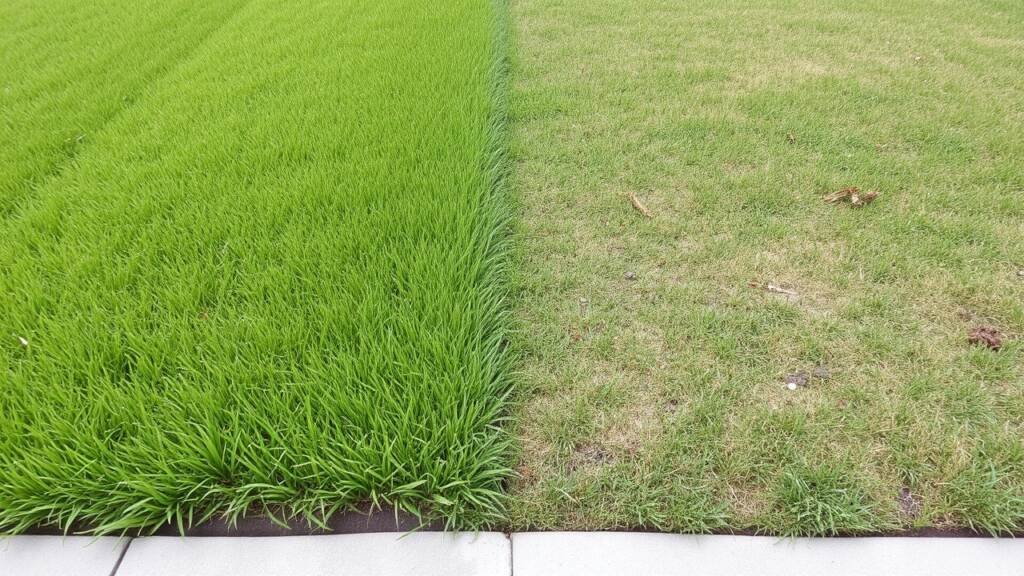
The initial cost comparison reveals that installing natural sod is typically cheaper upfront than artificial turf. However, this doesn’t account for long-term expenses. Over time, natural grass incurs ongoing costs for watering, mowing, and fertilizing, which add to the annual maintenance costs. Artificial turf involves a higher initial investment but significantly reduces or eliminates these recurring expenses, potentially making it more cost-effective in the long run. High-quality artificial turf also helps the homeowner.
How long does artificial turf last compared to natural sod?
Artificial turf is known for its durability, with a lifespan typically ranging from 10 to 15 years, depending on the quality of the synthetic turf and the amount of traffic it endures. Natural grass, on the other hand, may need reseeding or replacement every few years, particularly in high-traffic areas or harsh climates. Homeowners choosing between artificial turf and natural should factor in the replacement cycles when assessing the overall cost of ownership. The high-quality artificial turf typically lasts longer and is also a low maintenance decision.
Does artificial turf increase property value?
Whether artificial turf increases property value depends on several factors. In regions where water conservation is highly valued, artificial turf may be seen as a desirable feature that reduces annual maintenance costs. Additionally, a well-installed, high-quality artificial grass can enhance a home’s curb appeal. However, in areas where natural grass is preferred, some buyers may view it as a less attractive option, potentially affecting property value. When choosing between artificial turf and natural, location plays a crucial role.
Which option requires less maintenance?
Artificial turf stands out as the clear winner in terms of requiring low maintenance. Natural grass demands regular mowing, fertilizing, watering, and pest control to maintain a healthy, green lawn. Artificial turf eliminates the need for these tasks, requiring only occasional cleaning to remove debris. This results in significant time and cost savings for homeowners, making it an attractive option for those seeking a hassle-free lawn solution. The long-term cost for maintaining artificial is almost none.
Can artificial turf overheat in summer?
Yes, artificial turf can get hotter than natural grass in direct sunlight, especially during the summer months. However, there are ways to mitigate this issue. Some artificial turf products are designed with heat-reflective technology, which reduces surface temperatures. Additionally, homeowners can lightly water the turf on hot days to cool it down. Choosing between artificial turf and natural involves weighing the benefits against potential heat concerns, but artificial grass requires minimal upkeep to maintain.
- Landscaping Services List: Lawn Care Service to Offer Customers
- Core Aeration vs Spike Aeration: Which Lawn Aeration Method Should You Choose?
- Landscape a Slope: Backyard & Hillside Garden Design Ideas
- Affordable grass installation near me in 2026
- How Major Stadiums in the U.S. Maintain Lush, Healthy Lawns Year-Round