Transform your yard into a vibrant ecosystem by incorporating native plants. This guide explores the numerous benefits of using native species in your home landscape and wildlife planting projects. Discover how these plants support local wildlife, enhance biodiversity, and create stunning outdoor spaces that thrive in U.S. climates.
Understanding Native Plants

Definition of Native Plants
A native plant is a species that occurs naturally in a particular region, ecosystem, or habitat without direct or indirect human introduction. These plants have evolved over thousands of years, adapting to local climate and soil conditions. Consequently, native plants provide essential food and shelter for native wildlife, insects, and pollinators.
Importance of Native Plants in Landscaping
Incorporating native plants into your landscape offers many ecological benefits. Native vegetation supports local biodiversity and helps maintain healthy plant communities. These plants are well-suited to the climate and soil type, often requiring less water and fertilizer than non-native horticultural varieties. Integrating them creates a self-sustaining ecosystem.
Benefits to Local Wildlife
Native plants are crucial for supporting local wildlife, including many birds, butterflies, and bees. These plants serve as a nectar source, larval host, and provide food and shelter for insects, mammals, and other animals. By planting native species, you contribute to the health of the local ecosystem and the conservation of biodiversity within urban environments.
Choosing the Right Native Shrubs
Popular Native Shrubs for U.S. Landscapes
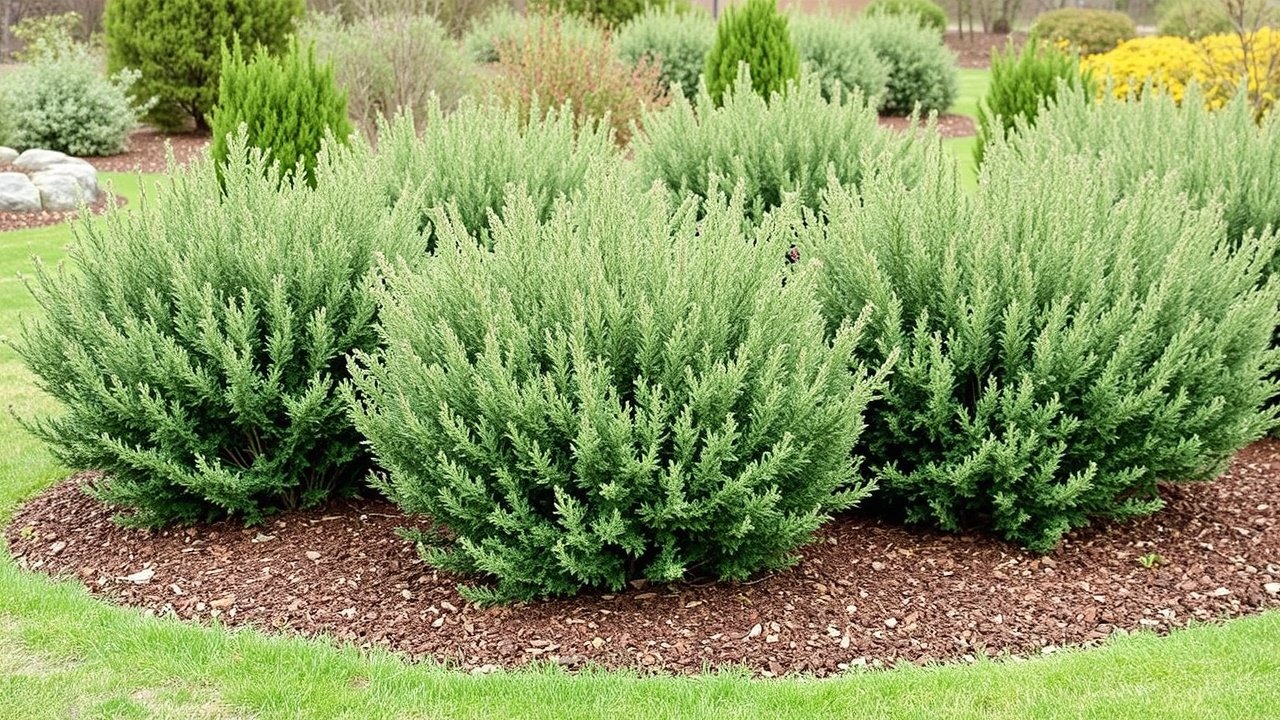
Selecting the right native shrubs for your home landscape enhances its beauty and supports local wildlife. Consider the native plants to your region, such as the aromatic Sumac, or perhaps a native species of Cedar, known for its evergreen foliage. These native species not only thrive in local soil type and soil conditions, but also offer food and shelter to many birds and insects, thus contributing to biodiversity.
Care and Maintenance of Native Shrubs
Proper care ensures your native shrubs flourish, supporting your local ecosystem. Most native shrubs are low-maintenance, but regular watering during dry spells, especially in the U.S. climate, is essential. Mulching helps retain moisture and suppress weeds. Pruning should be done sparingly to maintain their natural shape and encourage bloom, enhancing the landscape.
Impact on Biodiversity
Planting native shrubs significantly impacts biodiversity in urban environments. These shrubs serve as a nectar source for pollinators and a larval host for butterfly and insect species. By choosing native plants to your area, you support the intricate web of life that relies on these species. This creates a healthier and more resilient plant communities, thus increasing the ecological benefits to your home landscape.
Incorporating Small Trees into Your Landscape
Best Small Trees for Wildlife and Aesthetics
Integrating small tree varieties into your landscape can enhance both aesthetics and wildlife support. Dogwoods (genus Cornus) are known for their showy spring flowers and red berries, which attract butterflies and many birds. Serviceberries (Amelanchier) offer early spring flower displays, edible fruits, and beautiful fall foliage. Many native cultivar options are available to suit different soil types and preferences, which supports biodiversity.
Planting and Caring for Small Trees
Proper planting techniques are crucial for the success of small tree. Choose a location with full sun or partial shade, depending on the native species. Ensure the soil is well-drained to prevent root rot. Water regularly, especially during the first year, to establish a strong root system. Mulching helps retain moisture and suppress weeds. Pruning should be done to remove dead or diseased branches, which can help plants thrive.
Creating a Layered Landscape with Small Trees
Utilizing small tree in a layered landscape design adds depth and visual interest. Plant taller trees as a backdrop, with shrubs and perennial flower in the foreground. This approach not only enhances the aesthetics but also creates diverse habitats for wildlife. Groundcovers like the native plant wildflower can fill in the spaces between plants, suppressing weeds and adding vegetation, turning your yard into a supportive ecosystem.
Enhancing Biodiversity with Native Plants
Strategies for Promoting Biodiversity
Promoting biodiversity in your home landscape involves thoughtful planning and the strategic planting of native plants. Focus on creating a diverse habitat that supports a wide range of wildlife, from pollinators to birds and small mammals. Incorporate a variety of native plant species that offer food and shelter throughout the year, ensuring a thriving ecosystem.
Creating Habitat for Pollinators
To create a haven for pollinators, select flower rich native plants that serve as a nectar source and provide food and shelter. Attract butterflies, bees, and hummingbird with vibrant blooms during the early spring, late-summer, and fall and winter. Consider planting perennial that act as a larval host for various butterfly and insect larva to enhance biodiversity.
Integrating Native Plants into Existing Landscapes
Integrating native plants into existing landscapes can revitalize urban environments and enhance the overall health of your yard. Start by assessing your soil conditions and identifying native plants that are well-suited to your soil type. Gradually replace non-native horticultural varieties with native species to create a sustainable and ecologically balanced home landscape.
Native Plant Horticulture Practices
Native Plant Propagation Techniques
Mastering native plant propagation techniques allows you to expand your collection and share these valuable species with others. Propagation methods include seed starting, cuttings, and division, each suited to different plant communities. Pay attention to the specific needs of each genus and cultivar to ensure successful propagation and healthy vegetation.
Common Challenges in Native Plant Horticulture
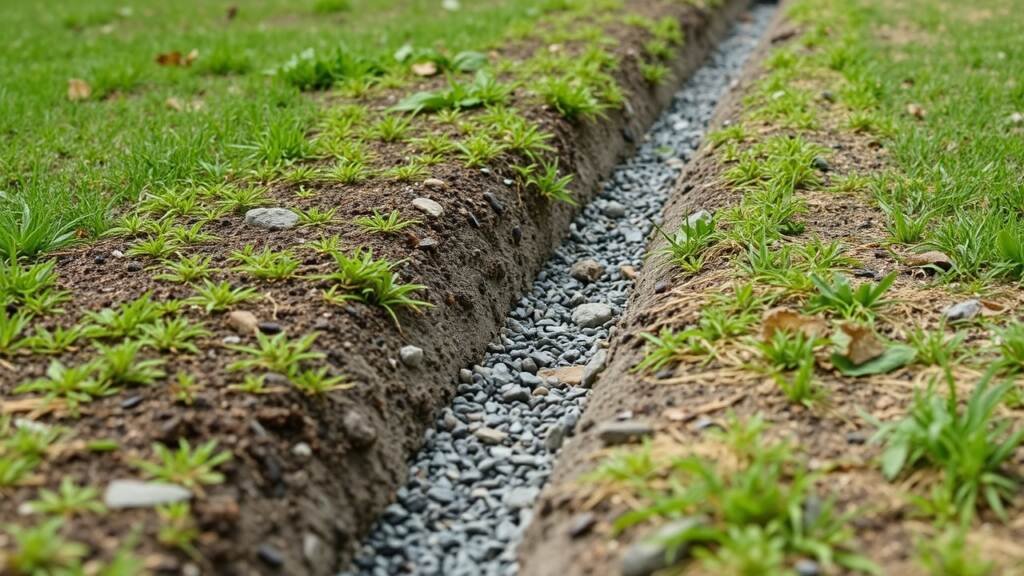
While native plant horticulture offers many rewards, it also presents unique challenges. Common issues include pest management, disease prevention, and ensuring proper drainage in various soil conditions. Understanding these challenges and implementing appropriate solutions will help you maintain a thriving and resilient home landscape.
Resources for Native Plant Enthusiasts
Numerous resources are available for native plant enthusiasts, from local botanic gardens and nurseries to online databases and native plants provide organizations. Utilize these resources to learn more about native plants to your region, best planting practices, and how to support wildlife conservation efforts in your ecosystem. For example, consider visiting a cedar swamp or a wildflower reserve to see plants thrive in their natural environment.