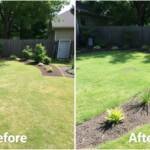
Is your lawn looking a little worse for wear? Are you noticing a spongy layer when you walk on it? You might have a thatch problem. Don’t worry, Destiny Landscape is here to help! We specialize in comprehensive lawn care, and understanding thatch is a key part of maintaining a healthy and vibrant lawn. Let’s dive in and learn how to manage it effectively.
Understanding Thatch and Its Impact on Your Lawn
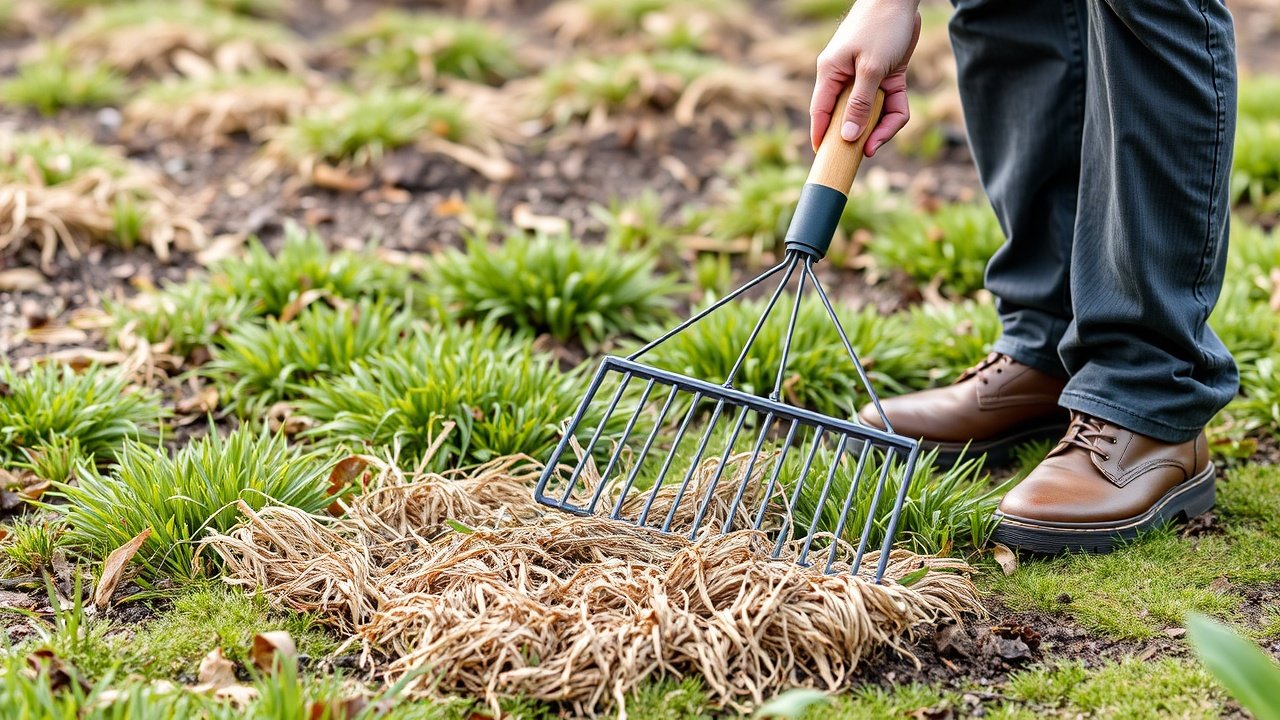
Let’s get down to brass tacks and talk about thatch! So, what exactly is thatch, and why should you care? Well, a little bit of thatch is normal, but too much can cause big problems for your lawn. We’ll explore what it is, how to spot it, and why it matters for your soil’s well-being. Understanding is the first step to a healthier lawn!
What is Thatch?
Thatch isn’t just dead grass; it’s a layer of living and dead organic matter that accumulates between the green vegetation and the soil surface. This layer of thatch is primarily composed of stems, clippings, and roots that decompose slower than they are produced. Ideally, microorganisms in the soil break down this organic matter, but sometimes this process slows down, leading to thatch buildup.
Identifying Thatch in Your Lawn
Identifying thatch in your lawn is pretty simple. Just get down on your hands and knees and take a peek! If you see a dense, spongy layer above the soil surface, you’ve likely got a thatch problem. A thin layer of thatch (less than half an inch) is usually fine, but anything thicker than that can prevent water and nutrients from reaching the root system, leading to a stressed and unhealthy lawn.
The Role of Thatch in Soil Health
While excessive thatch can harm your lawn, a thin layer of thatch actually plays a beneficial role in soil health. A thin layer of thatch can help retain soil moisture, insulate the soil, and even protect the crown of the grass plants. However, when the amount of thatch becomes excessive, it can prevent air and water from reaching the soil, leading to soil compaction and hindering healthy root growth.
Causes of Thatch Buildup
So, what causes thatch to build up to problematic levels? There are several factors that can contribute to thatch buildup. From lawn care practices to soil conditions, let’s explore the common culprits behind excessive thatch and learn how to prevent thatch. This will help you keep your lawn looking its best. By understanding the causes, you can take proactive steps to maintain a healthy lawn.
Excessive Thatch: Signs and Symptoms
Excessive thatch can manifest in various ways, indicating something isn’t quite right with your lawn. You might observe several telltale signs, such as:
- A spongy feel when walking on the lawn
- Increased pest and disease problems
- Poor water penetration
- A general decline in the health of your grass
Identifying these issues early is key to effective thatch management and a healthier lawn.
Common Factors Contributing to Thatch Accumulation
Several factors can contribute to thatch buildup. These factors include:
- Over-fertilizing your lawn
- Using pesticides that kill beneficial microorganisms
- Soil compaction
In addition, certain types of grass produce more thatch than others. Poor lawn care practices, such as infrequent mowing or leaving long clippings on the lawn, can also contribute to thatch formation. Understanding these factors is key to preventing thatch.
How Soil Health Affects Thatch Formation
Soil health plays a crucial role in thatch development. Healthy soil contains a thriving community of microorganisms that help decompose organic matter, preventing thatch from accumulating. However, compacted soil, poor drainage, or an imbalance in soil pH can inhibit microbial activity, leading to a slower breakdown of thatch. A soil test can help determine the overall health of your soil and identify any deficiencies that may be contributing to thatch problems.
Managing Thatch: Best Practices
Preventing Thatch in Your Lawn
Here’s how to prevent thatch from becoming a problem: focus on good lawn care practices. Several key steps can make a significant difference:
- Regular aeration helps to alleviate soil compaction, encouraging the activity of beneficial microorganisms that decompose organic matter.
- Avoid over-fertilizing, as excessive fertilizer can contribute to thatch buildup.
By keeping your lawn healthy using these and other good practices, you naturally reduce thatch issues, promoting a healthier lawn and vibrant soil.
Effective Thatch Removal Techniques
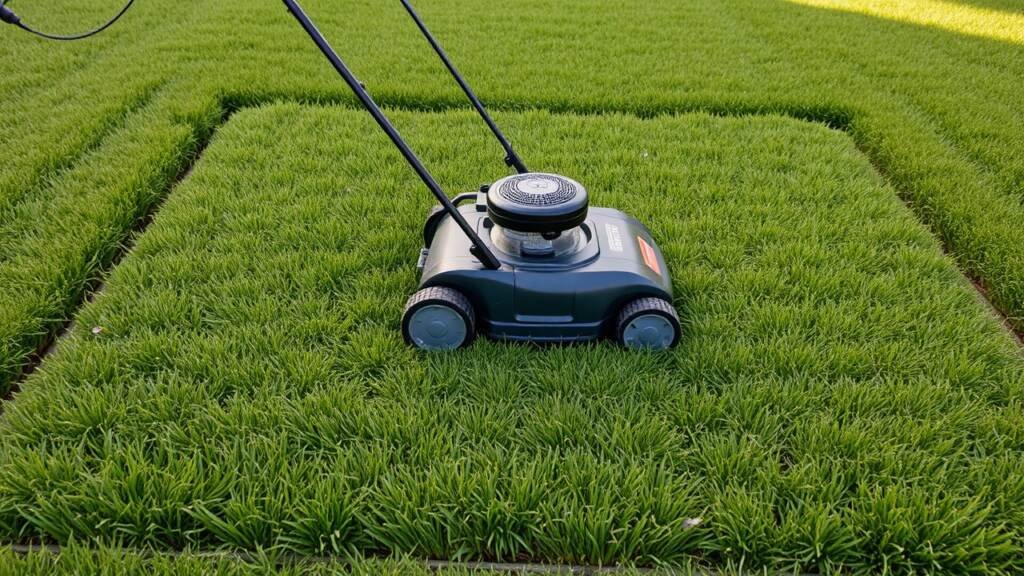
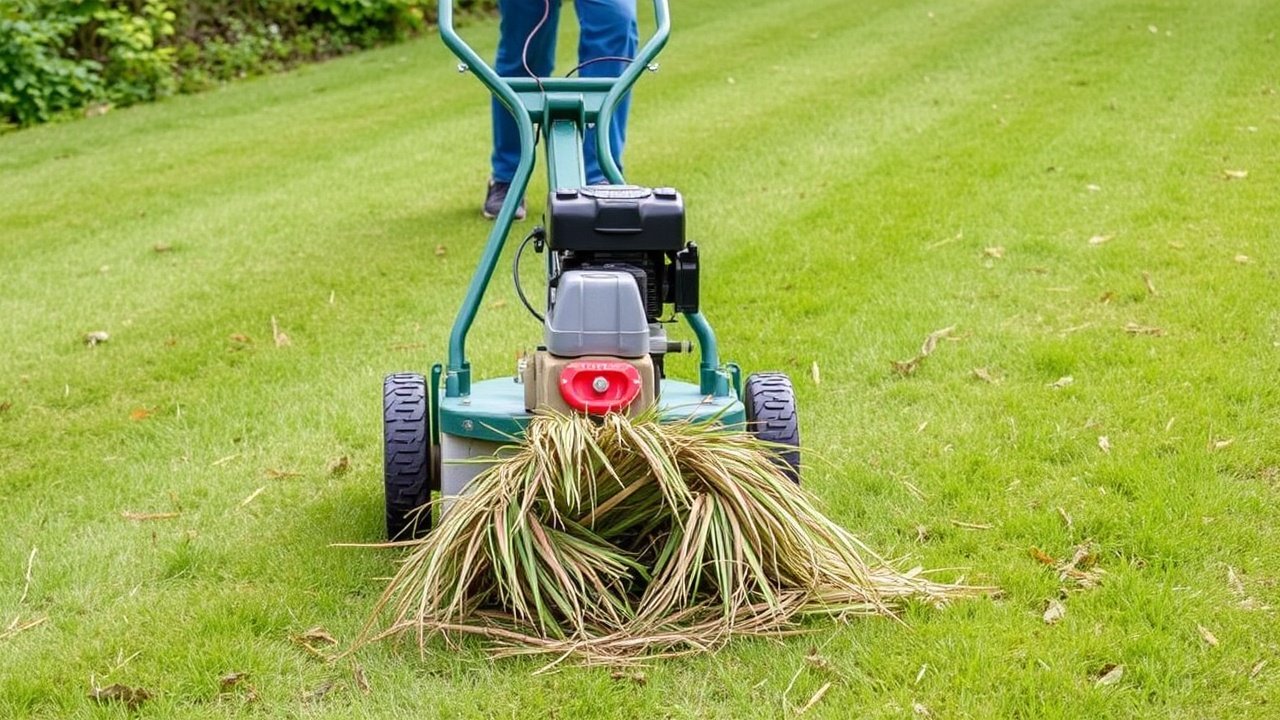
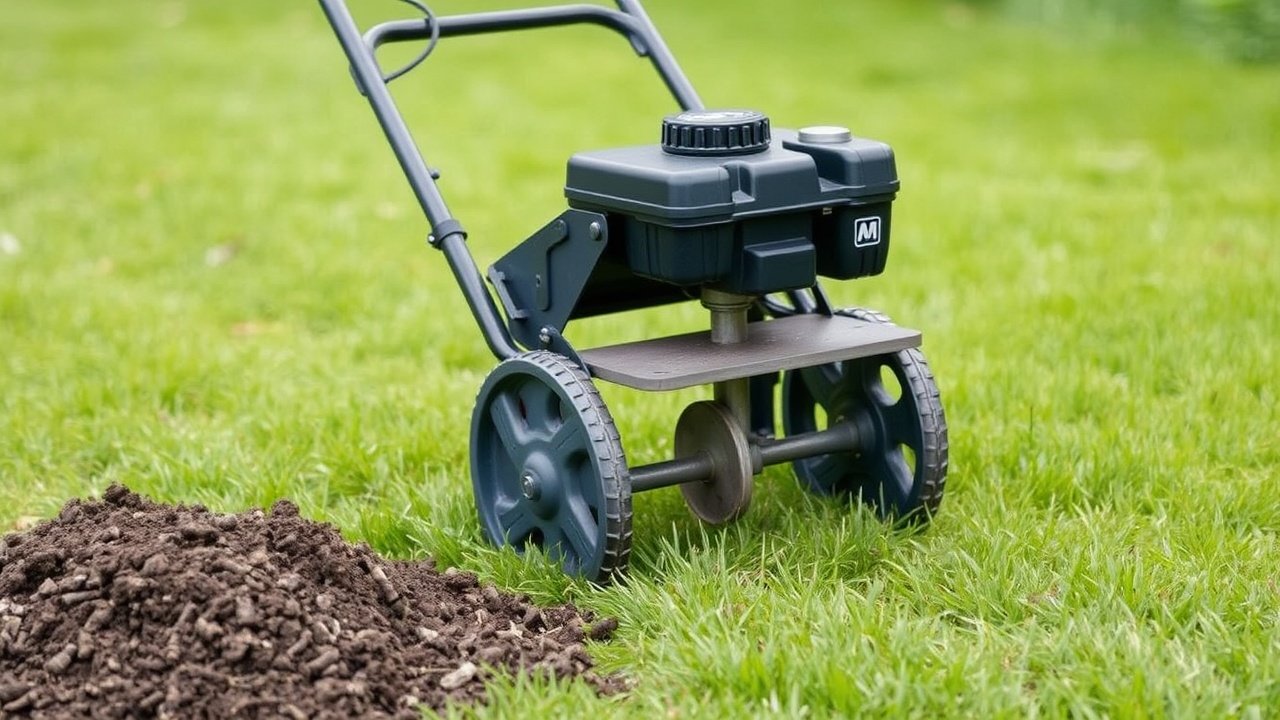
When thatch becomes excessive, it’s time to take action with effective thatch removal techniques. Dethatching can be done manually with a rake or using a vertical mower for larger areas. Aerification and core aeration are also valuable, improving soil conditions and allowing better water and nutrient penetration. Removing the thatch improves soil health and the overall condition of the lawn.
Dethatching: When and How to Do It
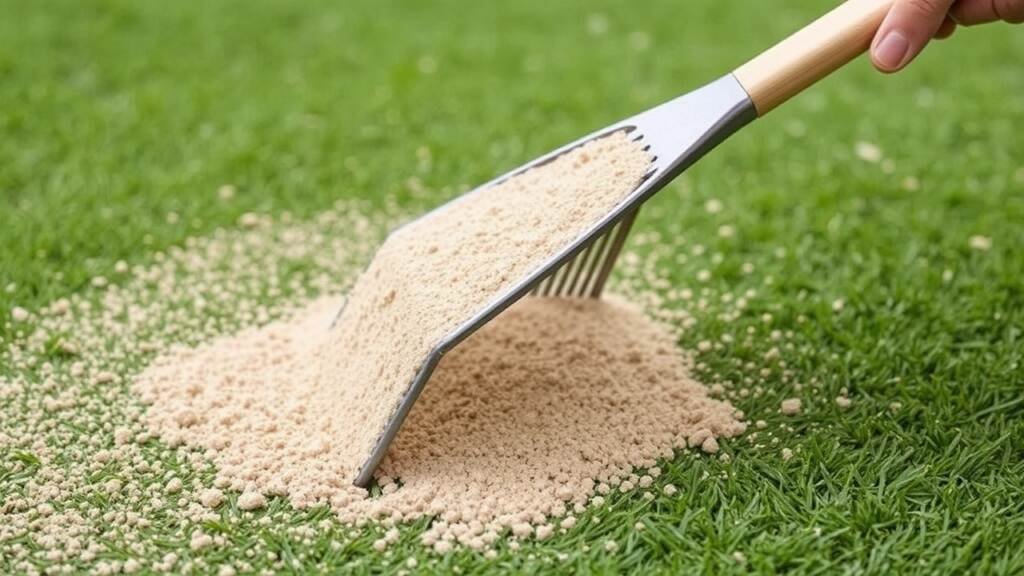
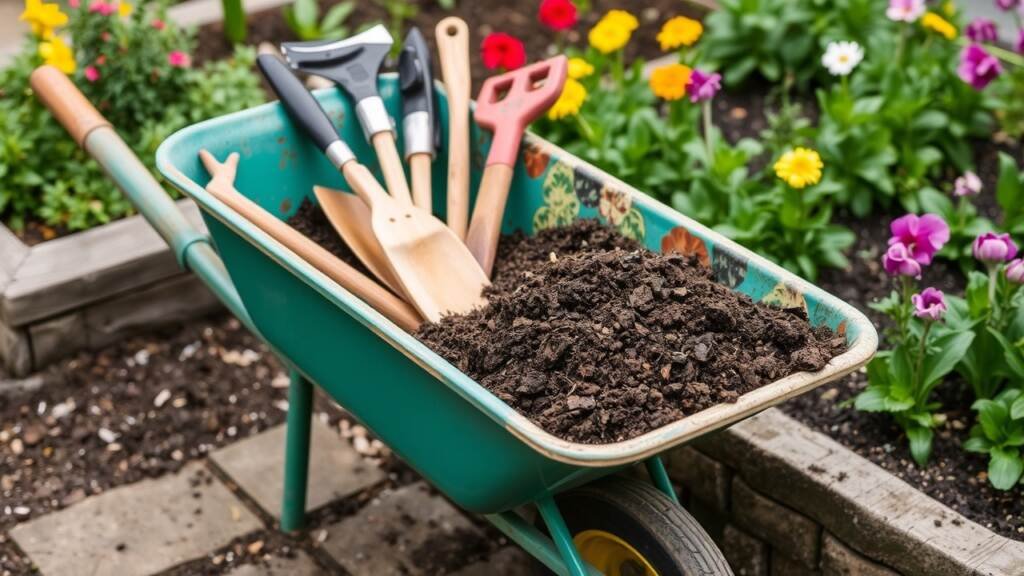
Knowing when and how to do dethatching is crucial for effective thatch management. Dethatching is best done when the lawn is actively growing, typically in the fall or early spring. Use a dethatching rake or vertical mower to remove the thatch layer. Be thorough but gentle to avoid damaging the healthy lawn. After dethatching, consider adding compost to improve soil health and promote new growth, making it a healthier lawn.
Maintaining a Healthy Lawn After Thatch Management
Tips for Ongoing Thatch Control
Maintaining a healthy lawn after thatch removal requires ongoing thatch control. Continue regular aeration and avoid over-fertilizing. Proper mowing techniques, like leaving short clippings, can also help prevent thatch buildup. Monitor your soil conditions regularly, and consider using organic lawn care products to support healthy microbial activity. This maintains a healthier lawn and prevents future thatch problems.
Improving Soil Health Post-Dethatching
Improving soil health post-dethatching is crucial for long-term lawn health. After you remove the thatch, aerate the lawn to alleviate soil compaction. Amend the soil with compost to improve its structure and fertility. A soil test can help you determine any nutrient deficiencies that need to be addressed. By improving soil conditions, you encourage a healthier root system and reduce the likelihood of thatch buildup.
Regular Lawn Maintenance Practices
Regular lawn maintenance practices are key to preventing excessive thatch and maintaining a healthy lawn. This includes proper watering, mowing, and fertilization. Avoid using pesticides that can harm beneficial microorganisms in the soil. Regularly aerate your lawn to promote healthy soil conditions. By following these practices, you can effectively manage thatch and keep your lawn looking its best, preventing thatch buildup.
Case Studies: Successful Thatch Management
Residential Lawn Transformation
One of our clients had severely compacted soil, with a thick thatch layer inhibiting grass growth. Through core aeration and dethatching using a vertical mower, we removed excessive thatch. We then amended the soil with compost, promoting the growth of microorganisms. Regular lawn care practices now ensure the soil stays healthy, the lawn flourishes, and that thatch buildup is kept under control, contributing to a healthier lawn.
Commercial Landscape Improvement
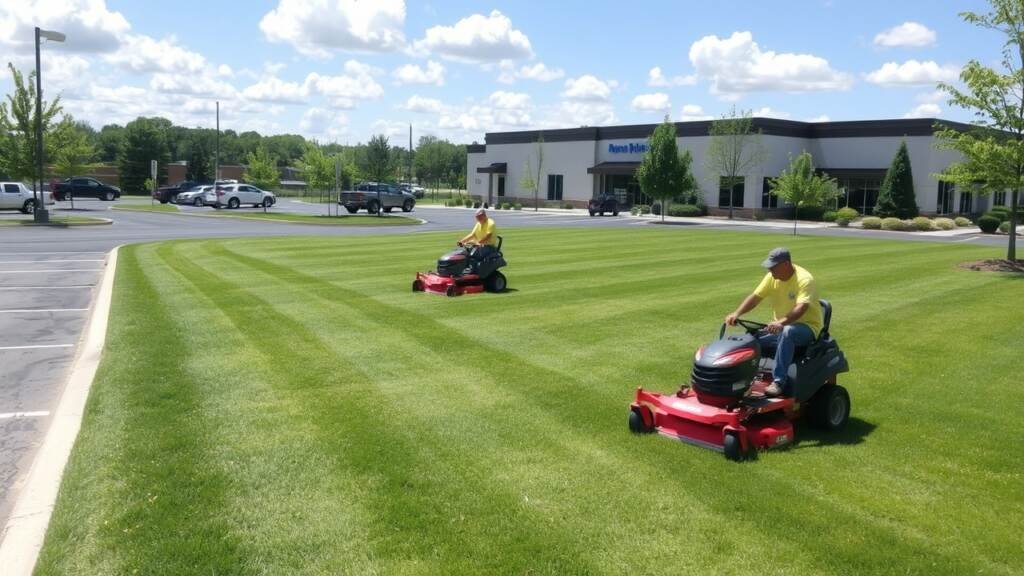
A commercial property struggled with poor drainage due to thatch that accumulated from years of neglect. We implemented a comprehensive thatch management plan, which included aerification and the application of organic matter to the soil surface. The result was improved soil health, reduced soil compaction, and a vibrant, healthy lawn that enhanced the property’s curb appeal. This helped to remove the thatch and kept further thatch problems at bay.
Lessons Learned from Thatch Management Projects
Our experience shows that identifying thatch in your lawn and implementing proactive thatch control is key. Ignoring the issue leads to excessive thatch and compacted soil. Regular aeration, proper lawn care practices, and avoiding excessive fertilizer are essential. A soil test can identify underlying soil conditions contributing to thatch buildup. Ultimately, consistent thatch management leads to a healthier lawn and prevents future problems. Remember, a thin layer of thatch is usually beneficial.
Conclusion and Call to Action
Contact Us for Expert Thatch Management Services
Don’t let thatch problems ruin your lawn. Excessive thatch can suffocate your grass, leading to thin, unhealthy turf. Our team at Destiny Landscape specializes in diagnosing and treating thatch issues, from simple dethatching to comprehensive soil amendment strategies. We can help you remove the thatch, restore the balance of your soil, and achieve a vibrant, healthy lawn that you’ll be proud of.
View Our Lawn Care Portfolio
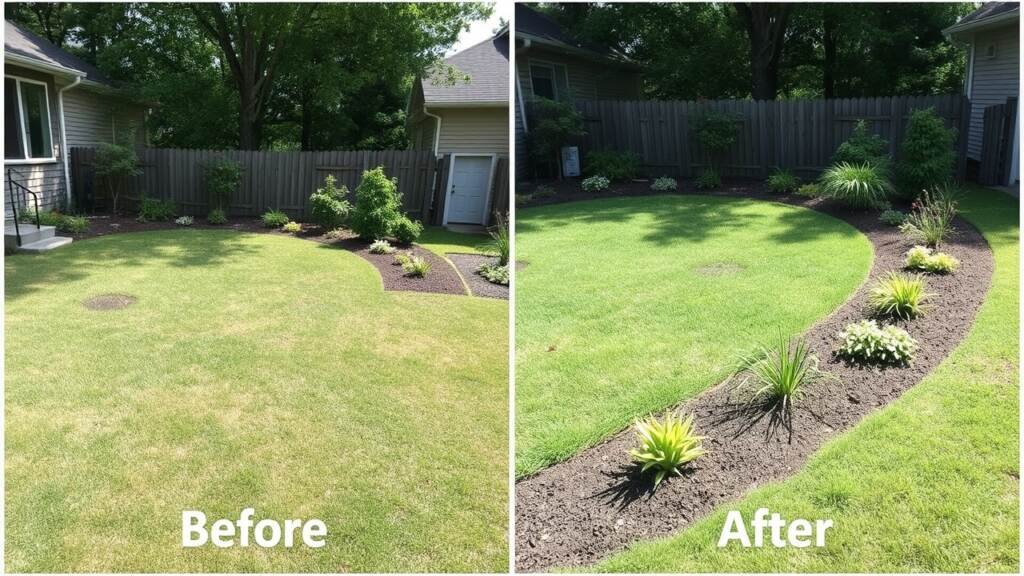
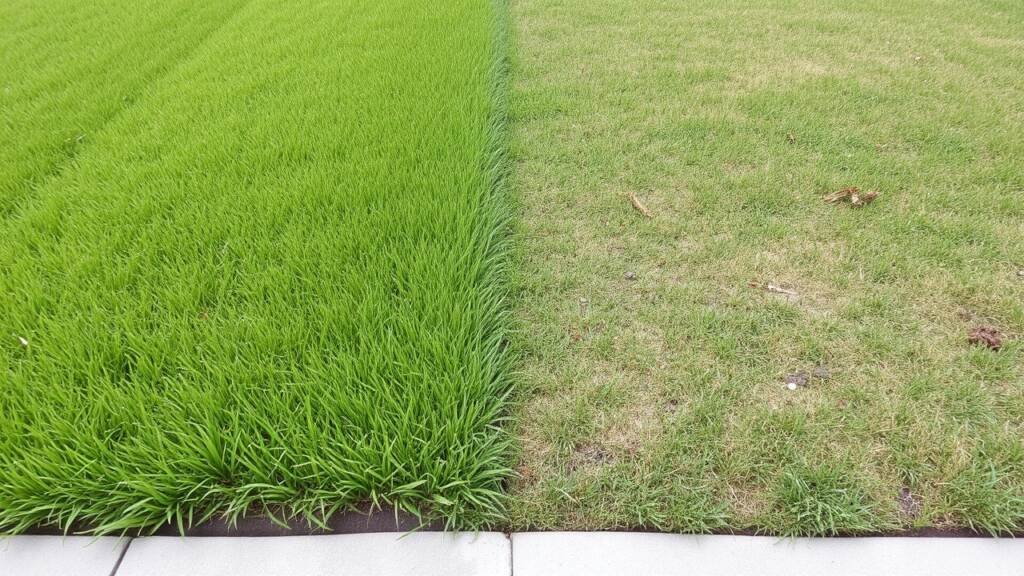
Want to see how we’ve helped other homeowners achieve lush, green lawns? Check out our lawn care portfolio for examples of our successful thatch management projects. From removing thatch to improving soil health, we have the expertise to transform your lawn. We’re proud of our work and confident that we can deliver exceptional results for your property, ensuring a healthier lawn. The photos show we can control thatch.
Request a Free Consultation Today
Ready to take the first step towards a healthier lawn? Contact Destiny Landscape today for a free consultation! We’ll assess your lawn’s condition, identify any thatch issues, and recommend a customized thatch management plan to address your specific needs. Don’t wait – a beautiful, healthy lawn is just a phone call away. Let us help you control thatch and make sure your lawn is in top condition, with a healthy soil!