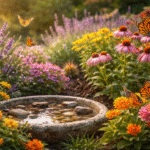
Embark on a journey to brighten your garden and home with the radiant charm of yellow roses. This guide unveils the secrets to cultivating low-maintenance roses, ensuring your garden thrives with minimal effort. Discover the allure of these sun-kissed blooms and transform your outdoor space into a vibrant haven.
Understanding the Yellow Rose Variety
The yellow rose, a symbol of friendship and caring, brings a unique vibrancy to any garden. Unlike classic roses or red roses, the yellow rose offers a spectrum of shades, from soft yellow to golden yellow, adding warmth and cheer. Understanding the different rose varieties and their specific needs is the first step to successful cultivation.
History and Significance of Yellow Roses
Yellow roses have a rich history, initially symbolizing jealousy but evolving to represent friendship, joy, and caring. The introduction of new roses through hybridization has expanded the color palette and disease resistance of rose bushes. The significance of the yellow flowers lies in their ability to brighten any landscape, offering a vibrant alternative to traditional rose colors and making them the world’s favorite rose in 2009.
Characteristics of Yellow Rose Bushes
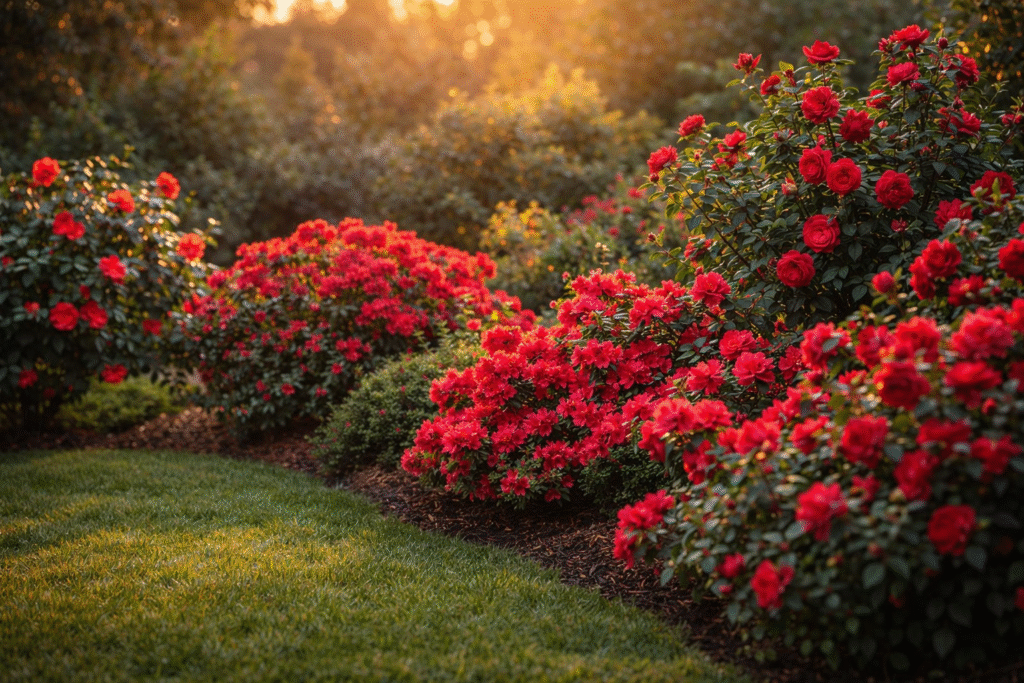
Yellow rose bushes showcase a range of characteristics, including varied bloom sizes, growth habits, and levels of fragrance. Some are bushy shrubs, perfect for hedges, while others are climbing roses, ideal for adorning walls and archways. Appreciate the glossy dark green foliage that acts as a backdrop for the vibrant yellow blooms and learn about the disease resistance qualities that make these roses desirable for any garden. These rose bushes are a must-have in your rose garden.
Popular Yellow Rose Varieties
Here’s a look at some popular yellow rose varieties, each with its own distinct characteristics:
- Hybrid tea roses are known for their classic, elegant flower form.
- Floribundas boast roses with clusters of blooms.
For those who appreciate fragrance, consider David Austin roses, celebrated for their exceptional scent and beauty. Some popular cultivars are disease-resistant and vigorous roses, making them ideal low-maintenance roses for any gardener.
Choosing the Right Low-Maintenance Rose Bush
Factors to Consider for Home Gardeners
Selecting the perfect low-maintenance yellow rose bush involves assessing your garden’s unique conditions. Consider the amount of sunlight your garden receives, as yellow roses thrive in sunny spots. The size of your space is also crucial; whether you desire a compact shrub or a climbing rose, choose a rose variety that fits comfortably and complements your garden layout.
Ideal Conditions for Growing Yellow Roses
To ensure your yellow roses flourish, provide them with well-drained soil and at least six hours of sunlight daily. Amending the soil with organic matter enhances drainage and provides essential nutrients for vibrant blooms. Yellow roses benefit from consistent moisture but avoid waterlogged conditions to prevent disease and promote healthy foliage.
Best Practices for Planting and Care
Here’s how to care for your yellow rose bush after planting:
- Regular pruning encourages new growth and abundant yellow flowers.
- Apply a balanced fertilizer in early spring to support vigorous growth and stunning blooms.
Bloom and Fragrance of Yellow Roses
Seasonal Blooming Patterns
Yellow rose bushes typically bloom in flushes throughout the growing season, offering a continuous display of color. The first flush usually occurs in late spring or early summer, followed by intermittent blooms throughout summer and into fall. Regular deadheading encourages repeat blooming, ensuring a vibrant and fragrant garden.
Fragrant Varieties of Yellow Roses
While not all yellow roses are intensely fragrant, many varieties offer delightful scents. English roses, particularly those bred by David Austin, are renowned for their strong, captivating fragrances. Look for varieties described as having a citrusy, spicy, or fruity scent to add an extra layer of sensory pleasure to your rose garden. These fragrant yellow flowers are a true delight for any gardener.
Caring for Blooms and Enhancing Fragrance
To maximize the beauty and fragrance of your yellow rose blooms, provide adequate sunlight and consistent watering. Regular deadheading not only encourages new blooms but also directs the plant’s energy toward producing healthier, more fragrant flowers. Consider planting fragrant companion plants nearby to enhance the overall sensory experience of your garden and home.
Creating a Beautiful Garden with Yellow Roses
Using Yellow Roses as Hedges
Yellow rose bushes can be used to create stunning hedges. The dense foliage and vibrant yellow flowers provide a beautiful visual barrier, perfect for defining garden spaces or adding privacy. Choose a bushy, disease-resistant rose variety that is easy to prune and maintain its shape. This creates a fragrant and visually appealing hedge that enhances your garden and home.
Companion Planting with Yellow Roses
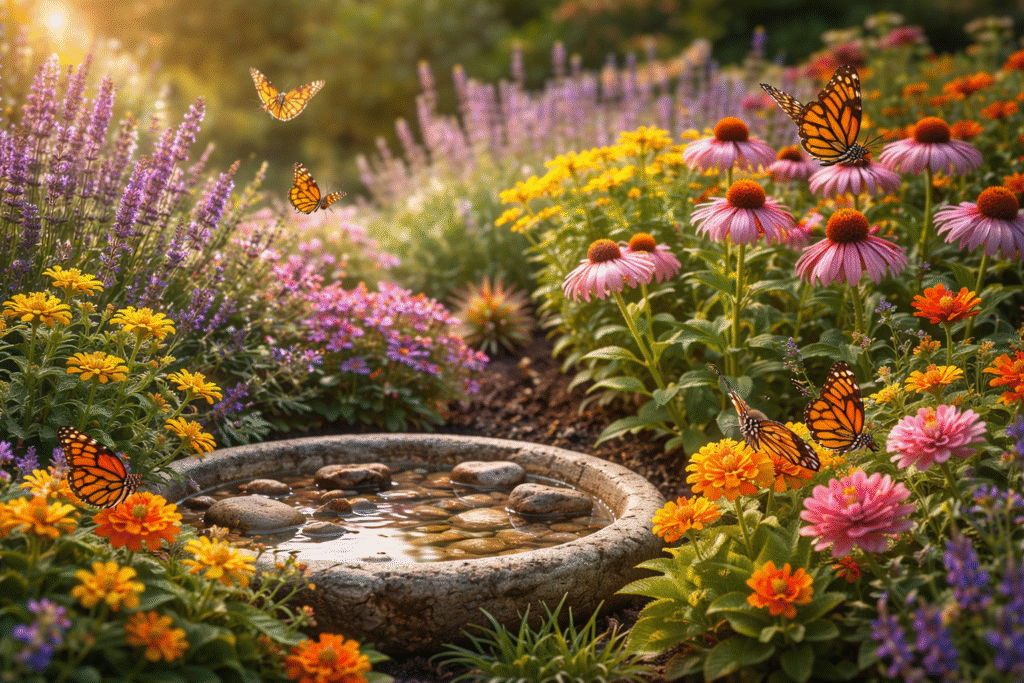
Here’s how to enhance the health and beauty of your yellow rose bushes through companion planting. Several plants can add color and deter pests, making them excellent choices. Consider including plants like:
- Lavender
- Marigolds
- Salvia
Fragrant herbs, such as basil or rosemary, can also be beneficial by attracting insects and helping create a harmonious garden ecosystem alongside your yellow flowers.
Incorporating David Austin Roses in Your Garden
David Austin roses are an excellent choice for adding classic charm and fragrance to your garden rose collection. Known for their exceptional fragrance and old-world beauty, these English roses offer a range of yellow shades, from soft yellow to golden yellow. Their bushy growth habit and disease resistance make them low-maintenance additions to any rose garden, providing beautiful and fragrant blooms throughout the season.
Growing Yellow Roses in Zone 7
Climate Considerations for Zone 7 Gardeners
Zone 7 gardeners enjoy a moderate climate, which is conducive to growing various yellow rose varieties. The key is to select disease-resistant rose bushes. It is important to consider both the winter hardiness and summer heat tolerance of your chosen rose variety. Hybrid tea roses, floribundas, and some English roses thrive with proper care and attention in this zone, producing stunning blooms.
Adapting Care Techniques for Zone 7
In Zone 7, adjust your rose care techniques to match the seasonal changes. In spring, fertilize and prune your yellow rose bushes to encourage new growth and abundant flowers. Provide consistent watering during the hot summer months to prevent stress and promote healthy foliage. Mulch around the base of your roses to retain moisture and suppress weeds, ensuring vigorous growth.
Common Pests and Diseases in Zone 7
Zone 7 gardens are susceptible to common rose pests and diseases like aphids, Japanese beetles, and black spot. Regularly inspect your yellow rose bushes for signs of infestation or disease. Treat promptly with organic or chemical solutions to prevent widespread damage. Ensure good air circulation and proper watering practices to maintain healthy, disease-resistant roses in your rose garden.
- What to expect during a professional paver installation in las vegas
- Is grass installation worth the investment
- Groundbreaking for a New Commercial
- Lawn & Garden Care Services – Creating Healthy, Beautiful Outdoor Spaces with Duong Lawn & Garden Care
- Top 10 Professional Tree Care and Landscaping Services in California