
Are you dreaming of a beautiful landscape without the constant upkeep? You’re not alone! Many Americans are turning to low-maintenance landscaping to save time and money. With busy lifestyles, increasing water restrictions, and hotter summers becoming the norm, the demand for easy-care plants is higher than ever. This article explores how you can achieve year-round beauty in your garden with minimal effort.
Introduction
Why Choose Low-Maintenance Landscaping?
In today’s fast-paced world, many homeowners find themselves with less time to dedicate to gardening. This is where low-maintenance landscaping comes to the rescue. Choosing low-maintenance plants allows you to enjoy a beautiful outdoor space without the constant need for watering, pruning, or pest control. This approach is particularly appealing in drought-prone regions, where conserving water is a priority. The result is a landscape that looks great and requires less effort to maintain.
Understanding Year-Round Plants
Year-round plants are the secret weapon for a consistently appealing landscape. Unlike annual flowers that only last a season, these hardy plants offer beauty throughout the year, reducing the need for constant replanting and saving you money. These plants, whether evergreen shrubs or perennials and shrubs with long bloom times, provide structure, color, and visual interest during all four seasons. By selecting the right mix of year-round plants, you can create a low-maintenance landscape that looks vibrant and inviting all year long.
What Makes a Plant Truly Low-Maintenance?
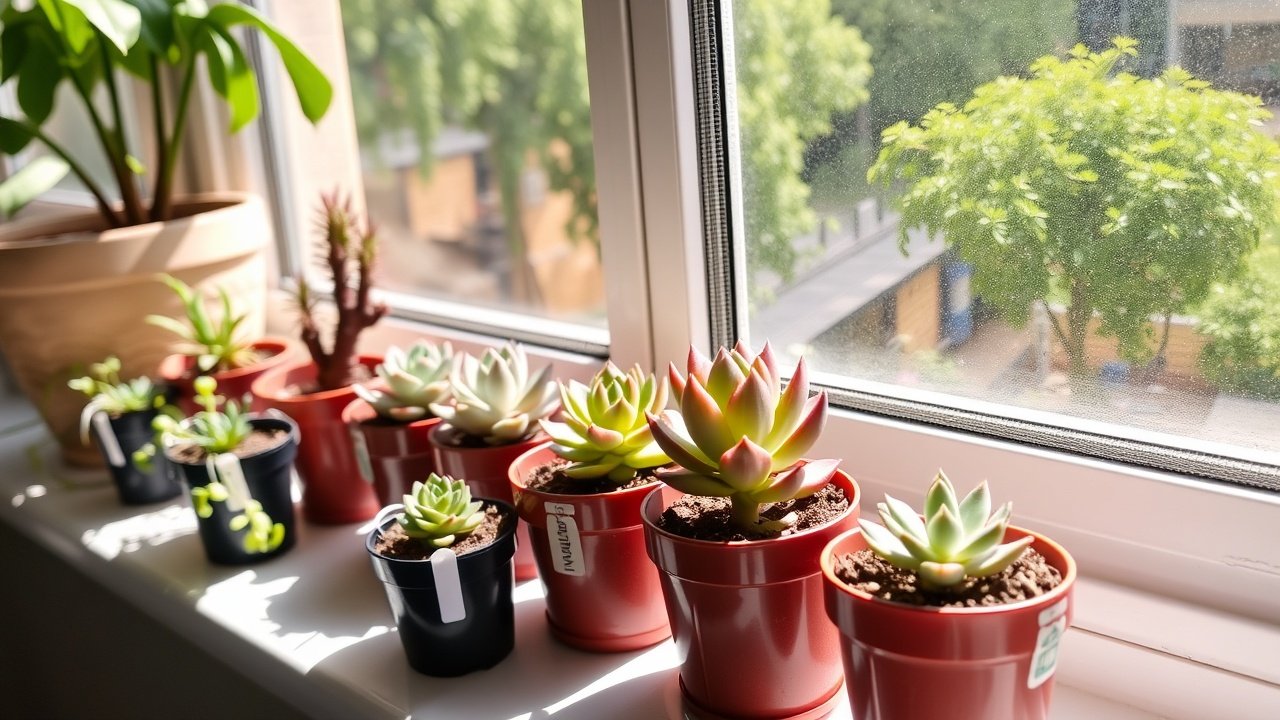
The term “low-maintenance” might sound like a miracle, but it comes down to several key characteristics. A truly low-maintenance plant requires minimal intervention to thrive. This includes being drought tolerant, resistant to pests and diseases, requiring little to no pruning, and being adaptable to the local climate. Choosing plants with these qualities ensures that your landscape stays beautiful without demanding constant attention from the gardener.
Drought Tolerance and Adaptability
Drought tolerance is a crucial trait for low-maintenance plants, especially in regions with limited rainfall or water restrictions. Plants that can withstand dry conditions require less frequent watering, saving you time and money. Adaptability is also key; a low-maintenance plant should be able to thrive in a variety of soil types and environmental conditions. For instance, some plants thrive on neglect and can even flourish in poor soil, making them ideal choices for easy plants and hassle-free landscaping.
Pest and Disease Resistance
Another hallmark of low-maintenance plants is their natural resistance to pests and diseases. Plants that are less susceptible to infestations and infections require fewer treatments, reducing the need for pesticides and other chemicals. This not only saves you time and money but also creates a healthier environment for your family and pets. Choosing plants that are naturally hardy and resilient is a smart way to minimize maintenance and maximize enjoyment in your garden.
Minimal Pruning and Maintenance Needs
Low-maintenance plants should require minimal pruning to maintain their shape and health. While some plants benefit from occasional trimming, truly low-maintenance varieties can thrive with little to no intervention. Look for plants that naturally maintain an attractive form without constant shaping or deadheading. This allows you to spend less time on garden chores and more time enjoying the beauty of your landscape. Choosing plants that don’t need pruning reduces the work and time dedicated to the garden.
USDA Hardiness Zones Explained
Understanding USDA hardiness zones is essential for successful low-maintenance planting. These zones are geographic areas defined by average minimum winter temperatures, which help gardeners determine which plants are most likely to thrive in their region. By selecting plants that are hardy in your specific zone, you can ensure they can withstand the local climate and survive the winter. This minimizes the risk of plant loss and reduces the need for costly replacements. Ensuring plants are selected based on the hardiness zone is essential to the survival of the plants.
Best Low-Maintenance Plants for Year-Round Beauty
A. Evergreen Shrubs
Evergreen shrubs are the backbone of a low-maintenance landscape, providing structure and interest throughout the year-round seasons. These landscape plants maintain their green foliage even in winter, offering a consistent backdrop for other plants. Popular choices include boxwood, known for its formal appearance, and holly, which adds festive berries. Juniper is another hardy option, tolerating both heat and cold. Indian hawthorn offers dark green foliage and beautiful flowers for year-round interest. white flowers and attractive foliage.
B. Drought-Tolerant Perennials
Drought-tolerant perennials are perfect for regions with hot, dry summers. These easy-care plants thrive with minimal watering and add vibrant year-round color to the landscape. Lavender is a fragrant choice that attracts bees and butterflies, while Russian sage offers silvery foliage and purple flower spikes. Black-eyed Susan provides cheerful yellow blooms that last from late summer into fall. These low maintenance plants work well in Western and Southern states, adding beauty without high water bills.
C. Ornamental Grasses
Ornamental grasses are a fantastic addition to any low-maintenance garden, offering texture, movement, and visual appeal. These grass species typically have low water needs and high aesthetic value, making them ideal for water-wise planting. Blue fescue forms neat, blue-gray mounds, while feather reed grass adds vertical interest with its tall, feathery plumes. Many ornamental grasses turn golden or bronze in the fall, providing year-round color and interest to the landscape. These easy plants are hardy and require minimal care.
D. Native Plants
Native plants are uniquely adapted to local climates and soil conditions, making them exceptionally low-maintenance. Choosing native plant species ensures that your landscape survives with minimal care. California lilac thrives in California’s dry climate, while desert marigold adds a splash of yellow to Arizona gardens. Coreopsis is a popular choice in Florida and Texas, offering bright, daisy-like flowers. Native plants not only require less water and fertilizer but also support local pollinator populations, enhancing biodiversity. Selecting native plants can drastically improve the health and sustainability of a maintenance landscape.
E. Hardy Groundcovers
Hardy groundcovers are an excellent way to reduce weeds and minimize mowing in your low-maintenance garden. These easy plants spread quickly, forming a dense mat that suppresses weed growth and retains soil moisture. Creeping thyme offers fragrant foliage and tiny flowers that attract bees and butterflies. Liriope, also known as monkey grass, is a low-maintenance perennial that thrives in various growing conditions. grass, is a tough, evergreen option that tolerates a wide range of conditions. Mondo grass provides a similar look with a finer texture. These low maintenance plants are perfect for filling in gaps and creating a lush, green carpet.
F. Low-Maintenance Flowering Shrubs
Low-maintenance flowering shrubs provide seasonal color with very little upkeep, adding beauty and interest to your landscape. Hydrangeas offer stunning blooms in shades of pink, blue, and white, thriving in partial shade and well-drained soil. Spiraea is another hardy choice, producing masses of tiny flowers in spring or summer. Butterfly bush attracts pollinators with its fragrant flower spikes and vibrant hues. Even if the soil is poor soil, they can still bloom. These easy plants are perfect for adding pops of color to your low-maintenance garden, with a few annual pruning sessions. These plants are the plants that look great.
Tips to Help These Plants Thrive With Minimal Effort
Choosing the Right Plant for the Right Place
Selecting the right plant for the right place is crucial for a low-maintenance landscape. Consider the amount of sun or shade a particular area receives, as well as the soil type and drainage. Some low maintenance plants, such as lavender, thrive in full sun and well-drained soil, while others, like hosta, prefer shade and moist conditions. Matching the plant’s needs to the environment ensures that it will thrive with minimal intervention from the gardener.
Using Mulch for Moisture Retention
Mulch is a gardener’s best friend when it comes to creating a low-maintenance garden. Applying a layer of mulch around your planting helps to retain soil moisture, suppress weeds, and regulate soil temperature. Organic mulches, such as wood chips or shredded bark, also decompose over time, enriching the soil with nutrients. Regularly check and replenish the mulch layer to ensure optimal moisture retention and weed control for your low maintenance plants.
Implementing Smart Irrigation Techniques
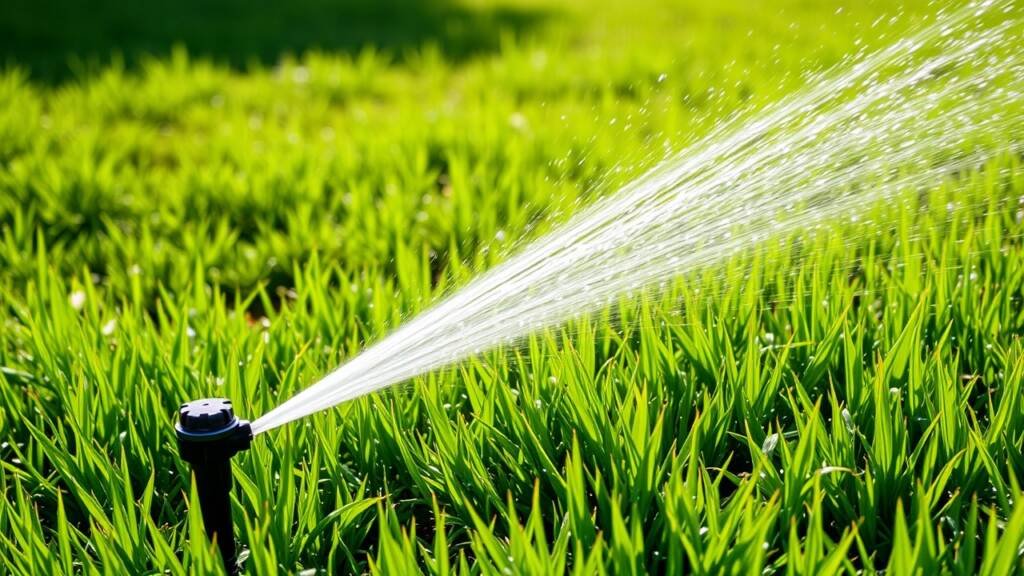
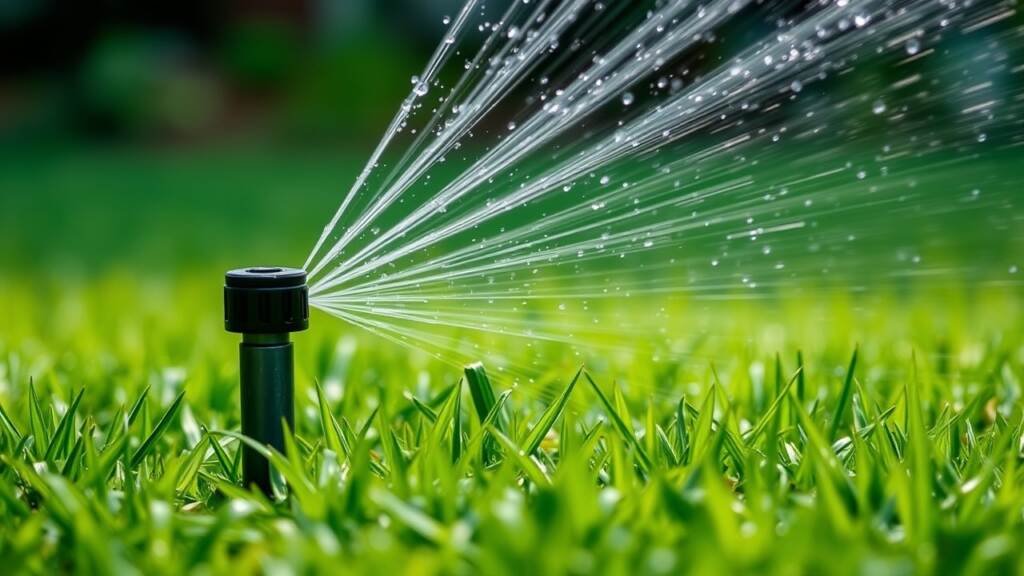
Smart irrigation techniques can significantly reduce the amount of manual watering required in your landscape. Consider installing a drip irrigation system or soaker hoses, which deliver water directly to the roots of your plants, minimizing water waste and evaporation. A smart irrigation controller that adjusts watering schedules based on weather conditions and soil moisture levels can further optimize water usage. (Insert internal link when discussing smart irrigation or water-saving methods) Ensuring drought tolerant plants will help save water.
Annual Pruning and Soil Quality Improvement
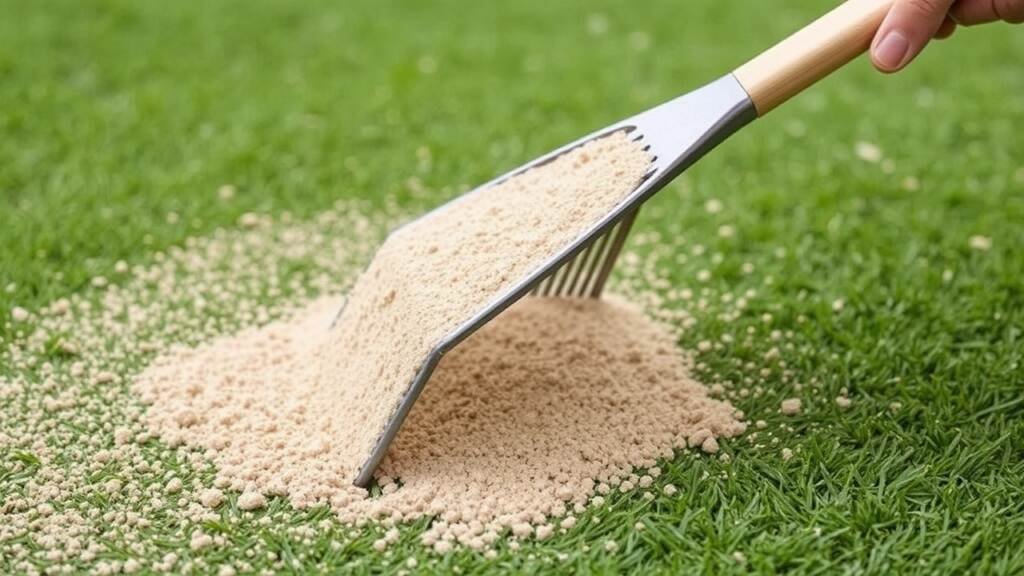
While low-maintenance plants require minimal pruning, an annual trim can help maintain their shape and promote healthy growth. Remove any dead, damaged, or diseased branches to improve air circulation and prevent pest infestations. Additionally, improving soil quality can enhance the long-term health and vigor of your plants. Amending the soil with compost or other organic matter adds nutrients and improves drainage, creating a favorable environment for plants to bloom and flourish.
Best Landscapes for Busy Families
Front Yard Designs
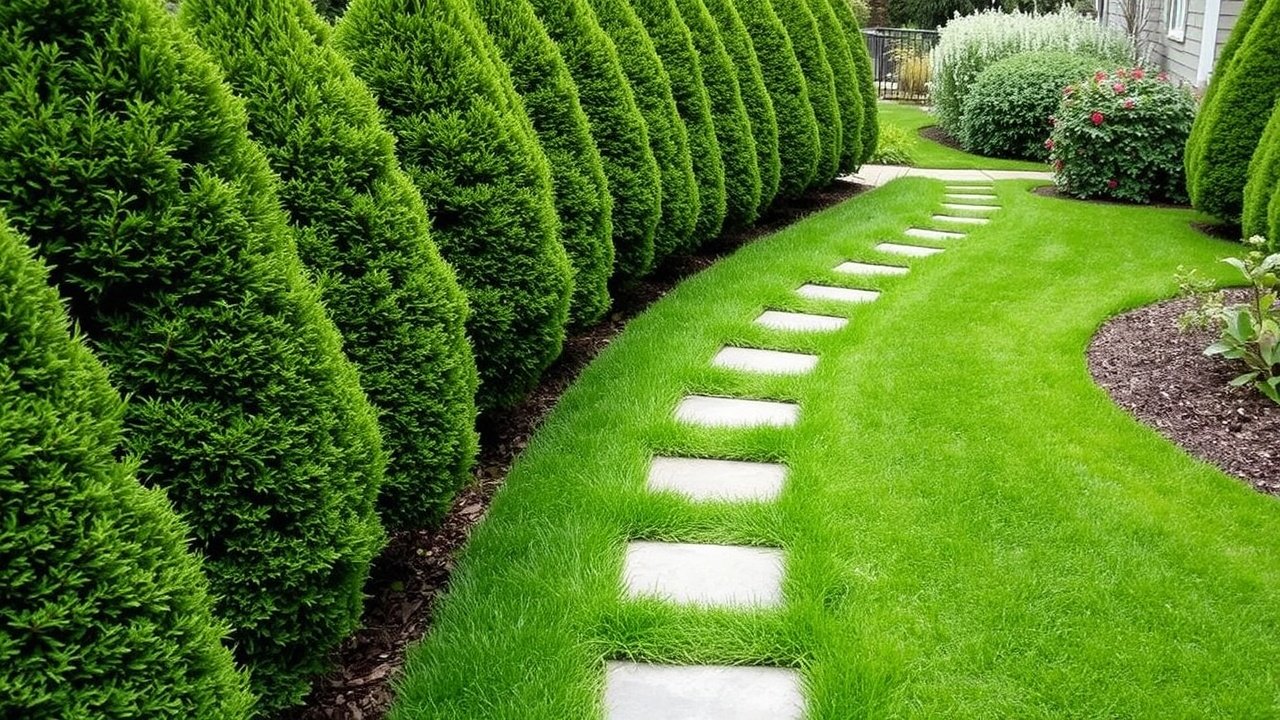
For busy families, a low-maintenance front yard can create a welcoming and attractive entrance without demanding constant attention. Use evergreen shrubs like boxwood or juniper to provide structure and year-round color. Add pops of color with drought-tolerant perennials such as lavender or Russian sage. Incorporate ornamental grasses for texture and movement. Opt for a low-maintenance lawn alternative, such as hardy groundcovers like creeping thyme. These plants are easy plants to take care of.
Backyard Borders and Plantings
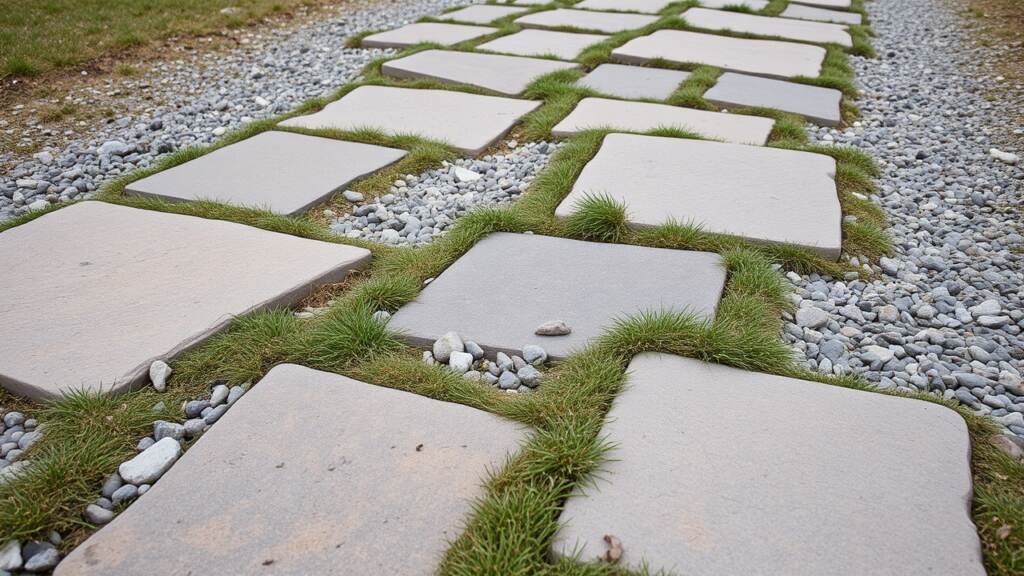
Create a relaxing and inviting backyard oasis with low-maintenance borders and planting. Use a mix of evergreen and deciduous shrubs to provide year-round interest and seasonal color. Choose drought-tolerant perennials and grasses for low water needs. Consider adding a mixed border with a variety of textures, colors, and heights to create visual appeal. A rock garden can add a unique and low maintenance element to your backyard landscape. Select the plants that look good for your style!
Poolside Plantings and Garden Designs
When designing a poolside planting, prioritize low-maintenance and splash-resistant plants. Avoid plants that drop excessive foliage or attract bees and butterflies near the pool area. Choose drought-tolerant shrubs and grasses that can withstand occasional splashes of water. Consider using containers to add color and flexibility to your poolside garden. Opt for a simple and clean design that complements the pool’s aesthetic and minimizes maintenance. These low maintenance outdoor plants are easy to install and remove.
Conclusion
Reinforcing the Benefits of Low-Maintenance Plants
The appeal of low-maintenance plants lies in their ability to offer beauty and functionality without demanding constant care. By selecting easy plants that are drought-tolerant, pest-resistant, and require minimal pruning, homeowners can enjoy a vibrant landscape with reduced effort. This approach not only saves time and money but also promotes water conservation and supports a healthier environment. Investing in low maintenance landscape plants brings long-term benefits.
Encouraging Smart Plant Choices
When it comes to designing a low-maintenance garden, smart plant choices are key. Selecting plants that look beautiful and thrive in your local climate can significantly reduce the amount of time and effort required for maintenance. Consider the soil type, sun or shade exposure, and water availability in your area when making your selections. By carefully considering these factors, you can create a landscape that is both beautiful and sustainable. Choose plants that look good with minimum annual maintenance and pruning; you won’t regret it!
Contact Destiny Landscaping for Personalized Solutions
Creating a low-maintenance landscape tailored to your specific needs and preferences requires expertise and careful planning. At Destiny Landscaping, we offer personalized solutions to help you achieve the garden of your dreams. Our team of experienced professionals can assess your property, recommend the best plants for your soil, and design a landscape that is both beautiful and sustainable. Contact Destiny Landscaping today to schedule a consultation and discover the possibilities for your outdoor space, including a selection of low-maintenance outdoor plants. Choosing evergreen or deciduous shrubs along with pollinator attracting flowers will increase your property value.
- How to plan the perfect paver installation for your las vegas home
- Comprehensive Insights into Choosing a Professional Landscaping Company
- When to stop watering your lawn in fall to prepare for winter
- Lawn & Garden Care Services – Creating Healthy, Beautiful Outdoor Spaces with Duong Lawn & Garden Care
- Drainage and Soil Solutions for a Healthy, Sustainable Lawn Year-Round