
In today’s fast-paced world, the idea of spending countless hours tending to a high maintenance garden can seem daunting. More and more people are searching for an alternative: the low-maintenance eco garden. These gardens offer a beautiful, environmentally friendly outdoor space without the constant demands of traditional landscaping. If you’re looking to create a sustainable, thriving garden that requires little maintenance, you’ve come to the right place. Let’s delve into the world of low-maintenance eco gardens, exploring their benefits and how you can create one yourself.
Introduction to Eco Gardens
Why Choose a Low-Maintenance Garden?
The allure of a low-maintenance garden is undeniable. Instead of spending your weekends mowing the lawn or pulling weeds, imagine enjoying a tranquil oasis with more time to relax and less time doing chores. A low-maintenance garden frees you from the constant demands of traditional landscaping. It involves choosing plants that don’t require frequent pruning or fertilizing. It lets you enjoy your outdoor space without the burden of constant upkeep, allowing you to focus on appreciating the beauty around you.
Benefits of Eco-Friendly Landscaping
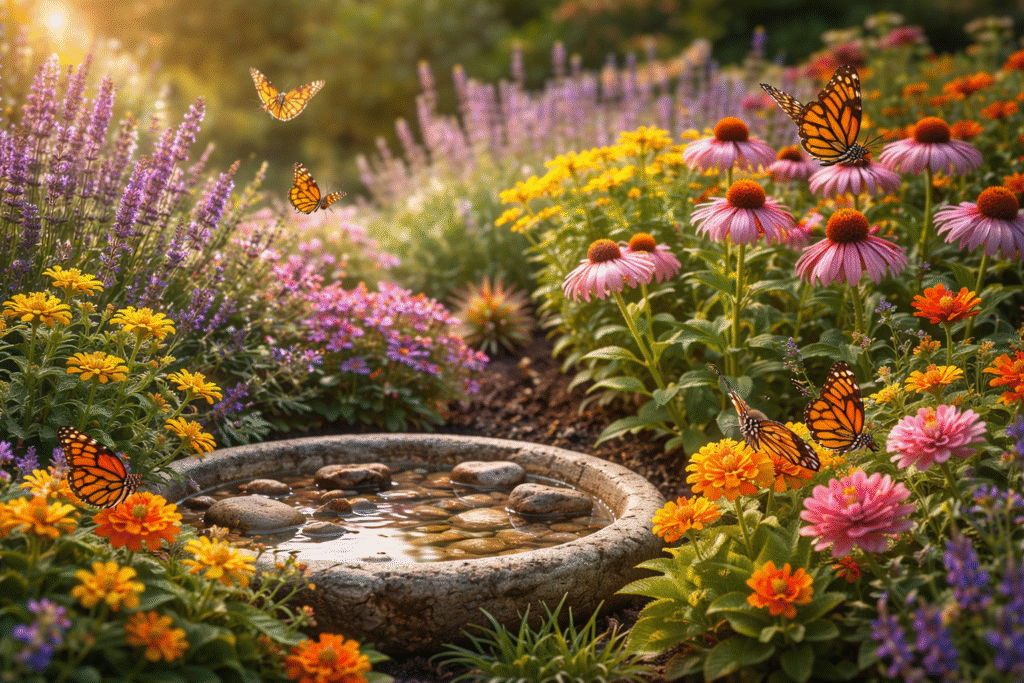
Embracing eco-friendly landscaping offers a multitude of benefits that extend far beyond personal convenience. Creating a sustainable garden promotes biodiversity. Using native plant species supports local ecosystems and provides habitat for pollinators, birds, and other wildlife. Furthermore, environmentally friendly practices reduce the need for harmful pesticides and fertilizers, minimizing your impact on the environment. You’ll conserve water, reduce runoff, and contribute to a healthier planet, all while enjoying a beautiful, thriving landscape.
The Rise of Sustainable Gardening Practices
Sustainable gardening practices are gaining traction. People are seeking environmentally friendly ways to cultivate beautiful landscapes. This shift reflects a growing awareness of the importance of protecting our planet. Sustainable gardening embraces techniques like composting, using native plants, and implementing water-wise irrigation systems. These methods minimize environmental impact while maximizing the health and vitality of the garden. By adopting sustainable practices, you can create a thriving, low-maintenance eco garden that benefits both you and the environment.
Essential Elements of a Low-Maintenance Eco Garden
Drought-Tolerant and Low-Maintenance Plants
Selecting the right plants is crucial for a truly low-maintenance garden. To achieve this, it’s beneficial to focus on specific plant characteristics, such as:
- Drought-tolerant varieties that can thrive with minimal supplemental watering, especially during dry summers.
- Native plants, as they are naturally adapted to the local climate and soil conditions, requiring less fertilizer and being more resistant to local pests.
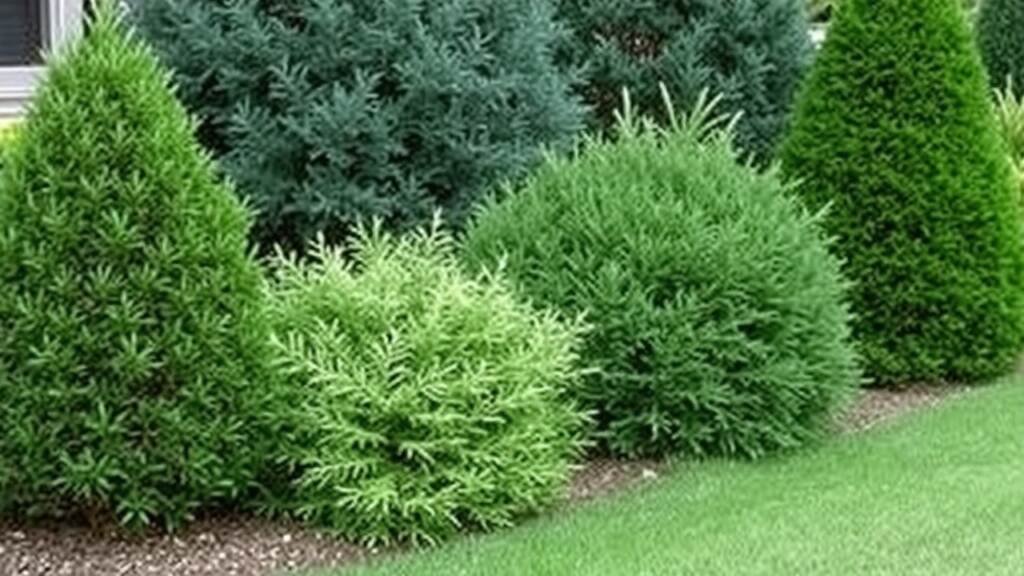
These plants also support local biodiversity, providing habitat for pollinators and other beneficial insects. Prioritize perennials and shrubs over annuals, as they return year after year, eliminating the need for replanting. Consider incorporating evergreens for year-round visual interest and to minimize seasonal cleanup. Avoid high-maintenance plants that require frequent pruning or fertilizing. Create a sustainable garden by choosing plants that are naturally suited to the environment.
Smart Irrigation Techniques
Efficient water management is key to a low-maintenance and environmentally friendly garden. There are several smart irrigation systems to choose from, including:
- Drip irrigation
- Soaker hoses
These systems deliver water directly to the roots of your plants. Drip irrigation minimizes water waste through runoff and evaporation, ensuring that your plants receive the moisture they need without overwatering. Consider installing a rainwater harvesting system, such as a rain barrel, to collect rainwater for supplemental irrigation. This reduces your reliance on municipal water sources and helps conserve water. Proper irrigation not only saves water but also prevents weed growth by keeping the soil surface drier, making it easier to suppress weeds in your lawn or garden.
Importance of Soil Health
Healthy soil is the foundation of a thriving, low-maintenance garden. To achieve this, amend your soil with organic matter. Good choices include:
- Compost
- Well-rotted manure
These amendments improve the soil’s structure, drainage, and fertility. Healthy soil retains moisture better, reducing the need for frequent watering and fertilizing. Mulch is a valuable addition to any garden. Apply a thick layer of mulch around your plants to suppress weeds, retain soil moisture, and regulate soil temperature. Using native plants can also benefit soil health, as they are adapted to the local soil conditions. Avoid using “weed and feed” products or chemical fertilizers, as they can harm beneficial soil microorganisms and contribute to stormwater runoff. A healthy garden is less prone to pests and diseases, further reducing the need for environmentally harmful interventions.
Practical Tips for Creating Your Eco-Friendly Yard
Choosing Native Plants for Your Landscape
One of the most effective strategies for creating a low-maintenance garden is to prioritize native plants. These are plants that have naturally adapted to the local climate, soil, and environmental conditions. By using native plants, you reduce the need for supplemental watering, fertilizing, and pest control. They also attract local pollinators, like bees and butterflies, enhancing biodiversity and creating a thriving habitat for wildlife. When you plan your garden, research which native plant species are best suited for your area. Incorporate a variety of native perennials, shrubs, and ground cover plants to create a beautiful and sustainable garden. Selecting low-maintenance plants reduces the need to mow your lawn, prune your shrubs, or pull weeds from your garden beds.
Effective Mulching Strategies
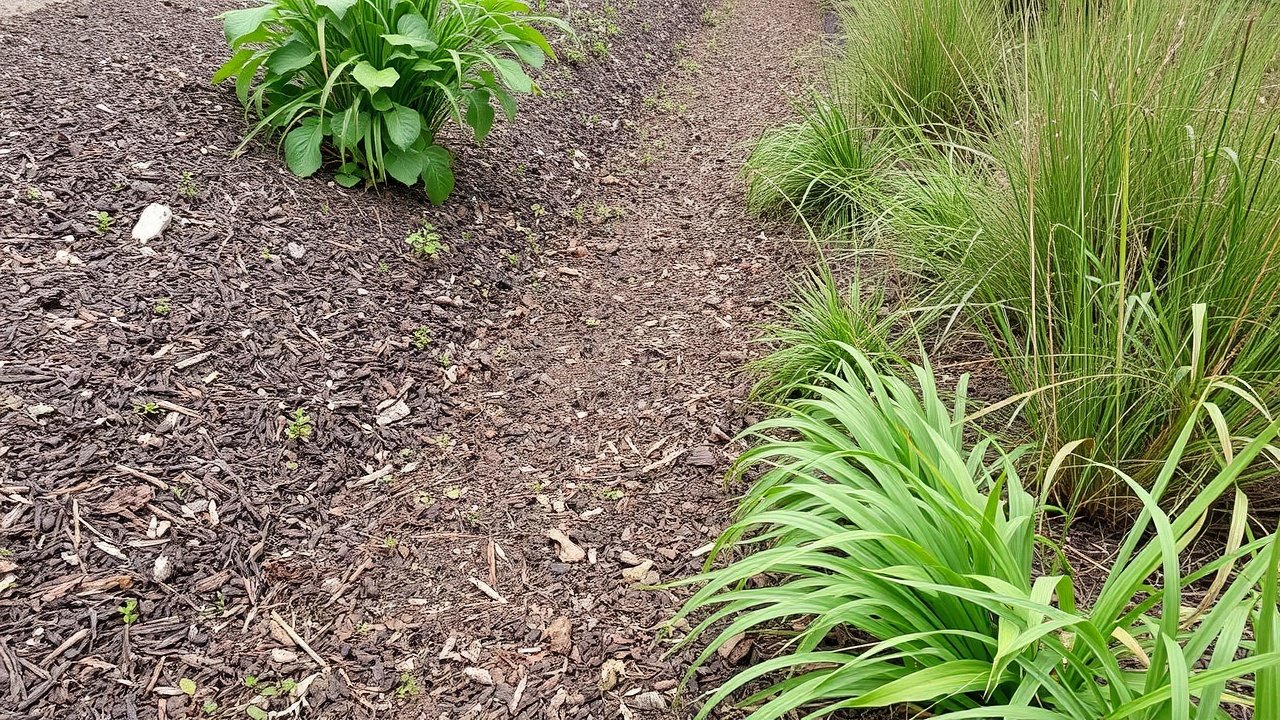
Mulching is a simple yet highly effective technique for maintaining a low-maintenance garden and promoting soil health. Apply a thick layer of mulch around your trees and plants to suppress weeds, retain soil moisture, and regulate soil temperature. Mulch also helps prevent soil erosion and enriches the soil as it decomposes. Organic mulches, such as shredded bark, wood chips, straw, or compost, are excellent choices. They decompose over time, adding organic matter to the soil and improving its fertility. Avoid using inorganic mulches, such as plastic sheeting, as they can impede water and air circulation in the soil. Regularly replenish your mulch layer to maintain its effectiveness in suppressing weeds and conserving water. Effective mulching minimizes the need for weeding and watering, making your lawn or garden more sustainable and manageable.
Water-Efficient Landscaping Ideas
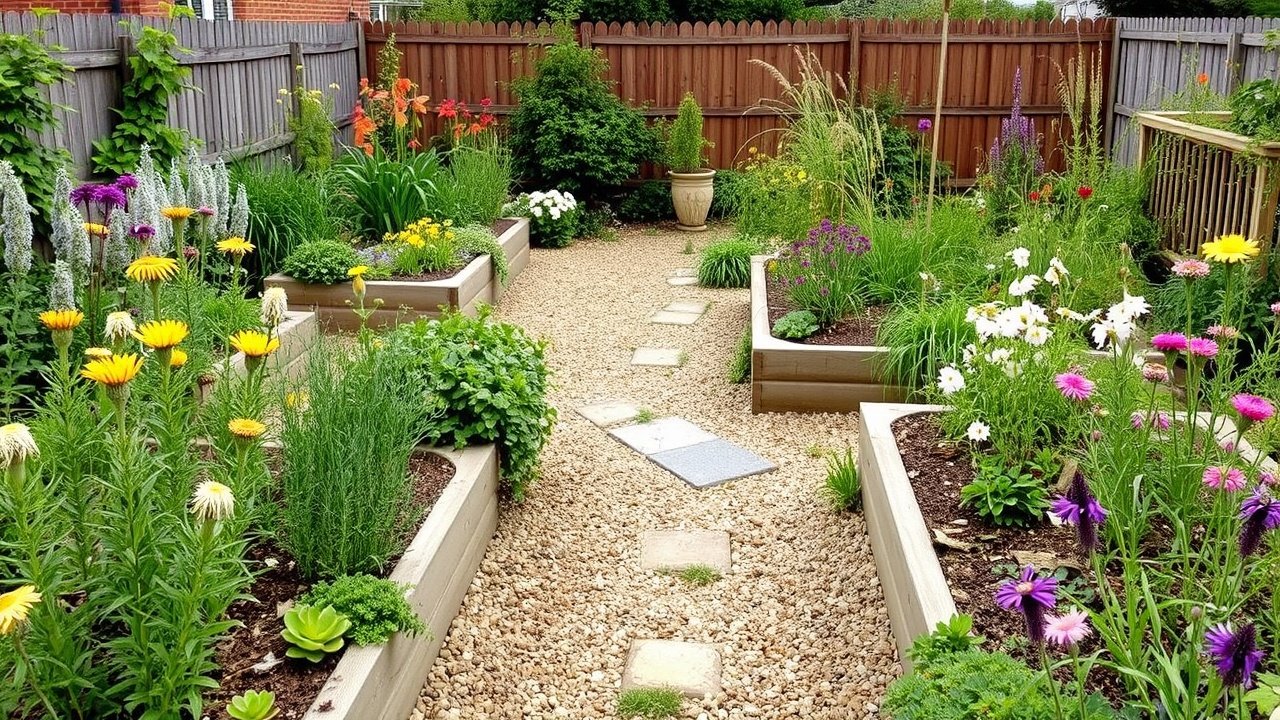
Implementing water-efficient landscaping ideas is crucial for creating a low-maintenance eco garden, especially in regions prone to dry summers or drought. Install a drip irrigation system or soaker hoses to deliver water directly to the roots of your plants, minimizing water waste through runoff and evaporation. Consider installing a rainwater harvesting system, such as a rain barrel, to collect rainwater for supplemental irrigation. Group plants with similar water needs together to avoid overwatering or underwatering certain areas. Replace traditional grass lawns with drought-tolerant ground cover or native plants that require less water and mowing. Reduce the amount of impervious surfaces in your landscape to allow rainwater to infiltrate into the soil. Incorporate water-permeable pavers or gravel pathways to enhance drainage and minimize runoff. These environmentally friendly practices not only conserve water but also create a more sustainable and resilient garden.
Destiny Landscape’s Expertise in Sustainable Garden Design
Professional Eco-Friendly Design Services
Destiny Landscape distinguishes itself through its commitment to providing professional, environmentally friendly design services. Their expertise lies in crafting low-maintenance garden spaces that harmonize with the natural environment while meeting each client’s unique vision. With a deep understanding of sustainable gardening practices, Destiny Landscape can transform ordinary lawns into thriving ecosystems. By prioritizing native plants, efficient irrigation system, and effective mulching strategies, they minimize environmental impact while maximizing the beauty and functionality of your landscape. This ensures that every garden design reflects a dedication to sustainability and long-term environmental stewardship.
Personalized Landscaping Solutions
Understanding that every garden is unique, Destiny Landscape offers personalized landscaping solutions tailored to individual needs and preferences. Whether you envision a vibrant pollinator garden brimming with native plants or a tranquil retreat featuring drought-tolerant ground cover, their team collaborates closely with you to bring your vision to life. They consider factors such as soil type, sunlight exposure, and water availability to create a sustainable garden design that thrives in your specific environment. Destiny Landscape prioritizes low-maintenance elements, ensuring that your outdoor space remains beautiful and manageable for years to come. From selecting the right plants that don’t need much to creating custom irrigation system, they ensure all needs are met.
Client Success Stories
The success of Destiny Landscape’s approach is evident in the numerous client success stories. Homeowners across the region are enjoying stunning, low-maintenance gardens that not only enhance their property value but also contribute to a healthier environment. One client transformed their barren backyard into a vibrant habitat for local wildlife by working with Destiny Landscape to install a native plant garden. Another client significantly reduced their water consumption and lawn maintenance efforts by converting their traditional green lawn into a drought-tolerant landscape. These testimonials demonstrate Destiny Landscape’s ability to deliver exceptional results while promoting sustainability and environmental stewardship. With low-maintenance plants and effective mulching, client’s garden is easy to keep beautiful.
Conclusion and Call to Action
Transform Your Garden Today
Creating a low-maintenance eco garden is within your reach, and the time to act is now. Envision yourself enjoying a vibrant, sustainable outdoor space without the constant demands of traditional landscaping. By incorporating drought-tolerant native plant species, implementing smart irrigation techniques, and prioritizing soil health through composting and mulching, you can transform your lawn into a thriving ecosystem. The benefits extend far beyond personal enjoyment, contributing to a healthier planet and a more sustainable future. Don’t delay—start planning your eco-friendly garden transformation today.
Contact Destiny Landscape for Expert Guidance
Embarking on a low-maintenance eco garden project can seem daunting, but you don’t have to do it alone. Destiny Landscape is here to provide expert guidance and support every step of the way. Their team of experienced professionals specializes in sustainable landscape design, installation, and maintenance. Whether you need help selecting the right native plants, designing an efficient irrigation system, or developing a comprehensive mulching strategy, Destiny Landscape has the knowledge and skills to bring your vision to life. Contact them today to schedule a consultation and discover how they can help you create the low-maintenance garden of your dreams. With environmentally friendly practices and low-maintenance plants, you can achieve a sustainable outdoor space.
Embrace a Sustainable Future with Your Garden
By creating a low-maintenance eco garden, you’re not just enhancing your property; you’re embracing a sustainable future. Your garden becomes a haven for biodiversity, supporting pollinators and other beneficial wildlife. You’ll reduce your environmental footprint by conserving water, minimizing the need for harmful pesticides and fertilizers, and promoting healthy soil ecosystems. The choices you make in your garden can have a ripple effect, inspiring others to adopt sustainable practices and creating a more resilient and environmentally conscious community. Let your garden be a symbol of your commitment to a healthier planet and a brighter future for generations to come. By creating a sustainable garden, you are taking initiative in helping the environment.