
Maintaining a strong, resilient lawn requires more than just mowing and watering; it hinges on selecting the right lawn fertilizer. Proper lawn fertilization is key to unlocking a vibrant lawn that’s not only aesthetically pleasing but also robust enough to withstand environmental stressors. Choosing the right lawn fertilizer can seem daunting, but with the right guidance, you can achieve a lush green space that enhances your home’s beauty. Destiny Landscape is here to help homeowners find eco-friendly, cost-effective fertilization plans, tailored to your lawn’s specific needs.
Why Lawn Fertilization Is Essential for Lasting Beauty

The Importance of Regular Fertilization
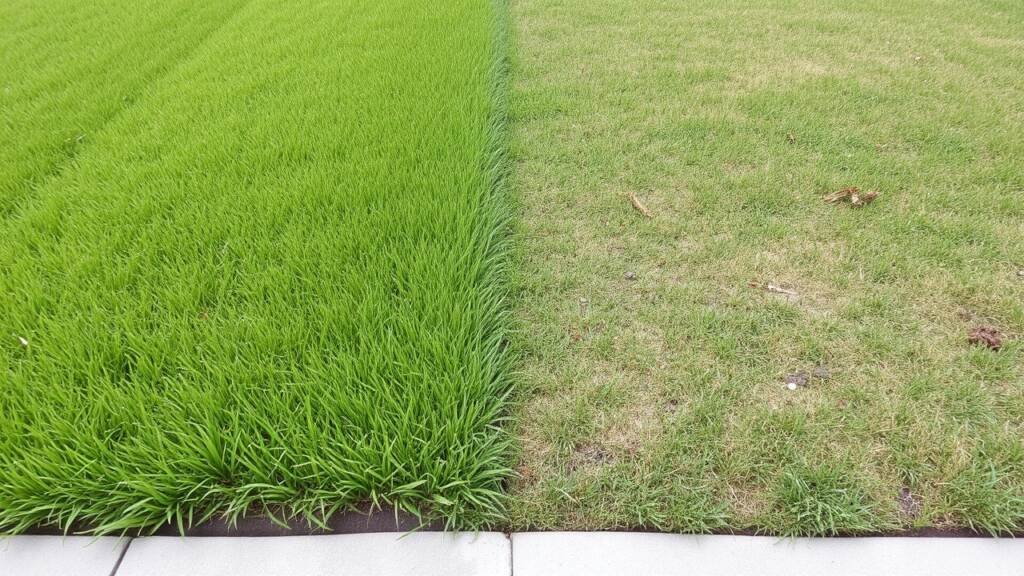
Regular lawn fertilization is paramount to maintaining a beautiful lawn. A well-fed lawn exhibits vibrant color, dense growth, and improved resilience against pests and diseases. Failing to fertilize your lawn regularly can lead to nutrient deficiencies, resulting in thin, patchy grass that is more susceptible to weed infestation. Effective lawn care includes understanding that consistent nutrient supply is crucial for sustaining healthy grass growth, ensuring a consistently lush green lawn.
Benefits of a Healthy Lawn
A healthy lawn offers numerous benefits beyond aesthetics. A healthy lawn provides several environmental advantages, including:
- Acting as a natural air filter, absorbing pollutants and releasing oxygen.
- Helping to prevent soil erosion, stabilize the ground, and reduce stormwater runoff.
Furthermore, a well-maintained, healthy lawn increases property value and provides a comfortable outdoor space for relaxation and recreation. It also provides a cooler surface temperature compared to bare soil or asphalt.
Long-Term Effects of Proper Lawn Care
Proper lawn care, including consistent lawn fertilization, has significant long-term effects on the health and appearance of your turf. Over time, a well-fertilized lawn develops a strong root system, making it more drought-tolerant and resilient to environmental stresses. Additionally, consistent application of the right fertilizer improves soil health, leading to better nutrient retention and overall grass vigor. This long-term approach ensures a vibrant lawn for years to come.
Understanding the Role of Nutrients: NPK and Beyond

What is NPK?
NPK stands for Nitrogen (N), Phosphorus (P), and Potassium (K), the three primary macronutrients essential for grass growth. Nitrogen promotes lush green growth, phosphorus supports strong root development, and potassium enhances overall plant health and disease resistance. Understanding the NPK ratio on your lawn fertilizer label is crucial for selecting the right fertilizer that meets your lawn’s specific needs. Applying a balanced fertilizer ensures your grass receives the correct proportions of these vital nutrients.
Essential Nutrients for Grass Health
While NPK are the primary nutrients, several other nutrients are vital for grass health. These include micronutrients like iron, manganese, and zinc, which play critical roles in various plant processes. Iron, for instance, contributes to chlorophyll production, enhancing the green color of your lawn. Addressing any nutrient deficiencies through soil tests and targeted fertilizer applications can significantly improve the overall health and appearance of your grass, leading to a healthier lawn.
How Soil Tests Inform Nutrient Needs
A soil test is an invaluable tool for determining the specific nutrient needs of your lawn. By analyzing your soil’s composition, a soil test identifies any nutrient deficiencies or imbalances that may be hindering grass growth. Based on the soil test results, you can choose the right fertilizer with the appropriate NPK ratio and micronutrients to address these deficiencies, ensuring your lawn receives the precise nourishment it requires. This targeted approach maximizes fertilizer efficiency and promotes a healthier lawn.
Organic vs. Synthetic Fertilizers: Which Fits Your Landscape Best?
Pros and Cons of Organic Fertilizers
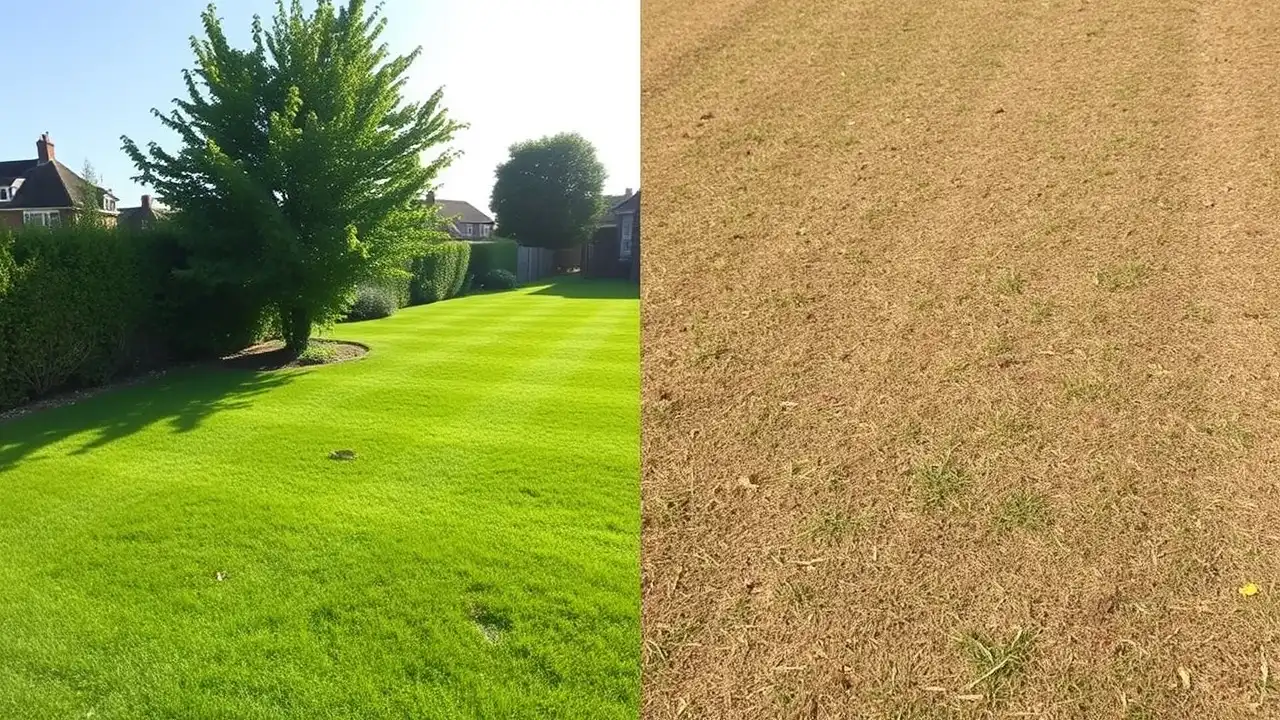
Organic fertilizers offer a natural approach to lawn care, enriching the soil with beneficial microbes and organic matter. These fertilizers typically derive from plant or animal byproducts and release nutrients slowly, promoting sustained grass growth. While organic fertilizers are environmentally friendly, they may require higher application rates and take longer to show visible results compared to synthetic options. However, they improve soil structure and water retention over time, leading to a healthier lawn.
Benefits of Synthetic Fertilizers
Synthetic fertilizers provide a concentrated dose of nutrients readily available for grass growth. These fertilizers are formulated with precise NPK ratios, allowing for targeted nutrient delivery to fertilize your lawn. Synthetic fertilizers offer quick results, producing a lush green lawn rapidly. However, overuse of synthetic fertilizers can lead to nutrient runoff and potential environmental concerns, highlighting the importance of following application guidelines and using them responsibly to ensure effective lawn care.
Choosing the Right Fertilizer for Your Lawn
Choosing the right fertilizer involves considering your lawn care goals, soil conditions, and environmental preferences. A soil test can provide valuable insights into your soil’s nutrient levels, helping you choose the right fertilizer with the appropriate NPK ratio. If you prioritize sustainable lawn care, organic fertilizers are an excellent choice. For quicker results and targeted nutrient delivery, synthetic fertilizers may be more suitable. Balancing your needs with environmental responsibility ensures a beautiful and healthy lawn.
Seasonal Fertilization Tips for Every Climate
Best Times to Fertilize in Different Regions
The best times to fertilize your lawn vary depending on your region’s climate and grass type. In warmer climates like California, Florida, Texas, and Arizona, you can fertilize your lawn during the growing season, typically spring and fall. Cool-season grasses benefit from fertilization in early spring and late fall to promote healthy grass growth. Tailoring your fertilizer application schedule to your region’s specific climate conditions ensures optimal nutrient uptake and a vibrant lawn.
Adjusting Fertilization Based on Seasonal Needs
Adjusting your lawn fertilization strategy based on seasonal needs is crucial for maintaining a healthy lawn year-round. In the spring, use a fertilizer with a higher nitrogen content to promote lush green growth. During the summer, a balanced fertilizer helps maintain overall health. In the fall, apply a fertilizer rich in phosphorus and potassium to strengthen roots and improve winter hardiness. Understanding these seasonal requirements ensures your grass receives the nutrients it needs to thrive, leading to a healthier lawn.
Understanding Weather Impacts on Fertilization
Weather conditions significantly impact the effectiveness of fertilizer application. Avoid applying fertilizer before heavy rain, as it can lead to nutrient runoff and reduce the fertilizer’s effectiveness. Water your lawn thoroughly after applying fertilizer to help the nutrients reach the root zone. Monitor weather forecasts and adjust your fertilization schedule accordingly to maximize nutrient absorption and minimize environmental impact. Proper timing ensures the fertilizer provides the best results for your lawn.
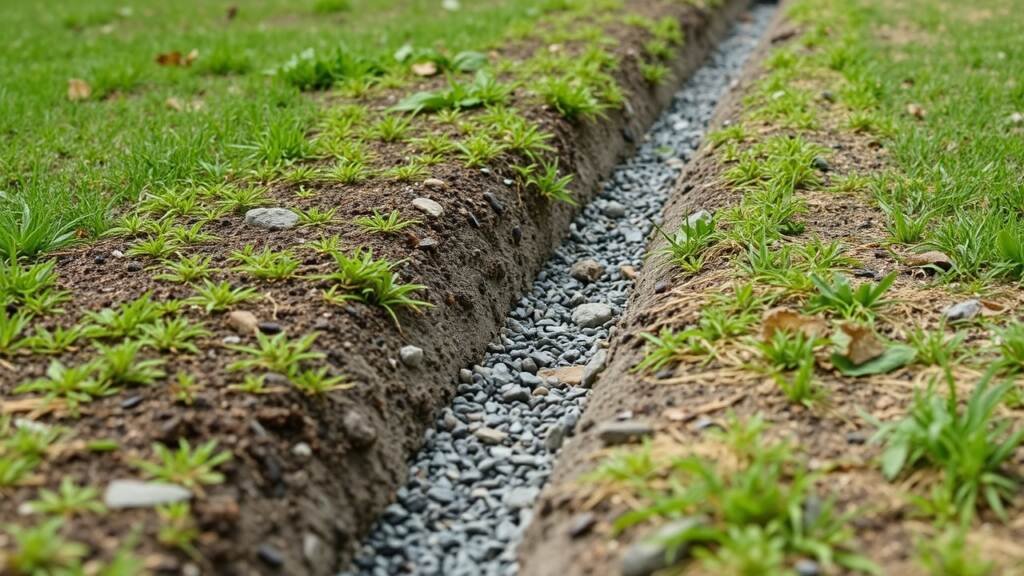
Healthy soil is the foundation of effective fertilization. Improve drainage and soil structure with these expert tips — Drainage and Soil Solutions for a Healthy, Sustainable Lawn Year-Round
Common Mistakes That Damage Lawn Health

Over-Fertilization: Signs and Solutions
Over-fertilization can severely damage your lawn, leading to fertilizer burn, which manifests as yellow or brown patches. This occurs when excessive amounts of nitrogen in the lawn fertilizer dehydrate the grass blades. Regular soil tests can help you avoid over-fertilization by providing insights into the nutrient levels in your soil. To rectify over-fertilization, water your lawn thoroughly to flush out the excess nutrients and restore the balance for a healthier lawn.
Ignoring Soil Health
Ignoring soil health is a common mistake that undermines the effectiveness of lawn fertilization. Healthy soil provides the foundation for a lush green lawn by supporting strong root growth and nutrient absorption. Compacted soil or soil with poor drainage can hinder grass growth, regardless of how much fertilizer you apply. Improve soil health by aerating your lawn, adding organic matter, and conducting regular soil tests to identify and address any imbalances for a healthier lawn.
Improper Timing of Fertilizer Application
Improper timing of fertilizer application can diminish the benefits of lawn fertilization. Applying lawn fertilizer during dormant periods or extreme weather conditions can lead to nutrient runoff and ineffective nutrient uptake. For best results, fertilize your lawn during its active growing season, typically in spring and fall, and avoid application before heavy rainfall. Timing the fertilizer application to coincide with the grass’s growth cycle ensures a healthier lawn.
Sustainable Fertilization Practices for Eco-Friendly Yards
Choosing Eco-Friendly Lawn Fertilizer
Choosing eco-friendly lawn fertilizer is crucial for sustainable lawn care. Organic fertilizers, such as compost, manure, and plant-based products, offer a natural way to feed your lawn while minimizing environmental impact. These fertilizers release nutrients slowly, promoting sustained grass growth and improving soil health over time. By choosing eco-friendly options, you can fertilize your lawn responsibly and contribute to a healthier planet, resulting in a healthier lawn.
Implementing Sustainable Lawn Care Techniques
Implementing sustainable lawn care techniques involves adopting practices that promote long-term soil health, conserve water, and reduce chemical inputs. It involves adopting practices that promote long-term soil health, conserve water, and reduce chemical inputs. Techniques such as grasscycling (leaving grass clippings on the lawn), proper watering, and integrated pest management contribute to a resilient and eco-friendly lawn. These practices not only enhance your lawn’s health but also minimize its environmental footprint, resulting in a healthier lawn.
Benefits of Sustainable Practices
The benefits of sustainable practices extend far beyond a lush green lawn. Sustainable lawn care reduces nutrient runoff, protects water quality, and promotes biodiversity. By using organic fertilizers and implementing eco-friendly techniques, you create a healthier ecosystem that supports beneficial insects and pollinators. A sustainable approach to lawn care not only beautifies your property but also contributes to a healthier environment for future generations, resulting in a healthier lawn.
Expert Fertilization & Lawn Maintenance by Destiny Landscape

How Destiny Landscape Can Help You
Destiny Landscape offers expert lawn fertilization and lawn maintenance services tailored to your specific needs. Our experienced professionals assess your lawn’s condition, conduct soil tests, and recommend the right fertilizer and lawn care plan for optimal results. We provide guidance on choosing the right fertilizer, proper watering techniques, and effective pest management strategies. With Destiny Landscape, you can achieve a lush green lawn without the hassle, resulting in a healthier lawn.
Customized Fertilization Plans
Our customized fertilization plans are designed to address the unique nutrient needs of your lawn. We consider factors such as grass type, soil composition, climate conditions, and your lawn care goals to develop a tailored fertilizer application schedule. Whether you prefer organic fertilizers or synthetic options, we provide expert recommendations to achieve a vibrant and healthy lawn. Our customized plans ensure your grass receives the precise nourishment it requires, resulting in a healthier lawn.
Long-Term Lawn Maintenance Strategies
Destiny Landscape provides long-term lawn maintenance strategies to ensure your lawn remains healthy and beautiful year-round. Our comprehensive services include regular mowing, aeration, weed control, and pest management. We focus on building soil health, promoting strong root growth, and preventing common lawn problems. With our proactive approach, you can enjoy a lush green lawn that enhances your property’s value and provides a comfortable outdoor space for years to come, resulting in a healthier lawn.