Embarking on a landscaping project can feel overwhelming. Many homeowners struggle with balancing aesthetics, functionality, and sustainability in their outdoor spaces. At Destiny Landscape, we transform these challenges into opportunities, creating stunning landscapes that enhance your property’s value and your quality of life. From initial design to meticulous installation, our team ensures your landscape design ideas become a vibrant reality.
Understanding the Principles of Landscape Design

The foundation of any successful landscaping project lies in understanding the core principles of landscape design. These principles guide the arrangement of landscape elements like plants, hardscapes, and water features, ensuring a harmonious and visually appealing outdoor space. By grasping these fundamentals, you can make informed decisions and effectively communicate your vision to a landscape designer.
Key Principles of Landscape Design
Several key principles underpin effective landscape design. These include unity, balance, proportion, emphasis, and rhythm.
| Principle | Description |
|---|---|
| Unity | Ensures all landscape design elements work together cohesively. |
| Balance | Creates visual equilibrium. |
Proportion considers the relative size of elements, and emphasis draws attention to focal points. Rhythm is achieved through the repetition of elements, creating a sense of movement and flow throughout the landscape plan.
Types of Landscapes to Consider
When you design a landscape, there are various types of landscapes to consider, each offering a unique aesthetic and functional appeal. A traditional garden design might incorporate formal flowerbeds and manicured lawns, while a native plant garden emphasizes indigenous species that thrive in the local climate. Consider your lifestyle and preferences when choosing the best type of landscaping for your needs, whether it is a front yard makeover or a complete backyard transformation.
Common Mistakes in Basic Landscape Design
Even with the best intentions, some common mistakes can derail a basic landscape design. Overlooking the importance of irrigation, selecting inappropriate plants, or neglecting the maintenance requirements of landscape plants are frequent pitfalls. Proper planning and careful consideration of the design process using landscape design software can help avoid these mistakes, ensuring a sustainable and beautiful landscape for years to come.
Creating a Landscape Design Plan
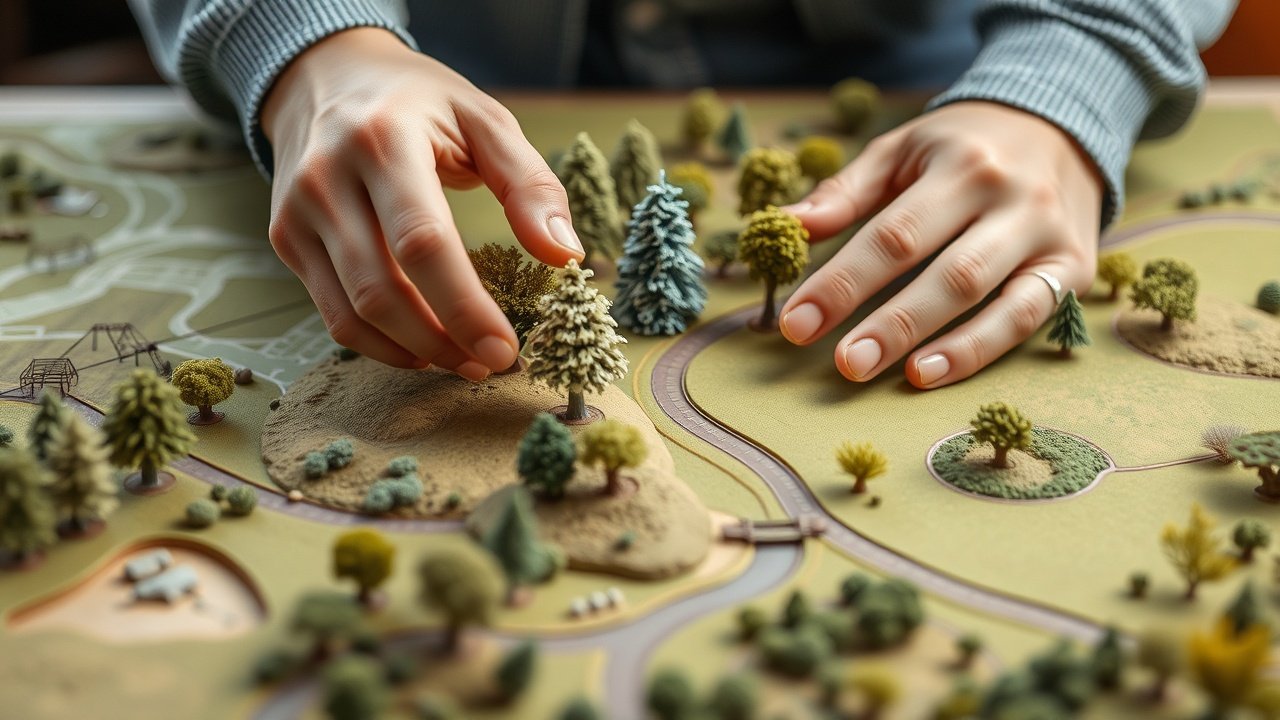
Creating a landscape design plan is a crucial step in any landscaping project, whether you’re dreaming of a serene garden design or a vibrant outdoor space for entertaining. A well-thought-out landscape plan helps you visualize the final outcome, ensuring that your design ideas align with your practical needs and aesthetic preferences. This plan should detail the placement of landscape plants, hardscapes, water features, and other landscape design elements to create a cohesive and functional environment.
Steps to Design a Landscape
Designing a landscape involves several key steps. A successful landscape design starts with a few considerations:
- A thorough site analysis, assessing existing conditions such as sunlight exposure, soil type, and drainage.
- Consideration of your lifestyle and how you intend to use the outdoor space.
Continue by developing a list of design ideas, thinking about the principles of landscape design, and then sketch out a preliminary landscape plan. Finally, refine your design, selecting plants and materials that complement your vision. By following these planning tips, you ensure a successful outcome of your new landscape design.
Using Landscape Design Software
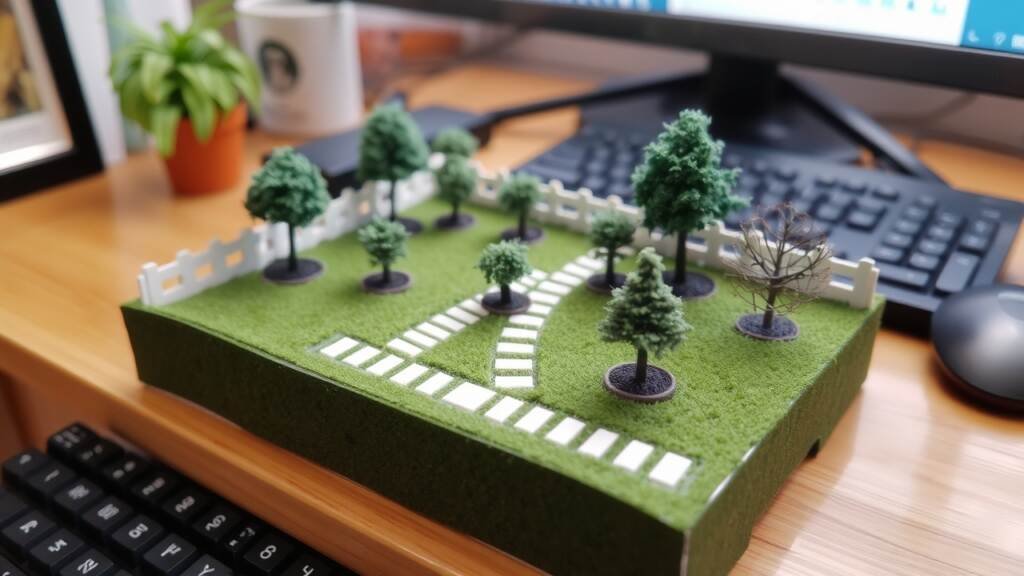
Landscape design software has revolutionized the way homeowners and professionals approach landscaping. These tools allow you to visualize your landscape design ideas in 3D, experiment with different planting schemes, and even estimate the costs associated with your landscaping project. Whether you’re planning a front yard makeover or a complete backyard transformation, landscape design software can help you create a detailed and realistic landscape plan. Many landscape designers use such software in their design process.
Essential Landscape Design Elements
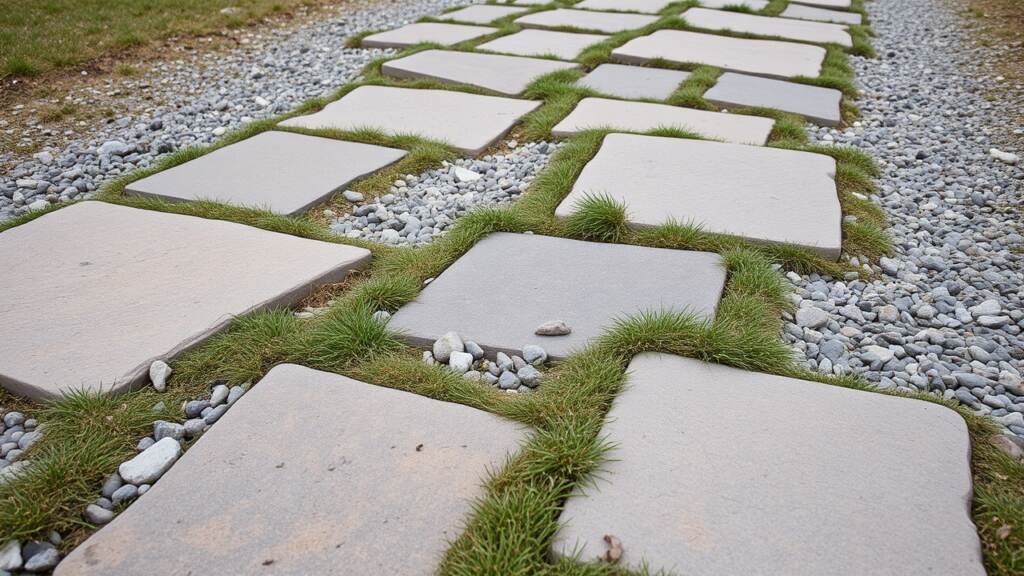
When crafting your landscape design, keep in mind the essential elements like plants, hardscapes, and water features that work together to create a cohesive outdoor space. Incorporating trees, shrubs, and groundcovers provides visual interest and ecological benefits. Hardscapes, such as patios and walkways, offer functional areas for relaxation and entertainment. Water features, like ponds or fountains, can add a soothing ambiance to your garden design, making sure that all of your landscape design ideas create the ultimate garden experience.
Choosing the Right Plants for Your Landscape
Selecting the right landscape plants is crucial for ensuring the longevity, beauty, and sustainability of your garden design. A thoughtful approach to planting considers various factors, including the local climate, soil conditions, and your aesthetic preferences. Whether you are planning a front yard makeover or transforming your entire backyard, understanding the characteristics of different landscape plants is essential for creating a thriving and visually appealing outdoor space. By carefully choosing your landscape plants, you can create a landscape design that flourishes with minimal intervention, showcasing your design ideas.
Benefits of Native Plants
Incorporating native plants into your landscape design offers numerous ecological and practical advantages. Native plants are adapted to the local climate and soil conditions, requiring less water, fertilizer, and maintenance compared to non-native species. By choosing native plants, you support local biodiversity, providing food and habitat for native insects, birds, and other wildlife. Consider creating a native plant garden, which will thrive with minimal care while enhancing the beauty and ecological value of your property. This approach aligns with sustainable landscaping principles and contributes to a healthier environment. Native plants are also a good idea for basic landscape design, as they often come in many varieties and thrive without extra care.
How to Plan a Native Plant Garden
Planning a native plant garden involves several key steps. To ensure a beautiful and sustainable garden, you should focus on the following:
- Research the native plants suitable for your region, considering factors such as sunlight exposure, soil type, and water availability.
- Design a landscape plan that groups plants with similar needs together, creating visually appealing and ecologically functional plant beds.
- Prepare the soil by removing invasive species and adding organic matter to improve drainage and fertility.
- Plant your native plants in the spring or fall, providing adequate spacing and irrigation to ensure successful establishment.
The principles of landscape design are still important, even when using native plants. Remember, planning tips will help achieve a beautiful and sustainable native plant garden that thrives for years to come.
Planting Tips for a Thriving Lawn
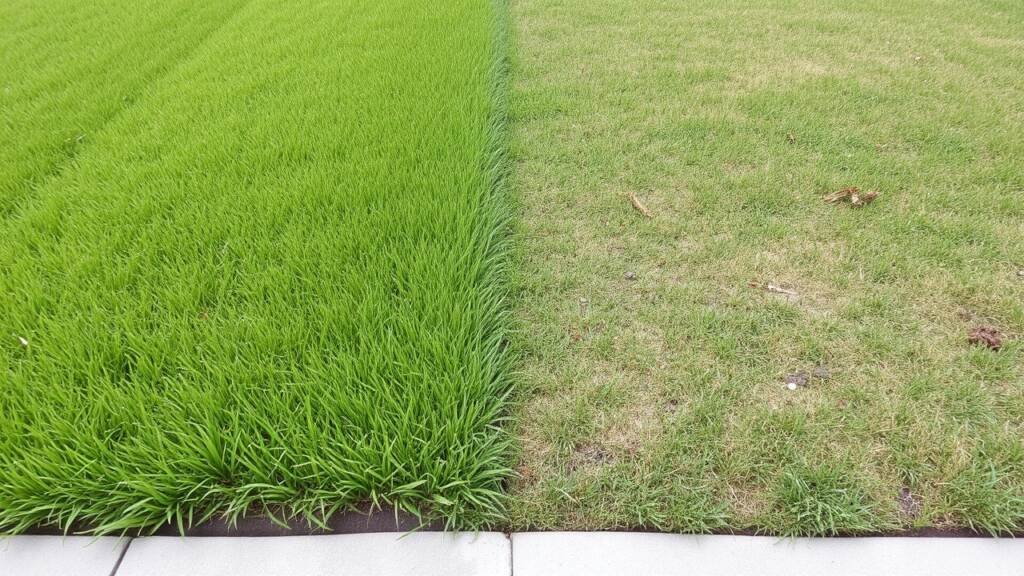
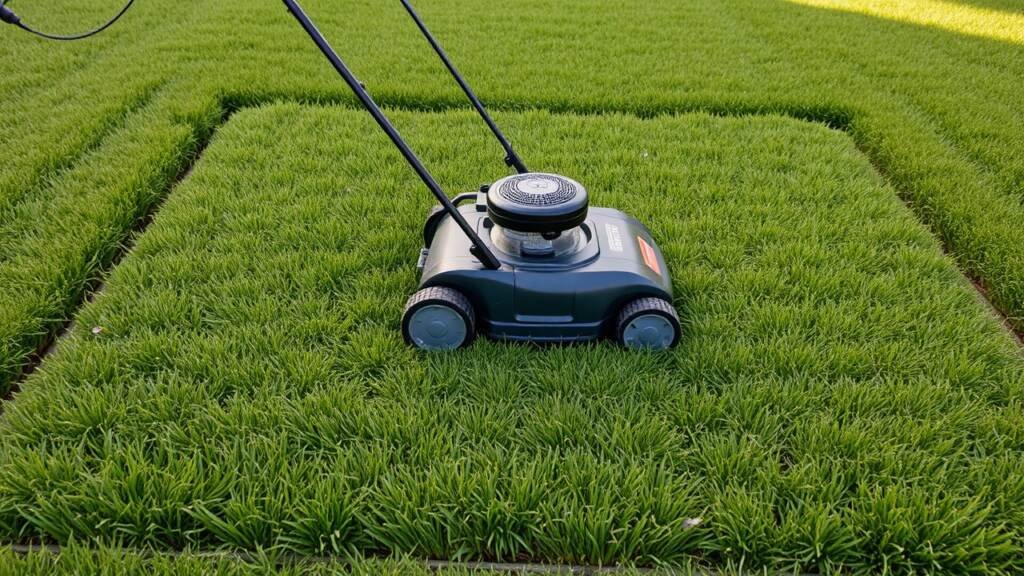
A lush, green lawn serves as the foundation for many landscape designs, offering a welcoming space for recreation and relaxation. To achieve a thriving lawn, proper planting techniques are essential. Begin by selecting a grass species that is well-suited to your climate and soil conditions. Prepare the soil by removing debris, leveling the surface, and amending with compost or other organic matter. Sow the grass seed evenly, following the recommended seeding rate. Keep the soil moist during germination, and avoid heavy traffic until the grass is well-established. Regular mowing, fertilization, and irrigation will help maintain a healthy, vibrant lawn that enhances the overall appeal of your outdoor space. If done properly, your new landscape design featuring a lush lawn will be the envy of your neighbors.
Maintenance Tips for Your Landscape
Aftercare for Newly Designed Landscapes
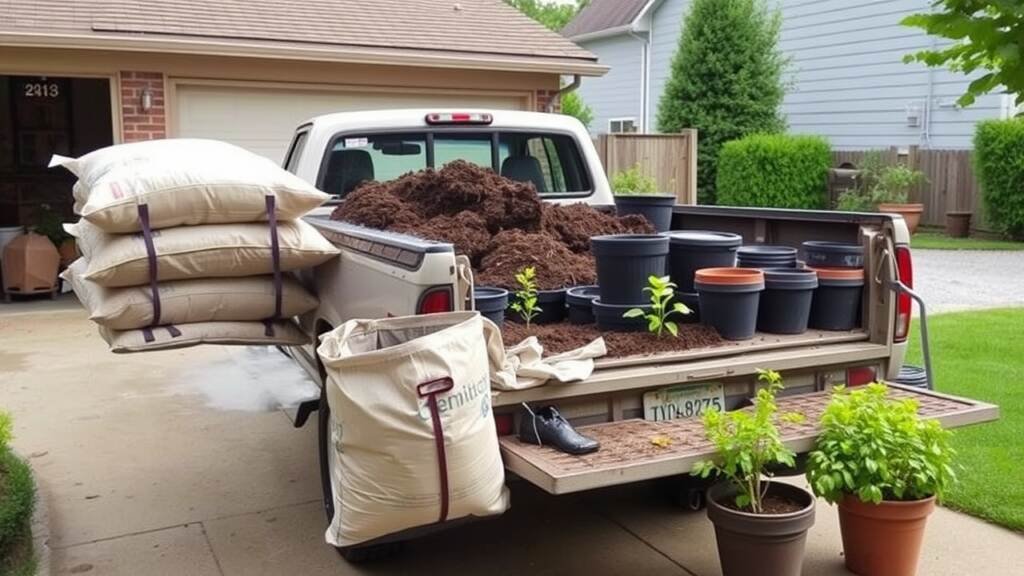
The care you provide immediately after a landscaping project is crucial. Proper irrigation is key to helping new landscape plants establish strong roots in their new environment. Monitor soil moisture levels and adjust your watering schedule accordingly. Mulching around plants helps retain moisture, suppress weeds, and regulate soil temperature. Protect your investment by diligently following aftercare guidelines, ensuring your new landscape design thrives. With careful attention, your newly planted shrubs and flowers will flourish, enhancing the beauty of your outdoor space for years to come.
Seasonal Maintenance Checklist
Maintaining a beautiful landscape requires adapting to the changing seasons. In the spring, focus on fertilizing your lawn and garden beds, pruning shrubs and trees, and planting new annuals and perennials. Summer calls for regular watering, weed control, and monitoring for pests and diseases. As autumn arrives, prepare your landscape for winter by removing fallen leaves, mulching garden beds, and protecting tender plants from frost. Winter maintenance involves pruning dormant trees and shrubs and ensuring proper drainage to prevent water damage. By following this seasonal checklist, your garden design will continue to shine.
Professional Landscape Designer Services
Hiring a landscape designer can greatly simplify the maintenance process. A professional landscape designer brings expertise in plant selection, the design process, and landscape plan development, ensuring your landscape is not only beautiful but also easy to care for. They can recommend low-maintenance landscape plants, design efficient irrigation systems, and provide ongoing maintenance services to keep your outdoor space looking its best. Investing in professional services saves time and effort while maximizing the long-term health and beauty of your landscape. The benefits of professional basic landscape design services are great and will last for years.
Case Studies: Successful Landscape Projects
Transformative Landscape Design Examples
Explore various case studies to see how landscape design can transform ordinary outdoor spaces into stunning retreats. One project might showcase a barren backyard transformed into a lush native plant garden, complete with a relaxing patio and a soothing water feature. Another example could illustrate a front yard makeover that dramatically enhances curb appeal and property value. These transformative landscape design examples demonstrate the power of creative landscape design ideas and skilled execution.
Client Testimonials and Experiences
Hearing from satisfied clients provides valuable insight into the benefits of professional landscaping services. Many homeowners rave about the enhanced beauty, functionality, and enjoyment their new landscape design brings to their daily lives. Others appreciate the increased property value and the eco-friendly features, such as native plants and efficient irrigation systems. These testimonials highlight the positive impact that thoughtful landscape design can have on both the aesthetic appeal and practical use of your outdoor space. All of this is part of planning tips on hiring a landscape designer.
Before and After Comparisons
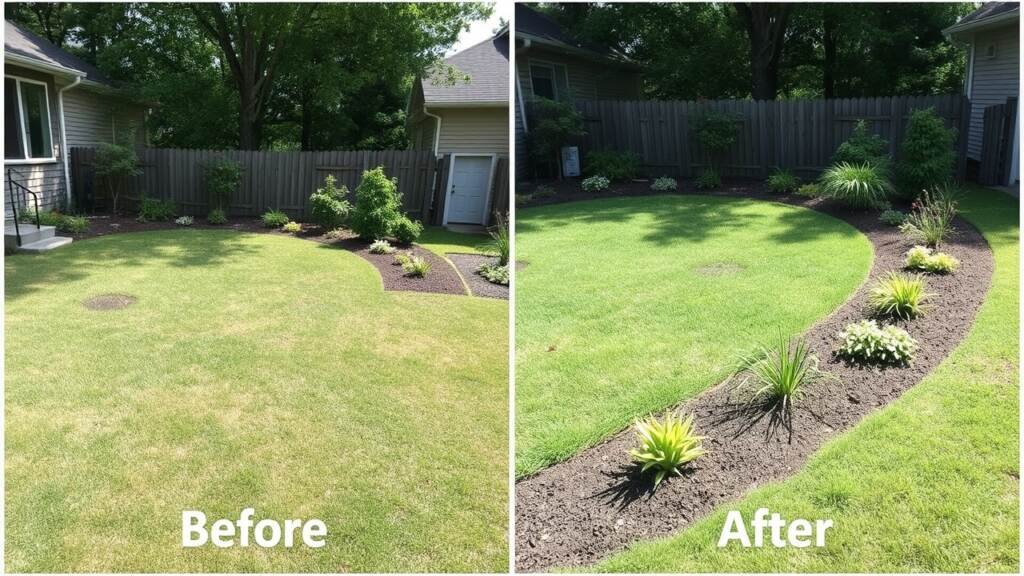
Visualizing the dramatic difference a well-executed landscape design can make is often best achieved through before-and-after comparisons. See how overgrown lawns are transformed into manicured gardens, how dull spaces become vibrant entertaining areas, and how neglected yards are revitalized with colorful landscape plants and carefully chosen hardscapes. These comparisons underscore the transformative power of landscape design and demonstrate the potential to create an outdoor space that truly reflects your personal style and enhances your property’s value, all while adhering to the principles of landscape design.