
Many homeowners eager to transform their outdoor space underestimate the landscape construction timeline. They often wonder, “How long does landscape construction take?” or “How long does landscaping take?”. Understanding the timeline involved in the residential landscape construction process will help you avoid frustration. Setting realistic expectations from the initial consultation is key. Destiny Landscape is experienced in helping homeowners understand realistic timelines.
What Influences a Landscape Construction Timeline?
Project Size and Complexity
The project size is the primary factor influencing the landscape construction timeline. A simple patio installation will take a few days, while a full-yard transformation, including outdoor kitchens and a water feature, can take several months. The scope of the project significantly impacts how long landscaping takes. A new landscape that includes a retaining wall, irrigation system, and extensive hardscaping will naturally extend the project timeline.
Property Conditions
Existing property conditions also play a crucial role in determining the landscape construction timeline. Challenging grading and drainage issues can significantly add to the timeline, as these problems need to be addressed before any landscape installation can begin. Unexpected site surprises, like buried utilities or unsuitable soil, can further extend the time it will take to complete the project. Professional landscape teams must adapt to these unforeseen circumstances.
Weather and Seasonality
Weather conditions and seasonality are external factors that heavily influence any outdoor construction project timeline. Inclement weather, such as heavy rain or extreme temperatures, can cause significant delays, especially during the construction phase. Material availability can also be affected by seasonal changes, particularly for plants and certain hardscape materials, impacting how long landscaping takes. This influences the project timeline.
Typical Phases of a Landscape Construction Project
Design and Planning
The design and planning phase is the first critical step in any landscape project. This phase includes the initial consultation, site assessment, and the development of the landscape design. Depending on the complexity of the landscape design and the homeowner’s decision-making process, this design process can take anywhere from a few weeks to several months. Understanding the timeline for the design phase is vital.
Site Preparation
Site preparation is a crucial phase involving grading, clearing, and addressing any drainage issues. This stage ensures a solid foundation for the new landscape. The project timeline for site preparation depends on the existing conditions of the property. Extensive grading or the removal of existing structures can take several weeks to complete before landscape installation can begin. The timeline is vital.
Installation and Finishing
The installation and finishing phase involves the actual construction of the landscape features. This includes the installation of hardscaping elements like patios and walkways, planting trees and shrubs, and installing the irrigation system. The timeline for this phase depends on the scope of the project and the material availability. Final touches, such as mulching and clean-up, complete the landscape project.
Timeline Estimates by Project Type
Patios and Walkways
Installing patios and walkways, essential elements of any outdoor space, typically takes less time than larger projects. A simple patio installation might take a few days, while a more elaborate design with intricate patterns or a large area could extend the landscape construction timeline to a couple of weeks. The material availability, such as the type of hardscape used, can also influence how long landscaping takes.
Driveways and Retaining Walls
Driveways and retaining walls, crucial for both functionality and aesthetics, involve more extensive site preparation and structural considerations. A driveway installation, including grading and paving, can take one to two weeks, depending on its size and the chosen materials. Retaining walls, essential for managing grading and preventing erosion, may take several weeks to complete, especially if engineering and permits are required for the landscape project.
Full-Yard Transformations
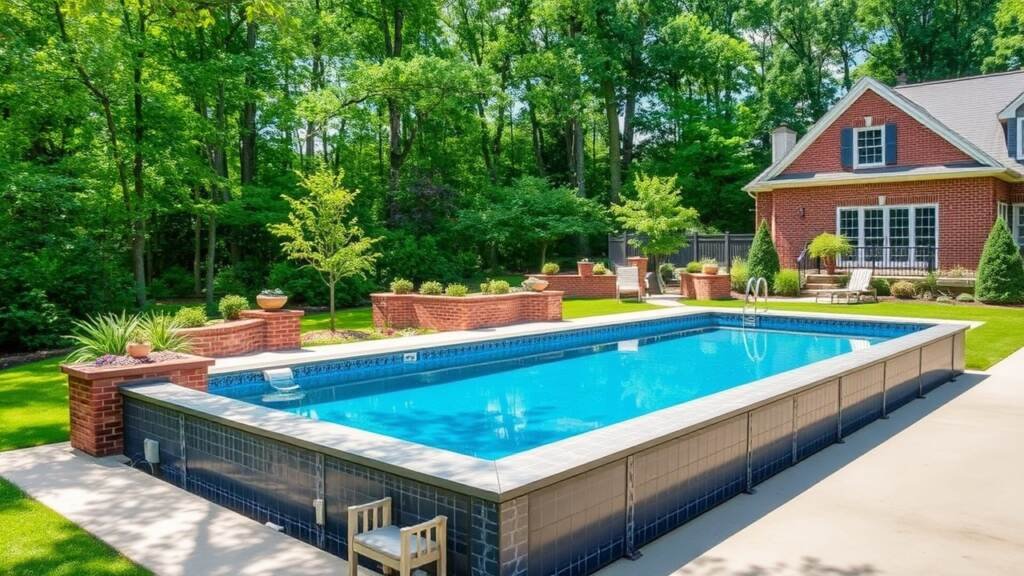
Full-yard transformations, which encompass a wide range of features like outdoor kitchens, water features, and extensive landscape installation, have the longest landscape construction timeline. These comprehensive projects often involve significant landscape design and take several months to complete. The project size, complexity, and coordination of multiple trades all contribute to the extended project timeline. Such projects require meticulous planning and execution by a professional landscape team.
How Weather and Permits Affect Scheduling
Seasonal Delays
Seasonal delays due to weather conditions can significantly impact the landscape construction timeline. Inclement weather, such as heavy rain, snow, or extreme temperatures, can halt construction activities and extend the overall project timeline. Certain landscape installation tasks, like pouring concrete or planting, are particularly sensitive to weather, making seasonal planning essential for timely project completion.
Permit Approvals
Permit approvals are a necessary step for many landscape projects, especially those involving structural elements like retaining walls or significant grading changes. The time it takes to obtain the necessary permits can vary widely depending on the local regulations and the complexity of the landscape design. Delays in permit approvals can push back the start date and affect the entire outdoor construction project timeline.
Material Availability
Material availability plays a crucial role in determining the landscape construction timeline. Shortages or delays in the delivery of materials, such as specific types of stone, pavers, or plants, can cause significant setbacks. This is especially true for specialized or custom materials. Effective communication between the landscape contractor and suppliers is essential to minimize these potential delays and keep the landscape project on schedule.
Common Causes of Project Delays
Design Changes
Changing the landscape design mid-project is a significant cause of delays in the landscape construction timeline. When homeowners alter their initial plans, even seemingly small changes can require redesigns, new material orders, and adjustments to the construction schedule. Clear communication and firm decision-making during the design phase are crucial to avoid these costly and time-consuming alterations and keep the landscape project on track. The entire landscaping takes a hit.
Site Surprises
Unexpected site surprises are another common reason for delays in landscape construction. These surprises can include buried utilities, unsuitable soil conditions, or the discovery of underground structures. Addressing these issues often requires additional excavation, soil testing, and remediation efforts, extending the project timeline. A professional landscape contractor will conduct a thorough site assessment upfront to minimize the risk of unforeseen problems.
Coordination Issues
Effective coordination among various trades and suppliers is essential for maintaining the landscape construction timeline. Delays can occur if subcontractors, such as electricians or plumbers, are not available when needed, or if materials are not delivered on time. Clear communication and proactive scheduling by the landscape contractor are vital to ensure a smooth workflow and minimize disruptions throughout the construction phase of the landscape project.
How Homeowners Can Help Keep Projects on Schedule
Clear Decision-Making
Homeowners play a crucial role in keeping landscape projects on schedule through clear and timely decision-making. Promptly approving the landscape design, selecting materials, and addressing any questions or concerns raised by the landscape contractor can prevent unnecessary delays. Being decisive and responsive streamlines the process, helping to maintain the project timeline and ensuring the landscape project takes a hit. Understanding the timeline is vital.
Site Access
Providing easy site access for the landscape contractor and their crew is essential for efficient project execution. Ensuring that equipment and materials can be delivered and moved around the property without obstacles helps maintain the landscape construction timeline. Clear pathways and designated staging areas can significantly speed up the landscape installation and minimize potential delays for the landscape project.
Communication Readiness
Open and consistent communication between the homeowner and the landscape contractor is paramount for keeping the landscape project on schedule. Regularly checking in with the contractor, promptly responding to inquiries, and addressing any concerns or issues as they arise can prevent misunderstandings and delays. Effective communication ensures that everyone is on the same page and helps maintain the project timeline.
Setting Realistic Expectations for Landscape Construction
Short-Term Disruption
Homeowners should anticipate some short-term disruption during the landscape construction process. Construction activities can be noisy, messy, and temporarily impact access to certain areas of the property. Understanding that these inconveniences are a necessary part of the process helps homeowners better manage their expectations and cope with any temporary disturbances to their outdoor space as landscaping takes place.
Long-Term Benefits
While there may be short-term inconveniences, the long-term benefits of a professionally designed and installed landscape far outweigh the temporary disruption. A well-executed landscape project enhances the beauty, functionality, and value of the property, providing years of enjoyment and increasing curb appeal. The new landscape provides long-term benefits.
Planning Ahead
Effective planning is essential for a successful landscape project and for understanding the timeline. Starting the design process early, obtaining necessary permits in advance, and carefully considering material selections can all help streamline the construction process and minimize potential delays. Planning ahead also allows homeowners to better prepare for the short-term disruption and fully enjoy the long-term benefits of their landscape project.
Conclusion
Understanding the landscape construction timeline is essential for homeowners embarking on outdoor renovation projects. By considering the factors that influence project duration and planning accordingly, homeowners can set realistic expectations and minimize unnecessary stress. Destiny Landscape brings years of experience in landscape design and construction, providing valuable insights into managing residential landscape construction process timelines and ensuring a smooth, satisfying project outcome. This helps everyone with understanding the timeline involved.