
Selecting the right landscape construction materials is essential for any outdoor space renovation or new landscape project. The longevity, aesthetics, and functionality of your landscape design heavily rely on this choice. Destiny Landscape understands that homeowners need a guide to landscape materials that covers everything from hardscape to softscape elements, ensuring their vision becomes a lasting reality.
Understanding Landscape Construction Materials
Structural vs Decorative Materials
Here’s a breakdown of landscape materials to consider for your project:
- Structural materials, like crushed stone and gravel, form the foundation of your project, ensuring proper drainage and stability for features like patios and retaining walls.
- Decorative materials, such as natural stone pavers and mulch, enhance the aesthetic appeal of garden beds and walkways, contributing to the overall landscape design.
The right materials must be chosen for both form and function.
Climate and Usage Considerations
Choosing the right landscaping materials also requires careful consideration of your local climate and the intended usage of your outdoor living space. In regions with heavy rainfall, selecting permeable pavers and implementing effective drainage solutions is crucial to prevent soil erosion and maintain the integrity of your landscape. Likewise, for high-traffic areas like driveways and walkways, durable hardscaping materials capable of withstanding frequent use are a must. Thoughtful selection ensures a sustainable landscape that thrives in its environment.
Hardscape Materials Explained
Concrete and Concrete Pavers
Concrete and concrete pavers stand out as a versatile material in landscape construction due to their durability and design flexibility. Ideal for patios, walkways, and driveways, these hardscaping materials offer a range of aesthetic appeal with various colors, shapes, and textures. When selecting the right materials for your outdoor space, consider concrete pavers for their cost-effectiveness and ease of installation. Destiny Landscape understands that choosing the right materials impacts both the look and longevity of your landscape project.
Natural Stone
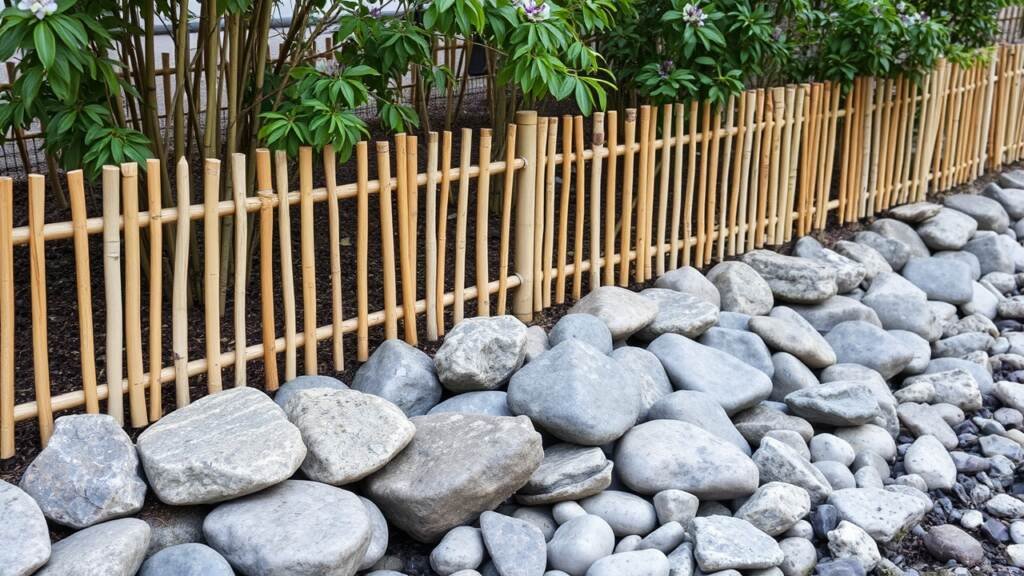
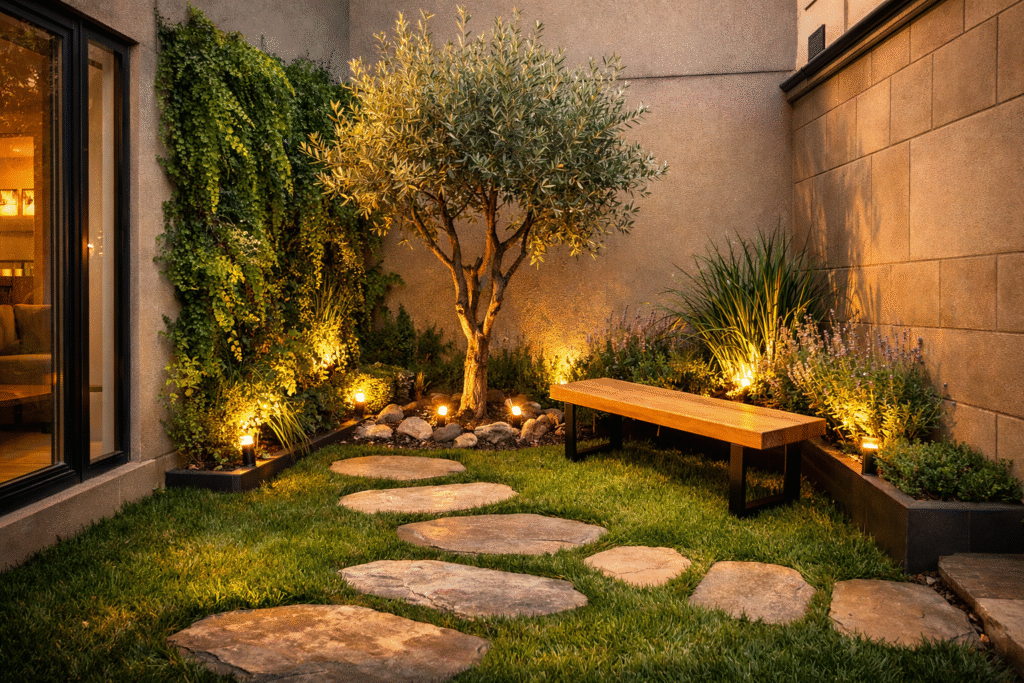
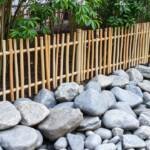
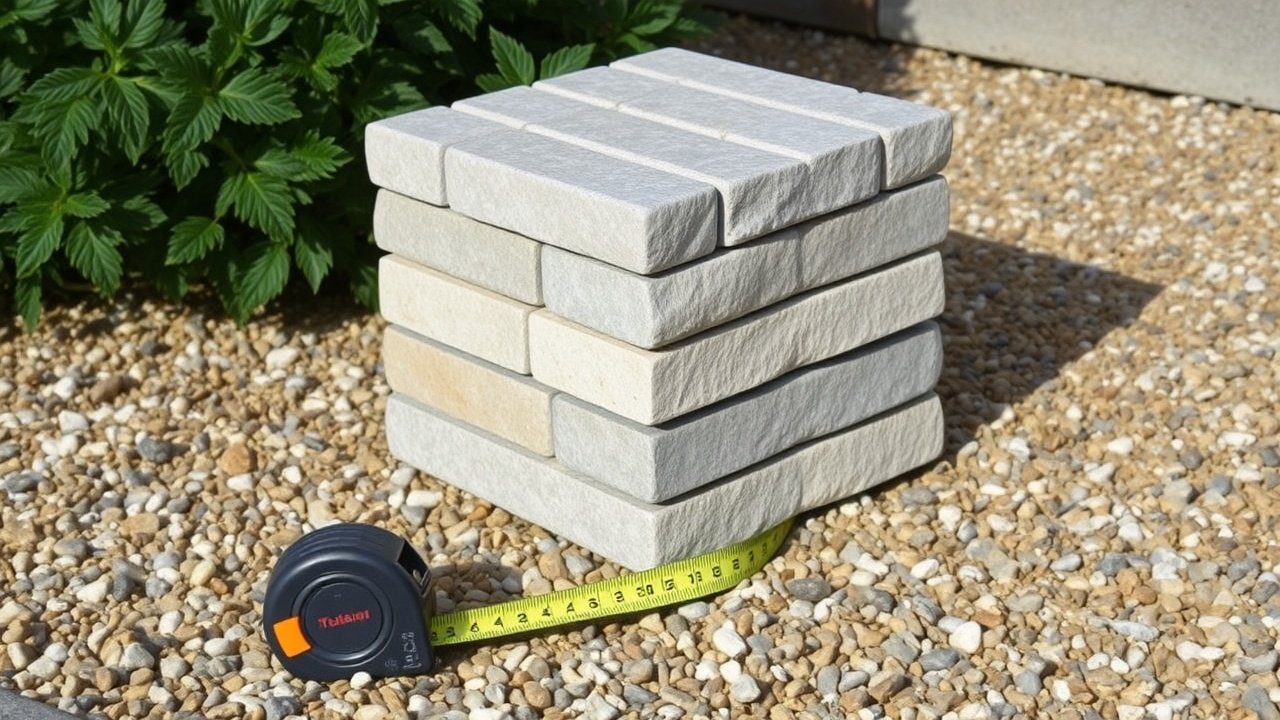
Natural stone brings timeless beauty and unmatched durability to any landscape design. From flagstone for patios to boulders for retaining walls, natural stone integrates seamlessly into outdoor space. Each piece is unique, offering a range of colors and textures that enhance the aesthetic appeal of your landscape. When choosing the right landscape materials, consider that natural stone requires minimal maintenance, making it an essential landscaping element for homeowners seeking long-lasting beauty and sustainability.
Brick and Masonry
Brick and masonry offer a classic touch to landscape construction, known for their durability and timeless aesthetic appeal. These landscape materials are excellent for creating walkways, patios, and retaining walls, adding a sense of warmth and character to any outdoor space. The use of brick and masonry in landscape design provides not only structural integrity but also design versatility. Homeowners appreciate that selecting the right materials, like brick, contributes to a sustainable landscape that withstands the test of time.
Base and Foundation Materials
Gravel and Crushed Stone
Gravel and crushed stone are essential landscaping materials when establishing a solid foundation for various landscape projects. These materials provide excellent drainage and stability for pathways, driveways, and patios. Selecting the right type of crushed stone is crucial for ensuring proper compaction and load-bearing capacity. When choosing materials for your landscape construction, remember that a well-prepared base of gravel and crushed stone contributes significantly to the longevity and stability of your outdoor space.
Sand and Compacted Base Layers
Sand plays a crucial role in creating compacted base layers for landscape construction. It provides a level surface for paving stones, patios, and walkways, ensuring stability and preventing shifting over time. Using the right type of sand, such as coarse sand, is essential for optimal compaction and drainage. When choosing the right landscape materials, remember that a properly installed compacted base layer of sand is fundamental to the success and durability of any hardscaping project within your landscape design.
Drainage Materials
Effective drainage materials are essential landscaping components for maintaining a healthy and sustainable landscape. These materials help to manage water runoff, prevent soil erosion, and protect your property from water damage. Proper drainage systems often include gravel, perforated pipes, and geotextile fabrics. By selecting the right drainage materials, homeowners can ensure that their outdoor space remains functional and aesthetically pleasing, even in regions with heavy rainfall. Considering drainage is crucial for any landscape construction project.
Softscape and Structural Add-ons
Soil Types and Amendments
Selecting the right soil types and amendments is crucial for healthy plant growth in any landscape project. Garden soil can be enhanced with compost and organic matter to improve drainage, aeration, and nutrient content. Topsoil provides a foundation for planting, while specific soil amendments can address unique soil conditions, ensuring your garden beds thrive. Understanding soil composition is essential for choosing the right landscape materials and creating a sustainable landscape that supports vibrant plant life and a thriving outdoor space.
Mulch and Ground Covers
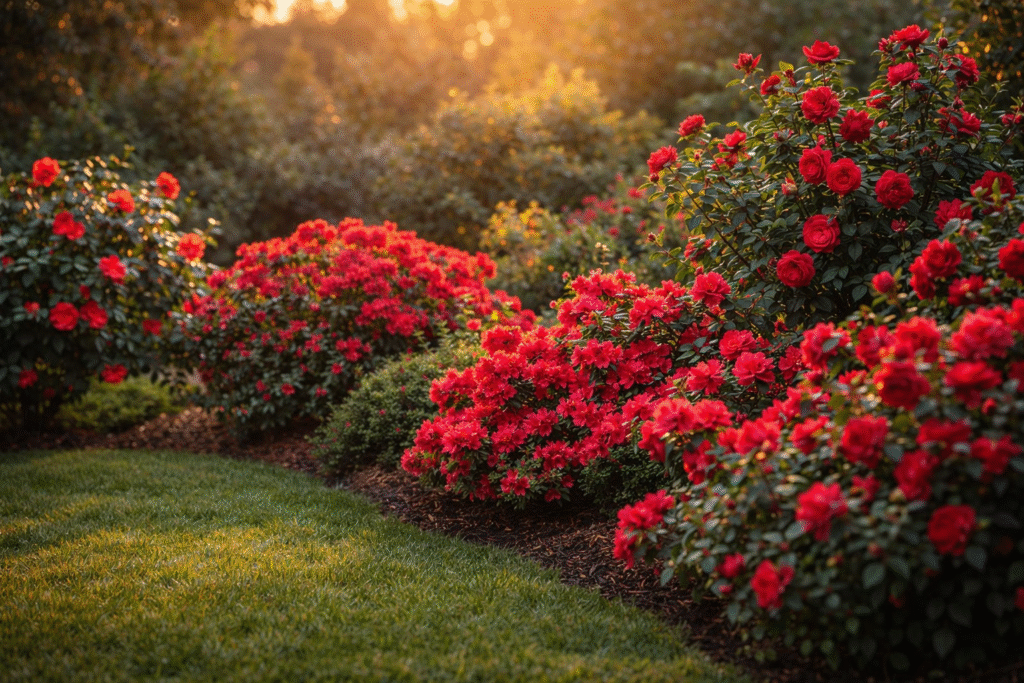
Mulch and ground covers are essential landscaping materials that enhance the aesthetic appeal and functionality of your landscape design. Mulch helps retain moisture, suppress weed growth, and regulate soil temperature, while ground covers prevent soil erosion and add visual interest to garden beds. Choosing the right mulch and ground cover depends on your plant selection and aesthetic preferences. These materials contribute to a sustainable landscape by reducing maintenance needs and promoting healthy plant growth.
Edging and Borders
Edging and borders define the boundaries of your landscape design, adding structure and aesthetic appeal to your outdoor space. These landscaping materials help to separate garden beds from walkways, driveways, and lawns, creating a clean and organized look. Options range from natural stone and pavers to metal and plastic edging, allowing for design flexibility to suit any style. Destiny Landscape knows that selecting the right edging and borders enhances the curb appeal and longevity of your landscape construction project, making it an essential landscaping consideration for homeowners.
Material Durability and Maintenance Considerations
Weather Resistance
Weather resistance is a critical factor when choosing the right landscape materials for your outdoor space. Materials must withstand the elements, including rain, sun, snow, and temperature fluctuations, to ensure long-term durability and aesthetic appeal. Natural stone, treated wood, and certain composite materials are known for their weather resistance, making them ideal choices for landscape construction. By selecting the right materials that can endure harsh weather conditions, homeowners can minimize maintenance and extend the lifespan of their landscape project, ensuring a sustainable landscape.
Load-Bearing Needs
When choosing the right materials, considering load-bearing needs is crucial for ensuring the structural integrity of your landscape project. Materials used in landscaping for driveways, retaining walls, and patios must be able to withstand the weight and pressure exerted upon them. Concrete, natural stone, and certain types of pavers are excellent choices for load-bearing applications. Properly installed base layers and adequate drainage are also essential for distributing weight and preventing structural failure, contributing to a safe and sustainable landscape.
Long-Term Upkeep
Long-term upkeep is a vital consideration when selecting landscape construction materials for your outdoor space. Choosing materials that require minimal maintenance reduces the time, effort, and cost associated with keeping your landscape looking its best. Materials like natural stone and composite decking are known for their durability and low maintenance requirements. Implementing proper drainage and irrigation systems also helps to minimize upkeep, contributing to a sustainable landscape that remains beautiful and functional for years to come. By choosing the right landscaping, homeowners ensure long-term satisfaction and enjoyment of their outdoor living areas.
Choosing Materials for Your Property
Budget Awareness
When planning a landscape construction project, budget awareness is essential for choosing the right materials. Homeowners should consider the initial cost of materials like natural stone, pavers, and mulch, as well as the long-term expenses associated with maintenance and replacement. Opting for cost-effective alternatives, such as concrete pavers or recycled materials, can help reduce project costs without compromising quality or aesthetics. Destiny Landscape understands the importance of balancing budget considerations with the desired aesthetic appeal to create a sustainable landscape that meets homeowners’ financial goals and design preferences. Careful planning ensures that the right materials are selected.
Style and Home Architecture
The style of your home architecture should heavily influence your choices of landscaping materials. For a modern home, consider sleek concrete pavers, metal edging, and minimalist plant selections for your landscape design. A traditional home might benefit from natural stone walkways, brick patios, and lush garden beds filled with colorful flowers and shrubs. Harmonizing your landscape with your home’s architectural style creates a cohesive and visually appealing outdoor space. When choosing the right landscaping, reflect on how your materials complement your home’s existing aesthetic. Destiny Landscape helps homeowners blend the landscape and architecture.
Regional Climate Factors
Regional climate factors play a crucial role in selecting landscape materials that can withstand local weather conditions. In regions with harsh winters, choose durable materials like natural stone or treated wood that can resist freezing and thawing. In hot, arid climates, opt for drought-tolerant plants, gravel mulch, and permeable pavers to conserve water and reduce irrigation needs. Destiny Landscape knows that when landscaping in areas prone to heavy rainfall, ensure proper drainage and erosion control measures. Selecting the right materials ensures a sustainable landscape that thrives in your specific environment, minimizing maintenance and maximizing longevity.
Common Material Selection Mistakes
Prioritizing Appearance Over Function
One common mistake homeowners make is prioritizing appearance over function when choosing landscape materials. While aesthetics are important, selecting materials solely based on their visual appeal can lead to long-term problems and costly repairs. Ensure materials like pavers are durable enough for their intended use, that retaining walls provide adequate support, and drainage solutions are effective at managing water runoff. Balancing aesthetic appeal with functional requirements is crucial for creating a sustainable landscape. Destiny Landscape guides homeowners to ensure their landscape project is both beautiful and functional.
Ignoring Drainage Needs
Ignoring drainage needs is a significant error that can lead to water damage, soil erosion, and structural issues in your landscape design. Proper drainage systems are essential for managing water runoff, preventing standing water, and protecting your property from water damage. Ensure that your landscape includes adequate drainage solutions, such as French drains, permeable pavers, and proper grading. Addressing drainage needs from the outset is crucial for preventing costly problems down the road and maintaining a healthy and sustainable landscape. Neglecting this essential landscaping element can result in long-term issues.
Mixing Incompatible Materials
Mixing incompatible materials in your landscape project can lead to aesthetic inconsistencies and structural problems. Combining certain types of stone with specific mortars, or using dissimilar metals in close proximity, can cause corrosion and deterioration over time. Ensure that all materials used in your landscape construction are compatible with each other in terms of texture, color, and chemical properties. Consulting with landscape professionals or landscape supply experts can help you choose the right materials that work well together, creating a cohesive and long-lasting landscape design that will avoid future issues and retain moisture properly.
- Artificial grass installation in los angeles – free estimate
- Native Plant Landscaping: A Garden for You and Nature
- Seasonal Landscaping Advice for a Beautiful Yard All Year
- Lawn & Garden Care Services – Creating Healthy, Beautiful Outdoor Spaces with Duong Lawn & Garden Care
- 10 micro garden ideas that bring big impact in small spaces