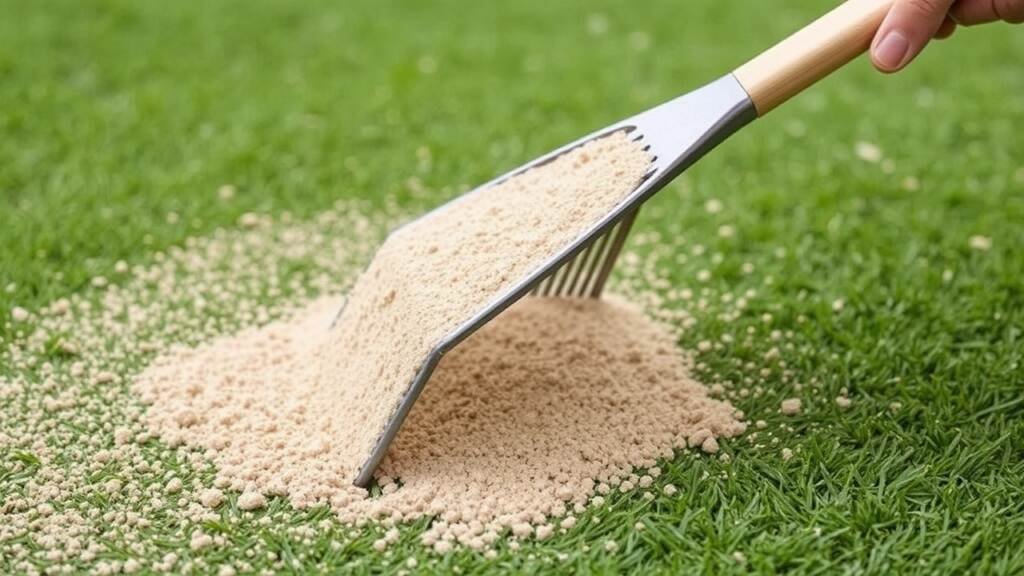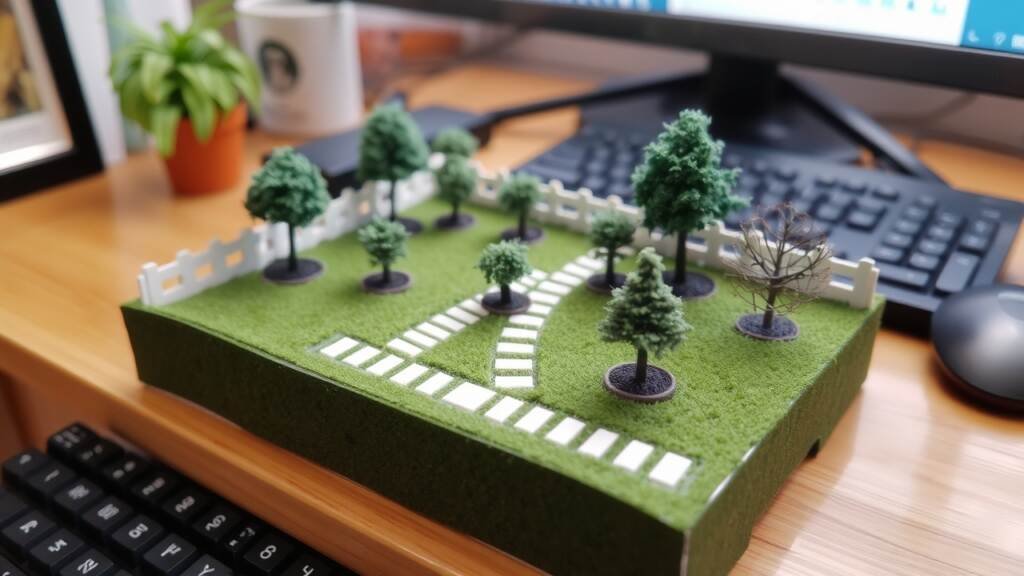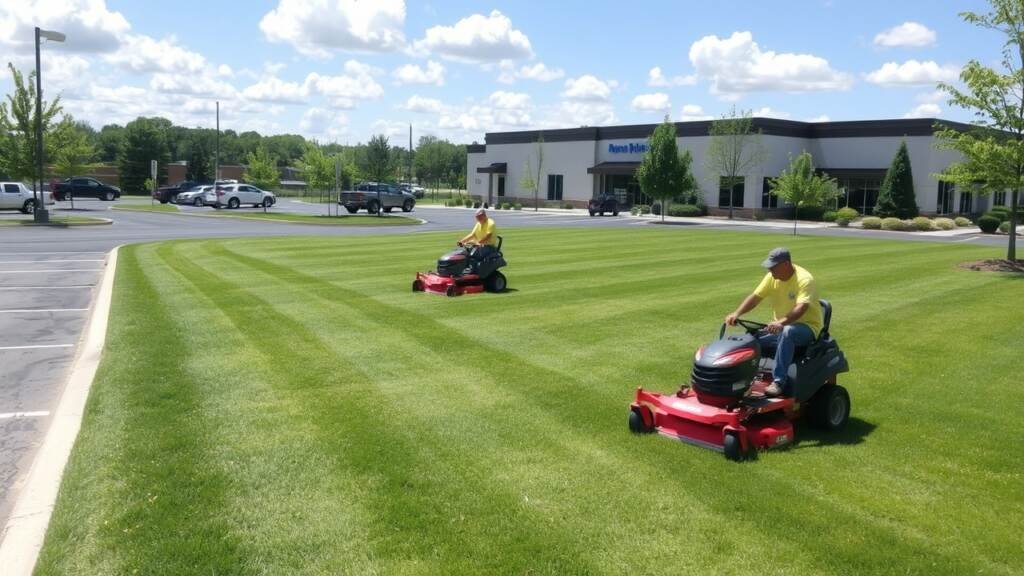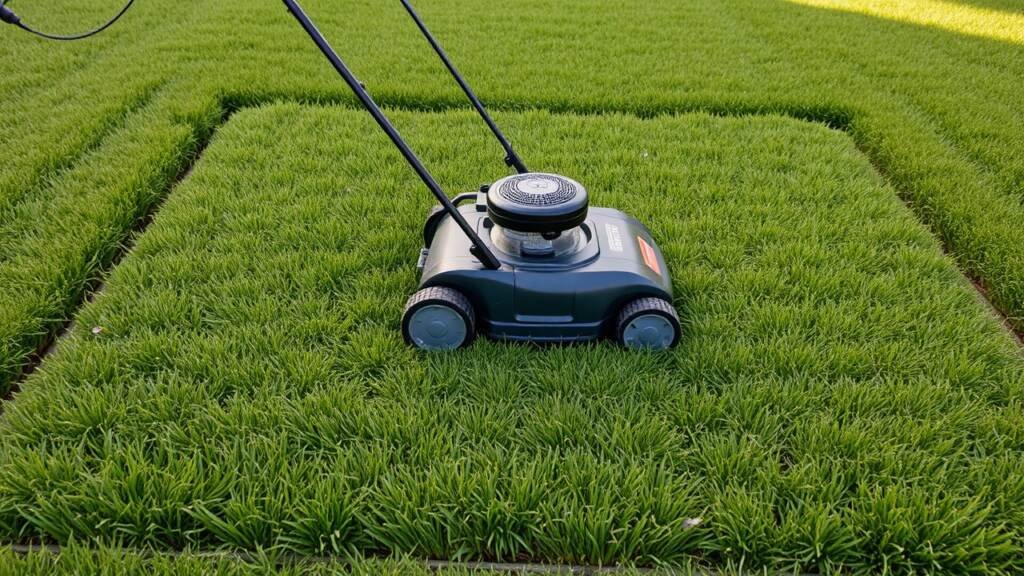
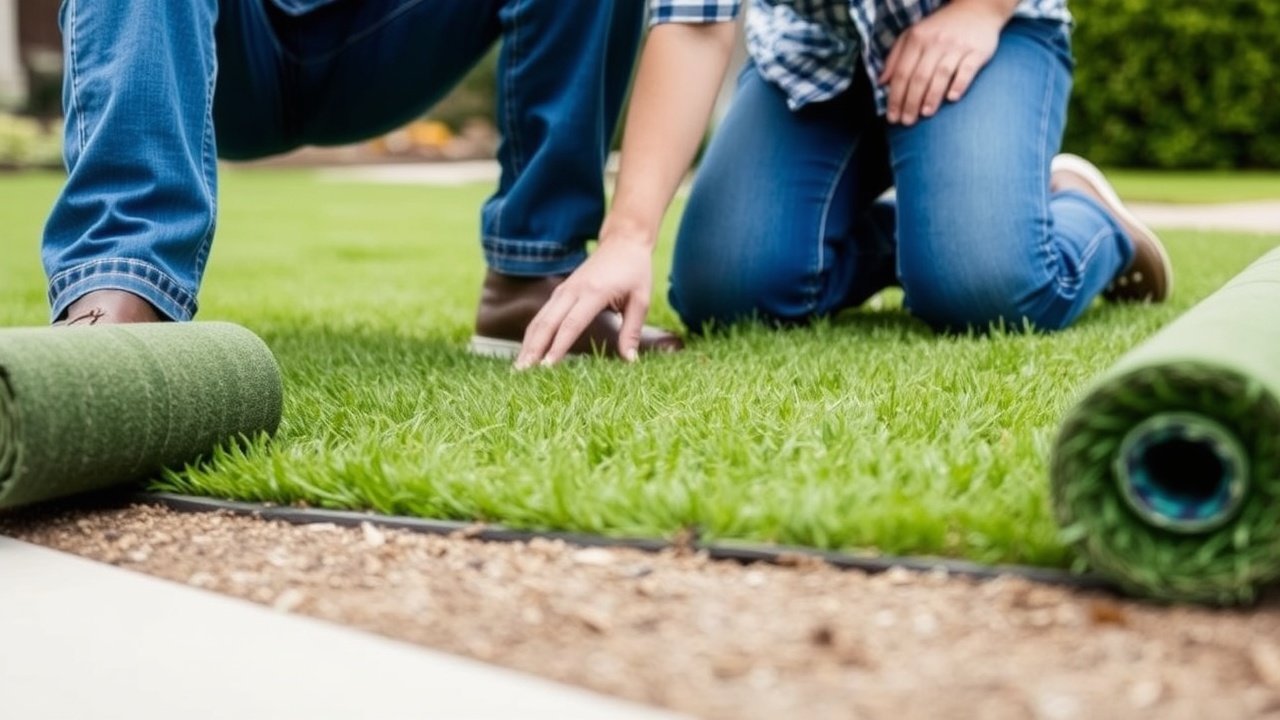
For homeowners contemplating landscape improvements, the question, “Is grass installation worth the investment?” often arises. A lush, green lawn is a quintessential part of the American dream, but the upfront cost and ongoing maintenance costs can give pause. This article explores the factors that determine whether installing real grass or artificial turf offers a solid return on investment for your property, considering both the tangible and intangible benefits.
Why Homeowners Still Invest in Lawns
Curb appeal and first impressions
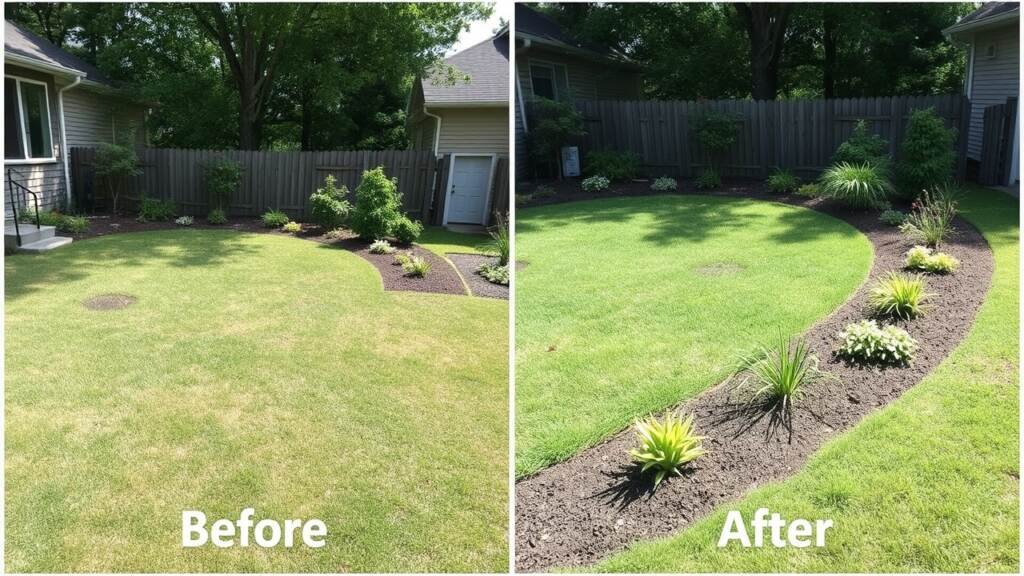
Curb appeal is a significant factor driving grass installation decisions. A well-maintained natural lawn or high-quality artificial lawn instantly boosts a property’s aesthetic, creating a positive first impression for visitors and potential buyers. The visual appeal of a vibrant green outdoor space can significantly impact how a home is perceived and influence its market value.
Outdoor usability and lifestyle benefits
A natural grass lawn or even artificial grass provides a versatile outdoor space for relaxation, recreation, and entertainment. Whether it’s a play area for children, a spot for family barbecues, or a serene garden retreat, the usability of a well-manicured lawn enhances a homeowner’s lifestyle. The durability of modern turf can withstand heavy foot traffic, making it ideal for active families and frequent gatherings.
Perceived property value impact
Many homeowners believe that a healthy, attractive natural grass lawn or well-installed artificial turf increases property value. While the exact impact can vary depending on location and market conditions, a visually appealing landscape contributes to the overall desirability of a home. Investing in grass installation can be seen as a strategic move to enhance the perceived value of the property, whether artificial grass or real grass.
Understanding the True Cost of Grass Installation
Upfront installation expenses
The initial cost of grass installation varies significantly depending on whether you choose natural grass or artificial turf. Here’s a breakdown of the typical expenses:
| Grass Type | Typical Installation Expenses |
|---|---|
| Natural Grass | Grading, soil preparation, sod or seed, and initial watering. |
| Artificial Turf | Synthetic turf, base materials, professional installation labor, and any necessary site preparation. |
Homeowners should get detailed quotes for both options to understand the upfront cost per square foot.
Ongoing maintenance and water costs
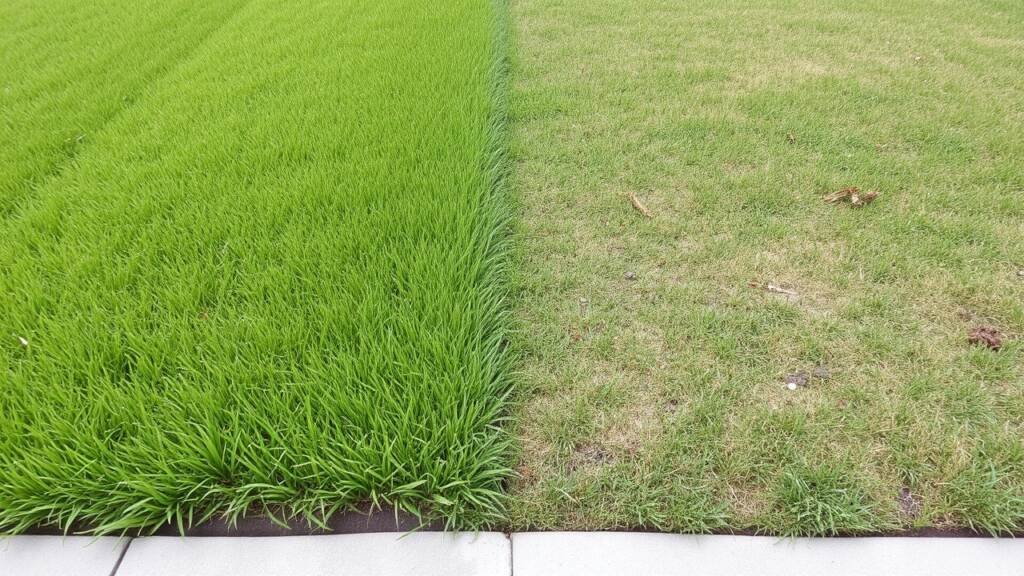
Maintenance costs are a key differentiator between natural and artificial grass. Consider the following comparison:
| Feature | Natural Grass | Artificial Grass |
|---|---|---|
| Maintenance Activities | Regular mowing, fertilizing, watering | Occasional cleaning |
| Maintenance Needs | Requires significant water usage | Reduces the need for significant water usage |
While artificial turf may require occasional cleaning, the long-term cost savings on maintenance compared to natural grass can be substantial, especially where water is scarce.
Repair and replacement considerations
Both natural grass and artificial turf may require repairs or eventual replacement. Natural grass can suffer from diseases, pests, and wear and tear, leading to patchy areas that need reseeding or resodding. Artificial turf, while durable, can degrade over time due to UV exposure and heavy use. The longevity of artificial turf varies, and while the initial investment is higher, the replacement timeline might be longer than that of a natural lawn if you ensure proper installation.
Natural Grass vs Artificial Turf: Investment Comparison
Initial cost differences
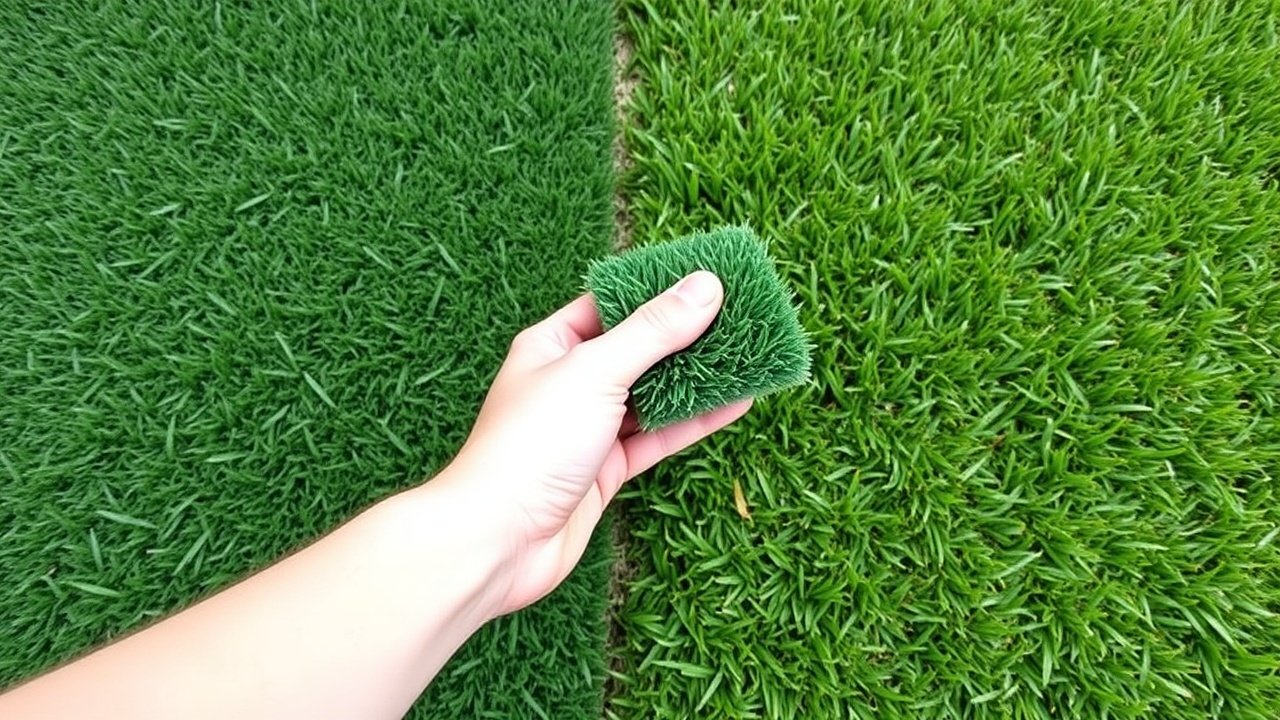
The initial cost is a key factor when comparing natural grass and artificial turf. Generally, natural grass installation has a lower upfront cost compared to artificial turf installation. However, this only considers the initial expense. The installation cost of synthetic turf or artificial grass is considerably more per square foot. Weighing these upfront costs against long-term maintenance is crucial when determining which is the better financial decision, whether it’s worth it.
Maintenance and lifespan
Maintenance costs and lifespan are critical components of the overall investment. Here’s a comparison of natural and artificial lawns:
| Feature | Natural Lawn | Artificial Grass |
|---|---|---|
| Maintenance | Continuous upkeep (mowing, watering, fertilizing, pest control) | Low-maintenance, minimal upkeep, reduces water consumption |
| Lifespan | Not specified | 15 to 20 years |
Artificial grass can potentially offset the higher initial cost with long-term savings and reduced labor, whether it’s worth it or not.
Climate and usage suitability
Climate and usage patterns significantly influence the suitability of natural grass versus artificial turf. In regions with ample rainfall and moderate temperatures, a natural lawn can thrive with relatively less effort. However, in arid climates or areas with water restrictions, artificial grass offers a more sustainable and cost-effective solution, as it reduces water usage. High-traffic areas, such as playgrounds or pet areas, may benefit more from the durability and resilience of artificial turf.
Factors That Determine Long-Term Value
Climate and soil conditions
Climate and soil conditions play a pivotal role in determining the long-term value of grass installation. In regions with extreme temperatures or limited rainfall, maintaining a natural grass lawn can be challenging and costly, impacting its overall worth. Installing artificial grass in such areas can provide a more sustainable, low-maintenance alternative. Proper soil preparation is crucial for natural grass to thrive, affecting its longevity and appearance.
Yard size and usage frequency
The size of the yard and how frequently it’s used significantly impact the return on investment of grass installation. For large yards, the upfront cost of artificial turf installation may be substantial, but the maintenance cost savings over time can be considerable. High-traffic areas benefit from the durability of artificial grass, while natural grass may require frequent repairs in areas with heavy use.
Local regulations and water restrictions
Local regulations and water restrictions can significantly influence the value of a lawn. Areas with strict water usage limitations may find artificial grass a more practical and cost-effective solution, as it reduces water consumption. Compliance with local ordinances regarding landscaping can also impact property value and the overall desirability of a home, further determining whether it’s worth the investment.
When Grass Installation Delivers Strong ROI
Residential resale potential
Grass installation can significantly boost a home’s residential resale potential. A well-manicured natural grass lawn or a professionally installed artificial turf enhances curb appeal, attracting potential buyers. The perceived value of a home increases with a visually appealing outdoor space. Investing in high-quality artificial grass or maintaining a lush natural lawn is a worthwhile investment for homeowners looking to increase their home’s market value.
Family-friendly outdoor spaces
Creating family-friendly outdoor spaces is another area where grass installation delivers a strong return on investment. A safe, durable lawn, whether natural grass or artificial grass, provides an ideal area for children to play and families to gather. The benefits of artificial grass include its low-maintenance nature and consistent appearance, making it a practical choice for busy families looking to maximize their outdoor space without the constant upkeep of a natural lawn.
Rental and commercial properties
For rental and commercial properties, grass installation can provide an excellent return on investment by enhancing the property’s appeal and reducing maintenance costs. A well-maintained lawn, be it natural grass or artificial turf, attracts tenants and customers, contributing to higher occupancy rates and business revenue. The durability and low-maintenance nature of artificial grass offers long-term cost savings, making it a strategic investment for property owners.
When the Investment May Not Make Sense
Extreme drought regions
In extreme drought regions, the investment in a natural lawn may not make sense due to the high water costs associated with maintaining it. Installing artificial grass or synthetic turf becomes a more practical and sustainable solution, significantly reduces water usage. Homeowners in these areas should carefully consider the environmental impact and long-term maintenance costs when deciding whether it’s worth the investment in a natural lawn.
Low-use or shaded areas
For low-use or shaded areas, the investment in natural grass may not yield a satisfactory return on investment. Natural grass requires sunlight to thrive, and shaded areas often result in patchy, unhealthy lawns. In such cases, other landscaping options like ground cover or artificial grass might be more suitable. Homeowners should assess the amount of sunlight their outdoor space receives before deciding on grass installation.
Budget constraints
When budget constraints are a primary concern, investing in extensive grass installation, especially artificial turf installation, might not be feasible. The upfront cost of artificial turf can be significant, and while maintenance costs are lower in the long run, the initial investment can be a barrier. Homeowners with limited budgets may consider smaller lawn areas or explore more affordable landscaping alternatives, such as planting native, drought-resistant species, to manage expenses.
Professional Perspective from Destiny Landscape
Site-specific planning
At Destiny Landscape, we emphasize site-specific planning for every grass installation project. Understanding the unique characteristics of your outdoor space, including soil composition, sunlight exposure, and drainage patterns, is crucial for success. Whether artificial grass or natural grass is considered, a detailed assessment ensures the chosen option will thrive. Proper installation begins with careful planning tailored to your property’s specific needs.
Climate-aware grass selection
Selecting the right type of grass is paramount for a sustainable and visually appealing lawn. Destiny Landscape takes a climate-aware approach, recommending varieties that are well-suited to your region’s temperature, rainfall, and humidity levels. For homeowners seeking natural grass, we suggest drought-resistant species in arid climates. Alternatively, we guide clients through the selection of high-quality artificial grass options that provide low-maintenance benefits without compromising aesthetic appeal.
Installation quality and longevity
Destiny Landscape prioritizes installation quality to maximize the longevity of your grass installation. Whether it’s a natural lawn or artificial turf, our experienced team ensures that every step, from soil preparation to final grading, is executed with precision. By using industry-leading techniques and high-quality materials, we help homeowners protect their investment and enjoy a beautiful, durable lawn for years to come, regardless of whether artificial grass or natural grass.
- Lawn & Landscape Irrigation System Service by Irrigation Specialists
- Small backyard layouts that maximize space (u.s. style)
- Fall Landscaping Checklist: Prepare Your Lawn and Garden for Winter
- How to Design a Backyard Patio that Adds Value to Your Home
- Best mowing height for a healthy lawn (complete chart)