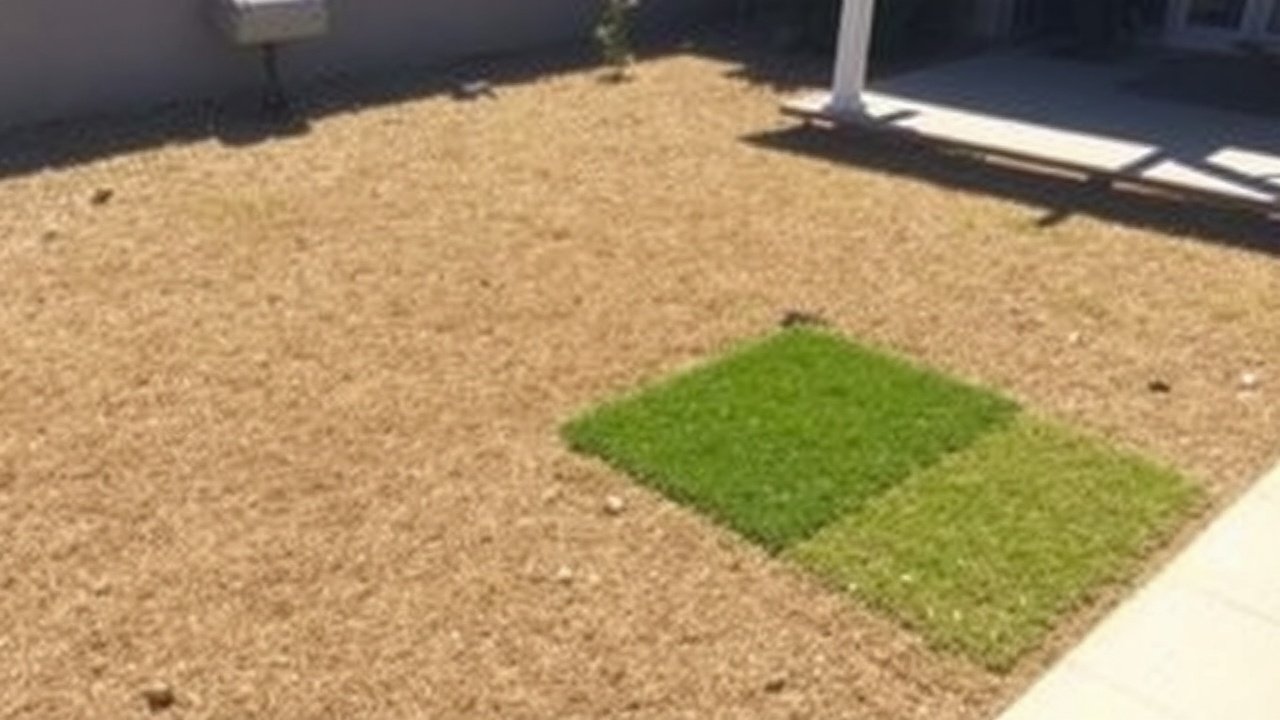
For homeowners in drought-prone areas, maintaining a lush, green lawn can feel like a constant battle against nature. Water restrictions, rising utility costs, and relentless sun exposure turn traditional grass maintenance into an expensive and often futile endeavor. This article explores whether artificial grass is a viable and worthwhile alternative, carefully weighing its benefits and drawbacks in arid climates.
Why Drought Conditions Are Changing Lawn Choices in the U.S.
Across the United States, but particularly in states like California, Arizona, Nevada, and Texas, increasingly severe drought conditions are forcing homeowners to reconsider their landscaping choices. What was once a simple matter of preference is now dictated by necessity, as water conservation becomes a critical concern for both individual households and entire communities, leading to a shift away from grass lawns.
Water restrictions and rising utility costs
Drought conditions are leading to increasingly strict water restrictions for homeowners. Local governments are limiting the number of days and times when residents can irrigate their lawns, sometimes imposing heavy fines for non-compliance. This, coupled with the rising cost of water, makes maintaining natural grass an expensive proposition. Homeowners are actively searching for turf solutions to mitigate the financial burden.
Challenges of maintaining natural grass during drought
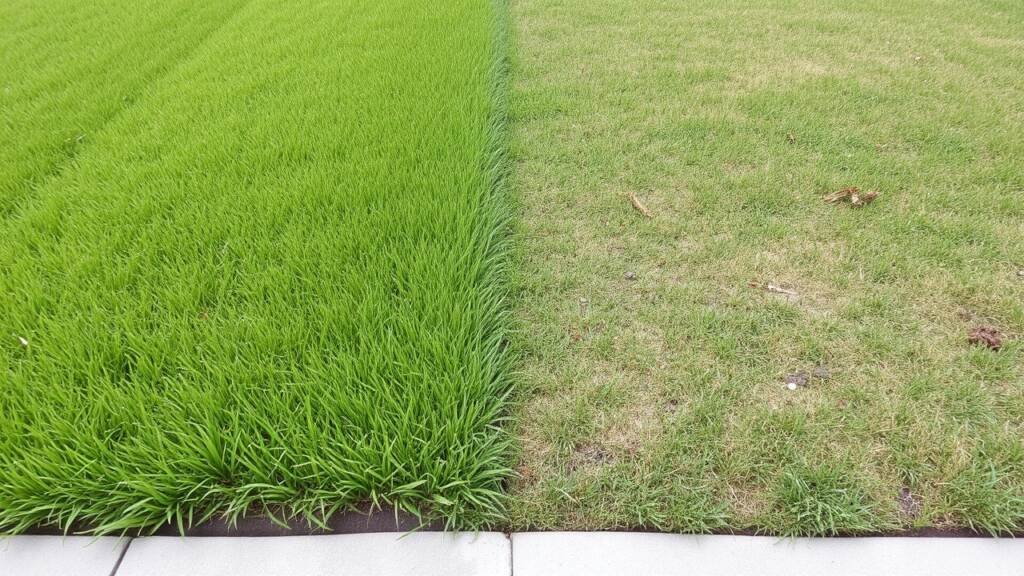
Even without formal restrictions, maintaining real grass in drought-prone areas presents significant challenges. The intense heat and lack of rainfall stress the grass, making it susceptible to diseases and pests. Keeping the grass alive often requires excessive water usage, negating water conservation efforts and resulting in a perpetually struggling landscape. This prompts many to seek the benefits of artificial grass.
How Artificial Grass Performs in Dry Climates
In contrast to natural grass, artificial grass offers a seemingly perfect solution for drought-stricken regions. It eliminates the need for watering, reducing both water bills and environmental impact. However, it’s crucial to understand how synthetic turf performs under harsh weather conditions, considering factors like heat retention and durability.
Water savings and irrigation reduction
One of the most significant benefits of artificial grass is the dramatic reduction in water usage. Traditional grass requires regular irrigation, consuming gallons of water per week to maintain its appearance. By installing artificial grass, homeowners can eliminate this need entirely, saving significant amounts of water and lowering their water bill. This is especially appealing in areas where water conservation is a high priority.
Heat retention and surface temperature concerns
While artificial turf doesn’t require watering, it can absorb and retain more heat than natural grass. This can lead to higher surface temperatures, making it uncomfortable to walk on during hot weather. Factors like the type of infill used and the color of the turf can affect heat retention. Choosing infill wisely can drastically change turf’s temperature on hot days.
Durability under sun exposure
The intense sun exposure in drought-prone areas can degrade some types of artificial grass over time. High-quality synthetic turf is designed to be resilient and UV-resistant, ensuring it maintains its color and structural integrity for many years. However, cheaper options may fade or break down more quickly, requiring costly replacements. Choosing artificial turf that is UV-resistant can prolong its lifespan.
Environmental Trade-Offs of Artificial Grass
While the water conservation benefits of artificial grass are clear, it’s essential to consider the broader environmental impact when deciding if installing artificial grass is the right choice. The production, transportation, and disposal of synthetic turf involve energy consumption and potential pollution. Understanding these trade-offs is crucial for making an informed decision about your lawn and the environment. Choosing the right artificial turf for your lawn requires weighing the options for the best result.
Water conservation vs material manufacturing impact
Natural grass requires constant water usage, especially in drought-prone areas. Switching to artificial grass significantly reduces water per year, thus contributing to water conservation. However, the manufacturing of synthetic turf involves energy-intensive processes and the use of materials like petroleum. It’s a balance between saving gallons of water on lawn care and the environmental cost of producing the synthetic grass itself. The production of artificial turf has an environmental upfront cost that one needs to consider.
Drainage and soil health considerations
Installing artificial turf can impact the soil beneath it. Real grass allows water to permeate into the ground, replenishing groundwater and supporting soil health. Artificial grass, on the other hand, can impede this natural process, potentially leading to soil compaction and reduced microbial activity. Proper turf installation with adequate drainage systems can help mitigate these effects and preserve the health of the underlying soil. Installing artificial grass correctly will ensure proper drainage.
Long-term sustainability questions
The lifespan of artificial grass is a key factor in its overall sustainability. While high-quality synthetic grass can last for many years, eventually it will need to be replaced. The disposal of old artificial turf poses a challenge, as it is not biodegradable and can end up in landfills. Exploring recycling options and choosing more sustainable materials for modern artificial turf can help minimize the long-term environmental impact. Finding innovative ways to dispose of artificial grass after it is no longer useful will improve its sustainability.
Cost Breakdown: Artificial Grass vs Natural Lawn in Drought Areas
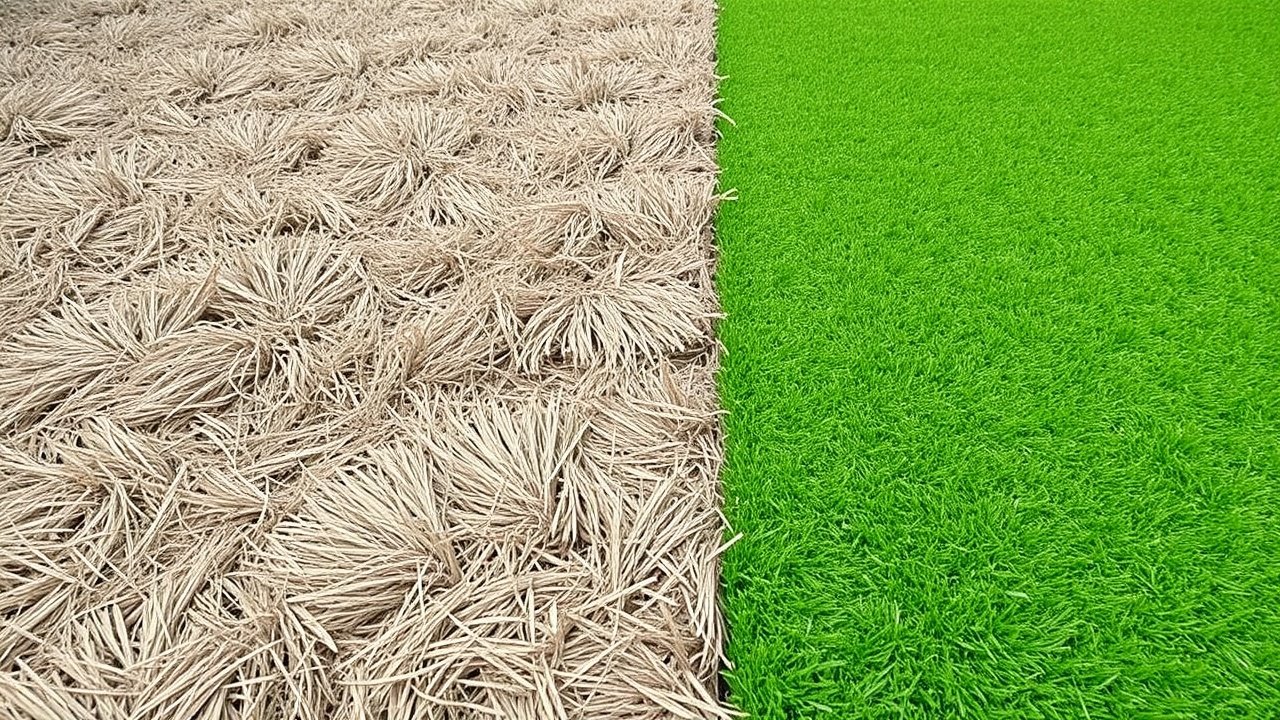
When evaluating the worth of artificial grass in drought-stricken regions, a comprehensive cost analysis is essential. This includes not only the upfront cost of grass installation but also the ongoing maintenance expenses and potential long-term savings compared to maintaining a natural grass lawn. Understanding these financial aspects will empower homeowners to make informed decisions.
Upfront installation costs
The initial investment for installing artificial grass can be significant. The upfront cost includes the price of the artificial turf itself, as well as the labor and materials required for site preparation and grass installation. Factors like the size of the area, the type of synthetic turf selected, and the complexity of the installation can all affect the overall upfront cost. Despite the upfront cost, many homeowners see the long-term savings as worth it.
Ongoing maintenance and water savings
While installing artificial turf requires an initial investment, it offers substantial savings in terms of lawn care and water bills. Unlike real grass, artificial grass doesn’t need to be watered, mowed, or fertilized, significantly reducing ongoing maintenance expenses. The elimination of grass that requires frequent watering translates into significant gallons of water per year, resulting in lower utility bills and contributing to water conservation efforts. The lower water bills are appealing benefits of artificial grass.
Long-term return on investment
Considering the long-term financial implications, artificial grass offers a compelling return on investment for homeowners in drought-prone areas. The reduced water usage and minimal maintenance requirements translate into significant savings over the lifespan of the synthetic turf. Over time, the initial upfront cost can be offset by the accumulated savings, making artificial grass a financially sound choice. Choosing artificial turf can be a very wise investment.
When Artificial Grass Makes Sense — and When It Doesn’t
High-use yards
For homeowners with high-traffic areas, artificial grass presents a practical solution. Unlike real grass, which can become worn and patchy under constant use, synthetic turf remains resilient and green. This makes it ideal for families with children or pets who spend a lot of time in the outdoor space. Turf provides a durable surface.
HOA or city water restrictions
Many drought-prone areas have strict HOA guidelines or city ordinances regarding water usage. Artificial grass offers a way to maintain a beautiful lawn without violating these restrictions. By eliminating the need to water per day, artificial turf helps homeowners comply with regulations and avoid fines. In this case choosing artificial grass is an easy decision.
Family, pets, and lifestyle factors
Consider your family’s lifestyle when deciding whether artificial grass is right for you. If you have pets, artificial turf is easy to clean and doesn’t get muddy. Artificial grass is ideal if you want a low-maintenance option that always looks its best and gives you more time to enjoy your lawn. Installing artificial grass is a long term solution.
Key Installation Factors That Impact Performance in Hot, Dry Regions
Base preparation and drainage
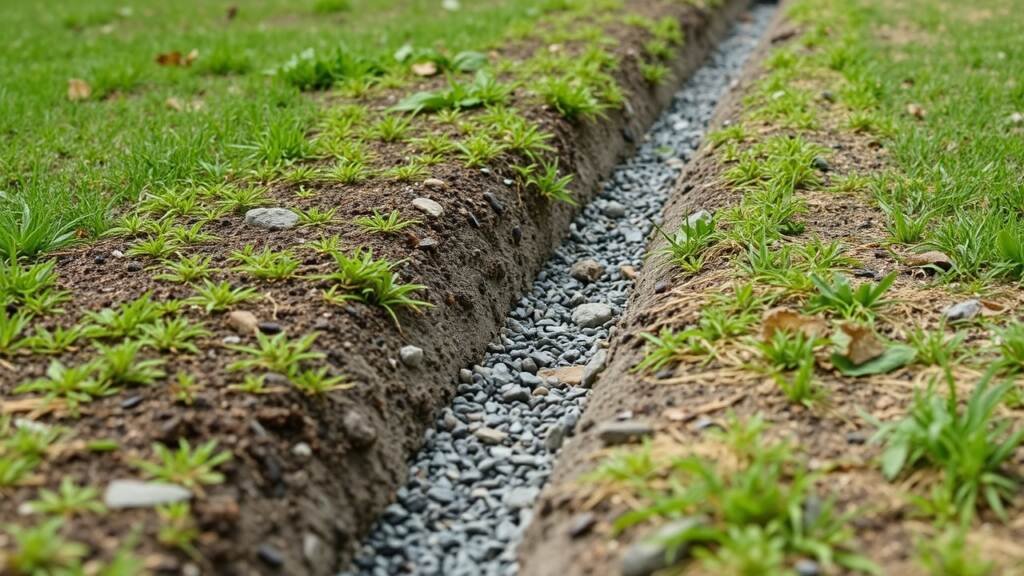
Proper base preparation is critical for the longevity and performance of artificial grass, especially in hot, dry weather conditions. A well-compacted base ensures the synthetic grass is even and stable, while adequate drainage prevents water from pooling beneath the surface, which can lead to damage and pest problems. Good drainage will prevent damage to the artificial grass.
Infill selection
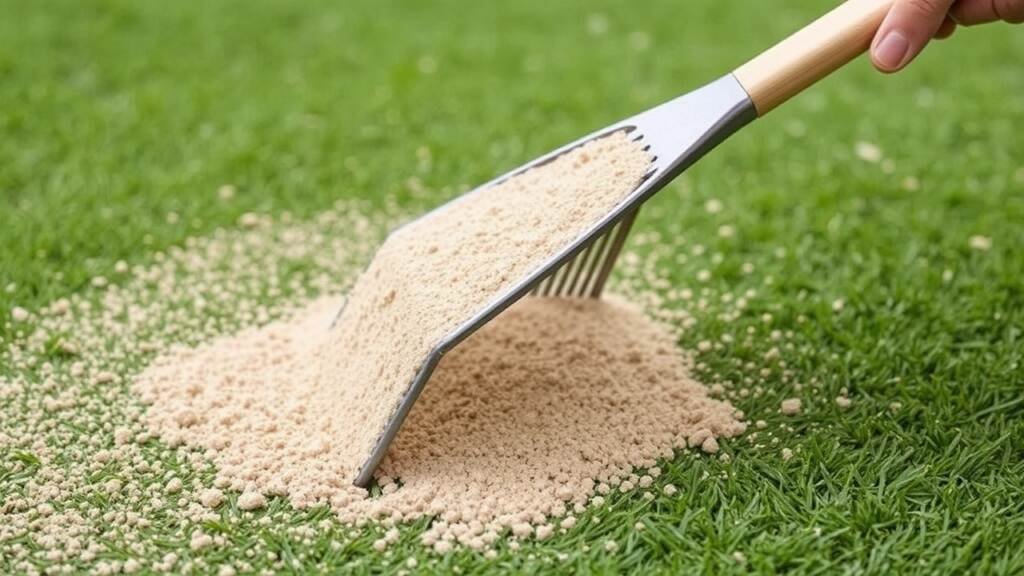
The type of infill used in artificial turf installations can significantly impact its performance in hot climates. Some infill materials retain more heat than others, making the surface uncomfortable to walk on. Choosing artificial turf that is specifically designed to stay cooler, such as acrylic-coated or evaporative infill, can help mitigate this issue. The type of infill used has drastic effects.
Heat mitigation strategies
In addition to selecting the right infill, several heat mitigation strategies can help keep artificial turf cooler in hot weather conditions. These include regular watering during the hottest parts of the day, using shade structures, and installing cooling systems designed specifically for synthetic turf. These measures will make enjoying your outdoor space more convenient.
Professional Insight from Destiny Landscape
Site-specific evaluation
Destiny Landscape understands that every property is unique, and a one-size-fits-all approach to artificial grass installations isn’t effective. We conduct thorough site-specific evaluations to assess factors like soil composition, drainage patterns, sun exposure, and intended use of the lawn. This helps us tailor our recommendations to meet your specific needs and conditions.
Climate-aware recommendations
Our team at Destiny Landscape is well-versed in the challenges of maintaining landscapes in drought-stricken areas. We provide climate-aware recommendations for artificial turf selection, infill options, and installation techniques that maximize performance and longevity in hot, dry climates. We aim to provide artificial turf that meets your needs.
Long-term performance planning
Destiny Landscape is committed to ensuring the long-term performance and satisfaction of our clients. We provide comprehensive maintenance plans and guidance on proper care techniques to help homeowners protect their investment and enjoy their artificial grass lawn for many years to come. We work to plan and protect your artificial grass.