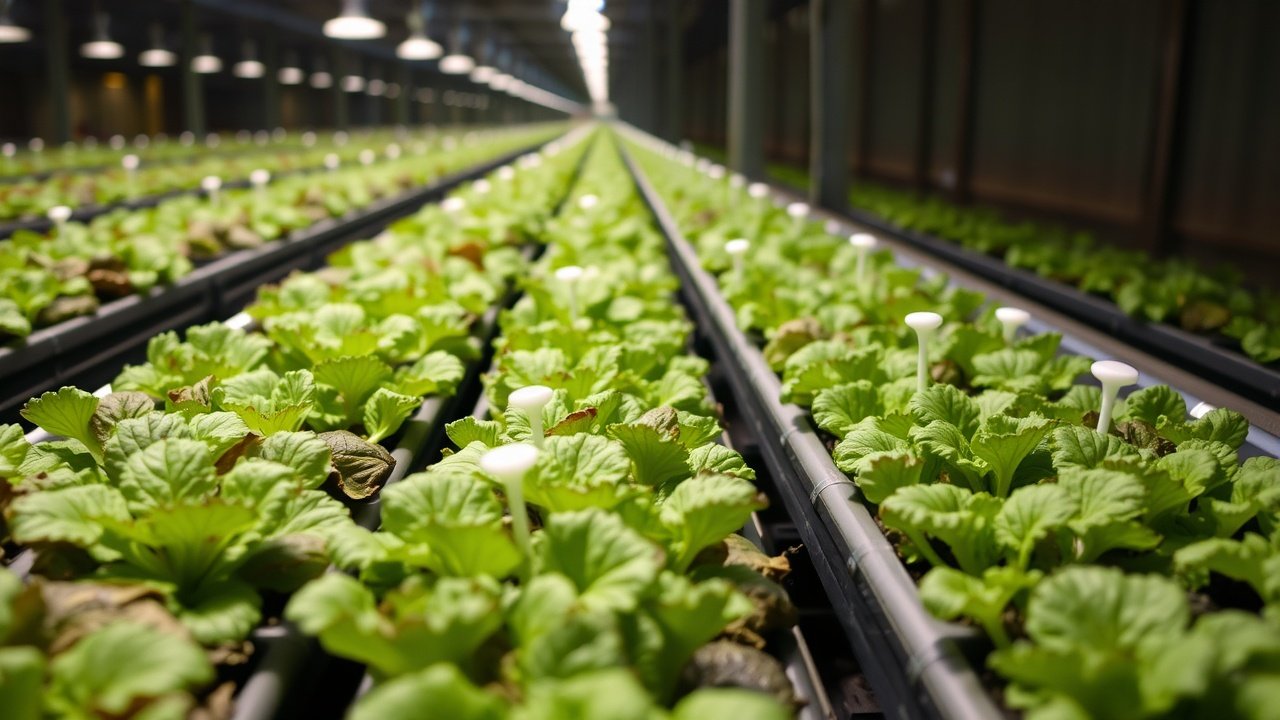
Traditional watering methods can be time-consuming, demanding significant effort to maintain a healthy garden and landscape. From manual watering to complex sprinkler systems, the hours spent watering your plants can add up quickly. A drip irrigation system offers a transformative approach, promising to save you time and effort while ensuring your plants receive the precise amount of water they need.
Why Traditional Watering Takes So Much Time
Manual hose watering
Manual hose watering is one of the most traditional watering methods, but it’s also incredibly time-intensive. Dragging the hose around your garden and landscape, directing water at each plant, requires constant supervision. This method not only consumes valuable time but also demands physical effort, especially for larger properties with extensive garden beds.
Inconsistent coverage
Achieving consistent coverage with traditional watering methods like sprinklers can be challenging. Some areas might receive too much water, leading to runoff and erosion, while others may not get enough, causing plant stress. Adjusting sprinkler heads and constantly monitoring water flow to ensure even distribution eats into your valuable free time.
Frequent adjustments and monitoring
Traditional watering often involves frequent adjustments and monitoring. The watering needs of your garden and landscape can change based on weather conditions, plant growth, and seasonal variations. Constantly tweaking sprinkler settings and checking soil moisture levels demands a significant time commitment. This is why a drip irrigation system can save you time.
How a Drip Irrigation System Saves Time
Targeted water delivery
A drip irrigation system excels at targeted water delivery. Drip emitters, strategically placed near plant roots, deliver water directly to where it’s needed most. This precision minimizes water waste and ensures each plant receives the ideal amount of water. This targeted approach saves time by eliminating the need for broad, less effective watering methods.
Automated scheduling
Automated scheduling is a key time-saving feature of a drip system. By integrating timers and controllers, you can automate your garden watering. Set the system to water at optimal times, such as early morning, without any manual intervention. This automation saves time and effort while promoting healthier plant growth. It will also give you more free time.
Reduced evaporation and runoff
Drip irrigation minimizes water loss through reduced evaporation and runoff. By delivering water directly to the root zone, less water is exposed to the air, reducing evaporation. Additionally, the slow, controlled water flow prevents runoff, ensuring that the water is effectively absorbed by the soil. This efficiency ultimately saves time and water, making it an efficient watering system.
Key Components That Improve Efficiency
Drip lines and emitters
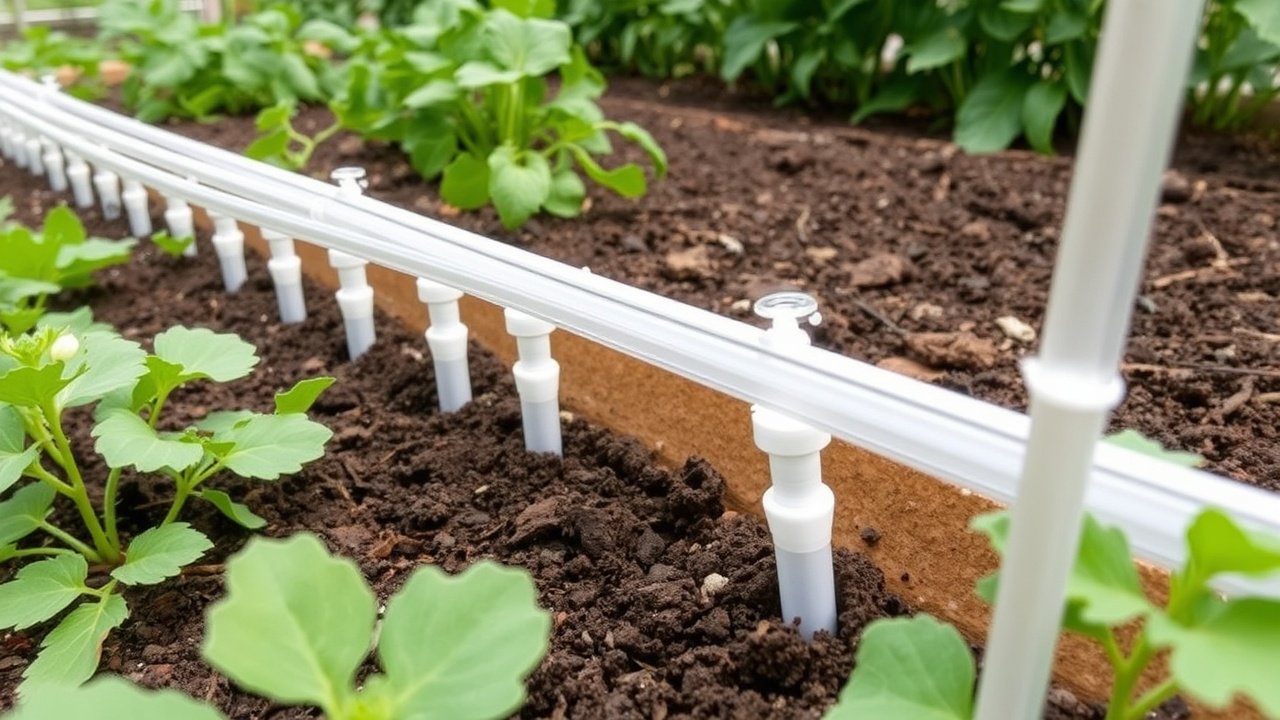
Drip lines and drip emitters are essential components in a drip irrigation system. Drip lines, typically made of flexible tubing, serve as the main arteries that deliver water throughout your garden and landscape. Emitters, small devices inserted into the drip lines, regulate the amount of water released. These emitters deliver water directly to the soil near the base of your plants, ensuring efficient watering and save you time with drip irrigation.
Timers and controllers
Timers and controllers are crucial for automating a garden drip system. A timer allows you to schedule watering sessions, setting the frequency and duration of water flow. Controllers offer more advanced features, such as weather-based adjustments and remote control via smartphone apps. By automating your garden watering, timers and controllers save time and effort. Using an automatic drip irrigation system can relieve you from traditional watering methods.
Filters and pressure regulators
Filters and pressure regulators are vital for maintaining the longevity and efficiency of your drip system. Filters prevent debris and sediment from clogging the drip emitters and drip lines, ensuring consistent water flow. Pressure regulators reduce high water pressure from the water source to the optimal level for drip irrigation components, typically around 25-30 psi. Maintaining correct water pressure saves time and effort on repairs.
Installation Choices That Reduce Ongoing Effort
Surface vs subsurface drip systems
When installing a drip irrigation system, you have the choice between surface and subsurface drip systems. Surface systems are installed above ground, making them easy to inspect and maintain. Subsurface systems are buried beneath the soil, providing even more targeted water delivery and reducing evaporation. The choice depends on your garden and landscape, budget, and the type of plants you’re growing and should be well thought out. It will save you time in the long run.
Pre-assembled kits vs custom layouts
Pre-assembled kits and custom layouts offer different approaches to installing a drip irrigation system. Pre-assembled kits provide all the necessary components for a basic system, making installation straightforward. Custom layouts allow for greater flexibility, enabling you to design a system tailored to your specific watering needs and garden. Choosing the right option can save you time and ensure efficient watering.
Scalability for future expansion
Scalability is an important consideration when setting up a drip system. As your garden and landscape evolve, your watering needs may change. Choosing a system that can be easily expanded or modified saves time and money in the long run. Plan for additional drip lines, emitters, or zones to accommodate new plants or expanded garden areas to automate your garden watering. These tips for drip irrigation systems will help you save time and effort.
Maintenance Tips to Keep the System Time-Efficient
Seasonal checks
Performing seasonal checks on your drip irrigation system is crucial for maintaining its efficiency and longevity. Regularly inspect the tubing, drip emitters, and drip lines for any signs of damage, such as cracks or leaks. Check to ensure that all the irrigation components are functioning correctly before the start of each watering season. This simple task can save you time and prevent costly repairs later.
Preventing clogs
Preventing clogs is essential for ensuring the efficient and consistent operation of your drip system. Mineral deposits and debris from the water source can accumulate inside the drip emitters, reducing water flow or blocking them completely. Install a filter at the beginning of the system to remove sediment and prevent clogs. Periodically flush the drip lines to remove any buildup and maintain optimal water flow, which saves time.
Monitoring water pressure
Monitoring water pressure is vital for the proper functioning of your drip irrigation system. Inconsistent water pressure can lead to uneven water distribution, with some plants receiving too little and others receiving too much. Use a water pressure regulator to maintain the optimal pressure, typically around 25-30 psi. Regularly check the regulator to ensure it is functioning correctly, saving you time and promoting healthier plant growth.
Where Drip Irrigation Saves the Most Time
Garden beds
Garden beds are prime locations where drip irrigation saves the most time and resources. With a drip system, you can deliver water directly to the root zone of each plant, minimizing water waste and reducing the need for manual watering. Install drip lines with drip emitters spaced according to the plants to automate your garden watering needs, which saves time and effort.
Shrubs and trees
Shrubs and trees benefit significantly from drip irrigation due to their deep root systems and specific watering needs. A drip system allows you to provide a consistent and adequate amount of water to these larger plants, promoting healthy growth and reducing the risk of drought stress. It will save you time by strategically placing drip emitters near the base of each shrub or tree for optimal water delivery.
Narrow lawn edges and slopes
Narrow lawn edges and slopes can be challenging to water efficiently with traditional watering methods. Sprinklers often overshoot these areas, leading to water waste and runoff. Drip irrigation provides a targeted and precise solution, delivering water only where it’s needed. Using soaker hoses or drip lines along these edges and slopes saves you time, ensures efficient water usage, and can reduce soil erosion.
Professional Insight from Destiny Landscape
Designing layouts for minimal upkeep
Destiny Landscape emphasizes designing drip irrigation system layouts with minimal upkeep in mind. Proper planning can significantly reduce the time spent on maintenance and repairs. Consider factors such as plant spacing, water source location, and potential obstacles when designing your layout. A well-designed system will save you time and effort in the long run, ensuring efficient and reliable watering for your garden and landscape.
Matching system design to plant needs
Destiny Landscape highlights the importance of matching system design to specific plant watering needs. Different plants have varying water requirements, and a one-size-fits-all approach can lead to overwatering or underwatering. Customize your drip system by using emitters with different flow rates for different plants. This tailored approach ensures that each plant receives the ideal amount of water, promoting healthy growth, and can save you time with drip irrigation.
Avoiding common time-wasting mistakes
Destiny Landscape knows that avoiding common mistakes can save you time and frustration when installing and maintaining a drip irrigation system. One frequent mistake is failing to install a filter, which can lead to clogged emitters and reduced system efficiency. Another is using the wrong type of tubing or drip emitters for your specific plants and soil conditions. By learning from these mistakes, you can ensure that your drip system operates smoothly and efficiently, giving you more free time.