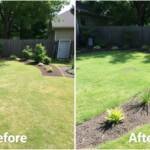

A lush, green lawn enhances any home, but bare spots in your lawn can detract from its beauty and overall health. These bare patches not only look unsightly but also make your lawn vulnerable to weeds and further damage. This guide will provide you with the essential steps to effectively repair bare spots and maintain a healthy lawn.
Introduction to Bare Spots in Your Lawn
Understanding the Causes of Bare Spots
Before you begin any repair, it’s crucial to understand what caused the bare spots in your lawn in the first place. Identifying the root cause will help prevent the problem from recurring and ensure long-term success in your lawn repair efforts. This knowledge will guide your choice of repair method and subsequent lawn care routine.
Impact on Lawn Health and Curb Appeal
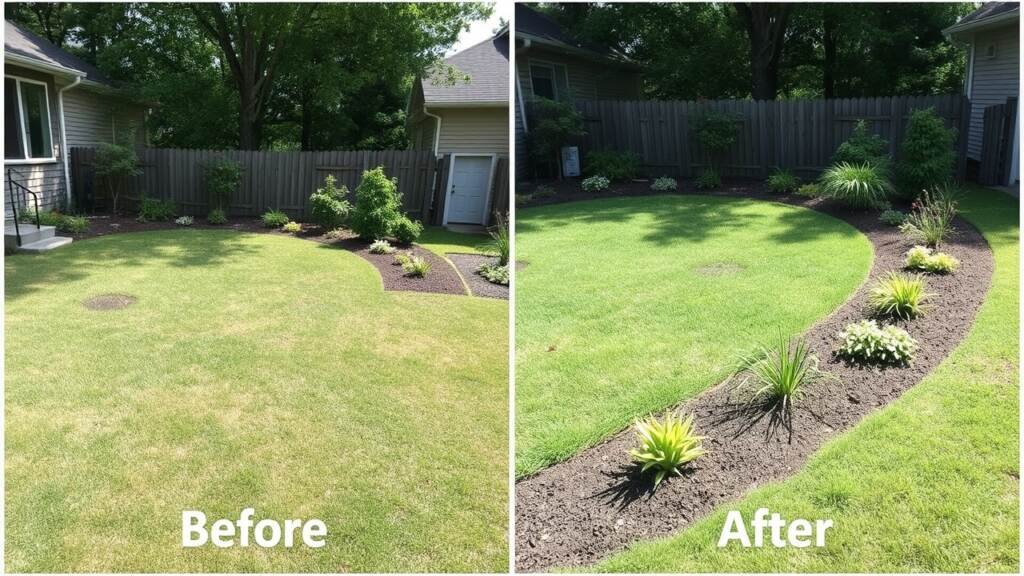
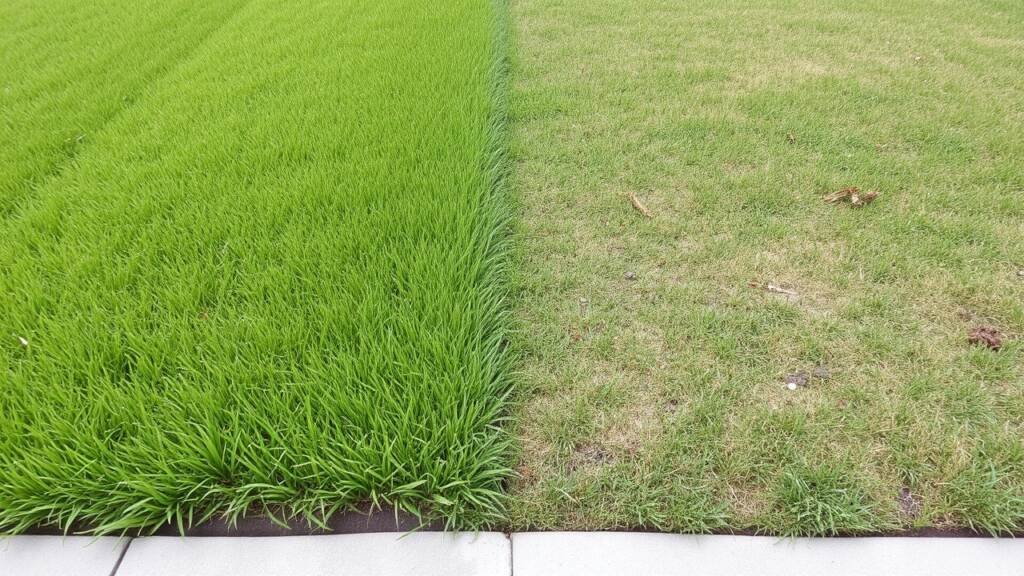
Bare spots can significantly impact the health of your turf and diminish your home’s curb appeal. A patchy lawn is more susceptible to weed infestations and soil erosion, leading to further degradation. Repairing bare spots not only improves the aesthetic appearance but also contributes to a healthier, more resilient lawn overall, improving the look of your green lawn.
Common Contributors to Dead Grass Spots
Here are some common causes that lead to the appearance of dead spots. These issues often fall into a few key categories:
- External Stressors: Heavy foot traffic, improper mowing, and pet urine.
- Environmental Factors: Drought conditions and lawn diseases.
- Pest Infestations: Grubs and other pests feeding on the grass roots.
It is better to take a look and see if you can find the real reason your lawn may be damaged.
Step-by-Step Guide to Repairing Bare Spots
Identify the Cause of the Damage
Begin by examining the bare spot to determine the underlying cause. Look for signs of pest infestation, such as grubs or insect activity. Check the soil for compaction or drainage issues. Consider whether the area receives excessive foot traffic or if there are any other obvious factors contributing to the problem. If you find compaction, you may want to loosen the soil so that new seed or the grass can grow.
Remove Dead Grass and Prepare the Soil
Once you’ve identified the cause, the next step is to remove the dead grass and prepare the soil for reseeding. Use a rake to clear away any dead grass, weeds, and debris from the affected area. This will create a clean surface for the new grass seed to make contact with the soil. Ensure that you take the right steps when you repair bare spots.
Loosening and Leveling the Soil
Proper soil preparation is essential for successful lawn repair. Use a garden fork or tiller to loosen the soil in the bare spot, breaking up any compaction. This will improve aeration and allow new grass roots to penetrate easily. Level the area with a rake to create a smooth, even surface. This step ensures that the new seed has a good chance to germinate and establish strong roots, which in turn, leads to a full lawn.
Aerating and Improving Soil Quality
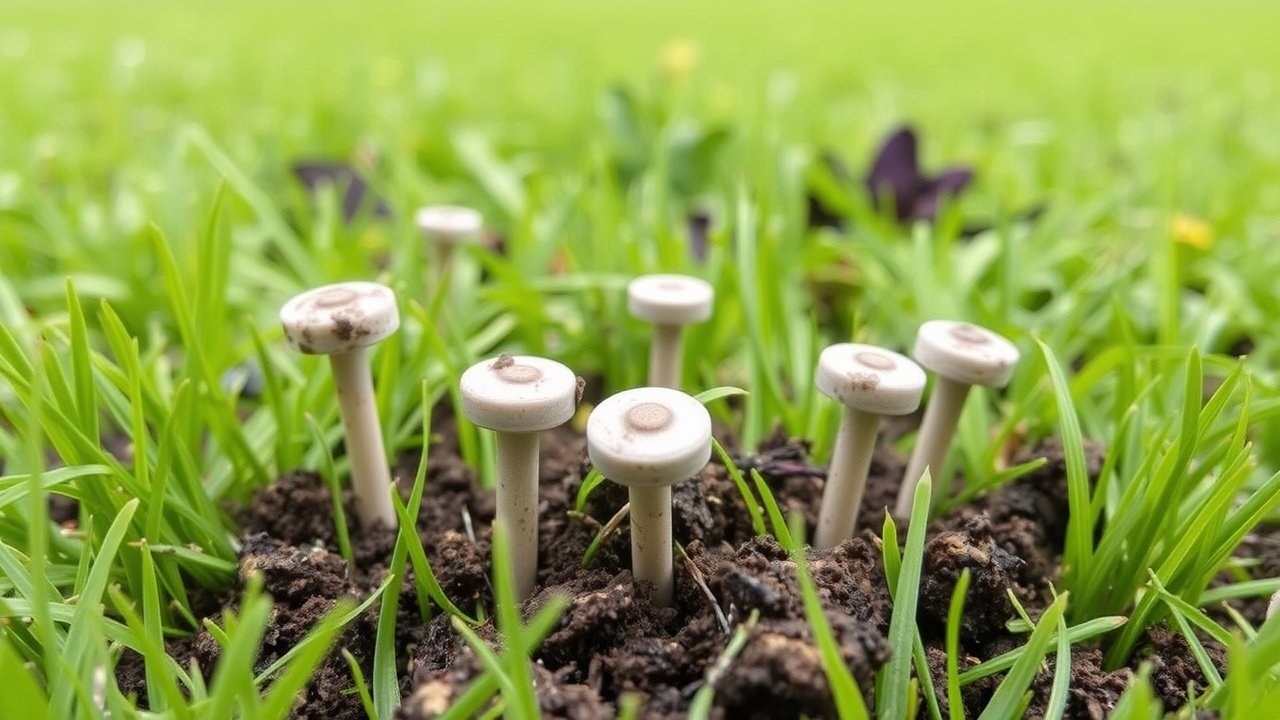
Aerating the soil is essential, especially if you suspect compacted soil is contributing to the bare spots in your lawn. Aeration involves creating small holes in the soil to improve air circulation, water drainage, and nutrient absorption. This process helps loosen the compacted soil, allowing new grass roots to penetrate deeply and establish a healthy lawn. This will make for easier lawn repair and promotes robust grass growth.
Choose the Right Repair Method
Selecting the appropriate repair method is critical for effectively repairing bare spots in your lawn. The best approach depends on the size of the bare patches, the type of grass you have, and your personal preferences. Common methods include overseeding, using a lawn patch repair mix, sod replacement, and plugging or sprigging for warm-season grasses. When you fix bare spots, it is important to find out what is the best possible solution.
Overseeding Techniques
Overseeding is an effective method for repairing small to medium-sized bare spots in your lawn. This involves sowing grass seed directly over the existing turf. Choose a seed that matches your existing grass type to ensure a consistent appearance. Before overseeding, rake the area to remove dead grass and debris, then loosen the soil. Distribute the new seed evenly, and lightly rake it into the soil to ensure good contact.
Lawn Patch Repair Mix
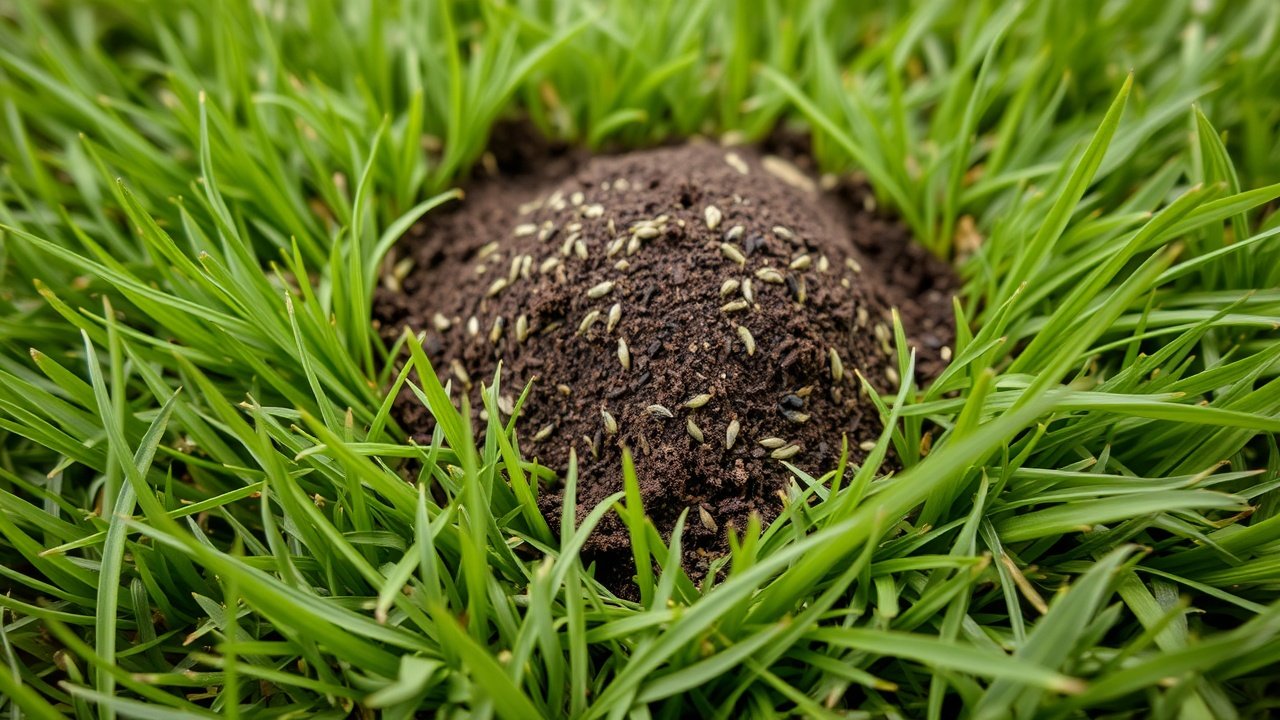
Lawn patch repair mix is a convenient option for repairing small bare patches. These mixes typically contain a blend of grass seed, fertilizer, and mulch, providing everything needed to grow grass in one package. Simply apply the mix to the prepared area, following the instructions on the package. Keep the seed consistently moist until the new grass seedlings are established, and protect the area from heavy foot traffic.
Sod Replacement Process
For larger bare patches or areas where you want immediate results, sod replacement is an excellent option. Sod consists of pre-grown grass held together by a layer of soil and roots. To install sod, remove the dead grass and loosen the soil in the bare spot. Lay the sod carefully, ensuring that the edges are tightly joined. Roll the sod to ensure good contact with the soil, and water thoroughly. Lawn repair can be easy when using sod.
Plugging or Sprigging for Warm-Season Grasses
Plugging and sprigging are methods used primarily for warm-season grasses, such as Bermuda, Zoysia, and St. Augustine. Plugging involves transplanting small plugs of existing grass into the bare spots. Sprigging, on the other hand, involves planting individual grass stems (sprigs) into the soil. Both methods allow the grass to spread and fill in the bare areas over time. Proper watering and lawn care are essential for successful establishment.
Seed or Sod Installation Process
The installation process for both seed and sod is crucial for ensuring successful lawn repair. For seed, proper soil preparation and even distribution are key. For sod, ensuring tight seams and good soil contact is essential. Regardless of the method, consistent watering and protection from foot traffic are necessary to promote healthy grass growth and effectively repair bare spots.
Applying Seeds Evenly
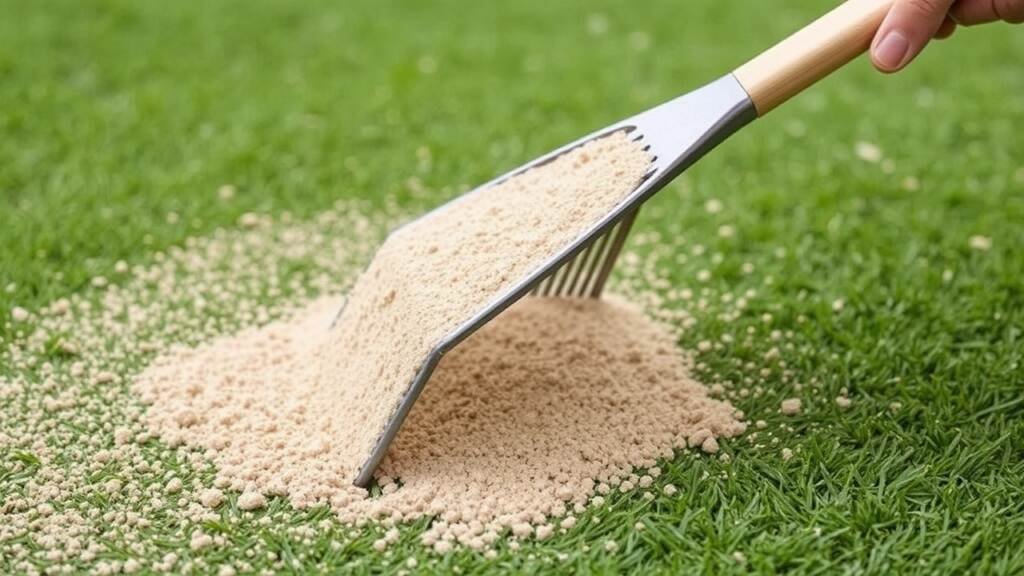
When reseeding, it’s important to apply the new seed evenly to prevent patchy growth. Use a seed spreader to distribute the seed uniformly over the prepared area. Overlapping passes can help ensure complete coverage. After spreading the seed, lightly rake it into the soil to improve seed-to-soil contact, and then apply a thin layer of peat moss or compost to help retain moisture. Even distribution of new seed can help you fix bare spots and create a lush lawn.
Ensuring Proper Soil-to-Seed Contact
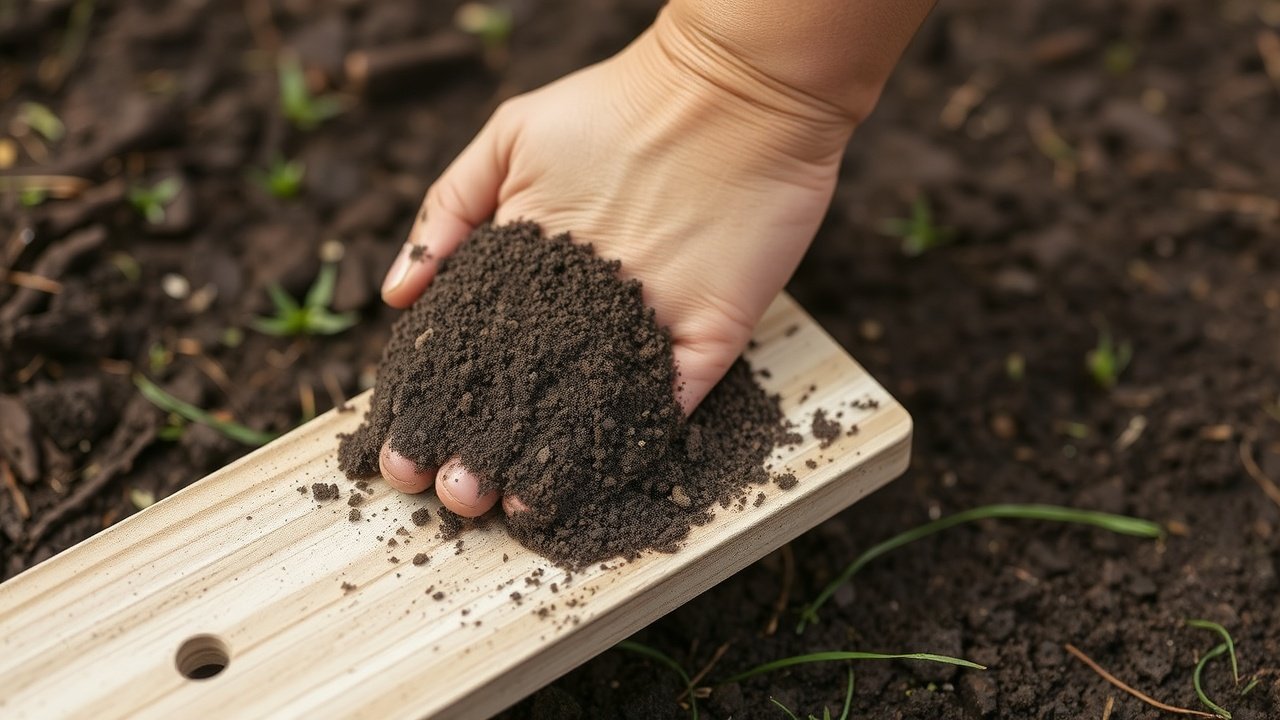
Proper soil-to-seed contact is essential for successful germination. After spreading the seed, gently compact the soil using a lawn roller or by lightly tamping it down with your feet. This helps to press the seed into the soil, ensuring good contact and promoting moisture retention. Adequate soil-to-seed contact is important to grow grass and make sure that you will have a healthy lawn that is green.
Rolling Sod and Watering Techniques
After laying sod, use a lawn roller to press the sod firmly into the soil. This ensures good contact between the sod and the underlying soil, promoting root establishment. Following rolling, water the sod thoroughly and frequently, keeping the soil consistently moist. Proper watering is crucial during the first few weeks to help the sod roots establish and effectively repair bare spots.
Watering and Early Maintenance
Proper watering and early maintenance are critical for the successful establishment of new grass. Newly seeded or sodded areas require consistent moisture to promote germination and root growth. Regular watering helps prevent the soil from drying out and ensures that the young grass seedlings receive the hydration they need to thrive. This will help you to effectively repair bare spots and grow grass.
Establishing a Watering Schedule
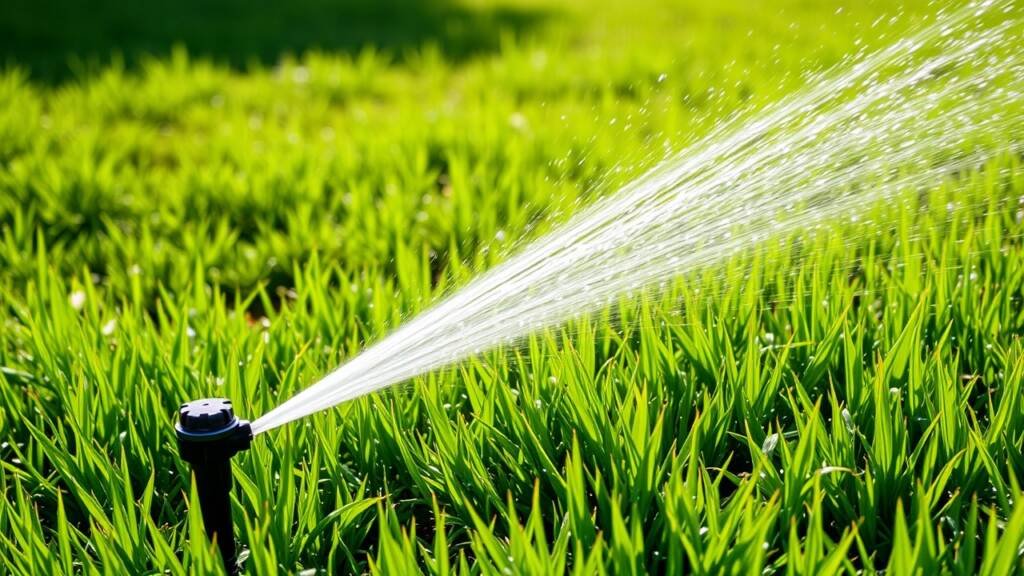
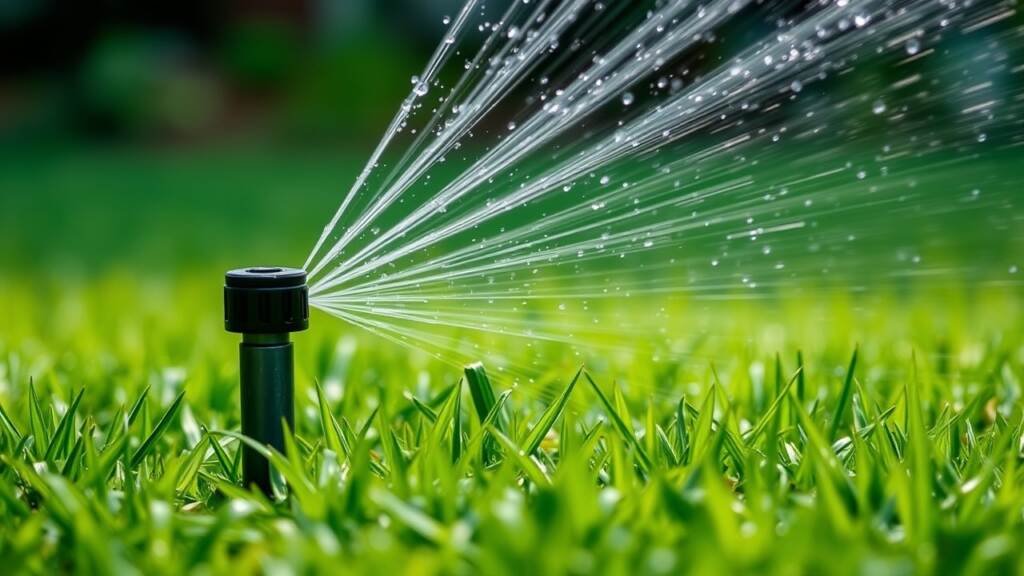
Establishing a consistent watering schedule is essential for new grass. Water the area lightly but frequently, especially during the first few weeks. Aim to keep the soil consistently moist but not waterlogged. As the grass establishes, gradually reduce the frequency of watering while increasing the amount of water each time. Adjust the watering schedule based on weather conditions and the specific needs of your grass type. Keep your lawn looking nice by following these steps.
Avoiding Foot Traffic on New Grass
Protecting newly seeded or sodded areas from foot traffic is crucial for allowing the new grass to establish properly. Foot traffic can compact the soil, damage the delicate grass seedlings, and hinder root growth. Use barriers or fencing to keep people and pets off the area until the grass has had a chance to fully establish and effectively repair bare spots.
Keeping Soil Moist, Not Soaked
Maintaining the right moisture balance is essential for new grass. The soil should be consistently moist, but not waterlogged. Overwatering can lead to fungal diseases and root rot, while underwatering can cause the grass seedlings to dry out and die. Check the soil moisture regularly and adjust your watering schedule accordingly to keep the soil consistently moist.
Ongoing Care to Ensure Healthy Growth
After the new grass has established, ongoing care is essential to maintain a healthy lawn and prevent bare spots from returning. Regular mowing, fertilization, weed control, and aeration are all important aspects of a comprehensive lawn care routine. By providing consistent care, you can ensure that your lawn remains lush, green, and resilient. This is especially important when you are trying to fix bare spots.
Fertilization Timing for New Grass
Proper fertilization is crucial for promoting healthy grass growth. Apply a starter fertilizer at the time of seeding or sodding to provide the new grass with the nutrients it needs to establish strong roots. After the grass has been growing for a few weeks, follow up with a balanced fertilizer to support continued growth. Be sure to use a fertilizer that is intended for lawn care.
Mowing Height Adjustments
Adjusting your mowing height is an important aspect of lawn care. Mowing the grass too short can stress the plants, making them more susceptible to damage and disease. Conversely, mowing too high can create a thatch layer that harbors pests and diseases. Maintain the proper mowing height for your grass type to promote healthy growth and effectively repair bare spots. A good mowing height, generally, is around 4 inches.
Weed Prevention Around New Patches
Weeds can quickly invade bare spots and compete with new grass seedlings for resources. Apply a pre-emergent herbicide to prevent weed seeds from germinating in the area. Once the new grass is established, use a post-emergent herbicide to control any weeds that do appear. Regular weed control is essential for maintaining a healthy, weed-free lawn and keeping your lawn in good condition.
Tips to Prevent Bare Spots From Returning
Maintaining Proper Mowing Height
Maintaining the correct mowing height is crucial for preventing bare spots in your lawn. Generally, a height of around 4 inches is ideal for most grass types, as it promotes healthy grass growth and root development. Avoid mowing too short, as this can stress the turf and leave it vulnerable to damage, pests, and weeds. Adjust your mowing height based on your specific grass type and the time of year to keep your lawn healthy and prevent bare patches.
Regular Aeration Practices
Regular aeration is vital for maintaining a healthy lawn and preventing compacted soil, a common cause of bare spots. Aeration involves creating small holes in the soil to improve air circulation, water drainage, and nutrient absorption. This process helps to loosen the compacted soil, allowing grass roots to penetrate deeply and establish a strong, healthy base. Aerate your lawn at least once a year, or more frequently if you notice signs of compaction or poor drainage to keep your lawn looking nice.
Balanced Fertilizer Schedule
A balanced fertilizer schedule is essential for providing your lawn with the nutrients it needs to thrive and prevent bare spots. Use a fertilizer that is formulated for your specific grass type and follow the manufacturer’s instructions for application rates and timing. Avoid over-fertilizing, as this can lead to excessive growth and thatch buildup, which can contribute to lawn problems. Regularly fertilize to ensure your turf receives the right amount of nitrogen and other essential nutrients for healthy grass growth.
Improving Drainage in Your Lawn
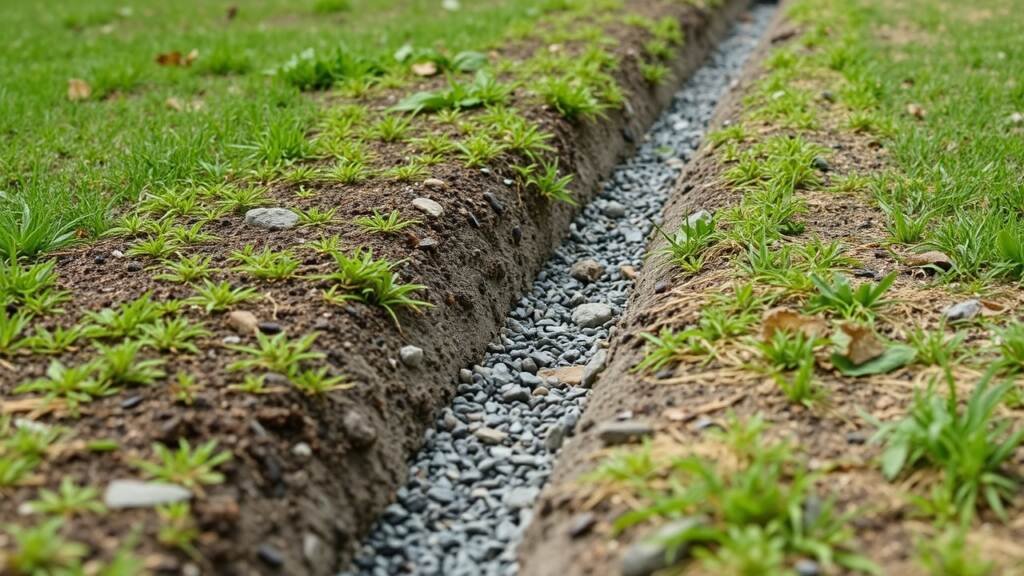
Proper drainage is crucial for preventing waterlogged soil, which can lead to bare spots in your lawn. If you notice areas where water tends to pool or linger after rain, take steps to improve drainage. This may involve aerating the soil, adding compost or other organic matter to improve soil structure, or installing drainage systems to redirect excess water away from the lawn. Good drainage is a critical component of lawn care and helps to ensure a full lawn.
Training Pets to Use Designated Areas
Pet urine can cause significant damage to lawns, leading to unsightly bare patches. Train your pets to use designated areas of the yard for urination to minimize the impact on your lawn. Consider creating a specific area with gravel or mulch where your pets can relieve themselves. Regularly flush the area with water to dilute the urine and prevent it from damaging the grass. Training your pets can significantly reduce the occurrence of bare spots in your lawn.
Conclusion and Lawn Care with Destiny Landscape
Importance of Proper Lawn Repair and Maintenance
Proper lawn repair and maintenance are essential for maintaining a lush, green, and healthy lawn. By addressing bare spots promptly and implementing preventive measures, you can ensure that your lawn remains resilient and attractive. Regular mowing, fertilization, aeration, and weed control are all important aspects of a comprehensive lawn care routine that will help you grow grass and keep your lawn in good condition. This will prevent damaged grass and encourage grass growth.
Destiny Landscape: Your Lawn Restoration Experts
At Destiny Landscape, we understand the importance of a beautiful and healthy lawn. With years of experience in lawn care and restoration, we are dedicated to helping you achieve the lawn of your dreams. Whether you need assistance with repairing bare spots, controlling weeds, or implementing a comprehensive lawn care plan, our team of experts is here to provide the solutions you need. Destiny Landscape is your trusted partner for all your lawn care needs, providing expert lawn repair tips and services.
Contact Us for Professional Lawn Repair Services
If you’re struggling with bare spots in your lawn or simply want to ensure that your lawn receives the best possible care, don’t hesitate to contact Destiny Landscape. Our team of experienced professionals can assess your lawn’s needs and develop a customized repair and maintenance plan that fits your budget and goals. Contact us today to schedule a consultation and take the first step toward a healthier, more beautiful lawn that is free of bare patches in your lawn. With Destiny Landscape, you can effectively repair bare spots and achieve a green lawn.