
Maintaining a vibrant, green lawn requires more than just regular mowing and watering. Understanding how to prevent and treat lawn diseases is crucial for any homeowner. Lawn disease can quickly turn a beautiful turf into a patchy eyesore, but with the right knowledge and lawn care practices, you can keep your grass healthy and thriving. This guide will walk you through everything you need to know about lawn disease prevention and treatment, ensuring your lawn remains the envy of the neighborhood.
Understanding Lawn Disease
What is Lawn Disease?
Lawn disease refers to a variety of conditions that affect the health and appearance of your lawn. These diseases are often caused by fungi, although some can be attributed to bacteria or viruses. Fungal lawn disease can spread rapidly under the right conditions, leading to significant damage if left untreated. Understanding that lawn diseases are caused by fungi is the first step in effective disease management. The impact of these diseases varies, but early detection and appropriate treatment are key to maintaining a healthy lawn and preventing widespread damage. It is important to know what to look for to ensure you can treat lawn disease early.
Common Lawn Diseases
Several common lawn diseases can affect grass in different regions and climates. Understanding these common lawn diseases is essential for targeted prevention and treatment efforts. Some examples of lawn diseases are:
| Disease | Description |
|---|---|
| Dollar Spot | Manifests as small, circular patches of bleached grass, resembling silver dollars. |
| Brown Patch | Creates large, irregular brown or tan patches in the lawn, particularly during warm, humid weather. |
| Red Thread | Easily identifiable by the reddish-pink threads that appear on the grass blades. |
These fungal diseases are more likely to occur when conditions favor disease, such as high humidity, excessive moisture, or poor air circulation.
Signs of Lawn Disease
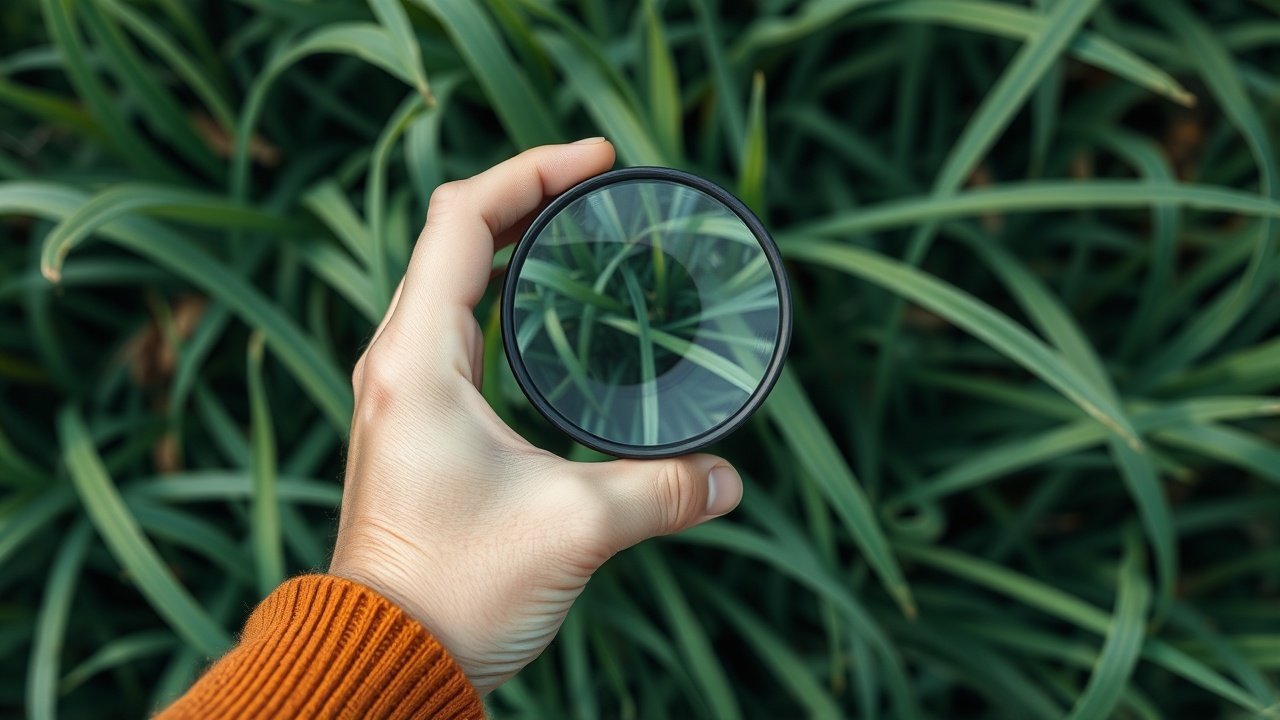
Recognizing the signs of lawn disease early can significantly impact the success of treatment. Discoloration of grass blades is often the first visible sign, with grass turning yellow, brown, or developing spots. Patches of dead grass or thinning turf are also indicative of disease. Close inspection may reveal lesions, spots, or unusual growth on the grass blades themselves. The presence of a white or colored powdery substance can also signal a fungal infection. Being vigilant and regularly inspecting your lawn for these signs will help prevent disease from spreading and causing extensive damage. Early detection is key to effective lawn disease prevention and treatment.
Preventing Lawn Disease
Best Practices to Prevent Lawn Disease
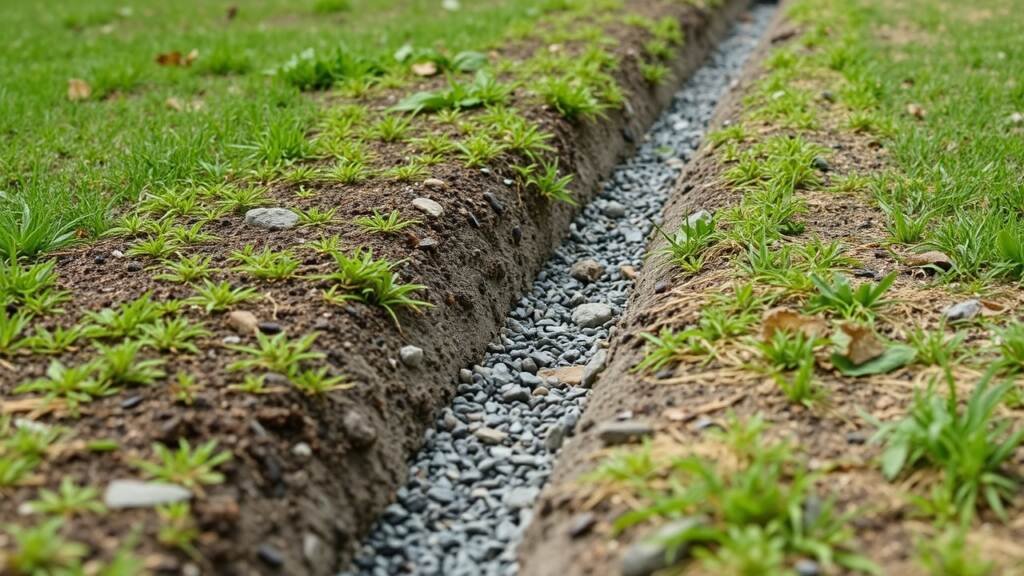
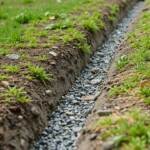
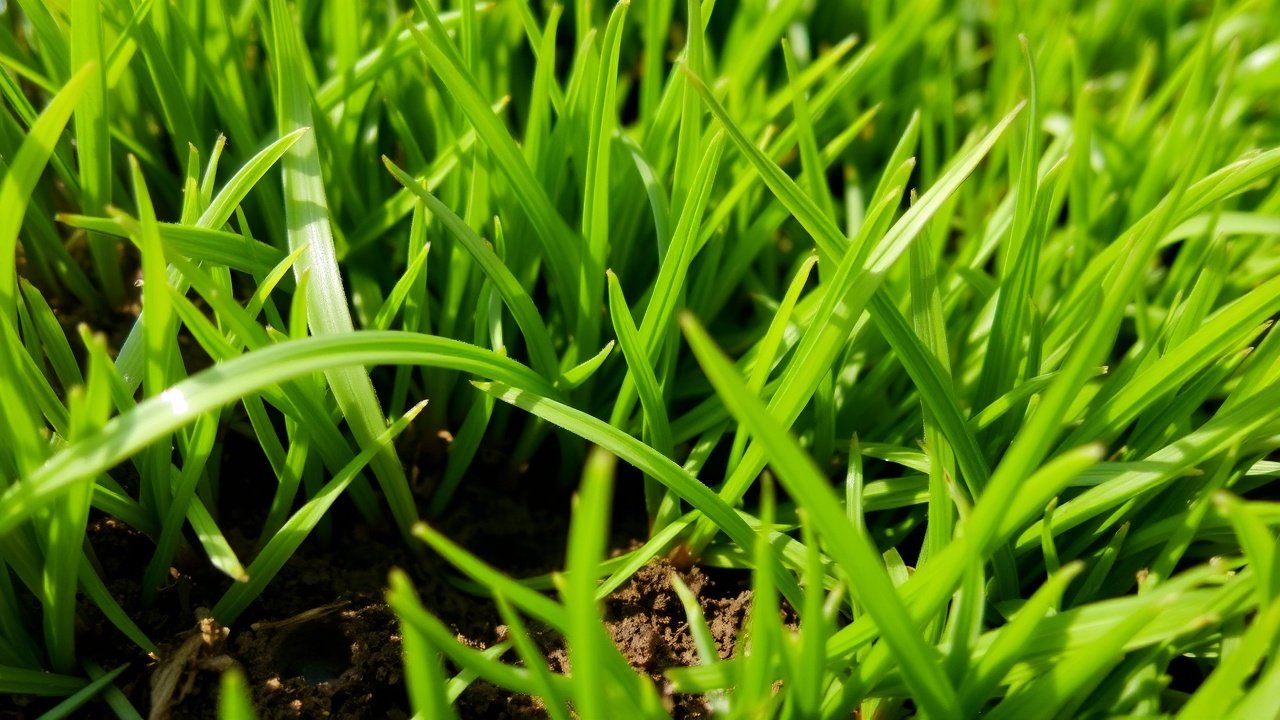
To effectively prevent lawn disease, a multifaceted approach is essential, integrating proper lawn care techniques with proactive measures. Maintaining a healthy lawn starts with ensuring well-drained soil, as excessive moisture can create an environment that favors disease. Regular aeration helps improve soil drainage and reduces compaction, promoting healthier root growth. Proper mowing techniques are also critical; avoid cutting the grass too short, as this can stress the plants and make them more susceptible to fungal lawn disease. By implementing these best practices, you can significantly reduce the risk of disease outbreak and keep your grass thriving. Keep your lawn healthy by focusing on prevention.
How to Maintain Healthy Grass
Maintaining healthy grass involves several key practices that bolster the lawn’s natural defenses against lawn disease. Adequate watering is crucial, but it’s important to water deeply and infrequently, preferably early in the morning, to allow the grass blades to dry before nightfall, which can discourage fungal growth. Proper fertilization, particularly with a balanced fertilizer containing appropriate levels of nitrogen, strengthens the grass and makes it more resilient. Regular lawn maintenance, including removing thatch buildup, is also essential for promoting good air circulation and preventing conditions that favor disease. By following these guidelines, you can ensure that your grass remains healthy and less prone to lawn disease.
Seasonal Tips for Lawn Disease Prevention
Seasonal changes bring different challenges for lawn care, and adjusting your strategy can help prevent disease. In the spring, focus on aeration and dethatching to promote healthy growth after the winter months. During the humid summer, avoid overwatering and ensure good air circulation to prevent fungal lawn disease. In the fall, apply a preventative lawn fungicide to protect against common diseases that can overwinter and re-emerge in the spring. Regularly remove fallen leaves, as they can trap moisture and create a breeding ground for fungus. Tailoring your lawn care practices to the specific needs of each season is a proactive way to prevent lawn disease and keep your grass healthy year-round.
Treating Lawn Disease
How to Identify Specific Lawn Diseases
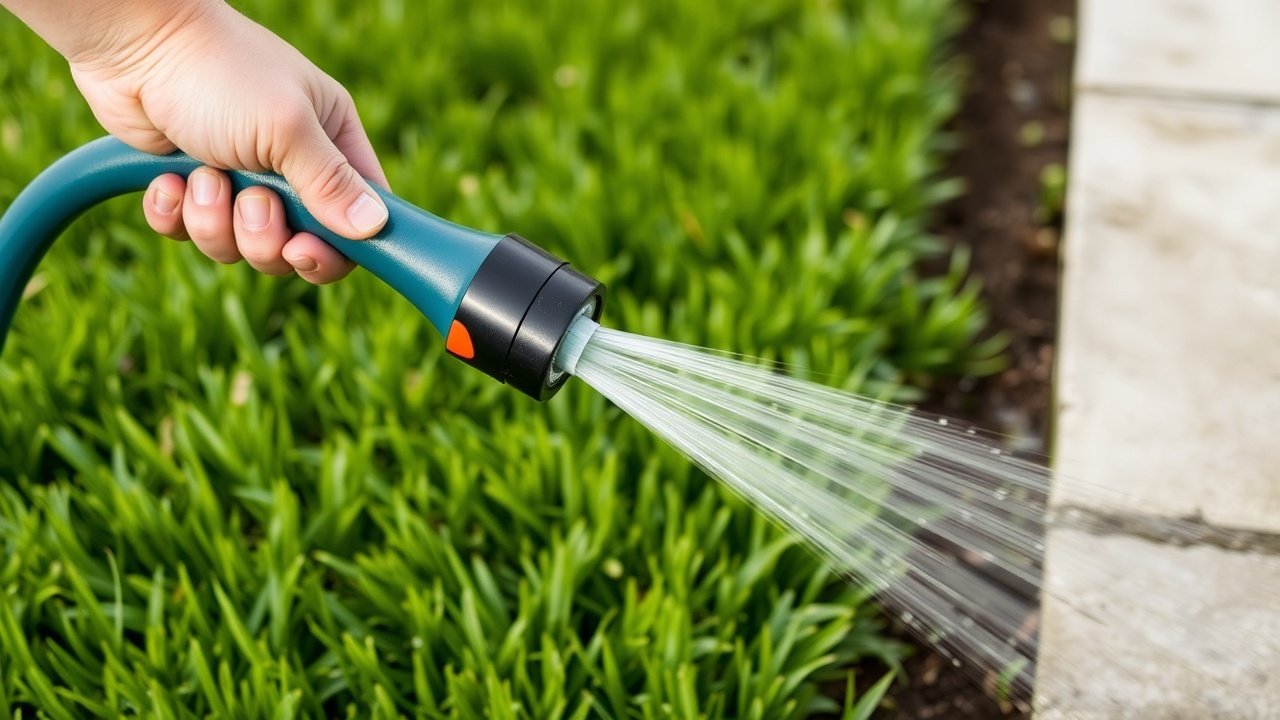
Identifying specific lawn diseases accurately is crucial for effective treatment. Different diseases manifest with distinct symptoms, and misdiagnosis can lead to ineffective or even harmful treatments. Take time to examine the grass closely, noting the color, pattern, and any unusual growth or spots.
| Lawn Disease | Symptoms |
|---|---|
| Dollar spot | Small, circular bleached spots on the grass blades |
| Brown patch | Larger, irregular brown patches |
| Red thread | Reddish-pink threads on the grass blades |
Knowing how to identify common lawn diseases ensures that you can select the right fungal lawn disease treatment and prevent further damage to your healthy lawn.
Effective Treatment Methods for Lawn Diseases
Effective treatment methods for lawn diseases vary depending on the specific disease and its severity. For many fungal lawn disease, improving lawn care practices such as proper watering and mowing can help. Ensure that the lawn is watered deeply but infrequently, ideally early in the morning, to reduce the risk of fungal growth. Remove thatch buildup to improve air circulation and reduce moisture retention. Applying a lawn fungicide can be necessary for more severe cases of fungal disease. Select a fungicide that is specifically formulated for the type of disease affecting your turf, and follow the instructions carefully to avoid harming your healthy grass. Knowing how to treat lawn disease is crucial to ensure you have a green lawn.
Using Chemical vs. Organic Treatments
When it comes to treating lawn disease, you have the option of using chemical or organic treatments. Chemical fungicides can be highly effective in controlling fungal lawn disease quickly, but they may also have potential environmental impacts and can harm beneficial organisms. Organic treatments, on the other hand, rely on natural substances to boost the lawn’s natural defenses and suppress fungal growth. These can include compost teas, neem oil, and biofungicides. Organic methods are often gentler on the environment but may require more time and patience to see results. The choice between chemical and organic treatments depends on your personal preferences, the severity of the disease outbreak, and your commitment to sustainable lawn care practices. It is important to properly treat lawn to keep your grass healthy.
Specific Lawn Diseases and Their Treatments
Dollar Spot: Causes and Treatments
Dollar spot is a common fungal lawn disease that affects various grass types, creating small, circular, bleached spots resembling silver dollars. This fungal disease is caused by the pathogen *Sclerotinia homoeocarpa* and thrives in conditions of high humidity, excessive thatch, and nitrogen deficiency. To treat dollar spot, start by improving lawn care practices. Ensure proper fertilization with adequate nitrogen to promote healthy grass growth. Water deeply but infrequently, preferably early in the morning, to allow the grass blades to dry before nightfall. Applying a lawn fungicide specifically labeled for dollar spot can also help control the disease outbreak and keep your grass healthy.
Brown Patch: Prevention and Treatment
Brown patch is another prevalent fungal lawn disease, especially in warm and humid climates. This disease affects cool-season grass, like tall fescue and ryegrass, and is caused by the fungus *Rhizoctonia solani*. Brown patch manifests as large, circular or irregular brown patches on the lawn. To prevent brown patch, avoid over-fertilizing with nitrogen during warm weather, as this can promote fungal growth. Improve air circulation by reducing thatch buildup and pruning surrounding vegetation. If brown patch occurs, apply a lawn fungicide containing ingredients like azoxystrobin or propiconazole. Proper lawn maintenance is essential to prevent and treat lawn diseases effectively and keep your lawn healthy.
Red Thread: Identifying and Treating
Red thread is a fungal lawn disease easily identifiable by the reddish-pink threads that appear on the grass blades. This fungal disease typically occurs during cool, wet weather and is often associated with nitrogen-deficient soils. The disease affects various grass types, causing unsightly patches and weakening the turf. To treat red thread, start by improving soil fertility with a balanced fertilizer containing nitrogen. Ensure proper lawn care practices such as mowing at the correct height and removing excessive thatch. A lawn fungicide can also be used to control red thread outbreaks and help prevent the disease from spreading. Focus on providing a healthy lawn environment to help prevent and treat lawn diseases effectively.
Long-Term Lawn Care Strategies
Creating a Maintenance Schedule
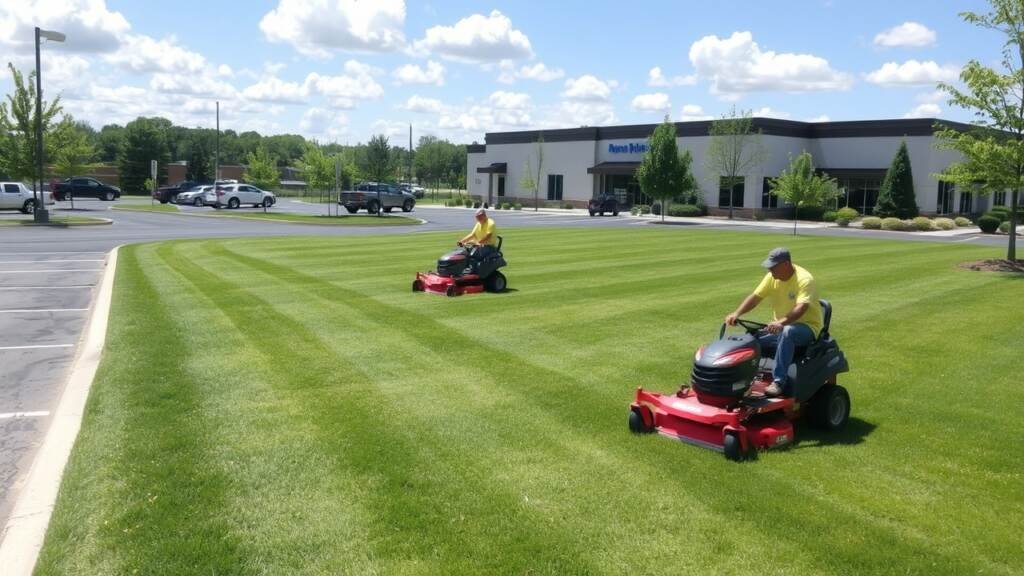
Creating a consistent lawn maintenance schedule is vital for long-term lawn disease prevention and treatment. Start by scheduling regular mowing at the appropriate height for your grass types, avoiding cutting more than one-third of the grass blade at a time. Plan for seasonal fertilization to provide the necessary nutrients for healthy grass growth, focusing on nitrogen levels. Include regular aeration and dethatching to improve soil drainage and air circulation. Incorporate preventative lawn fungicide applications, especially during periods of high disease risk. A well-structured lawn care schedule will help prevent disease outbreaks and maintain a green lawn year-round, keeping your lawn healthy and vibrant.
Soil Health and Lawn Disease Prevention
Soil health plays a critical role in lawn disease prevention. Healthy soil supports robust root growth, enabling grass to better withstand stress and disease. Conduct regular soil tests to determine nutrient levels and pH balance. Amend the soil with organic matter, such as compost, to improve soil structure, drainage, and nutrient availability. Ensure proper soil aeration to reduce compaction and promote healthy root development. A balanced soil ecosystem helps the lawn develop natural defenses against common lawn diseases and fungal lawn disease, reducing the need for chemical interventions. Healthy soil is key to a healthy lawn and effective disease management, helping prevent and treat lawn diseases.
When to Seek Professional Lawn Care Services
While many lawn disease problems can be managed with DIY lawn care, there are times when seeking professional lawn care services is the best course of action. If you’re unsure about identifying specific disease, have a widespread or severe fungal disease outbreak, or struggle to improve lawn health despite your best efforts, it’s time to consult a professional. Lawn care experts can accurately diagnose lawn problems, recommend targeted treatments, and implement effective prevention strategies. They have access to specialized equipment and professional-grade lawn fungicide that may not be available to homeowners. Investing in professional help can save time, money, and frustration in the long run, ensuring your lawn remains healthy and disease-free, allowing you to effectively prevent and treat lawn diseases.