A lush, green lawn is the envy of every homeowner. Achieving the best lawn doesn’t just happen; it requires a strategic approach to lawn care, especially when it comes to fertilization. Learning how to feed your grass correctly is essential for healthy turf. This guide unveils the best ways to fertilize your lawn, ensuring you choose the right fertilizer and apply fertilizer effectively. Let’s dive in and transform your lawn into a vibrant, inviting outdoor space.
Understanding Your Lawn Needs
Before you even think about applying the right fertilizer, it’s crucial to understand your lawn needs. Knowing what your grass needs is the first step in achieving a greener, healthier lawn. Like any living thing, grass requires specific nutrients to thrive. Understanding these needs ensures that the fertilization process will be effective and will help promote a lush lawn. Improper lawn care can lead to issues, so proper lawn maintenance with the right product is key to a thriving lawn.
Importance of Soil Testing
One of the most important steps in lawn care is to get a soil test. A soil test provides valuable insights into the nutrient content and pH level of your soil. Soil testing will reveal deficiencies or imbalances that could be hindering your grass’s growth. This knowledge empowers you to choose the right fertilizer, ensuring you’re providing exactly what your lawn needs. Soil test results will guide your fertilization strategy, promoting healthier, more resilient turf. A soil test is your first defense when understanding your lawn’s needs.
Identifying Cool-Season and Warm-Season Grasses
Different grass types have different needs. Identifying whether you have cool-season grasses or warm-season grasses is crucial for tailoring your lawn care. Cool-season grasses, like fescue and bluegrass, thrive in cooler temperatures and typically have their growing season in the spring and fall. Warm-season grasses, such as Bermuda and zoysia, flourish in the heat of summer. Understanding your grass type is crucial for determining the right fertilizer and the correct fertilizing schedule to keep your lawn actively growing and staying green.
Understanding Nutrient Requirements
To properly feed grass, it’s essential to understand the primary nutrients it requires. These include:
- Nitrogen, which promotes lush, green growth
- Phosphorus, which supports strong root development
- Potassium, which enhances overall plant health and disease resistance
Most lawn fertilizer products will show these elements on the fertilizer bag. The ratio of these nutrients is typically represented as N-P-K on fertilizer packaging, guiding you in choosing the right fertilizer for your lawn’s specific needs. Understanding these nutrient requirements is key to ensuring your lawn receives the right fertilizer to flourish.
Choosing the Right Fertilizer
Types of Lawn Fertilizers
Choosing the Right Fertilizer for Your Grass Type
Selecting the right fertilizer hinges on knowing your grass type. Cool-season grasses and warm-season grasses have different nutrient requirements and fertilizing schedules. Cool-season grasses benefit from fertilizer applications during their active growing season in the spring and fall, while warm-season grasses thrive with fertilization in late spring and summer. A soil test can further refine your choice by revealing specific nutrient deficiencies. The fertilizer bag will have the specific NPK ratio for your grass type. By understanding your type of grass and conducting a soil test, you can choose the right fertilizer that aligns perfectly with your lawn needs, ensuring optimal growth and a lush, stay-green lawn.
Benefits of Liquid Fertilizer vs. Granular Fertilizer
Here’s how you can choose the best fertilizer for your grass, as both liquid and granular options offer unique benefits. Consider the following features of each type of fertilizer:
- Liquid fertilizer provides a quick and easy way to apply fertilizer, delivering nutrients directly to the grass blades for rapid absorption. This can result in a faster green-up and is particularly useful when your lawn needs an immediate nutrient boost.
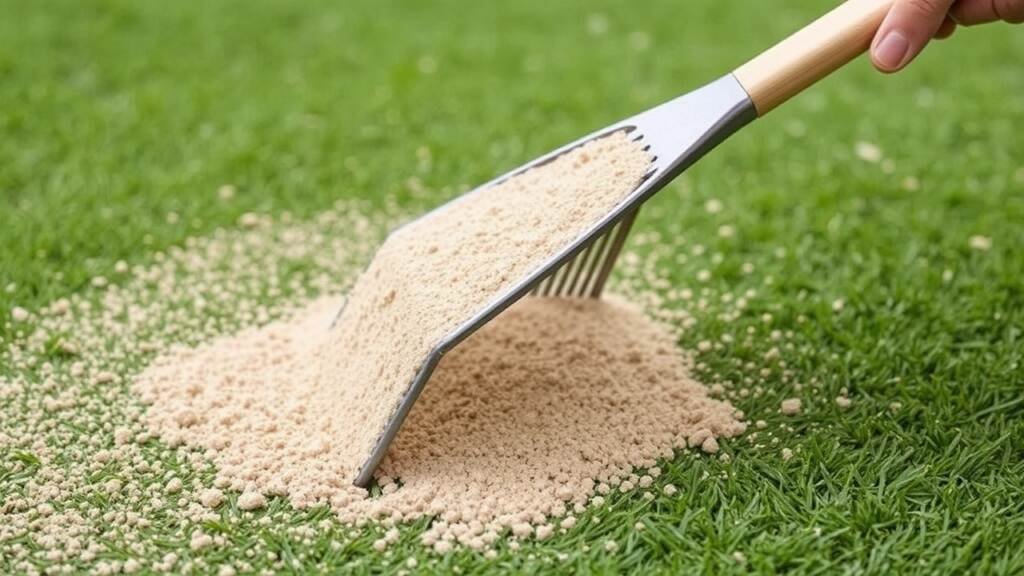
- Granular fertilizer, especially slow-release formulas, offers a more sustained release of nutrients over time. When you spread fertilizer, this type ensures that the grass is consistently fed, promoting stronger roots and long-term health.
The best choice depends on your lawn’s needs and your fertilizing schedule; consider both options when you fertilize your lawn.
Fertilization Techniques
How to Fertilize Your Lawn Effectively
To fertilize your lawn effectively, understanding the right approach is crucial. Begin with a soil test to know what your lawn needs. The right fertilizer is essential, so choose the right product for your grass type, be it cool-season grasses or warm-season grasses. Ensure even coverage by carefully applying the fertilizer with the right tools, such as a fertilizer spreader. Proper lawn care includes understanding when and how often to feed your lawn, which can make the fertilizer helpful.
Using Fertilizer Spreaders
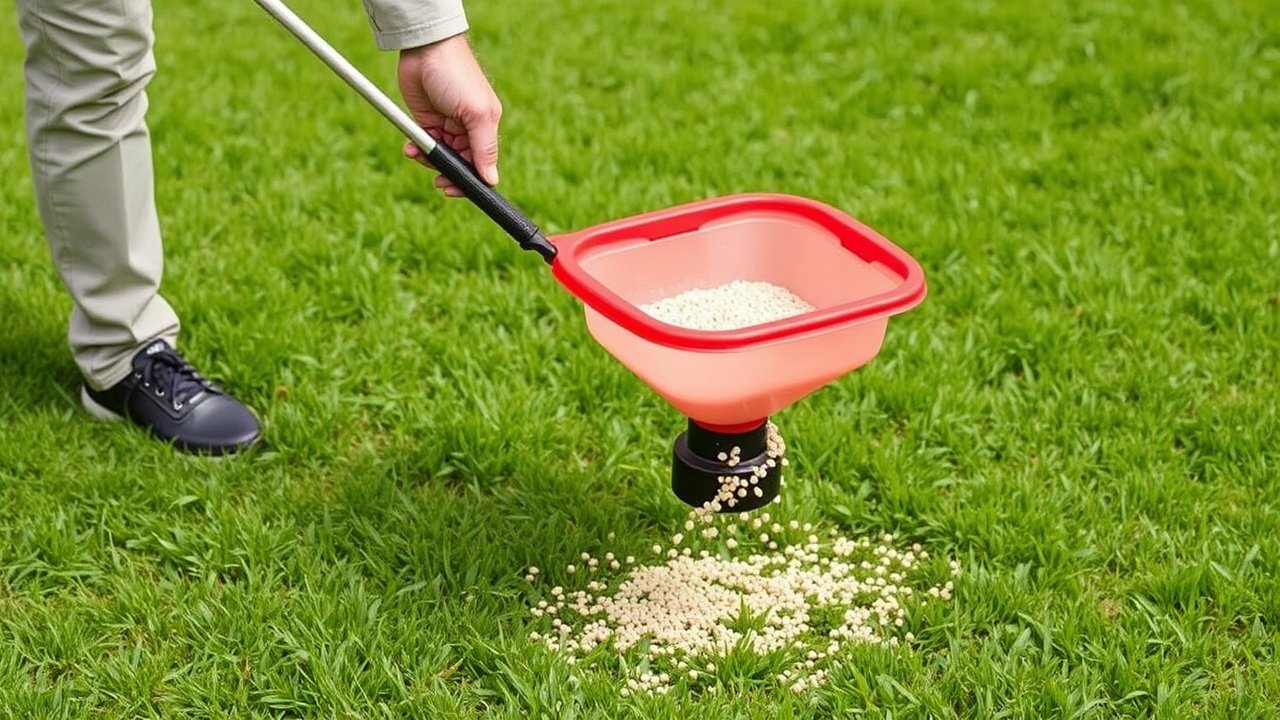
When you spread fertilizer, fertilizer spreaders are essential for achieving even coverage. There are two main types: broadcast spreader and drop spreader. A broadcast spreader is ideal for larger lawns, as it distributes fertilizer over a wide area. A drop spreader, on the other hand, drops fertilizer directly below, offering more precision but requiring careful application. When applying the fertilizer, make sure to overlap slightly to prevent any missed spots. The right fertilizer spreader ensures even coverage.
Best Times for Fertilizer Application
Timing is key when it comes to fertilization. Cool-season grasses benefit from fertilization in the spring and fall, during their growing season. Warm-season grasses should be fertilized in late spring and summer when they are actively growing. Avoid applying fertilizer during the dormant season, as this can harm your lawn. Understanding the right fertilizer schedule ensures your grass receives nutrients when it needs them most. This schedule will help feed your grass.
Maintaining Your Lawn After Fertilization
Importance of Grass Clippings
After you fertilize a lawn, proper maintenance is key to maximizing the benefits. Grass clippings are an excellent source of nutrients. When you mow, leaving grass clippings on the lawn returns valuable nitrogen and other nutrients to the soil. This practice reduces the need for additional fertilizer and supports healthier turf. By recycling grass clippings, you’re essentially feeding your grass with its own natural fertilizer, promoting a lush lawn.
Weed Control Strategies
Weed control is an essential aspect of maintaining a healthy lawn. After you fertilize your lawn, weeds can compete with the grass for nutrients. Consider using weed killers or a weed and feed product to tackle both weeds and nutrient deficiencies simultaneously. Regular lawn care, including proper watering and mowing, can also help prevent weed growth. Effective weed control ensures your grass receives the nutrients it needs to thrive.
Monitoring Lawn Health
Regularly monitoring your lawn’s health is crucial for maintaining a vibrant, green lawn. Look for signs of nutrient deficiencies, such as yellowing or slow growth. Pay attention to the overall density and color of your turf. A soil test can provide valuable insights into the nutrient levels and pH of your soil. By staying vigilant and addressing any issues promptly, you can ensure your lawn remains healthy and beautiful. Lawn care practices that will fertilize help your grass.