
A zero-waste garden is an eco-friendly garden that turns everyday kitchen scraps and yard waste into resources rather than trash. For U.S. homeowners, Destiny Landscaping recommends practical, low-waste garden ideas that reduce waste, save money, and build healthy soil. This guide shows how to create a zero-waste garden using simple, at-home gardening practices.
Introduction
Zero waste gardening focuses on reusing organic materials, minimizing landfill trips, and improving garden soil with compost instead of synthetic fertilizer. In a sustainable garden, gardeners reduce waste by turning food scraps, grass clippings, and dry leaves into mulch and soil amendment. These gardening tips support an eco-friendly landscaping approach that fits suburban and urban homes.
Understanding Zero-Waste Gardening
Zero-waste gardening means designing garden beds and routines that reuse, recycle, and decompose organic matter on-site. You compost kitchen waste and yard waste in a compost pile or worm bin, mulch with wood chips and leaves, and avoid disposable plastic pots and pesticide-heavy products. The result is a resilient, low-waste garden that nourishes healthy soil and retains moisture.
Importance for Modern American Households
For American families, starting a zero-waste garden can minimize trash, cut dependence on store-bought potting soil, and reduce plastic. It helps turn food waste into a soil amendment and keeps organics out of the landfill. Whether you have a vegetable garden, planters, or a small patio, these gardening practices are practical, budget-friendly, and scalable.
Environmental and Cost-Saving Benefits
When you reuse kitchen scraps like eggshell and coffee grounds, you enrich garden beds and reduce fertilizer needs. Mulch from grass clippings and dry leaves helps suppress weed growth and retain moisture, cutting water use. By recycling organic materials and avoiding excess pesticide, you protect local ecosystems, save money, and build a sustainable backyard design.
What Is a Zero-Waste Garden?
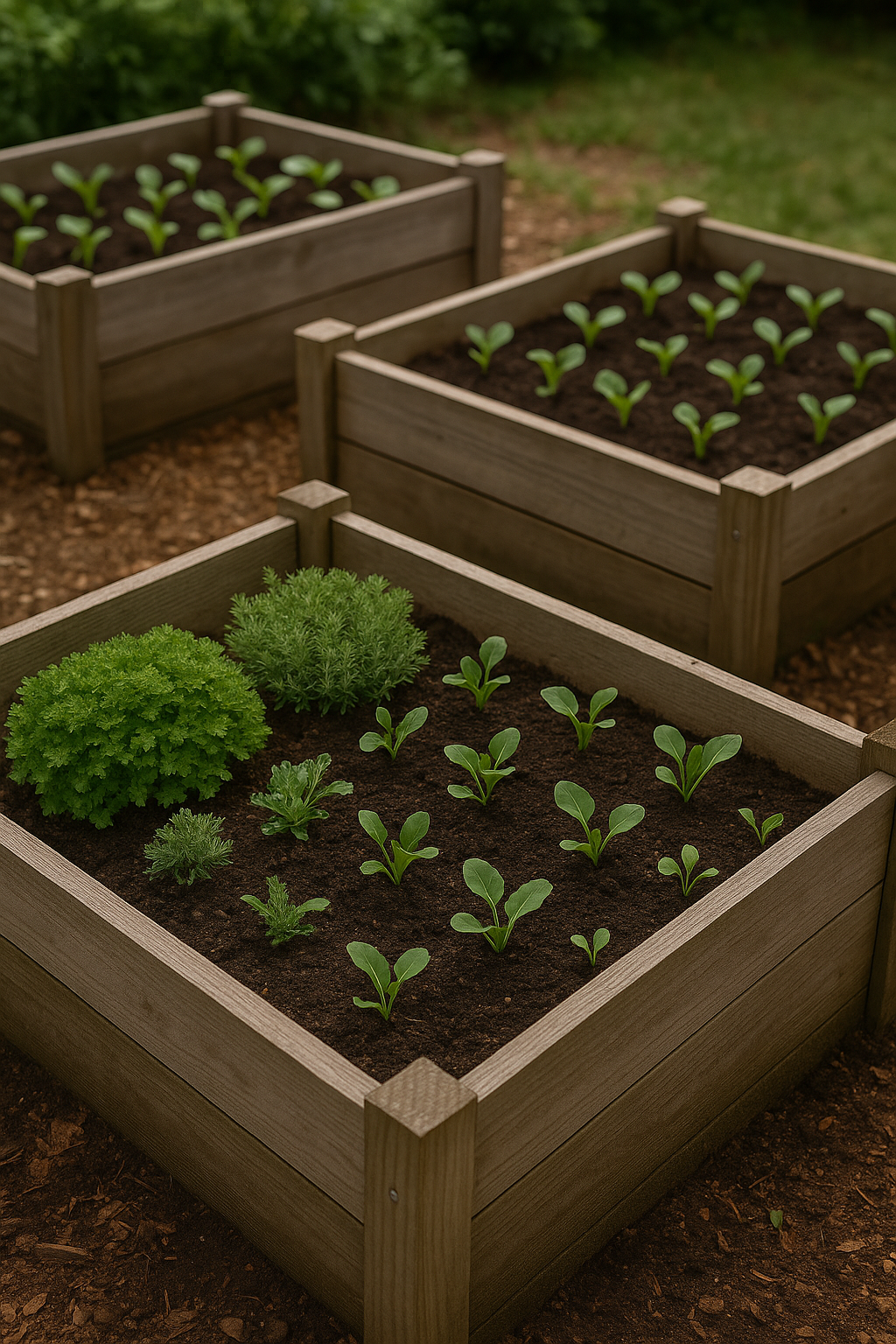
A zero-waste garden is a home landscape where organic materials circulate: kitchen scraps become compost, twigs and wood chips become mulch, and seedlings start in biodegradable containers. Rather than throwing garden waste away, you decompose it on-site to create healthy soil. The goal is to reduce waste, minimize inputs, and support eco-friendly gardening.
Simple Definition of Zero-Waste Gardening
Zero-waste gardening uses every scrap possible within the garden. You collect food scraps and yard waste, build a compost pile, and apply finished compost as a soil amendment. You start seeds in repurposed planters, reuse cardboard under no-dig gardening beds, and swap plastic pots for long-lasting or compostable options to create a zero-waste garden.
Comparison: Traditional Gardening vs. Zero-Waste Gardening
Traditional approaches often rely on store-bought fertilizer, plastic pots, and frequent disposal of garden waste. A zero-waste garden flips that model by composting at home, mulching with grass clippings and leaves, and avoiding excess pesticide. Instead of hauling waste to the landfill, organic matter is cycled back into garden soil, improving soil health and water retention.
Composting as the Foundation of a Zero-Waste Garden
Compost is the engine of a zero-waste garden, turning kitchen scraps and yard waste into a powerful soil amendment. By letting organic materials decompose in a compost pile or worm bin, gardeners reduce waste headed to the landfill and build healthy soil. This eco-friendly practice supports soil health, moisture retention, and sustainable gardening.
Utilizing Kitchen Scraps and Yard Waste
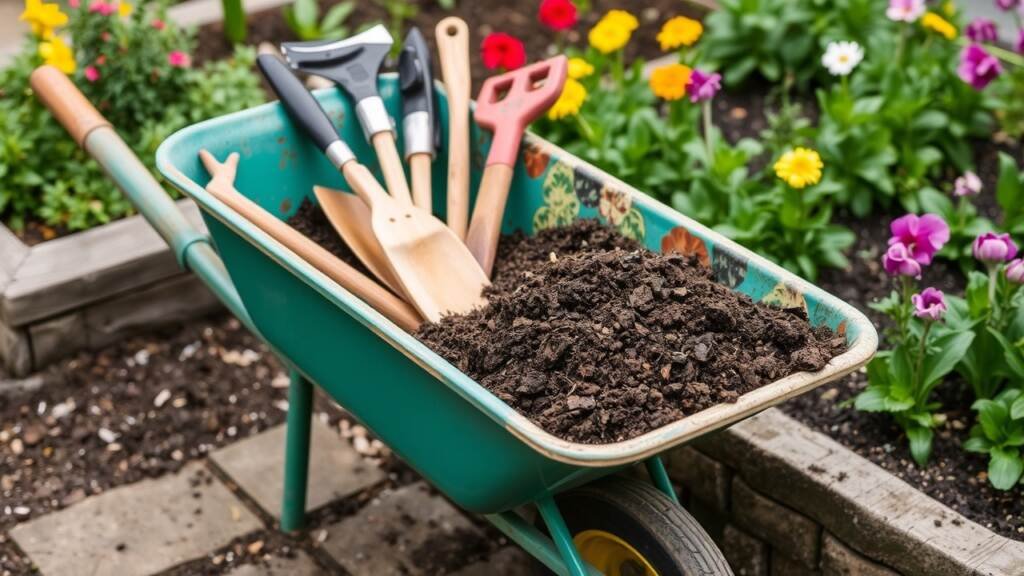
Most kitchen waste can feed your compost: fruit and vegetable food scraps, coffee grounds, tea leaves, eggshell, and paper towels. Balance these “greens” with “browns” like dry leaves, shredded cardboard, and small twig pieces from garden waste. Layering greens with browns reduces odor, speeds decomposition, and yields nutrient-rich compost for garden beds.
Backyard Composting Tips for U.S. Homes
Start small with a simple bin or a no-fuss pile tucked behind a planter or vegetable garden. Mix roughly equal parts greens and browns, keep the compost moist like a wrung-out sponge, and turn it to add air. In warm regions, worm composting processes scraps faster; in cooler climates, use a covered bin.
Benefits for Soil Health and Waste Reduction
Finished compost improves garden soil structure, helps retain moisture, and reduces the need for synthetic fertilizer. It inoculates garden beds with microbes that break down organic matter and support strong root systems. Composting at home diverts food waste from landfills and creates a closed-loop garden system.
Reusing Organic Materials in Your Garden
Beyond compost, reusing organic materials closes loops in a zero-waste garden. Mulch from leaves, grass clippings, and wood chips suppresses weed growth and protects soil. Cardboard layers enable no-dig gardening, while branches and twig trimmings can edge paths or feed a slow-decomposing pile. These low-waste garden ideas reduce waste and reliance on store-bought inputs.
Mulching with Leaves and Grass Clippings
Spread dry leaves and partially dried grass clippings as mulch around seedlings and established plants to retain moisture and stabilize soil temperature. Mulch discourages weeds, prevents soil crusting, and slowly returns nutrients. For a vegetable garden, keep clippings thin to avoid matting, and top with wood chips for longer-lasting coverage.
Repurposing Branches, Cardboard, and Wood Chips
Use cardboard under new garden beds to smother weeds and create a base for no-dig gardening. Add wood chips on top for clean paths and slow-release nutrients. Small branches can become borders, supports, or chipped mulch. This reuse approach aligns with zero waste gardening by cycling materials back into the landscape.
Reducing the Need for Store-Bought Materials
Recycling on-site minimizes purchases of soil, fertilizer, and plastic. You also cut trips to the store and the landfill. Over time, a sustainable garden built on organic materials becomes self-feeding, requiring fewer inputs and keeping your eco-friendly garden resilient and low-cost.
Choosing Plants That Support Zero-Waste Gardening
Selecting plants wisely helps create a zero-waste garden that thrives with minimal inputs and less landfill-bound packaging. Focus on species that reuse on-site organic materials, need little fertilizer, and fit your garden beds and climate. These gardening tips support soil health, reduce waste, and keep your eco-friendly garden resilient across suburban and urban settings.
Benefits of Native Plants
Native plants typically require less water, fewer chemicals, and support pollinators. They improve garden soil with deep roots and pair well with leaf and grass mulches. By matching natives to your region, you minimize inputs and reduce waste.
Advantages of Perennials Over Annuals
Perennials return every year, cutting repeat purchases and packaging. Their established roots help retain moisture, prevent weed growth, and stabilize organic matter in garden beds. A gardener can divide mature clumps to start new plants, reusing on-site materials.
Plants Requiring Minimal Fertilizer and Water
Choose drought-tolerant, nutrient-efficient species like prairie grasses, coneflower, yarrow, lavender, and many herbs. These thrive with compost and mulch instead of synthetic fertilizer, helping you reduce waste while maintaining healthy soil.
Water-Saving Practices That Reduce Waste
Water-smart gardening practices support zero waste gardening by lowering demand on municipal systems and cutting plastic packaging from irrigation gear. Combine rain capture, efficient watering, and soil-building compost to retain moisture. These steps minimize runoff, protect garden soil, and keep your zero-waste garden thriving through hot U.S. summers and dry spells.
Basics of Rainwater Collection
Start small with a rain barrel at a downspout and a simple screen to catch leaf scrap and keep out mosquitoes. Use harvested water for planters, seedling care, and garden beds. Mulch slows evaporation; in freezing climates, drain and store barrels.
Efficient Watering Habits
Water early and target roots with soakers or cans, focusing on new sprouts and seedlings. Deep, infrequent watering encourages strong roots. Mulch to retain moisture, and adjust by feel—garden soil should be damp, not soggy.
Soil Improvement Techniques to Retain Moisture
Incorporate compost and practice no-dig methods to improve structure and water-holding capacity. Mulch shields organic matter, and cardboard under paths reduces evaporation, keeping soil resilient.
Reducing Plastic and Chemical Use
Cutting plastic and synthetic chemicals is central to a zero-waste garden. Reuse what you have, swap plastic pots for durable or biodegradable options, and replace harsh pesticide with integrated, organic controls. Feed plants with compost and gentle amendments to support soil health, reduce waste, and keep your sustainable garden safe for kids and pets.
Alternatives to Plastic Pots
Start seeds in repurposed paper cups, paper rolls, egg cartons, or soil blocks that decompose in place. Use long-lasting fabric grow bags or ceramic planters instead of disposable plastic pots. Reuse nursery containers repeatedly. These swaps minimize packaging and keep materials looping within the garden.
Organic Pest Control Methods
Adopt integrated pest management: attract beneficial insects, hand-pick pests, use row covers, and spot-treat only when needed. Healthy, compost-fed soil and diverse plantings reduce chemical interventions.
Natural Fertilizers and Soil Amendments
Rely on compost as the primary amendment, with worm castings, leaf mold, and compost tea as supplements. Eggshell adds calcium; seaweed extract and rock minerals supply traces—feeding microbes and minimizing synthetic fertilizer and packaging waste.
Common Mistakes to Avoid in Zero-Waste Gardening
A zero-waste garden thrives when you balance compost, mulch, and plant choices with local climate and space. U.S. homeowners often overdo compost, choose the wrong plants for garden beds, or ignore soil health. These gardening tips help reduce waste, minimize landfill trips, and keep garden soil rich with organic matter that retains moisture and nourishes a sustainable garden.
Overcomposting Issues
Too much compost can cause weak growth and pest/weed problems. Apply 1–2 inches as a top-dress, then mulch. Keep kitchen scraps in a balanced compost pile, not directly on roots.
Consequences of Poor Plant Selection
Thirsty, high-input plants drive up water and fertilizer use. Choose natives and drought-tolerant perennials and herbs to reduce plastic, pesticides, and waste.
Neglecting Soil Health
Over-tilling and compaction degrade soil. Build structure with compost, mulch, and no-dig methods. Layer cardboard, top-dress lightly with compost, then mulch to retain moisture and support biology.
FAQs – Zero-Waste Gardening at Home
Homeowners starting a zero-waste garden often ask about cost, space, timelines for compost, and whether these gardening practices reduce maintenance. The good news: with simple reuse of yard waste and kitchen scraps, most U.S. households can start small, minimize inputs, and create a sustainable garden that fits an urban patio or a suburban vegetable garden.
Is Zero-Waste Gardening Expensive to Start?
No—start small with a basic compost pile, free mulch, and repurposed containers. Most materials come from your own scraps and yard waste, reducing fertilizer purchases and trips to the store and landfill.
Can Zero-Waste Gardens Work in Small Urban Yards?
Yes—use a worm bin, compact planters, and a slim rain barrel. Mulch containers with shredded leaves and use vertical trellises to maximize space.
How Long Does Composting Take?
About 8–12 weeks in warm weather with balanced inputs and turning; longer in cool climates. Worm systems process food waste faster. Avoid meat and oily foods.
Does Zero-Waste Gardening Reduce Maintenance?
Over time, yes. Mulch suppresses weeds, compost builds soil, and smart plant choices minimize watering and fertilizer—reducing hauling and pest issues.
Is Zero-Waste Gardening Suitable for All U.S. Climates?
Yes, with local adjustments: airier mulch in humid regions, thicker chips and drought-tolerant plants in arid zones, and covered bins in cold climates.
Conclusion + CTA
Zero-waste gardening turns scraps into soil-building resources, cutting costs and landfill trips. Compost, mulch, and smart plant selection create healthy soil, reduce fertilizer needs, and improve water efficiency. With these at-home gardening practices, any U.S. homeowner can create a sustainable garden that’s resilient, productive, and eco-friendly.
Summarizing Key Benefits
Reduce waste, recycle organics, and minimize plastic and chemicals. Compost improves soil, mulch retains moisture, and native perennials lower inputs. You reuse food scraps, leaves, cardboard, and twig trimmings to support soil health for a low-maintenance, cost-savvy, eco-friendly garden.
Encouraging Small Steps Towards Sustainability
Start small: set up a simple compost pile, mulch with dry leaves, switch a few plants to drought-tolerant perennials, and add a rain barrel when ready. Each step helps decompose organic matter on-site and reduce waste.
Consulting Destiny Landscaping for Expert Advice
Destiny Landscaping can tailor zero-waste strategies to your space and climate, emphasizing compost, mulch, and low-waste ideas for thriving, resilient landscapes.
- How does a hayward pool filter work? full breakdown & pro tips
- How to Cut Your Lawn Like a Pro with a Free Landscape Design App
- Diy vs professional grass installation
- Winter Flowers: Blooms to Bring Color to Your Garden
- Ultimate Guide to Landscaping Tools & Equipment: Reviews, Buying Tips, and Maintenance