
Creating a butterfly garden is a rewarding way to attract these beautiful insects to your backyard. A well-designed butterfly garden provides essential resources that butterflies need to thrive, supporting their entire life cycle. From nectar sources for adult butterflies to host plants for caterpillars, every element plays a crucial role in building a butterfly habitat that truly works.
Understanding Butterflies and Their Needs
The Importance of a Butterfly Garden
A butterfly garden is more than just a beautiful addition to your landscape; it’s a vital habitat for these important pollinators. By building a butterfly garden, you’re providing nectar plants that butterflies need for energy and offering host plants where butterflies lay eggs, ensuring the survival of future generations.
Types of Butterflies You Can Attract
Attracting butterflies to your garden depends on several factors, including your location and plant selection. You’ll find success by planting species that appeal to specific butterflies. For example:
- Monarch butterflies are often attracted to milkweed.
- Swallowtail butterflies, known for their striking patterns, love dill, fennel, and parsley.
Other common species, such as the painted lady, the common buckeye, and various fritillaries, each have their preferred host and nectar plants as well.
Essential Elements of a Butterfly Garden
A successful butterfly garden includes several essential elements, including:
- Nectar sources, which provide adult butterflies with the energy they need.
- Host plants, which serve as food for caterpillars.
A shallow puddle with pebbles provides a place for butterflies to drink, and shrubs offer shelter from wind and predators. Ensuring these elements are present will attract butterflies and support their life cycle.
Planning Your Butterfly Garden
Choosing the Right Location
When planning your butterfly garden, the location is key. Most butterfly species need at least 6 hours of sun each day to thrive, so choose a spot that receives plenty of sunlight and is sheltered from strong winds. Consider proximity to a water source and easy access for observation.
Designing the Layout of Your Garden
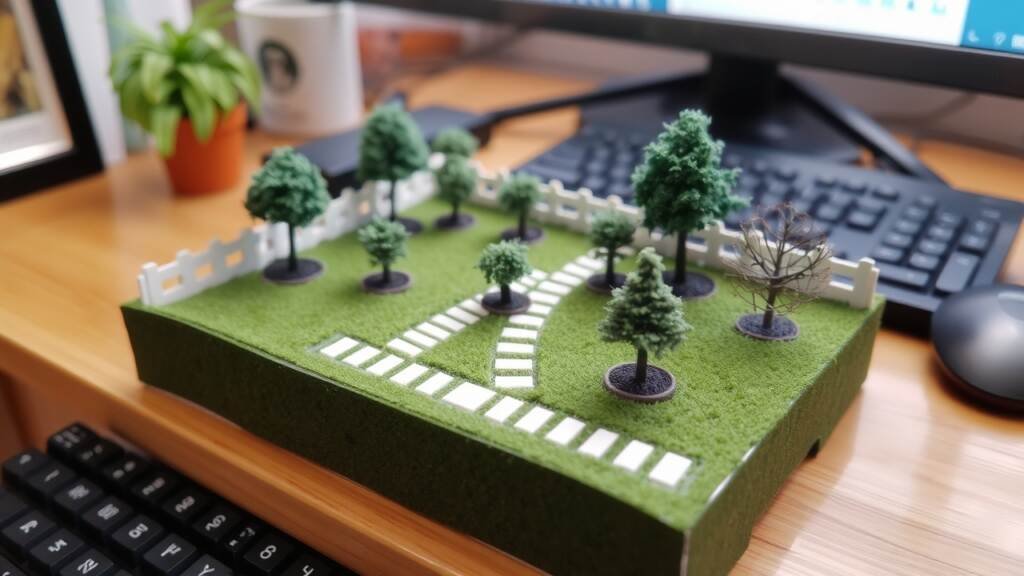
The design of your butterfly garden should cater to the needs of butterflies. Grouping nectar plants of the same species together makes it easier for butterflies to find them. Incorporate a variety of flower shapes and sizes to attract a variety of butterflies. Leave open areas for butterflies to bask in the sun and provide a clear flight path.
Selecting the Best Flowers for Butterflies
Selecting the right flowers is crucial when creating a butterfly garden. Opt for plants that are rich nectar sources and bloom at different times of the year to provide a continuous food supply for adult butterflies. Native plants are often the best choice. Popular choices include coneflowers, zinnias, butterfly bush, and milkweed.
Building a Butterfly Garden
Preparing the Soil for Planting
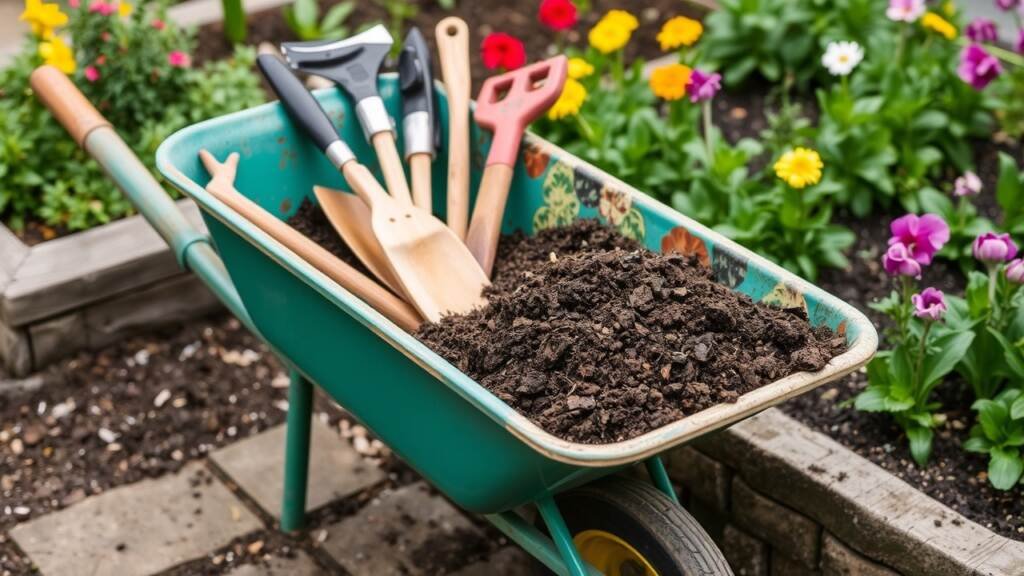
Proper soil preparation is essential for a vibrant butterfly garden. Most nectar plants prefer well-drained soil, so amend heavy clay soils with compost or other organic matter. Remove any weeds or grass from the planting area to reduce competition for resources. Consider adding a layer of mulch to help retain moisture and suppress weeds.
Planting Techniques for a Vibrant Garden
When planting, give each plant enough space to grow to its mature size. Dig a hole that is twice as wide as the root ball and just as deep. Gently loosen the roots before placing the plant in the hole, and backfill with soil. Water thoroughly after planting to help the plants establish. With the proper planting techniques, you can create a butterfly garden that provides a variety of food sources.
Creating a Butterfly Feeder
Consider creating a butterfly feeder to supplement their food sources. A simple DIY butterfly feeder can be made by filling a shallow saucer with sugar water and adding pebbles or marbles to the saucer to provide a safe landing spot for butterflies. Place the feeder in a sunny location near your nectar plants to attract butterflies.
Maintaining Your Butterfly Garden
Watering and Fertilization Practices
Consistent watering is essential, especially during dry periods, to ensure nectar plants thrive and produce abundant nectar. Fertilize sparingly, as excessive fertilization can reduce nectar production in some flowering plants. Use a balanced, slow-release fertilizer to support healthy growth of both nectar sources and host plants.
Pest Management Without Pesticides
Here’s how to protect your butterfly garden without harming butterflies or other beneficial insects. A good start is to avoid pesticides and instead promote natural methods:
- Encourage natural predators like ladybugs and lacewings to control pests like aphids.
- Handpick caterpillars off plants if infestations become severe.
As a last resort, use insecticidal soap or horticultural oil, applying it carefully to avoid harming butterfly larvae or adults.
Seasonal Care for Your Butterfly Garden
Seasonal care ensures your butterfly garden remains a haven for butterflies throughout the year. In spring, prune back dead or damaged growth and add compost to enrich the soil. During the growing season, deadhead spent flowers to encourage more blooms. In the late summer or fall, leave seed heads intact to provide food for birds and overwintering insects.
Enhancing Your Butterfly Garden
Adding Features Like Rocks and Logs
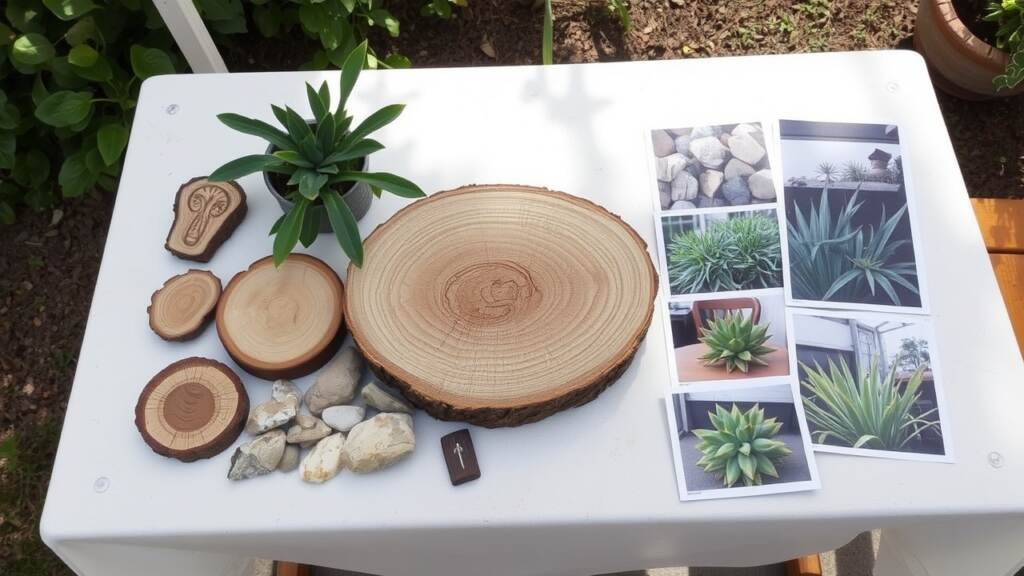
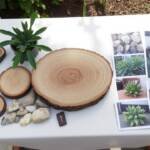
Enhance your butterfly garden by adding natural features like rocks and logs. Rocks provide basking spots for butterflies to warm themselves in the sun. Logs offer shelter for various insects, including caterpillars, and create a more natural-looking habitat. Arranging these features thoughtfully can create a more inviting and functional space for butterflies.
Using Containers for Even a Small Space
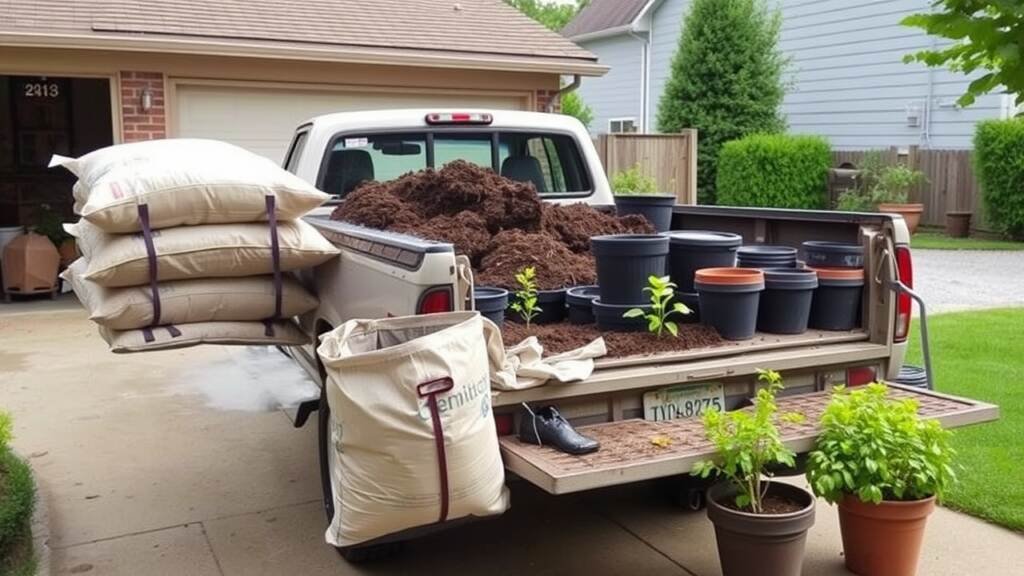
Even if you have limited space, you can still create a butterfly garden using containers. Choose large pots to accommodate the root systems of nectar plants and host plants. Plant a variety of flower types in each container. Ensure the pots have drainage holes to prevent waterlogging. Place the containers in a sunny location to attract pollinators to your small-space butterfly haven.
Incorporating a DIY Butterfly Feeder
Supplement natural nectar sources by incorporating a DIY butterfly feeder into your garden. Make a feeder by filling a shallow saucer with sugar water and adding pebbles to the saucer to provide a safe landing spot for butterflies. Hang the feeder from a tree branch or place it on a post near your nectar plants. Regularly clean the feeder to prevent the growth of mold and bacteria.